


The Comprehensive Guide to Flywheels in Mining Machinery and Spare Parts
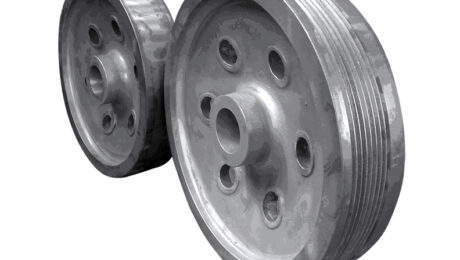
The Comprehensive Guide to Flywheels in Mining Machinery and Spare Parts
Introduction to Flywheels in Mining Machinery
Flywheels are an integral part of mining machinery, playing a crucial role in the operation and efficiency of various equipment. Understanding the function and importance of flywheels can enhance the overall performance of mining operations.
What is a Flywheel?
A flywheel is a mechanical device specifically designed to store rotational energy. In mining machinery, it helps smooth out power delivery and maintain operational efficiency. Its design ensures that machinery can operate smoothly even under varying loads.
The Role of Flywheels in Mining Machinery
Flywheels serve multiple purposes in mining machinery:
- Energy Storage: Flywheels store rotational energy, ensuring continuous power delivery to the machinery.
- Load Management: They help in managing loads by providing additional power during peak operational demands.
- Reducing Torque Fluctuations: Flywheels reduce torque fluctuations in machinery, enhancing the longevity of components.
Types of Flywheels Used in Mining Machinery
There are several types of flywheels utilized in mining equipment:
- Single-Mass Flywheels: Ideal for low-power applications where simplicity and cost-effectiveness are key.
- Dual-Mass Flywheels: Used in higher power applications, these provide better dampening of vibrations.
- Composite Flywheels: These are lightweight yet strong, suitable for advanced mining machinery.
Maintenance of Flywheels in Mining Machinery
Proper maintenance of flywheels is critical to ensure their efficient functioning:
- Regular Inspection: Schedule periodic inspections to check for cracks, wear, or misalignment.
- Lubrication: Ensure that bearings connected to flywheels are adequately lubricated for smooth operation.
- Balancing: Regularly check the balance of the flywheel to reduce vibrations.
Common Issues with Flywheels in Mining Machinery
Some common problems associated with flywheels include:
- Wear and Tear: Continuous usage may lead to wear on the bearings and surfaces.
- Vibration Issues: Improper installation or damage can result in excessive vibrations, impacting machinery performance.
- Heat Generation: Overheating can occur if flywheels are not adequately maintained.
Flywheel Spare Parts in Mining Machinery
Spare parts for flywheels are essential in maintaining operational efficiency:
- Bearings: High-quality bearings are critical for the smooth operation of flywheels.
- Flywheel Housings: Durable housings protect the flywheel from external elements.
- Mounting Kits: These kits ensure proper installation and alignment of flywheels.
Choosing the Right Flywheel for Your Mining Machinery
Selecting the appropriate flywheel depends on several factors:
- Application Requirements: Assess the energy requirements of the specific mining machinery.
- Space Constraints: Consider the available space in the machinery for flywheel installation.
- Weight Restrictions: Ensure that the weight of the flywheel is suitable for your machinery’s load capacity.
Innovations in Flywheel Technology for Mining Machinery
Recent advancements in flywheel technology are transforming the mining sector:
- Smart Flywheels: Incorporating sensors and diagnostics for real-time monitoring.
- Materials Science: Using advanced materials to enhance durability and performance.
- Energy Efficiency: Innovations that improve energy storage and recovery.
Frequently Asked Questions (FAQs)
1. What is the primary function of a flywheel in mining machinery?
The primary function of a flywheel in mining machinery is to store rotational energy, helping to smooth out power delivery and manage load fluctuations.
2. How often should flywheels be maintained?
Flywheels should undergo regular maintenance checks, ideally every few months, depending on the intensity of usage.
3. What are the common signs of a failing flywheel?
Common signs of a failing flywheel include excessive vibrations, unusual noises during operation, and overheating.
4. Where can I find spare parts for mining machinery flywheels?
Spare parts for mining machinery flywheels can be sourced from specialized suppliers or manufacturers who offer replacement components specific to your equipment.
Conclusion
Understanding the significance of flywheels in mining machinery can lead to improved operations and maintenance practices. By selecting the right flywheel and ensuring proper upkeep, mining operations can achieve enhanced efficiency and longevity of their machinery.
- Published in Products
Understanding End Frames: Essential Components in Mining Machinery and Spare Parts
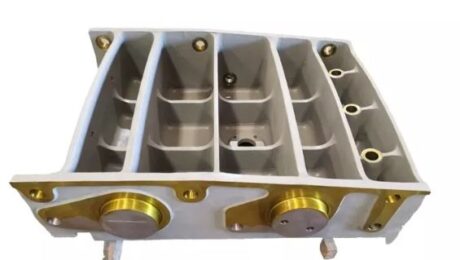
Understanding End Frames: Essential Components in Mining Machinery and Spare Parts
In the world of mining machinery, every component plays a vital role in hydraulic systems and operational efficiency. Among these components, the ‘end frame’ stands out as a critical element. This article delves into the significance, functions, manufacturing processes, and maintenance of end frames in mining machinery.
What is an End Frame?
The end frame, often referred to as the terminal frame, is a structural component that houses and supports various mechanisms of mining equipment. This foundation is crucial for the machinery’s stability, ensuring that all parts function harmoniously under extreme conditions.
Importance of End Frames in Mining Machinery
- Support Structure: End frames provide essential support for rotating components, pumps, and gear mechanisms.
- Impact Resistance: They are designed to withstand shocks and vibrations during the operation of heavy mining equipment.
- Alignment Maintenance: End frames ensure proper alignment of the machinery parts for optimal performance.
- Mud and Debris Resistance: Mining operations often involve abrasive materials; end frames contribute to protecting internal components by preventing foreign object intrusion.
Types of End Frames
End frames can be categorized based on their design and application:
1. Flat End Frames
Flat end frames are common in most linear machinery, providing a solid base for direct mounting of various components.
2. Curved End Frames
Curved designs are typically found in more advanced machinery, where aerodynamics and flow are critical.
3. Modular End Frames
These end frames allow for easy modification and replacement, supporting versatile mining operations.
Manufacturing Processes of End Frames
The manufacturing of end frames involves several steps:
- Material Selection: Often made from high-strength steel or durable alloys to withstand harsh conditions.
- Machining: Precision engineering is essential to create the correct dimensions for perfect fitment.
- Welding: Most end frames require welding of parts to enhance strength and durability.
- Coating: Protective coatings are applied to enhance corrosion resistance.
Applications of End Frames in Mining Machinery
End frames are integral to various mining machines, including:
- Excavators: Provide stability for hydraulic arms.
- Dump Trucks: Anchor important hydraulic mechanisms.
- Crushers: Support the heavy components that process mining material.
- Loaders: Essential for the operational efficiency of loading mechanisms.
Maintaining End Frames for Optimal Performance
Regular maintenance checks can extend the life expectancy of end frames:
- Inspection: Routine inspection for cracks and wear is essential to troubleshoot issues early.
- Cleaning: Keeping end frames free from debris enhances performance and prevents damage.
- Lubrication: Proper lubrication along pivot points will reduce wear and increase lifespan.
Common Problems and Troubleshooting of End Frames
- Cracking: Caused by fatigue or improper welding.
- Deformation: Occurs due to excessive loads or impact.
- Corrosion: Often results from exposure to wet and abrasive conditions, necessitating immediate action.
Choosing the Right End Frame for Your Mining Equipment
When selecting an end frame, consider the following:
- Material Quality: Steel or alloys that meet industry standards.
- Compatibility: Ensuring that the end frame matches the machinery’s specifications.
- Manufacturer Reputation: Opt for manufacturers known for durability and performance.
Future Trends in End Frame Design and Manufacturing
Innovation in mining technology will influence the future of end frames:
- Advanced Materials: Development of lightweight yet durable materials could revolutionize end frame designs.
- 3D Printing: Custom and on-demand manufacturing may reduce costs and increase customization.
- Sustainability: Increased focus on sustainable practices and recyclable materials.
Frequently Asked Questions (FAQ)
1. What is the function of an end frame in mining machinery?
The end frame supports various components and mechanisms, providing structural stability and alignment.
2. How are end frames manufactured?
End frames are made through processes involving material selection, machining, welding, and coating.
3. What materials are commonly used for end frames?
High-strength steel and durable alloys are typical choices for manufacturing end frames.
4. How can I maintain the end frames of my mining machinery?
Routine inspections, cleaning from debris, and proper lubrication can enhance longevity.
5. Are all end frames the same for different machinery?
No, end frames vary based on design requirements and machinery applications, making compatibility essential.
Conclusion
End frames are indispensable components of mining machinery, ensuring efficiency and operational longevity. Understanding their importance, manufacturing processes, and maintenance can help companies maximize their investment and minimize downtime. As technology advances, the future of end frames holds exciting prospects in materials, design, and sustainability, making it a vital area for ongoing exploration in the mining sector.
- Published in Products
The Essential Guide to Pitman in Mining Machinery and Spare Parts

The Essential Guide to Pitman in Mining Machinery and Spare Parts
Introduction to Pitman in Mining Machinery
The term ‘Pitman’ refers to a crucial component in various types of mining machinery. Understanding the functionality and significance of the Pitman can enhance operational efficiency and machinery longevity.
What is a Pitman?
A Pitman is a mechanical component that connects the crankshaft to the movable jaw in equipment such as crushers, grizzly feeders, and rockbreakers. Its primary function is to facilitate the transformation of circular motion into linear motion, which is essential in the crushing process.
Types of Pitman Assemblies
1. Traditional Pitman
The traditional Pitman features a single piece design, often made of high-strength steel, ensuring durability and resilience against heavy loads.
2. Hydraulic Pitman
Hydraulic Pitman mechanisms employ hydraulic cylinders to enhance performance and efficiency, allowing for softer starts and smoother operations during crushing.
Importance of Pitman in Mining Machinery
Each component of mining machinery plays a vital role, and the Pitman is no exception. It contributes significantly to:
- Efficiency: Ensures optimal crushing operations.
- Safety: Designed to operate safely within defined limits.
- Durability: Resilient materials prevent premature wear.
Common Issues with Pitman Components
1. Wear and Tear
Over time, Pitmans may experience wear due to continuous friction and pressure. Regular maintenance is necessary to avoid eventual replacement.
2. Misalignment
Misalignment can lead to intense strain on the Pitman, potentially causing failures. Ensuring correct installation and alignment is critical.
Innovations in Pitman Design
Advancements in materials science and engineering have led to the development of smarter and more efficient Pitman designs, such as those incorporating lightweight materials that do not compromise strength.
How to Choose the Right Pitman for Your Mining Machinery
Selecting the right Pitman involves considering factors like the specific application, machine compatibility, material composition, and expected load conditions. Consultation with manufacturers can help in making an informed decision.
Maintenance and Care for a Sustainable Pitman Life
1. Regular Inspections
Conducting regular inspections for wear and tear can help catch issues before they escalate, prolonging the life of the Pitman.
2. Lubrication
Proper lubrication minimizes friction and reduces wear, ensuring that the Pitman operates smoothly and efficiently.
Pitman Spare Parts: Finding the Right Fit
1. OEM vs Aftermarket Pitman Parts
When sourcing Pitman spare parts, one must weigh the benefits of OEM parts against aftermarket options, considering factors such as cost, quality, and compatibility.
2. Importance of Quality in Spare Parts
Investing in high-quality spare parts ensures optimal performance and reliability of mining machinery. Don’t compromise on quality when selecting Pitman components.
FAQs About Pitman in Mining Machinery
What is the function of a Pitman in mining machinery?
The Pitman connects the crankshaft to the movable jaw in machinery like crushers, converting rotational motion into linear motion for effective crushing.
How often should Pitman components be inspected?
Regular inspections should be conducted at least once every operational cycle or quarterly to catch wear and prevent failure.
What materials are typically used to manufacture Pitman assemblies?
Common materials include high-strength steel and lightweight composites for specific applications, ensuring durability and efficiency.
How can I extend the lifespan of a Pitman?
Regular maintenance, proper lubrication, and timely inspections can significantly extend the lifespan of a Pitman in mining machinery.
Conclusion
The Pitman is an indispensable part of mining machinery, influencing efficiency and safety. Understanding its role and ensuring proper maintenance can lead to enhanced production rates and reduced downtime. When selecting Pitman spare parts, prioritize quality and compatibility to guarantee the best performance of your equipment.
LSI and NLP Keywords Related to Pitman
- Mining equipment
- Mining machinery parts
- Crusher Pitman
- Heavy machinery
- Jaw crusher Pitman
- Mining sector
- Material handling
- Crusher parts
- Machinery performance
- Long-term sustainability
- Mining operations
- Pitman arm
- Mechanical component
- Crushability
- Pitman replacement parts
- Excavator components
- Load-bearing components
- Mining maintenance
- Heavy load machinery
- Published in Products
The Importance of Rotors in Mining Machinery and Spare Parts

The Importance of Rotors in Mining Machinery and Spare Parts
In the mining industry, the efficiency and reliability of machinery depend heavily on various components. One of the most crucial among these components is the rotor. This article explores the significance of rotors in mining machinery, their types, functions, maintenance practices, and the importance of rotor spare parts. We will also answer frequently asked questions to enrich your understanding.
Understanding Mining Machinery
Mining machinery encompasses a range of equipment used to extract minerals and ore from the earth. These machines include excavators, bulldozers, drilling rigs, and crushers. Each of these machines relies on specific components, such as rotors, to operate effectively.
What is a Rotor?
A rotor is a rotating component of a machine that is essential for the performance of various processes within mining equipment. In crushing machines, for instance, rotors help in the size reduction of materials by applying forces to break down ore. The design and function can vary significantly depending on the type of machinery and its intended application.
Types of Rotors in Mining Machinery
1. Impact Crusher Rotors: These rotors are designed to generate impact forces that crush materials. They typically have high-speed configurations to deliver powerful strikes to the ore.
2. Ball Mill Rotors: In ball mills, rotors facilitate the grinding process by agitating material and enabling efficient milling through rotation.
3. Stator-Rotor Assemblies: Used in flotation cells and separators, these assemblies consist of a rotor and a stator, crucial for generating the right flow of slurries in mineral processing.
4. Conveyor Rotors: In conveyor systems, rotors are instrumental in the continuous transportation of mined materials and ensure smooth operation.
Functions of Rotors in Mining Machinery
Rotors serve several functions in mining equipment:
- Crushing and Grinding: Rotors facilitate the reduction of ore size, making subsequent processing easier.
- Material Handling: They play a vital role in transporting materials within machinery.
- Mixing and Separating: Rotors in mixing equipment ensure uniform consistency across mixed products.
- Power Generation: Some rotors are designed to convert mechanical energy into electrical energy.
Common Materials Used for Rotor Manufacturing
Rotors are manufactured using various materials, including:
- High-carbon Steel: Known for durability and resistance to wear.
- Chrome Alloy Steel: Provides enhanced toughness and surface hardening capabilities.
- Cast Iron: Often used for its excellent compressive strength.
- Composite Materials: These are becoming increasingly popular for weight-saving advantages.
Maintenance of Rotors in Mining Machinery
Routine maintenance is essential for prolonging the lifespan of rotors. Key maintenance practices include:
- Regular Inspections: Check for wear, cracks, and misalignment.
- Lubrication: Regularly lubricate moving parts to reduce friction.
- Replacement of Damaged Parts: Replace rotors or components that show signs of severe wear.
- Balancing: Ensure rotors remain balanced to prevent operational vibrations.
Importance of Spare Parts for Rotors
Availability of rotor spare parts is critical in minimizing downtime and ensuring continuous operations. The right spare parts should be compatible with existing machinery to prevent any operational inefficiencies. Using OEM (Original Equipment Manufacturer) spares is advisable for maintaining performance standards and ensuring warranty compliance.
Factors to Consider When Choosing Rotor Spare Parts
When selecting rotor spare parts, consider the following factors:
- Correct Specifications: Ensure that the spare part matches the original rotor design.
- Quality Standards: Opt for parts that meet high-quality manufacturing standards.
- Supplier Reputation: Purchase from reputable suppliers known for quality and reliability.
- Cost vs. Quality: Balance your budget with the necessity for high-quality parts.
Innovations in Rotor Technology
Technological advancements have led to improved rotor designs, enhancing efficiency and performance in mining machinery. Innovations include:
- Enhanced Aerodynamics: Modern rotors with better aerodynamics maximize crushing efficiency.
- Wear-Resistant Coatings: Newer rotors come with coatings that extend their operational lifespan.
- Modular Designs: These make replacement and maintenance easier and quicker.
Effects of Wear on Rotor Performance
Wear and tear can significantly affect rotor performance. Common issues include:
- Reduced Crushing Efficiency: Worn rotors may not crush effectively, reducing output.
- Increased Energy Consumption: Damaged rotors can lead to higher operational costs due to inefficiencies.
- Risk of Machinery Breakdown: Untreated wear can lead to a complete breakdown, causing delays.
FAQs About Mining Machinery Rotors
What is a rotor in mining machinery?
A rotor is a rotating component that performs vital functions in machines such as crushers, mills, and mixers in the mining industry.
How often should rotors be replaced?
Replacement frequency varies depending on usage and wear; regularly inspect rotors to determine when replacement is necessary.
What are the signs of rotor wear?
Signs of wear include unusual vibrations, reduced performance, and visible damages such as cracks or deformations.
Can I use aftermarket rotor parts?
While aftermarket parts can be more affordable, ensure they meet quality standards to avoid compromising performance.
How can I ensure the longevity of my mining machinery rotors?
Regular maintenance, inspections, and using high-quality spare parts can help ensure longevity.
Conclusion
Rotors are a fundamental component of mining machinery, playing a critical role in numerous processes. Understanding their importance, types, functions, and maintenance needs will help in optimizing mining operations. Investing in quality rotor spare parts and staying updated with technological advancements will ensure continuous productivity and efficiency in the mining sector.
LSI and NLP Keywords Related to ‘Rotor’
spare parts, mining equipment, grinding, crushing machinery, rotor assembly, maintenance procedures, performance optimization, rotor design, impact forces, durable materials, machine efficiency, OEM parts, aftermarket components, mining process, rotor replacement, wear and tear, machinery inspection, operational reliability, hydraulic rotors, rotor dynamics.
- Published in Products
The Ultimate Guide to Conveyor Belts in Mining Machinery and Spare Parts

The Ultimate Guide to Conveyor Belts in Mining Machinery and Spare Parts
In the mining industry, conveyor belts play a critical role in the transportation of materials. They are a vital component of mining machinery, allowing for efficient and safe movement of bulk materials over varying distances. This article explores the different types of conveyor belts used in mining, their benefits, maintenance practices, and spare parts essential for optimal performance.
What are Conveyor Belts?
Conveyor belts are continuous loops of material used to transport goods or materials from one point to another. In mining and mineral processing, they are primarily used to move ore, gravel, rocks, and other materials.
Types of Conveyor Belts in Mining Machinery
Various types of conveyor belts are used depending on the application:
- Rubber Conveyor Belts: Durable and flexible, suitable for bulk material handling.
- Steel Cord Conveyor Belts: High strength and resistance to tearing and impact.
- Modular Conveyor Belts: Made from plastic and ideal for specific mining applications.
- Fabric Conveyor Belts: Lightweight solutions for transporting light to medium weight materials.
- Specialty Conveyor Belts: Custom solutions designed for specific materials or environments.
Benefits of Using Conveyor Belts in Mining
Conveyor belts are essential due to various benefits, including:
- Increased Efficiency: They significantly reduce the time taken to transport materials.
- Cost-Effectiveness: Lower operational costs compared to other transportation methods.
- Safety: Minimizes manual handling and the associated risks.
- Versatility: Can operate in various terrains and weather conditions.
Components of Conveyor Belts
Understanding the key components of conveyor belts is essential:
- Belt Material: Determines durability and application.
- Drive System: Provides the necessary power to move the belt.
- Pulleys: Essential for belt movement and tensioning.
- Idlers: Support the belt and keep it in alignment.
- Conveyor Framework: The structure that holds the conveyor belt and its components.
Maintenance of Conveyor Belts
Proper maintenance ensures the longevity and efficiency of conveyor belts:
- Regular Inspection: Check for wear, tear, and misalignment.
- Cleaning: Keep the belt clean to prevent material buildup.
- Lubrication: Ensure moving parts are adequately lubricated.
- Replacement of Worn Parts: Timely replacement of damaged components.
Common Conveyor Belt Issues
Be aware of common issues:
- Breakdowns: Can lead to costly downtime.
- Misalignment: Can cause excessive wear and energy loss.
- Spillage: Material loss can affect productivity.
Conveyor Belt Spare Parts
Key spare parts for maintaining conveyor belts include:
- Belt Fasteners: Essential for connecting belt ends.
- Idler Rollers: For supporting the belt.
- Pulleys: Drive and redirect the belt.
- Conveyor Frames: Support the entire conveyor system.
Innovation and Future Trends in Conveyor Belt Technology
The industry is constantly evolving with innovations like:
- Smart Conveyor Systems: Integration of IoT for monitoring and control.
- Energy-Efficient Designs: Reducing power consumption for sustainability.
- Advanced Materials: Using lighter and stronger materials for better performance.
Environmental Concerns
In mining operations, conveyor belts impact the environment, thus:
- Reduce Noise Pollution: Implementing quieter systems.
- Dust Mitigation: Using covers and sprays to reduce dust emissions.
Frequently Asked Questions (FAQs)
1. What is a conveyor belt?
A conveyor belt is a continuous loop of material used to transport goods or materials, especially in industries such as mining.
2. Why are conveyor belts important in mining?
They enable efficient and safe movement of bulk materials, increasing productivity and reducing operational costs.
3. What are the common types of conveyor belts?
Common types include rubber, steel cord, modular, fabric, and specialty belts.
4. How often should conveyor belts be maintained?
Regular inspections should be conducted, typically every month, with more thorough maintenance annually.
5. What are the main components of a conveyor belt system?
Key components include the belt material, drive system, pulleys, idlers, and conveyor framework.
6. What to do if a conveyor belt breaks down?
Identify the issue, shut down the system, and carry out necessary repairs or replacements.
7. How can you extend the lifespan of a conveyor belt?
Regular maintenance, proper use, and timely replacement of worn parts can help extend lifespan.
8. What are the environmental impacts of conveyor belts?
Conveyor belts can contribute to dust and noise pollution; however, there are ways to mitigate these impacts.
Conclusion
Conveyor belts are a vital component of mining machinery, enhancing productivity, safety, and efficiency in material transport. Understanding their types, components, maintenance, and innovations can help operators make informed decisions for their mining operations.
LSI and NLP Keywords
- Mining equipment
- Material handling
- Conveyor belts for mining
- Bulk material transport
- Conveyor systems
- Engineering
- Mining technology
- Conveyor belt installation
- Mining operations
- Efficiency in mining
- Troubleshooting conveyor belts
- Mining industry solutions
- Spare parts for conveyors
- Conveyor belt maintenance
- Mining conveyor safety
- Mining machinery parts
- Published in Products
The Comprehensive Guide to Rollers in Mining Machinery and Spare Parts

The Comprehensive Guide to Rollers in Mining Machinery and Spare Parts
Mining machinery plays a crucial role in the extraction of resources and materials from the earth. An essential component of many types of mining machinery are rollers. In this comprehensive guide, we will explore the various types of rollers used in mining machinery, their functions, maintenance, and the significance of spare parts. Whether you’re involved in surface mining, underground mining, or any sector that relies on heavy machinery, understanding rollers is key to optimizing performance and ensuring longevity.
What Are Rollers in Mining Machinery?
Rollers are cylindrical components that serve a variety of functions in mining machinery. They provide support, reduce friction, and facilitate movement across surfaces. Rollers are utilized in conveyor systems, dozers, excavators, and many other mining equipment. Understanding the types of rollers and their applications is crucial for maintaining efficient operations.
Types of Rollers Used in Mining Machinery
1. Conveyor Rollers
Conveyor rollers are integral components of belt conveyor systems used in transporting materials across various distances. These rollers support the weight of the belt and the material being carried, ensuring smooth operation.
2. Idler Rollers
Idler rollers are vital in conveyor systems as they help maintain the tension of the belt, support the load, and reduce friction. Proper maintenance of idler rollers is essential for the efficient functioning of the conveyor.
3. Carrier Rollers
Carrier rollers support heavy equipment such as excavators and help in weight distribution. They are often used in tracked machines and must be durable to withstand harsh mining conditions.
4. Drill Rollers
Used primarily in drilling equipment, drill rollers assist in the smooth operation of drilling devices. They ensure that the drill maintains its path, which is crucial for accuracy.
Key Functions of Rollers in Mining Machinery
Rollers perform several essential functions, including:
- Reducing Friction: By providing a smooth surface, rollers help minimize friction during operations, which contributes to efficient machinery performance.
- Support and Stability: Rollers provide support for moving parts, enhancing the stability of the machinery during operation.
- Load Distribution: Properly designed rollers help distribute weight effectively, preventing excessive wear or potential failure of the machinery.
- Facilitating Movement: Rollers enable the movement of machinery, assisting in tasks such as loading, mining, and transporting materials.
Materials Used for Roller Construction
Rollers can be made from various materials, depending on their application:
- Steel: Often used for heavy-duty rollers due to its strength and durability.
- Rubber: Commonly used in applications requiring flexibility and noise reduction.
- Polyurethane: A lightweight and durable option often used in environments where corrosion is a concern.
Maintenance of Rollers in Mining Machinery
Regular maintenance of rollers is critical to prolong their lifespan and maintain efficiency. Maintenance tips include:
- Regular Inspections: Frequently check for wear and tear, misalignment, and any signs of damage.
- Lubrication: Keep rollers lubricated to reduce friction and wear.
- Replacement of Worn Parts: Timely replacement of damaged or worn rollers prevents malfunctions and ensures operational efficiency.
The Importance of Spare Parts for Rollers
Having a robust inventory of spare parts, including rollers, is essential for minimizing downtime in mining operations. Spare parts ensure that machinery can be quickly repaired, reducing disruption to production schedules.
Choosing the Right Roller for Mining Machinery
Selecting the right roller involves understanding the application, load requirements, and environmental conditions. Consulting with equipment manufacturers or experts can help ensure you choose the best roller for your needs.
Frequently Asked Questions (FAQs) about Rollers in Mining Machinery
1. What is a roller in mining machinery?
A roller is a cylindrical part used in various types of mining machinery to support, reduce friction, and facilitate movement.
2. What types of rollers are commonly used in mining equipment?
Common types include conveyor rollers, idler rollers, carrier rollers, and drill rollers.
3. How often should rollers in mining machinery be inspected?
Rollers should be inspected regularly, at least every few months, to ensure optimal performance and prevent issues.
4. What materials are rollers made from?
Rollers are commonly made from steel, rubber, or polyurethane, depending on their intended use.
5. How do I know when to replace a roller?
Replace a roller when it shows significant wear, misalignment, or physical damage that affects its performance.
LSI Keywords Related to ‘Roller’
- Heavy machinery
- Conveyor systems
- Mining equipment
- Spare parts
- Excavators
- Drilling machines
- Maintenance techniques
- Industrial rollers
- Replacement parts
- Mining operations
- Roller bearings
- Equipment performance
NLP Keywords Related to ‘Roller’
- Cylindrical design
- Operational efficiency
- Support and stability
- Load capacity
- Durability in harsh conditions
- Friction reduction
- Movement assistance
Conclusion
Understanding the role of rollers in mining machinery is essential for anyone involved in the mining industry. From selecting the right type of roller to ensuring proper maintenance, this knowledge enables more efficient operations and extends the lifespan of equipment. Whether you are looking for spare parts or simply need to optimize your machinery, expertise in rollers will undoubtedly benefit your mining projects.
- Published in Products
Comprehensive Guide to Drum in Mining Machinery and Spare Parts
Understanding the Role of Drum in Mining Machinery
The mining industry heavily relies on specialized equipment for efficient operations, and one crucial component of this machinery is the drum. In this comprehensive guide, we explore the various aspects of drums used in mining machinery, their importance, types, and maintenance tips.
What is a Drum in Mining Machinery?
A drum in mining machinery refers to a cylindrical component that plays a vital role in various mining processes. It can be found in several pieces of equipment including conveyors, hoists, and other machinery involved in material handling and extraction.
Types of Drums Used in Mining Machinery
1. Conveyor Drums
Conveyor drums are used in conveyor belt systems to assist in the movement of materials. They facilitate the rotation of the belt and are engineered to withstand harsh mining environments.
2. Pulling Drums
Pulling drums are vital in hoisting operations. They work by providing the necessary traction to lift heavy loads from the mining site.
3. Chopper Drums
Chopper drums are used in continuous miner machines for breaking up rock and material. Their design allows for efficient material reduction.
4. Power Drums
Power drums are integral to the operation of various mining equipment, providing the necessary power to conduct operations effectively.
The Importance of Drum Maintenance in Mining Machinery
Regular maintenance of the drum components in mining machinery is crucial for ensuring operational efficiency and safety. Neglecting this can lead to downtime and costly repairs.
How to Maintain Drums in Mining Machinery
- Regular Inspections: Conduct frequent inspections for wear and tear.
- Lubrication: Ensure that moving parts are adequately lubricated to prevent excessive friction.
- Alignment Checks: Maintain proper alignment of drums to avoid uneven wear.
- Replacement: Replace worn-out parts promptly to mitigate risks.
Drum Spare Parts for Mining Machinery
The availability of spare parts for drums is essential for efficient mining operations. Below, we discuss various drum spare parts commonly used in mining machinery:
1. Drum Shells
These form the body of the drum and must be made of durable materials to withstand operational stresses.
2. Bearings
Bearings support the rotation of the drum, and regular checks are vital to ensure they are functioning correctly.
3. Bushings
Bushings aid in the smooth operation of drums and should be inspected for wear and replaced regularly.
4. Drive Shafts
Drive shafts transfer power to the drum and must be of high quality to reduce energy loss.
Common Issues Faced by Drums in Mining Machinery
Operators often encounter several issues with drums, including:
- Wear and Tear: Regular use can lead to degradation.
- Misalignment: Can occur during operation, leading to uneven wear.
- Overloading: Exceeding load limits can damage the structure.
- Corrosion: Exposure to harsh mining conditions can lead to corrosion if not properly managed.
Innovations in Drum Technology for Mining Machinery
Technology continues to advance, leading to innovations in drum design and materials, enhancing performance and longevity.
Choosing the Right Drum for Mining Operations
Selecting the correct drum involves considering factors such as:
- Operating environment
- Load capacities
- Material composition
- Compatibility with existing machinery
LSI and NLP Keywords Related to Drum in Mining Machinery
- Mining equipment
- Heavy machinery
- Drum assembly
- Mining operations
- Spare parts supply
- Material handling
- Rock excavation
- Mechanical parts
- Drum maintenance
- Industrial machinery
Frequently Asked Questions (FAQ)
1. What is the function of a drum in mining machinery?
The drum is vital for transporting materials, lifting loads, and assisting in rock breaking during mining operations.
2. How often should mining drums be maintained?
Regular maintenance should be conducted every few months, but frequency may increase based on usage and conditions.
3. What materials are drums made from?
Drums can be made from various materials like steel and composite materials to ensure durability.
4. Can I buy spare parts for drums online?
Yes, many suppliers offer drum spare parts online for convenient purchasing.
5. What are common signs of drum damage?
Common signs include unusual noises, vibrations, and visible wear on the drum surface.
Conclusion
In conclusion, drums play a critical role in the efficiency and safety of mining operations. Understanding their function, types, maintenance needs, and the importance of spare parts can help operators optimize their performance and minimize downtime.
- Published in Products
The Comprehensive Guide to Mantle and Bowl Liner in Mining Machinery

The Comprehensive Guide to Mantle and Bowl Liner in Mining Machinery
In the mining industry, the efficiency and longevity of machinery are critical to operational success. Among the many components that contribute to this efficiency, the mantle and bowl liner are vital parts of crushing equipment, particularly in cone crushers. This article delves into the significance, functionality, materials, and maintenance of the mantle and bowl liner, along with other related topics that impact performance and durability.
Understanding the Mantle and Bowl Liner
The mantle and bowl liner work together to crush materials in cone crushers. The mantle is a moving, conical part that breaks down large rocks into smaller pieces as it spins within the bowl liner, which is stationary and surrounds it. This synergy enables efficient crushing while controlling product sizing.
The Role of Mantle and Bowl Liner in Mining Machinery
Mantles and bowl liners are essential components of any crushing operation within mining machinery. Their primary function is to facilitate the crushing process effectively. Here are some key points about their roles:
- Crushing Efficiency: The design and material of the mantle and bowl liner directly affect the crushing efficiency.
- Material Handling: They are tailored to handle different types of materials, including granite, limestone, and other minerals.
- Product Size Control: These components allow for precise control of the finished product’s dimensions.
Types of Mantle and Bowl Liners
Different types of mantles and bowl liners are utilized depending on the application and material characteristics. Here are some commonly used types:
- Standard Mantle and Bowl Liner: Best suited for medium and high-grade ore deposits.
- Short Head Mantle and Bowl Liner: Ideal for fine crushing applications.
- Heavy-Duty Mantle and Bowl Liner: Designed for high-impact environments.
Materials Used for Mantle and Bowl Liner
The choice of materials for producing mantle and bowl liners significantly impacts their durability and performance. Common materials include:
- High Manganese Steel: Known for its high impact strength and resistance to abrasive wear.
- Alloy Steel: Often used for heavy-duty applications requiring additional toughness.
- Ceramics and Composites: Employed in specialized applications for enhanced performance.
Maintenance and Care for Mantle and Bowl Liners
Maintaining the integrity of the mantle and bowl liner is crucial for optimal performance and longevity. Regular inspections, timely replacements, and appropriate care practices can prevent costly downtimes. Recommended maintenance practices include:
- Regular Inspections: Assess wear and tear periodically.
- Timely Replacements: Replace components at the first sign of significant wear.
- Proper Lubrication: Ensure that moving parts are adequately lubricated to minimize wear.
Choosing the Right Mantle and Bowl Liner for Your Operation
Selecting the right mantle and bowl liner can enhance your crushing operation’s efficiency. Factors to consider include:
- Material Type: Match the liner material to the types of materials you process.
- Crushing Requirements: Consider the size and type of materials you need to crush.
- Equipment Compatibility: Ensure compatibility with your existing crushing machine.
Innovations in Mantle and Bowl Liner Technology
Continual advancements in materials science and engineering are leading to new innovations in mantle and bowl liner design. These advancements aim to improve wear resistance, increase lifespan, and enhance crushing performance, allowing operations to achieve better productivity at lower costs.
Frequently Asked Questions (FAQs)
What is the primary function of the mantle and bowl liner in mining machinery?
The mantle and bowl liner work together to crush materials; the mantle moves while the bowl liner remains stationary, facilitating the crushing process.
What materials are typically used for manufacturing mantle and bowl liners?
Common materials include high manganese steel, alloy steel, and in some cases, ceramics and composites for enhanced durability and performance.
How do I know when to replace the mantle and bowl liner?
Regular inspections are essential to identify wear. If significant wear is observed or if production quality decreases, it may be time for replacement.
Are there different designs for mantle and bowl liners?
Yes, depending on the application, different designs such as standard, short-head, and heavy-duty may be used to optimize performance.
What maintenance practices are recommended for mantle and bowl liners?
Recommended practices include regular inspections, timely replacements, and ensuring proper lubrication of the machinery.
Conclusion
The mantle and bowl liner are integral components within mining machinery that significantly influence the efficiency of crushing operations. Understanding their roles, maintenance requirements, and advancements can lead to improved performance and cost savings in mining operations. By selecting the appropriate types and materials for your specific needs, you can ensure that your equipment operates at its best, maximizing productivity while minimizing downtime.
LSI and NLP Keywords
- Mining Equipment
- Cone Crusher Components
- Crushing Technology
- Mining Industry
- Wear Parts
- Mining Machinery Spare Parts
- Material Handling Equipment
- Rock Crushing
- High Manganese Castings
- Cone Crusher Liners
- Crusher Parts Supplier
- Replacement Mantles
- Mining Operations
- Mining Efficiency
- Industrial Machinery
- Heavy Equipment Parts
- Published in Products
A Comprehensive Guide to Jaw Plates in Mining Machinery and Spare Parts

A Comprehensive Guide to Jaw Plates in Mining Machinery and Spare Parts
When it comes to mining machinery, components like jaw plates play a pivotal role in ensuring efficiency and durability. This guide elaborates on jaw plates, covering their importance, types, manufacturing processes, maintenance tips, and more.
Understanding Jaw Plates
Jaw plates are essential components of jaw crushers, a type of mining machinery used to break down rock and other materials. These plates are the main wear parts that come into direct contact with the material being crushed, and their longevity is critical for optimal performance.
Functions of Jaw Plates
- Facilitate the crushing process.
- Determine the size of the crushed material.
- Protect the crusher’s frame from damage.
Types of Jaw Plates
Jaw plates come in various types, designed for specific applications in the mining sector. The most common types include:
1. Standard Jaw Plates
These are the most common type, designed to work with various materials. Standard jaw plates provide a good balance between efficiency and durability.
2. High-Performance Jaw Plates
High-performance jaw plates are tailored for specific materials, offering increased wear resistance and improved efficiency.
3. Customized Jaw Plates
Manufacturers often create customized jaw plates based on the client’s requirements, ensuring optimal performance in specific mining conditions.
Materials Used in Jaw Plates
The materials used for jaw plates significantly influence their performance and lifespan. Common materials include:
- Manganese Steel
- Chrome Steel
- Alloy Steel
Manufacturing Processes of Jaw Plates
Understanding the manufacturing process of jaw plates can help in selecting high-quality components. The primary processes include:
1. Casting
In this method, molten metal is poured into molds to create the jaw plates. This technique allows for complex shapes and high precision.
2. Machining
After casting, jaw plates often undergo machining processes to achieve precise dimensions and surface quality.
3. Heat Treatment
Heat treatment enhances the hardness and durability of jaw plates, making them more resistant to wear and tear.
Maintenance Tips for Jaw Plates
Proper maintenance of jaw plates can extend their lifespan significantly. Here are some essential tips:
- Regular Inspection: Check for wear and tear regularly to replace them before catastrophic failure.
- Proper Lubrication: Ensure that moving parts are lubricated to avoid friction wear.
- Correct Installation: Ensure jaw plates are installed correctly to prevent misalignment issues.
- Monitoring Operating Conditions: Keep track of the operating environment and adjust the materials being processed accordingly.
Common Brands and Manufacturers of Jaw Plates
Several reputable manufacturers provide high-quality jaw plates, including:
- Metso
- Sandvik
- Kleemann
- Powerscreen
Cost Factors for Jaw Plates
The cost of jaw plates can vary significantly based on factors such as:
- Material Quality
- Manufacturer Reputation
- Customization
- Market Demand
How to Choose the Right Jaw Plates
Selecting the right jaw plates for your mining operations involves careful consideration of the following:
- Type of Material Being Crushed
- Desired Output Size
- Operating Conditions
FAQs
- What are jaw plates used for in mining machinery?
- Jaw plates are used in jaw crushers to crush materials into smaller pieces, facilitating the mining process.
- How often should jaw plates be replaced?
- It depends on the wear, but typically they should be inspected frequently and replaced when signs of wear are evident.
- What materials are jaw plates made from?
- Common materials include manganese steel, chrome steel, and alloy steel.
- Can jaw plates be customized?
- Yes, many manufacturers offer customized jaw plates to meet specific needs.
- How important is maintenance for jaw plates?
- Maintenance is crucial as it can significantly extend the lifespan of jaw plates and improve the efficiency of the jaw crusher.
Conclusion
Jaw plates are a critical component of mining machinery, directly influencing the efficiency and effectiveness of the crushing process. Understanding their types, materials, manufacturing processes, and maintenance requirements can help in making informed decisions. By selecting the right jaw plates and implementing proper maintenance protocols, mining operations can achieve higher productivity and lower operational costs.
LSI and NLP Keywords Related to Jaw Plates
- Jaw Crusher
- Crusher Parts
- Mining Equipment
- Wear Parts
- Crushing Process
- Rock Crushing
- Manganese Jaw Plates
- Customized Crusher Parts
- Quality Assurance
- Industrial Machinery
- Excavation Equipment
- Heavy Machinery
- Aggregate Processing
- Mining Operations
- Published in Products
The Ultimate Guide to Blow Bars in Mining Machinery: Types, Uses, and Maintenance

The Ultimate Guide to Blow Bars in Mining Machinery: Types, Uses, and Maintenance
Blow bars are critical components in the mining industry, specifically used in impact crushers designed for processing a wide variety of materials. In this comprehensive guide, we will explore everything related to blow bars, including their types, functions, applications, and maintenance.
What are Blow Bars?
Blow bars are heavy steel pieces that are mounted on the rotor of a horizontal shaft impactor (HSI) crusher. Their primary function is to crush rocks and stones into smaller sizes. The strength and shape of blow bars significantly affect the efficiency and outcome of the crushing process.
Types of Blow Bars
Martensitic Blow Bars
Martensitic blow bars are made from high carbon steel and are hardened to create a robust product. They are suitable for recycling applications because they provide decent wear resistance.
High Chrome Blow Bars
High chrome blow bars are designed for exceptional wear characteristics in highly abrasive crushing processes. These bars are ideal for handling hard materials.
Low Alloy Steel Blow Bars
Low alloy steel blow bars offer a balance between toughness and wear resistance, making them suitable for a variety of applications.
Comparison of Blow Bar Types
| Type | Material | Advantages | Applications |
|---|---|---|---|
| Martensitic | High carbon steel | Decent wear resistance | Recycling |
| High Chrome | High chrome alloy | Excellent wear resistance | Hard materials |
| Low Alloy | Low alloy composition | Good toughness | Versatile applications |
Functions of Blow Bars in Mining Machinery
Blow bars play several critical roles in the performance of mining machinery:
- Crushing materials into smaller sizes for further processing.
- Contributing to the overall efficiency of the crushing process.
- Providing precise control over the particle size distribution.
- Extending the life of the crusher due to their resilient design.
How to Choose the Right Blow Bar
Selecting the appropriate blow bar depends on several factors:
- Material Type: Consider the hardness and abrasiveness of the material being crushed.
- Operating Conditions: Evaluate the environmental conditions in which the machinery operates.
- Desired Output: Determine the required particle size and production volume.
Maintenance of Blow Bars
Proper maintenance of blow bars is essential for optimal performance:
- Regular inspections to check for wear and tear.
- Replacements should be done as part of routine maintenance schedules.
- Keep an eye on the crushing process to adjust settings accordingly.
Common Issues with Blow Bars
- Wear and erosion due to abrasive materials.
- Cracks or fractures from excessive impact.
- Incorrect installation leading to performance issues.
Buying Blow Bars: What You Need to Know
When purchasing blow bars, consider the following:
- Reputable suppliers who specialize in mining machinery.
- Quality certifications for performance standards.
- The availability of spare parts and support.
Blow Bar FAQs
What is the lifespan of a blow bar?
The lifespan of a blow bar varies based on material handled and operational conditions, but typically ranges from several weeks to several months.
Can blow bars be repaired?
In many cases, blow bars can be repaired through welding, but new bars are often recommended to maintain performance and safety.
Are there different blow bars for different crushers?
Yes, the type of crusher, as well as the material it processes, dictates the specific blow bar type required for optimal performance.
How often should blow bars be replaced?
Blow bars should be inspected regularly and replaced based on wear patterns; typically, replacements are necessary when they are 25-50% worn.
Conclusion
In summary, blow bars are an indispensable component in mining machinery that significantly affects the crushing process. Understanding their types, functions, and maintenance can help enhance productivity and efficiency. When equipped with the right knowledge, operators can ensure optimal performance and a long lifespan for these critical components.
LSI and NLP Keywords Related to ‘Blow Bar’
- Impact crusher
- Mining equipment
- Crushing machine
- Spare parts
- Material processing
- Wear parts
- High-performance crushing
- Mining industry
- Crusher wear parts
- Rock processing
Additional Related Terms
- Casting blow bars
- Custom blow bars
- Blow bar suppliers
- Replacing blow bars
- Blow bar wear pattern
- Performance enhancements
- Cost-effective mining solutions
- Published in Products
