


Comprehensive Guide to T Seals in Mining Machinery and Spare Parts
Comprehensive Guide to T Seals in Mining Machinery and Spare Parts
Mining machinery plays a crucial role in the extraction of natural resources, and the efficiency of this machinery significantly depends on the quality of its components, including T seals. T seals are essential components that help maintain the integrity of mining equipment by preventing leaks and ensuring optimal performance. In this article, we will explore the various aspects of T seals in mining machinery, including their types, applications, installation procedures, and maintenance tips.
What is a T Seal?
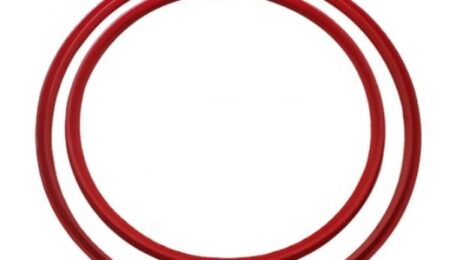
A T seal, also known as a T-shaped seal, is a type of sealing solution commonly used in hydraulic and pneumatic systems. It is designed to create a barrier that prevents fluid or air from leaking, ensuring that machinery operates efficiently. The T shape allows for a secure fit in grooves, making them ideal for various mining machinery applications.
Importance of T Seals in Mining Machinery
T seals are vital in mining machinery for several reasons: they reduce the risk of contamination, improve equipment longevity, and minimize downtime caused by leaks. By maintaining a properly sealed system, mining operations can enhance performance and productivity.
Types of T Seals
There are several types of T seals used in mining machinery, including:
- Hydraulic T Seals: Specifically designed for hydraulic applications, these seals prevent fluid leakage and support high-pressure environments.
- Pneumatic T Seals: Used in air-operated systems, these seals offer excellent performance in preventing air leaks.
- Custom T Seals: Tailored to fit specific machinery requirements, custom T seals may be produced using various materials like rubber or polyurethane.
Materials Used in T Seals
The longevity and efficiency of T seals heavily rely on the materials used in their manufacturing. Common materials include:
- Rubber: Offers flexibility and resistance to various chemicals and temperatures.
- Polyurethane: Known for its durability and resistance to wear and tear.
- PTFE (Polytetrafluoroethylene): Provides excellent chemical resistance and low friction properties.
Applications of T Seals in Mining Machinery
T seals are used in a variety of mining machinery components, including:
- Hydraulic Cylinders: T seals help maintain pressure and prevent fluid leaks in hydraulic cylinders.
- Pneumatic Actuators: In pneumatic systems, T seals ensure air-tightness and enhance efficiency.
- Mining Equipment Gearboxes: T seals protect gears from dust and contaminants, improving their lifespan.
Installation of T Seals
Proper installation of T seals is crucial for ensuring their effectiveness. Here are the steps to follow:
- Clean the Groove: Ensure the sealing groove is free from debris and contaminants.
- Check Dimensions: Verify that the T seal dimensions match the application requirements.
- Align the Seal: Carefully position the T seal in the groove, ensuring it fits securely.
- Install Retaining Components: If applicable, install any retaining rings or components to hold the T seal in place.
Maintenance Tips for T Seals
Regular maintenance can extend the lifespan of T seals and enhance their performance. Consider the following tips:
- Inspect Regularly: Check for signs of wear and tear or leaks periodically.
- Replace When Necessary: If a T seal shows significant damage, replace it promptly to avoid equipment failure.
- Maintain Cleanliness: Keep the sealing area clean to prevent contamination.
Common Issues with T Seals
Some common issues related to T seals in mining machinery include:
- Leakage: Often caused by improper installation or wear over time.
- Poor Fit: Using incorrect size or shape seals might lead to inadequate sealing.
- Material Degradation: Exposing T seals to harsh chemicals or extreme temperatures can result in material breakdown.
Frequently Asked Questions (FAQ)
1. What are T seals used for in mining machinery?
T seals are used to prevent fluid and air leaks in hydraulic and pneumatic systems, ensuring efficient operation of mining machinery.
2. How do I know when to replace a T seal?
Signs such as visible wear, leaking fluids, and decreased equipment efficiency are indicators that a T seal may need replacement.
3. Can T seals be reused?
It is generally recommended to replace T seals rather than reuse them, as reinstallation may compromise their sealing ability.
4. What materials are T seals made from?
T seals are typically made from rubber, polyurethane, or PTFE depending on the application requirements and environment.
5. How do I install a T seal?
To install a T seal, clean the groove, check dimensions, align the seal, and install any retaining components to secure it in place.
Conclusion
In conclusion, T seals are vital components in mining machinery and spare parts, playing an essential role in maintaining operational efficiency by preventing leaks. Understanding the different types, materials, applications, and maintenance tips related to T seals can help mining operators make informed decisions and ensure machinery longevity.
LSI and NLP Keywords:
- Mining equipment seals
- Hydraulic seals
- Pneumatic seals
- Sealing solutions
- Mine machinery parts
- T-shaped gasket
- Wear resistance
- Seal installation
- Seal maintenance
- Fluid leakage prevention
- Mining operations
- Heavy machinery components
- T seal specifications
- Gasket performance
- Sealing technology
- Published in Products
The Ultimate Guide to U Seals in Mining Machinery and Spare Parts
The Ultimate Guide to U Seals in Mining Machinery and Spare Parts
Introduction to U Seals
U seals, also known as U-rings or U-shaped seals, play a crucial role in the functionality of mining machinery and their spare parts. These seals are designed to prevent leakage and contaminants from entering critical machinery components, thereby enhancing performance and longevity in harsh mining environments.
Types of U Seals Used in Mining Machinery
Standard U Seals
Standard U seals are made from various materials, including rubber, polyurethane, and metal. They are widely used due to their versatility and ease of installation.
Custom U Seals for Specialized Equipment
Many mining operations require custom U seals tailored to specific equipment needs. These seals are engineered to withstand unique pressure and temperature conditions.
The Importance of U Seals in Mining Equipment
U seals play a vital role in ensuring the reliability of mining machinery. They help to:
- Prevent fluid leakages
- Minimize wear and tear on machinery
- Reduce maintenance costs
- Enhance operational efficiency
Common Applications of U Seals in Mining Machinery
U seals are commonly found in various mining machinery, including:
- Excavators
- Loaders
- Drills
- Conveyors
- Dump trucks
Choosing the Right U Seal for Your Equipment
Factors to Consider
When selecting U seals for mining machinery, consider the following factors:
- Operating temperature and pressure
- Material compatibility
- Size and design specifications
How to Measure U Seals
Accurate measurement is critical in choosing the right U seal. Key parameters include inner diameter, outer diameter, and cross-sectional thickness.
Installing U Seals in Mining Equipment
Preparation for Installation
Before installation, it is essential to clean the sealing surfaces thoroughly to avoid contamination that could lead to seal failure.
Step-by-Step Installation Guide
- Remove the old seal carefully.
- Inspect the sealing surface for damage.
- Lubricate the new U seal.
- Place the U seal into its groove.
- Ensure the seal is evenly seated on all sides.
Maintenance of U Seals in Mining Machinery
Regular Inspection
Regular inspection of U seals is vital. Look for signs of wear, cracking, or contamination.
Replacing Worn-Out U Seals
Timely replacement of worn-out seals can prevent catastrophic failure of machinery and costly downtime.
FAQs about U Seals
What are U Seals?
U seals are a type of sealing device used in various applications, including mining machinery, to prevent fluid leakage.
How do U Seals work?
U seals work by creating a barrier between moving components, ensuring that fluids stay contained within the machinery.
What materials are U Seals made from?
U seals can be made from rubber, polyurethane, and other materials, depending on the application requirements.
How can I tell if a U Seal is damaged?
Signs of a damaged U seal include visible wear, leaks around the seal, or unusual noise from the machinery.
When should I replace U Seals?
U seals should be replaced at the first sign of wear or damage to avoid equipment failure.
Conclusion
Understanding U seals and their importance in mining machinery is essential for maintaining operational efficiency and reducing unexpected downtimes. Proper selection, installation, and maintenance of U seals can greatly impact the performance and lifespan of the machinery.
LSI and NLP Keywords
- Mining machinery parts
- Seal specifications
- Hydraulic seals
- Pneumatic seals
- Equipment maintenance
- Fluid containment
- Mining operations
- Gasket technology
- Sealing solutions
- Preventative maintenance
- Seal failure
- OEM parts
Additional Keywords Related to U Seals
- U-ring installation
- U-seal replacement
- U-seal chemical resistance
- U-seal dimensions
- U-seal performance
- Seal compatibility
- Mining industry standards
- Mining equipment efficiency
- Types of gaskets
- Published in Products
The Essential Role of Head Bolts and Lock Bolts in Mining Machinery: Understanding Their Importance and Functionality
The Essential Role of Head Bolts and Lock Bolts in Mining Machinery
Mining machinery plays a crucial role in the extraction of valuable minerals and resources from the earth. Within this machinery, components like head bolts and lock bolts are essential for ensuring structural integrity and operational safety. This article explores the significance, types, and applications of head bolts and lock bolts in mining machinery, while also providing insights into mining machinery spare parts.
Understanding Head Bolts
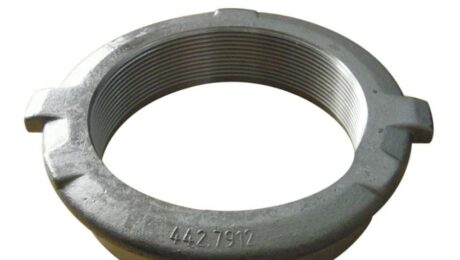
Head bolts are specialized fasteners that secure components together in heavy machinery, particularly in the harsh environments found in mining operations. These bolts feature a head that prevents them from being fully embedded, providing a strong hold.
Types of Head Bolts
- Hex Head Bolts: Commonly used for their strength and availability.
- Flanged Head Bolts: Help distribute load evenly.
- Socket Head Bolts: Ideal for tight spaces in mining equipment.
The Function of Lock Bolts
Lock bolts are designed to prevent loosening due to vibration and operational stress. They are critical in ensuring that assembly remains tight, especially in dynamic environments such as mining.
Advantages of Lock Bolts
- Prevents Vibration Loosening: Reduces the risk of failure.
- Easy Installation: Can be installed with standard tools.
- Strong and Durable: Suitable for heavy-duty applications.
Applications of Head Bolts and Lock Bolts in Mining Machinery
Both head bolts and lock bolts have various applications in mining machinery, including:
- Drilling Equipment: Essential for securing drill components.
- Excavators: Critical in maintaining the stability of the machinery.
- Dump Trucks: Keeping structural elements tightly secured.
- Crushers and Screens: Ensures operational efficacy.
Choosing the Right Fasteners for Mining Equipment
Selecting the appropriate head bolts and lock bolts is essential for the longevity and performance of mining machinery. Consider factors such as material, size, and load capacity.
Materials Used in Head Bolts and Lock Bolts
Common materials include:
- Steel: Provides excellent strength and durability.
- Stainless Steel: Offers resistance to corrosion in harsh environments.
- Alloy Steel: Enhances toughness and resistance to wear.
Maintenance Tips for Head Bolts and Lock Bolts
Proper maintenance of fasteners in mining machinery is crucial for safety and efficiency. Regular checks for wear, corrosion, and tightness can prevent machinery failure.
Signs of Wear and Tear
- Visible Corrosion: Indicates the need for replacement.
- Loose Components: Suggests inspection and retightening.
- Cracked or Damaged Bolts: Must be replaced immediately.
Cost Considerations for Head Bolts and Lock Bolts
When budgeting for mining machinery maintenance, understanding the costs of replacing head bolts and lock bolts is important. While initial costs may seem high, they can prevent costly downtime.
FAQs
What are head bolts?
Head bolts are fasteners used to hold parts together securely in machinery, crucial in mining operations.
How do lock bolts work?
Lock bolts prevent loosening under vibration and operational stresses, ensuring parts remain tightly fastened.
What materials are commonly used for head bolts and lock bolts?
Common materials include steel, stainless steel, and alloy steel, which provide strength and durability.
Why is maintenance of head bolts and lock bolts important?
Regular maintenance prevents machinery failure and enhances operational efficiency by ensuring all components remain secure.
Where can I purchase head bolts and lock bolts for mining machinery?
Head bolts and lock bolts can be purchased from specialized industrial suppliers, online marketplaces, and equipment manufacturers specializing in mining machinery.
Conclusion
In conclusion, head bolts and lock bolts are integral to the functionality and safety of mining machinery. Understanding their roles, applications, and maintenance can significantly enhance the operational lifespan and performance of equipment. Investing in quality fasteners and conducting regular inspections will contribute to the overall efficiency of mining operations.
- Published in Products
The Ultimate Guide to Anti Clogging Screen Meshes for Mining Machinery

The Ultimate Guide to Anti Clogging Screen Meshes for Mining Machinery
In the mining industry, efficiency and productivity are paramount. One of the essential components that can significantly impact these factors is the use of anti clogging screen meshes. In this comprehensive guide, we will delve into everything you need to know about anti clogging screen meshes, their applications, benefits, types, and how they enhance the performance of mining machinery.
What Are Anti Clogging Screen Meshes?
Anti clogging screen meshes are specialized filtering devices designed to minimize or eliminate the clogging of materials during the screening process in mining machinery. These meshes play a critical role in the separation of valuable minerals from waste material, ensuring optimal performance and reducing operational downtime.
Importance of Anti Clogging Screen Meshes in Mining
The role of anti clogging screen meshes in mining machinery cannot be overstated. By preventing material buildup and ensuring consistent material flow, these meshes contribute to:
- Increased productivity and efficiency in operations.
- Reduced maintenance and downtime costs associated with clogged machinery.
- Enhanced quality of separated materials.
- Longer lifespan of mining equipment.
How Anti Clogging Screen Meshes Work
Anti clogging screen meshes utilize advanced engineering and material technology to prevent clogging. They feature unique designs and materials that allow for efficient flow while minimizing blockages. Some common characteristics include:
- Open mesh designs that promote material flow.
- Flexible materials that adapt to varying material sizes and types.
- Self-cleaning properties that help to prevent material adhesion.
Types of Anti Clogging Screen Meshes
There are several types of anti clogging screen meshes used in mining operations, including:
1. Polyurethane Screen Meshes
Polyurethane mesh is known for its durability and flexibility, making it ideal for handling abrasive materials.
2. Stainless Steel Screen Meshes
Stainless steel meshes provide excellent strength and resistance to corrosion, suitable for harsh mining environments.
3. Wire Mesh Screens
Traditional wire mesh screens can be engineered to include anti clogging features, offering versatility in mining applications.
4. Modular Screen Panels
Modular panels allow for easy replacement and customization based on specific operational requirements.
Benefits of Using Anti Clogging Screen Meshes
Integrating anti clogging screen meshes in your mining operations offers numerous benefits, including:
- Enhanced Operational Efficiency: These meshes facilitate a smoother material flow, reducing downtime.
- Cost Savings: Lower maintenance costs due to reduced clogging and longer service life of mining equipment.
- Improved Resource Recovery: More efficient separation processes lead to higher recovery rates of valuable minerals.
Choosing the Right Anti Clogging Screen Mesh
Selecting the appropriate anti clogging screen mesh is critical for optimizing mining operations. Consider the following factors:
- Material Type: Assess the type of materials being processed.
- Aperture Size: Choose the correct mesh size for optimal material separation.
- Durability and Strength: Ensure the mesh can withstand harsh mining conditions.
Installation and Maintenance of Anti Clogging Screen Meshes
Proper installation and maintenance of anti clogging screen meshes are vital for their effectiveness. Follow these guidelines:
- Ensure accurate measurements for the installation site.
- Regularly inspect the meshes for wear and tear.
- Implement a cleaning schedule to maintain optimal performance.
Applications of Anti Clogging Screen Meshes in Mining Machinery
Anti clogging screen meshes find applications in various mining processes, such as:
- Crushing and Screening: Used in jaw and cone crushers and vibrating screens.
- Washing: Applied in mineral washing plants to facilitate separation.
- Gravity Separation: Enhances the efficiency of jigs and spirals.
Frequently Asked Questions (FAQ)
1. What is the main purpose of anti clogging screen meshes?
Anti clogging screen meshes are designed to prevent material blockage in mining machinery, ensuring a smooth flow during the screening process.
2. How do I choose the right anti clogging screen mesh for my operation?
Consider factors like material type, aperture size, and durability when selecting the right mesh for your needs.
3. What are the benefits of using polyurethane screen meshes?
Polyurethane screen meshes offer high durability, flexibility, and excellent anti-clogging properties, making them ideal for abrasive materials.
4. How can I maintain my anti clogging screen meshes?
Regular inspections, timely replacements, and a scheduled cleaning routine are essential for maintaining anti clogging screen meshes.
5. Are stainless steel meshes more effective than wire meshes?
While both have their advantages, stainless steel meshes typically offer better corrosion resistance and longer lifespan in harsh conditions compared to traditional wire meshes.
Conclusion
In conclusion, anti clogging screen meshes are indispensable components in the mining machinery landscape. Their ability to enhance performance, reduce downtime, and improve resource recovery makes them a critical investment for mining operations. By understanding the types, benefits, and maintenance of these meshes, operators can ensure maximum efficiency and productivity in their processes.
- Published in Products
Comprehensive Guide to Screen Meshes in Mining Machinery and Spare Parts
Comprehensive Guide to Screen Meshes in Mining Machinery and Spare Parts
Screen meshes are crucial components used in various types of mining machinery and equipment, serving as filters and separators in the mining industry. This guide dives deep into screen meshes, their types, applications, materials, and role in enhancing mining operations.
What are Screen Meshes?
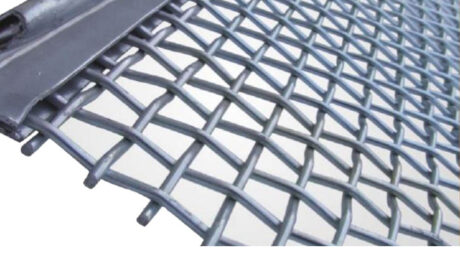
Screen meshes are fabricated from various materials to create a mesh structure that allows for the separation of particles by size. They are commonly used in crushers, vibratory screens, and sieves, playing a critical role in ensuring efficient material handling and processing.
Types of Screen Meshes in Mining
There are several types of screen meshes, each designed for specific applications in mining machinery:
- Woven Wire Mesh: Traditional and widely used, made of high tensile wire.
- Polyurethane Screen Mesh: Durable and flexible, resistant to wear and corrosion.
- Relief Screens: Used for safe and effective filtering of fine materials.
- Rubber Screen Mesh: Offers excellent abrasion resistance and noise reduction.
- Stainless Steel Screen Mesh: Highly resistant to corrosion and extreme temperatures.
Key Materials Used in Screen Meshes
The choice of material for screen meshes significantly influences their performance and lifespan:
- High Carbon Steel: Provides high tensile strength optimum for vibratory applications.
- Stainless Steel: Offers superior durability, corrosion resistance, and longevity.
- Polyurethane: Known for its flexibility and resistance to various chemicals.
Applications of Screen Meshes in Mining Machinery
Screen meshes are critical in many stages of mining operations:
- Crushing and Screening: For efficient separation of materials based on size.
- Material Handling: Helps in transporting and sorting various mined materials.
- Fine Filtering: Specifically utilized in the extraction of fine materials.
Choosing the Right Screen Mesh for Your Machinery
Selecting the appropriate screen mesh involves considering factors such as:
- Material Type: Different materials require specific mesh types for optimal results.
- Mesh Size: The size of the openings dictates the particle size that can pass through.
- Durability: Consider the wear and tear associated with the particular mining operation.
- Cost: Balance between performance and economic feasibility is essential.
Maintenance of Screen Meshes
To ensure longevity and optimal performance, regular maintenance of screen meshes is vital. This includes:
- Regular inspection for wear and tear.
- Cleaning of any obstructions or buildup.
- Prompt replacement of damaged meshes.
Screen Meshes and Compliance in Mining Operations
Screen meshes must comply with safety and quality regulations in the mining industry. Understanding compliance standards is essential for successful operations.
FAQs
What are the common materials used for screen meshes?
Common materials include high carbon steel, stainless steel, and polyurethane.
How often should screen meshes be replaced?
Replacement frequency varies, depending on mining conditions and usage, but regular inspections should determine the need for replacement.
Can screen meshes be customized?
Yes, screen meshes can be customized in terms of size and material to fit specific machinery and operational requirements.
What is the significance of mesh size?
Mesh size is crucial as it determines the particle size that can be filtered out in processing.
Conclusion
Screen meshes are indispensable components in mining machinery, affecting the efficiency and effectiveness of various operations. Understanding their types, materials, and applications is essential for optimizing mining processes.
LSI and NLP Keywords
Mining equipment, spare parts, mining industry, material separation, vibratory screens, filtration, woven mesh, polyurethane, stainless steel mesh, rubber screen, maintenance, mesh specifications, durability, mining compliance, particle size, equipment efficiency, mining operations, machinery parts.
- Published in Products
The Ultimate Guide to Feed Eye Rings in Mining Machinery: Everything You Need to Know
The Ultimate Guide to Feed Eye Rings in Mining Machinery: Everything You Need to Know
The mining industry relies heavily on high-quality machinery and spare parts to ensure efficiency, safety, and productivity. Among these essential components, the feed eye ring plays a pivotal role in the overall performance of mining machines. In this comprehensive guide, we will delve into the importance of feed eye rings, their types, applications, maintenance tips, and how they fit into the broader context of mining machinery and spare parts.
What is a Feed Eye Ring?
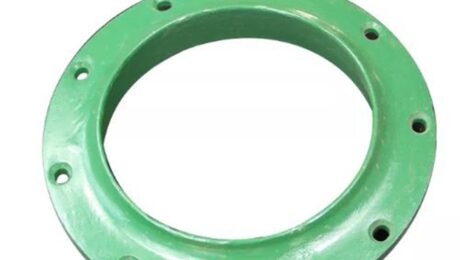
A feed eye ring is a crucial component found in various mining machinery systems, particularly in crushers and milling equipment. Its primary function is to direct the flow of materials into the processing equipment, ensuring that materials are fed consistently and efficiently. This component significantly impacts the overall throughput and performance of mining operations.
Types of Feed Eye Rings
Feed eye rings come in various designs and materials, each tailored for specific applications within the mining industry. The most common types include:
- Standard Feed Eye Rings: Typically made from high-strength steel, designed for general use in various mining applications.
- Heavy-Duty Feed Eye Rings: Reinforced to withstand harsh conditions, ideal for heavy-duty machinery operating in extreme environments.
- Custom Feed Eye Rings: Specifically engineered to meet the unique requirements of certain machines or processes.
Applications of Feed Eye Rings in Mining Machinery
Feed eye rings are utilized in numerous mining processes, including:
- Crushing: Assisting in the feed of materials into crushers.
- Milling: Directing material flow into milling machines for grinding.
- Screening: Aiding in the efficient separation of materials during the screening process.
How Feed Eye Rings Impact Mining Efficiency
The design and functionality of feed eye rings directly influence mining operations. A well-designed feed eye ring ensures:
- Consistent material flow, reducing downtime caused by blockages.
- Enhanced equipment longevity by minimizing wear and tear.
- Improved safety by preventing mishaps caused by material overflow or misfeeds.
Maintaining Feed Eye Rings
Proper maintenance of feed eye rings is essential to maximize their lifespan and performance. Consider the following maintenance tips:
- Regular inspection for wear and damage.
- Timely replacement of worn or damaged feed eye rings.
- Cleaning to prevent buildup and ensure optimal flow.
Choosing the Right Feed Eye Ring for Your Machinery
Selecting the appropriate feed eye ring involves considering several factors:
- Machine Compatibility: Ensure the feed eye ring fits your specific machinery model.
- Material Quality: Opt for high-quality materials that can withstand your operational demands.
- Supplier Reputation: Choose reputable suppliers known for quality spare parts.
Common Issues with Feed Eye Rings
Some common issues faced with feed eye rings include:
- Wear and Tear: Continuous usage can lead to deterioration.
- Misalignment: Can result in inefficient material feeding.
- Cracking: Especially in heavy-duty applications due to stress.
Replacement of Feed Eye Rings
Replacing a feed eye ring can seem daunting but is straightforward if conducted properly. Follow these steps:
- Shut down the machinery and disconnect power.
- Remove the old feed eye ring by unfastening any bolts or fixtures holding it in place.
- Install the new feed eye ring, ensuring proper alignment and fastening.
- Test the machinery to confirm the correct function of the feed eye ring.
Cost Considerations for Feed Eye Rings
The cost of feed eye rings can vary based on material, design, and manufacturer. It’s crucial to balance quality with cost to ensure both performance and budgetary considerations are met.
Feed Eye Ring FAQs
What is the primary function of a feed eye ring?
The primary function of a feed eye ring is to direct the flow of materials into mining machinery, ensuring efficient feeding into crushers and mills.
How often should feed eye rings be replaced?
Feed eye rings should be inspected regularly and replaced as soon as wear or damage is detected to maintain optimal equipment performance.
What materials are feed eye rings made from?
Feed eye rings are commonly made from high-strength steel, but they can also be made from other durable materials depending on the specific application and operating conditions.
Can I use aftermarket feed eye rings instead of OEM parts?
While aftermarket feed eye rings may provide cost savings, ensure they meet the required specifications and quality standards to avoid compromising machinery performance.
What are the signs of a failing feed eye ring?
Signs of a failing feed eye ring include unusual noises, reduced efficiency in material feeding, and visible wear or damage to the component.
Conclusion
In conclusion, the feed eye ring is an indispensable component of mining machinery, significantly influencing the efficiency and safety of mining operations. By understanding its function, types, and maintenance practices, mining operators can ensure that their equipment performs at its best. Regular monitoring, timely replacements, and selecting high-quality parts are key to maximizing productivity and reducing downtime in the mining industry.
Additional LSI and NLP Keywords
mining equipment, spare parts, mining machinery components, crusher spare parts, milling machine accessories, material flow, machine efficiency, mining operations, wear and tear prevention, heavy-duty mining machinery, custom machinery parts, replacement parts for mining, mining safety, material handling, machinery maintenance, industrial mining equipment, mining spare parts suppliers, high-performance feed rings, durable mining components, mining manufacturing technology.
- Published in Products
All About Feed Tubes in Mining Machinery and Spare Parts

All About Feed Tubes in Mining Machinery and Spare Parts
Mining machinery plays a crucial role in the extraction of resources, and one essential component of this equipment is the feed tube. This article will explore everything related to feed tubes, including their functions, types, maintenance, and the importance of spare parts in mining machinery.
What is a Feed Tube?
A feed tube is a critical component in various mining machinery. It is designed to transport material efficiently from one part of the machine to another, ensuring that operations run smoothly and efficiently. Without a functional feed tube, the entire operation can be jeopardized.
Functions of Feed Tubes in Mining Machinery
Feed tubes have several important functions in mining operations:
- Efficient Material Transfer: Feed tubes are designed to facilitate the quick and efficient transfer of materials such as ore, rock, and minerals.
- Diversifying Material Flow: In some machinery, feed tubes help to distribute materials evenly across various processing units.
- Reducing Wear and Tear: Properly designed feed tubes can minimize the wear and tear on equipment by providing a smooth passage for materials.
Types of Feed Tubes
There are various types of feed tubes used in different mining machinery:
- Rubber Feed Tubes: Flexible and resistant to wear and tear, ideal for various conditions.
- Stainless Steel Feed Tubes: Corrosion-resistant and durable, perfect for harsh environments.
- Polyurethane Feed Tubes: Provide excellent wear characteristics and are often used in abrasive material handling.
Common Issues with Feed Tubes in Mining Machinery
While feed tubes are robust, they can encounter several issues in mining operations:
- Blockages: Over time, feed tubes can become blocked with material, resulting in operational delays.
- Wear and Tear: Continuous use can lead to deterioration, requiring timely replacement.
- Corrosion: In conditions where moisture and chemicals are present, feed tubes can experience corrosion, which can compromise their integrity.
Importance of Maintaining Feed Tubes
Regular maintenance of feed tubes is essential for ensuring the longevity and efficiency of mining machinery. Here are some maintenance tips:
- Regular Inspections: Routinely check feed tubes for signs of wear and blockages.
- Replace Worn-Out Parts: Always keep spare feed tubes on hand to replace any that have become worn or damaged.
- Cleaning: Frequently clean feed tubes to prevent material buildup that could lead to blockages.
Feed Tube Spare Parts
Having access to high-quality spare parts for feed tubes is crucial. Spare parts ensure that machinery can be repaired quickly, minimizing downtime. Common spare parts for feed tubes include:
- Replacement Feed Tubes: Ensures operational continuity.
- Seals and Gaskets: Prevent leaks and material loss.
- Fasteners: Secure feed tubes properly to prevent vibrations and displacements during operation.
Choosing the Right Feed Tube for Your Application
Selecting the appropriate feed tube is essential for maximizing efficiency. Consider the following factors:
- Material Types: Choose a feed tube that can handle the specific types of materials being processed.
- Diameter and Length: Ensure that the dimensions match the machinery specifications for optimal performance.
- Operating Conditions: Evaluate conditions such as temperature, pressure, and moisture levels to select the suitable feed tube.
FAQs About Feed Tubes in Mining Machinery
What is a feed tube?
A feed tube is a component of mining machinery that transports materials from one area to another for processing.
What are the common materials used for feed tubes?
Common materials include rubber, stainless steel, and polyurethane, each suited for different applications.
How can I maintain my feed tube?
Regular inspections, cleaning, and timely replacements of worn parts are key to maintaining feed tubes.
What signs indicate that a feed tube needs replacement?
Signs like blockages, visible wear and tear, and corrosion indicate it’s time for a replacement.
Why are spare parts for feed tubes essential?
Spare parts are crucial for minimizing downtime and ensuring continuous operations by allowing quick repairs.
Conclusion
In conclusion, understanding feed tubes in mining machinery is vital for maintaining efficiency and productivity. Regular maintenance and access to quality spare parts ensure that operations in the mining industry run smoothly. By prioritizing the care of feed tubes, mining companies can significantly reduce operational disruptions and maximize output.
LSI and NLP Keywords Related to Feed Tube
- Mining equipment
- Spare parts for mining machinery
- Material handling
- Mining operations
- Mining machinery maintenance
- Material transport
- Mining industry standards
- Components of mining machinery
- Durability in mining machinery
- Replacement feed tubes
- Feed tube specifications
- Mining machinery parts suppliers
- Mining industry challenges
- Feed tube manufacturing
- Efficiency in mining
- Conveyor systems
- Aggregate handling
- Wear-resistant materials
- Published in Products
The Complete Guide to Wear Plates in Mining Machinery and Spare Parts

The Complete Guide to Wear Plates in Mining Machinery and Spare Parts
Wear plates are essential components in mining machinery, serving as protective barriers against wear and tear. In this comprehensive guide, we will explore the significance, types, applications, benefits, and maintenance of wear plates within the context of mining machinery and spare parts.
What Are Wear Plates?
Wear plates are thick slabs made from durable materials that are designed to absorb impact and friction forces in various types of machinery. In mining, they play a crucial role in ensuring the longevity and efficiency of equipment.
Types of Wear Plates
1. Steel Wear Plates
Steel wear plates are commonly used due to their high strength and durability. They are suited for heavy-duty applications.
2. UHMWPE Wear Plates
Ultra High Molecular Weight Polyethylene (UHMWPE) wear plates are lightweight and resistant to chemicals, making them ideal for specific mining environments.
3. Ceramic Composite Wear Plates
Ceramic composite wear plates offer enhanced wear resistance and are used in high-abrasion areas.
4. Rubber Wear Plates
Rubber wear plates reduce the noise and vibration of machinery, providing a softer landing for components subject to impact.
Applications of Wear Plates in Mining Machinery
1. Excavators
Wear plates are frequently installed on excavator buckets to protect them from wear.
2. Crushers
In crushers, wear plates help safeguard components from the intense abrasion caused by rock crushing.
3. Conveyors
Wear plates extend the life of conveyor systems by reducing friction and preventing material buildup.
4. Loaders
Loaders benefit from wear plates that minimize wear on bucket edges, enhancing performance.
Benefits of Using Wear Plates
1. Extended Equipment Life
Wear plates significantly extend the life of mining machinery, reducing the frequency of replacements.
2. Cost-Efficiency
By protecting critical components, wear plates contribute to lower maintenance costs and increased productivity.
3. Improved Performance
Optimized wear plates enhance the overall performance of mining equipment.
4. Safety Enhancements
Wear plates help prevent machinery failure, promoting a safer working environment.
How to Choose the Right Wear Plate
Certain factors should be considered when selecting wear plates, such as:
- Type of machinery
- Environmental conditions
- Type of material being processed
- Budget considerations
Installation of Wear Plates
Proper installation is crucial for maximizing the benefits of wear plates. Here are steps to install wear plates accurately:
- Disconnect the machinery and clear the area.
- Remove old wear plates, if applicable.
- Clean the mounting surface thoroughly.
- Align the wear plate with the designated mounting holes.
- Securely fasten the wear plate using the appropriate hardware.
- Perform a safety check before reactivating the machinery.
Maintenance of Wear Plates
Regular maintenance is essential to ensure the longevity of wear plates. Key maintenance tips include:
- Frequent inspections for wear and tear.
- Promptly replacing damaged wear plates.
- Cleansing surfaces to eliminate debris buildup.
- Lubricating moving parts to reduce friction.
Common Questions About Wear Plates
1. What is the lifespan of a wear plate?
The lifespan varies based on usage and material but can range from months to years.
2. Can wear plates be repaired?
Depending on the type of material and extent of damage, some wear plates can be repaired.
3. What materials are wear plates made from?
Wear plates can be made from steel, UHMWPE, rubber, and ceramic composites.
4. How can I tell if a wear plate needs replacing?
Look for visible signs of wear, cracks, or structural damage to determine if replacement is necessary.
5. Are wear plates expensive?
While the initial investment may be high, the long-term savings in maintenance make them cost-effective.
Conclusion
Wear plates are invaluable assets in the mining machinery industry. With the right selection, proper installation and maintenance, they can significantly enhance the performance and durability of mining equipment. Investing in quality wear plates leads to optimized operations, higher safety standards, and reduced costs.
LSI and NLP Keywords Related to Wear Plates
- Mining Equipment
- Wear Resistance
- Spare Parts
- High-Performance Materials
- Maintenance Practices
- Mining Operations
- Worn Parts Replacement
- Abrasion Control
- Durable Machinery Components
- Mining Industry Standards
Word Cloud of Related Terms
- Impact Resistance
- Machinery Maintenance
- Hardened Steel
- Machinery Longevity
- Efficiency Boost
- Safety Features
- Cost-Effective Solutions
- Custom Wear Plates
- Proactive Maintenance
- Mining Machinery Performance
- Published in Products
Comprehensive Guide to Mining Machinery Distributors and Spare Parts

Mining Machinery Distributors: Your Essential Guide
Mining machinery is the backbone of the mining industry, facilitating the extraction of minerals and resources across various terrains. The distributors of mining machinery and spare parts play a crucial role in ensuring that mining operations run smoothly and efficiently.
1. Understanding the Role of a Mining Machinery Distributor
Mining machinery distributors act as vital links between manufacturers and end-users, providing essential equipment and support. They specialize in selling, leasing, and servicing diverse machinery used in mining operations.
2. Types of Mining Machinery
Mining machinery can be categorized into several types such as:
- Excavators
- Dump Trucks
- Drilling Machines
- Crushers
- Screening Equipment
- Conveyors
3. Importance of Spare Parts in Mining Machinery
Spare parts are essential for maintaining the longevity and efficiency of mining machinery. Distributors ensure the availability of high-quality spare parts that meet strict industry standards.
4. Finding the Right Mining Machinery Distributor
When choosing a distributor, it’s important to consider factors such as the range of products, customer service, and technical support. Research local and international distributors to find the best fit for your needs.
5. Factors to Consider When Choosing Spare Parts
Selecting the right spare parts is crucial for the optimal performance of your machinery. Consider compatibility, durability, and warranty as key factors in your purchasing decision.
6. The Future of Mining Machinery Distribution
With advancements in technology, the mining machinery industry is rapidly evolving. Distributors are investing in digital platforms for better accessibility and customer interaction.
7. Frequently Asked Questions (FAQ)
7.1 What is the role of a mining machinery distributor?
Mining machinery distributors facilitate the supply and maintenance of equipment required for mining operations.
7.2 How do I find a reliable distributor for mining machinery?
Research online, read reviews, and ask for recommendations from within the industry.
7.3 What types of machinery do distributors typically offer?
Distributors offer a variety of equipment including excavators, dump trucks, and drilling machines.
7.4 Why are spare parts important?
Spare parts are essential to ensuring that mining machinery operates efficiently and has a long service life.
7.5 How do I know which spare parts to buy?
Consult with the machinery manufacturer or a specialized distributor to ensure compatibility and quality.
8. LSI and NLP Keywords Related to ‘Distributor’
- Mining Equipment Supplier
- Machinery Parts Distributor
- Heavy Equipment Dealer
- Mining Equipment Parts
- Underground Mining Machinery Distributor
- Surface Mining Equipment
- Mining Suppliers
- Equipment Parts Supplier
- Heavy Machinery Parts
- Global Mining Solutions
- Industrial Machinery Distributor
9. Related Terms
- Mining Equipment
- Machinery Rental
- Aftermarket Parts
- Mining Operations
- Equipment Maintenance
- Mining Technology
- OEM Parts
- Mining Supply Chain
- Parts Catalog
- Global Mining Market
10. Conclusion
Choosing the right mining machinery distributor can significantly impact the efficiency and sustainability of your mining operations. Investing in quality machinery and reliable spare parts ensures that your business can maintain its competitive edge in a rapidly evolving industry.
- Published in Products
The Ultimate Guide to Feed Cone in Mining Machinery and Spare Parts
The Ultimate Guide to Feed Cone in Mining Machinery and Spare Parts
In the world of mining machinery, the feed cone plays a crucial role in enhancing the efficiency of operations. This article delves into the significance, types, and functions of feed cones, as well as their manufacturing processes and spare parts availability. Understanding feed cones is essential for optimizing mining equipment performance.
What is a Feed Cone?
The feed cone is a conical structure located at the top of certain types of mining machinery such as crushers, ball mills, and other processing equipment. Its primary function is to direct and regulate the flow of materials into the machinery, ensuring a consistent and steady feeding process.
Importance of Feed Cone in Mining Machinery
Feed cones are integral to maintaining operational efficiency in mining machinery. They help to:
- Enhance Material Flow: Ensuring smooth and consistent material input.
- Reduce Wear and Tear: Proper design minimizes wear on other components.
- Improve Crushing Efficiency: A well-functioning feed cone can optimize the crushing process.
- Promote Safety: Proper feeding reduces the risk of blockages and accidents.
Types of Feed Cones
Various types of feed cones are designed depending on specific machinery applications. Some common types include:
- Standard Feed Cones: General-purpose cones found in various crushers.
- Adjustable Feed Cones: Offer adjustable designs for optimal material flow.
- Wear-Resistant Feed Cones: Made from durable materials to withstand wear and tear.
- Heavy-Duty Feed Cones: Designed for high-capacity machines requiring robust components.
Materials Used in Manufacturing Feed Cones
Feed cones are constructed from various materials to enhance their durability and performance:
- High-Carbon Steel: Offers strength and durability.
- Chromium Alloy: Enhances wear resistance.
- Polyurethane: Lightweight and corrosion-resistant.
- Ceramic Materials: Exceptional wear resistance for specific applications.
Feed Cone Design Considerations
Designing a feed cone requires careful thought on several factors:
- Size and Capacity: The cone should match the machinery’s specifications and material size.
- Material Characteristics: Understanding the material to be processed for optimal design.
- Angle of Inclination: Affects material flow and processing efficiency.
- Maintenance Access: Design should allow for easy inspection and maintenance.
Manufacturing Process of Feed Cones
The manufacturing process of feed cones typically involves:
- Material Selection: Choosing the right materials for the application.
- Forming: Shaping the cone using cutting, bending, or molding techniques.
- Finishing: Applying treatments for wear resistance and enhancing durability.
- Quality Control: Ensuring all feed cones meet industry standards before distribution.
Feed Cone Spare Parts
Just like the machinery they support, feed cones may require maintenance and replacement over time. Common spare parts include:
- Wear Liners: Protect the feed cone from excessive wear.
- Adjustable Mechanisms: Allow for customization based on operational needs.
- Flanges and Mounting Components: Essential for secure installation.
Feed Cone Maintenance Tips
Proper maintenance of feed cones is vital for ensuring longevity and performance:
- Regular Inspections: Look for signs of wear or material buildup.
- Lubrication: Keep moving parts well-lubricated.
- Replace Worn Parts: Keep spare parts on hand for quick replacements.
- Monitor Material Flow: Ensure consistent feeding to prevent blockages.
FAQs About Feed Cones
What is a feed cone in mining machinery?
A feed cone is a conical structure that regulates the flow of materials into mining machinery, ensuring efficient processing.
How often should feed cones be replaced?
Replacement frequency depends on usage but regular inspections should be conducted to determine wear and need for replacement.
What materials are feed cones made from?
Feed cones are typically made from high-carbon steel, chromium alloy, polyurethane, or ceramic materials for durability.
Can feed cones be adjusted?
Yes, some feed cones are designed to be adjustable to optimize material flow based on operational needs.
What are the signs of a worn feed cone?
Signs may include unusual noise, reduced efficiency, or visible wear on the cone’s surface.
Conclusion
Understanding the importance and functionality of the feed cone is essential for anyone involved in the mining industry. By ensuring proper design, manufacturing, and maintenance, operators can maximize the efficiency and lifespan of their mining machinery. Regularly evaluating feed cones and investing in quality spare parts will contribute to smoother operations and reduced downtime.
LSI and NLP Keywords
- Mining equipment
- Ore processing
- Material handling
- Crusher feed systems
- Bulk material handling
- Spare parts for mining machinery
- Mining performance
- Chute design
- Feed efficiency
- Aggregate production
- Crushing machinery
- Mining maintenance
- Machinery optimization
- Feed systems in conveyors
- Mining machinery components
- Feed hoppers
- Process efficiency
- Operational reliability
- Heavy machinery parts
- Published in Products
