


The Essential Guide to Frame Liners in Mining Machinery

The Essential Guide to Frame Liners in Mining Machinery
Frame liners play a critical role in the operation and longevity of mining machinery. In this comprehensive guide, we delve into everything there is to know about frame liners, their significance, types, installation, maintenance, and more. This is a detailed exploration aimed at mining professionals, equipment manufacturers, and maintenance teams.
What is a Frame Liner?
A frame liner is an essential component of heavy mining machinery, primarily found in equipment such as crushers, screeners, and conveyors. They serve to protect the frame of the machine from wear and tear caused by the harsh mining environment.
Importance of Frame Liners in Mining Machinery
Frame liners help in:
- Reducing Wear: They absorb impact and friction, extending the lifespan of the machinery.
- Enhancing Performance: By maintaining the integrity of the frame, they ensure optimal operation of the mining equipment.
- Minimizing Downtime: Regularly replacing worn frame liners prevents unexpected breakdowns.
Types of Frame Liners
Frame liners come in various types, designed for specific machines and applications:
- Wear Frame Liners: Used in high-impact areas of equipment.
- Impact Frame Liners: Designed to absorb shock loads.
- Saddle Frame Liners: Fit in the saddle area of machinery.
Materials Used for Frame Liners
Frame liners are made using a variety of materials, tailored to the specific needs of the mining operation:
- Steel Liners: Common for their durability and strength.
- Rubber Liners: Used where noise reduction and flexibility are required.
- Composite Liners: Blends of materials providing unique benefits.
How to Select the Right Frame Liner
Selecting the correct frame liner is crucial for operational efficiency:
- Understand the Machine Specifications: Know the model and its unique requirements.
- Evaluate the Mining Environment: Consider factors like material type and operational conditions.
- Consult with Experienced Suppliers: Engage with experts to ensure the right choice.
Installation Guide for Frame Liners
Installing frame liners requires precision:
- Preparation: Clean the area and gather necessary tools.
- Alignment: Ensure the frame liner is aligned properly within the machinery.
- Fastening: Securely fasten the liner using appropriate bolts and tools.
Maintenance of Frame Liners
Regular maintenance is key to maximizing the life of frame liners:
- Inspection: Frequently check for signs of wear or damage.
- Replacement: Schedule timely replacements to avoid larger issues.
- Lubrication: Apply lubricants as recommended to reduce friction.
Common Issues with Frame Liners
Some common challenges faced in frame liners include:
- Cracking: Due to fatigue from continuous use.
- Misalignment: Improper installation leading to uneven wear.
- Corrosion: Especially in adverse environments.
How Frame Liners Impact Overall Mining Operations
The performance of frame liners directly affects the overall mining operation. Properly functioning liners lead to:
- Increased Production Rates: Efficient machinery operates more quickly.
- Cost Savings: Reduced replacement and repair costs.
- Worker Safety: Less wear leads to fewer mechanical failures.
FAQs about Frame Liners
What are frame liners used for in mining machinery?
Frame liners protect the structure of mining machinery from wear and tear experienced during operation.
How often should frame liners be replaced?
It depends on usage, but a regular inspection schedule should be established to determine their condition and inform timely replacements.
Are frame liners universal across all mining machines?
No, frame liners are typically specific to the machine type and model; always consult manufacturer specifications.
What materials are frame liners made from?
Common materials include steel, rubber, and various composites designed for specific applications and environments.
Can I install frame liners myself?
Yes, if you have the appropriate skills and tools, however, it is recommended to follow manufacturer guidelines or consult a professional.
Conclusion
Frame liners are non-negotiable elements in the performance and durability of mining machinery. Understanding their role, proper maintenance, and timely replacement can significantly enhance operational efficiency and safety in mining activities.
LSI and NLP Keywords:
- mining equipment
- heavy machinery
- wipe down
- machine maintenance
- mining operations
- spare parts
- productivity
- wear protection
- components
- distribution
- aftermarket parts
- machine components
- Published in Products
The Essential Guide to Nuts in Mining Machinery and Spare Parts

The Essential Guide to Nuts in Mining Machinery and Spare Parts
Introduction to Mining Machinery
Mining machinery plays a crucial role in the extraction of valuable minerals and resources from the earth. These machines are essential for both small-scale operations and large mining enterprises. Among the various components of these machines, nuts are vitally important.
Understanding Nuts in Mining Machinery
Nuts are critical elements that secure bolts and other fasteners in mining machinery. They maintain the structural integrity and functionality of the equipment used in harsh mining environments. In this section, we will discuss the types of nuts used in mining machinery.
Types of Nuts Used in Mining Machinery
- Hex Nuts: Commonly used due to their strength and reliability.
- Castle Nuts: Designed for applications where safety is a concern, incorporating a pin or wire for added security.
- Wing Nuts: These allow for easy manual adjustment and are used in applications where quick fastening is required.
- Lock Nuts: These nuts are designed to resist loosening under vibrational forces, critical in heavy-duty machinery.
The Importance of High-Quality Nuts in Mining Machinery
Ensuring the use of high-quality nuts in mining machinery is essential for operational safety and efficiency. This section emphasizes why quality matters.
Impact of Poor Quality Nuts
Using inferior nuts can lead to catastrophic equipment failures, resulting in costly downtime, repair expenses, and safety hazards. Therefore, investing in quality nuts is not merely a cost but a necessity.
Choosing the Right Nut for Your Machinery
Selecting the appropriate nut type is dependent on various factors such as load, torque requirements, and environmental conditions. We advise consulting with manufacturing specifications or an engineer to ensure compatibility.
Nuts and Mining Machinery Spare Parts
Mining machinery spare parts often require specific types of nuts for optimal performance. This section will look into the relationship between nuts and spare parts.
Common Spare Parts that Require Nuts
- Bolts: Most bolts will require compatible nuts to secure components.
- Sprockets: These often rely on nuts for assembly and adjustment.
- Gearboxes: Nuts are essential in securing components inside gearboxes.
Factors to Consider When Buying Nuts for Mining Machinery
When purchasing nuts for mining machinery, consider the following factors to ensure you are making an informed decision.
Material Type
The material of the nut is crucial. Common materials include steel, stainless steel, and alloys that can withstand the rigors of mining operations.
Size and Compatibility
Ensure that the size of the nuts matches the specifications of the bolts or fasteners they will be used with. Compatibility also involves thread size and configuration.
Certification and Standards
Look for nuts that meet industry standards and certifications to ensure quality and safety.
Where to Purchase Nuts for Mining Machinery
There are several sources where mining companies can purchase high-quality nuts.
Mining Machinery Manufacturers
Buy directly from manufacturers who produce machinery and spare parts.
Specialty Suppliers
Consider specialized suppliers who cater specifically to the mining industry.
Online Marketplaces
Many online platforms have extensive inventories of mining machinery components, including nuts.
FAQ Section
What are the types of nuts used in mining machinery?
Common types include hex nuts, castle nuts, wing nuts, and lock nuts, each serving specific functions.
Why are high-quality nuts essential in mining machinery?
High-quality nuts ensure safety, prevent equipment failure, and reduce downtime in mining operations.
How do I select the right nut for my mining machinery?
Choose nuts based on material, size, compatibility, and adherence to industry standards.
Where can I purchase nuts for mining machinery?
Nuts can be purchased from manufacturers, specialty suppliers, and online marketplaces.
Conclusion
The importance of nuts in mining machinery and spare parts cannot be overstated. They are essential for maintaining the functionality, safety, and durability of mining equipment. By choosing high-quality products and ensuring compatibility, mining operations can enhance their efficiency and reduce the risk of costly failures.
LSI and NLP Keywords Related to ‘Nut’
– Fasteners
– Mining Equipment
– Bolts
– Hardware
– Machinery Components
– Industrial Supplies
– Reliability
– Structural Integrity
– Safety Standards
– Equipment Maintenance
– Thread Types
– Heavy-Duty Applications
– Material Science
– Vibration Resistance
– Machinery Safety
– Assembly
– Mining Operations
– Component Durability
– Engineering Specifications
- Published in Products
The Essential Guide to Mining Machinery Bolts: Types, Functions, and Spare Parts

The Essential Guide to Mining Machinery Bolts: Types, Functions, and Spare Parts
Mining machinery is crucial for the successful extraction of minerals and resources from the earth. Among the various components that ensure the optimal functioning of mining machinery, bolts play a critical role. This article delves into the importance of bolts in mining machinery, their types, functions, and the significance of spare parts in maintaining operational efficiency.
Understanding Bolts in Mining Machinery
Bolts are essential fasteners that hold components together, ensuring structural integrity and performance. In the context of mining machinery, these components are subjected to extreme conditions, including heavy loads, vibrations, and abrasive materials. Therefore, selecting the right type of bolt is paramount for enhancing the longevity and efficiency of mining equipment.
Types of Bolts Used in Mining Machinery
There are several types of bolts utilized in mining machinery, including:
- Hex Bolts: Commonly used for general applications, hex bolts are versatile and easy to install.
- Eye Bolts: Used for lifting and rigging, eye bolts provide a secure point of attachment.
- U-Bolts: Shaped like a ‘U’, these bolts are used to attach pipes or cylindrical objects to flat surfaces.
- Carriage Bolts: Ideal for wood-to-metal connections, carriage bolts have a smooth, rounded head and a square section that locks into place.
- Anchor Bolts: Used specifically for anchoring machinery to a solid foundation, critical for stability.
- Stud Bolts: These bolts are threaded on both ends, providing flexibility in equipment design.
Material Types for Mining Machinery Bolts
The materials used to manufacture bolts significantly influence their performance:
- Carbon Steel: Offers good tensile strength and is commonly used in machinery.
- Stainless Steel: Provides excellent corrosion resistance, ideal for harsh mining environments.
- Alloy Steel: Enhances durability and performance under extreme stress.
- Bronze: Known for its anti-corrosive properties, often used in marine applications within mining.
Functions of Bolts in Mining Machinery
Bolts serve several critical functions in mining machinery:
- Joining Components: Bolts secure various components, ensuring they work together seamlessly.
- Enabling Adjustments: Many bolts allow for adjustments in machinery, optimizing performance.
- Facilitating Maintenance: Easily removable bolts simplify maintenance and parts replacement.
- Providing Stability: Properly installed bolts prevent machinery from shifting or vibrating during operation.
The Importance of Bolt Quality in Mining Machinery
The quality of bolts used in mining operations directly impacts machinery performance. Low-quality bolts can fail under stress, leading to equipment damage, production delays, and increased operational costs. Investing in high-quality bolts tailored for mining applications ensures enhanced safety and reliability.
Spare Parts for Mining Machinery Bolts
Having a reliable supply of spare parts, including bolts, is essential for maintaining mining machinery efficiency. An adequate inventory of spare bolts allows for quick replacements, minimizing downtime. Strategies for effectively managing spare parts include:
- Regular Inventory Checks: Keeping track of bolt usage and availability helps ensure replacements are on hand when needed.
- Quality Suppliers: Establishing relationships with reputable suppliers ensures access to high-quality bolts and parts.
- Maintenance Schedules: Regularly scheduled maintenance can catch potential issues before they become significant problems.
Common FAQs About Bolts in Mining Machinery
1. What types of bolts are commonly used in mining machinery?
Common types of bolts include hex bolts, eye bolts, U-bolts, carriage bolts, anchor bolts, and stud bolts. Each serves different purposes depending on the machinery design.
2. How do I select the right bolt for my mining machinery?
Selection should be based on the machinery’s specific requirements, including load capacity, environmental conditions, and the materials used in both the bolt and the machinery.
3. Why is bolt quality important in mining operations?
High-quality bolts are essential for safety and reliability. They withstand the harsh conditions of mining operations and prevent failures that can lead to costly breakdowns.
4. What should I consider when maintaining bolts in my mining machinery?
Maintenance should include regular inspections for wear and corrosion, timely replacements of damaged bolts, and ensuring proper torque specifications are met during installation.
5. How do I manage spare parts for mining machinery bolts?
Effective management involves regular inventory checks, establishing relationships with quality suppliers, and implementing maintenance schedules to keep track of parts and replacements.
Conclusion
In conclusion, bolts are an integral component of mining machinery, impacting performance, safety, and maintenance practices. Understanding the types, functions, and importance of high-quality bolts, along with effective spare part management, can significantly enhance the efficiency and safety of mining operations.
- Published in Products
The Ultimate Guide to Toggle Seats in Mining Machinery – Importance, Types, and Maintenance

The Ultimate Guide to Toggle Seats in Mining Machinery – Importance, Types, and Maintenance
Mining machinery plays a crucial role in the extraction and processing of minerals. Within this machinery, toggle seats are essential components that ensure efficient performance. This article aims to provide a comprehensive understanding of toggle seats used in mining machinery, including their importance, types, maintenance, and frequently asked questions.
What is a Toggle Seat?
A toggle seat is a specialized component found in various mining machinery, primarily in jaw crushers and impact crushers. Its primary function is to provide stability and support during the crushing process. The toggle seat accommodates the toggle plate, which plays a vital role in transferring motion and energy within the crushing mechanism.
Importance of Toggle Seats in Mining Machinery
Toggle seats are pivotal in ensuring optimal performance in mining equipment. They help maintain the structural integrity of the machinery, absorb vibrations, and facilitate the efficient crushing of materials. Most importantly, well-functioning toggle seats enhance the longevity of machines and minimize the need for frequent repairs.
Types of Toggle Seats
There are several types of toggle seats used in mining machinery, including:
- Fixed Toggle Seat: Provides a static support structure for toggle plates.
- Adjustable Toggle Seat: Allows for adjustments to accommodate wear and tear, ensuring optimal alignment.
- Steel Toggle Seat: Made from high-strength steel for enhanced durability and performance.
- Machined Toggle Seat: Precisely engineered for improved fit and function within the crushing equipment.
Materials Used for Toggle Seats
Toggle seats are typically made of high-quality materials such as:
- High-Carbon Steel: Known for its strength and resistance to wear.
- Alloy Steel: Offers enhanced toughness and durability under high stress.
- Composite Materials: Lightweight and resistant to corrosion, ideal for specific applications.
Factors Influencing the Selection of Toggle Seats
When choosing toggle seats for mining machinery, consider the following factors:
- Type of Material to be Crushed: Different materials may require different types of toggle seats.
- Machine Specifications: Ensure compatibility with existing machinery.
- Operating Conditions: Evaluate the environment in which the machinery will operate.
- Cost vs. Durability: Balance upfront costs with expected lifespan and maintenance needs.
Maintenance of Toggle Seats
Regular maintenance is essential for prolonging the lifespan of toggle seats. Key maintenance practices include:
- Routine Inspections: Regularly check for wear, cracks, and other signs of damage.
- Tightening Fasteners: Ensure that all bolts and screws are securely tightened to prevent movement.
- Lubrication: Apply appropriate lubricants to reduce friction between moving parts.
- Replacement: Schedule timely replacements of toggle seats to maintain optimal performance.
Common Issues with Toggle Seats
Toggle seats can experience various issues, including:
- Wear and Tear: Continuous operation can lead to degradation.
- Improper Alignment: Misalignment can cause uneven wear and excessive load.
- Cracking: In extreme conditions, toggle seats may crack, requiring immediate replacement.
Frequently Asked Questions about Toggle Seats
1. What is the purpose of a toggle seat in mining machinery?
The toggle seat provides support and stability for the toggle plate, facilitating the crushing action in machinery like jaw crushers.
2. How do I know when to replace a toggle seat?
Signs of wear, cracks, or improper alignment indicate that a toggle seat may need replacement.
3. What are toggle seats made of?
Toggle seats are typically made from high-carbon steel, alloy steel, or composite materials.
4. Can toggle seats be adjusted?
Yes, adjustable toggle seats allow for modifications to accommodate wear and ensure proper alignment.
5. How often should toggle seats be inspected?
It is recommended to inspect toggle seats regularly, especially after extended periods of operation.
Conclusion
Toggle seats are critical components of mining machinery that ensure efficient performance and longevity of the equipment. Understanding the types, materials, maintenance practices, and common issues associated with toggle seats can help mining operations run smoothly. Regular maintenance and timely replacements will ultimately contribute to the effectiveness and safety of mining machinery.
LSI and NLP Keywords
- Mining equipment
- Jaw crusher components
- Toggle plate support
- Crushing machinery
- Crusher maintenance
- Mining industry equipment
- Toggle mechanism
- Crusher spares
- Mining applications
- Industrial machinery parts
- High-performance toggle seats
- Durability of toggle seats
- OEM toggle seats
- Mining machinery efficiency
- Toggle seat specifications
- Vibrations in mining equipment
- Published in Products
The Importance of Toggle Plate in Mining Machinery and Spare Parts

Understanding the Toggle Plate in Mining Machinery
The toggle plate is an essential component in mining machinery, particularly in equipment such as crushers and jaw crushers. This part serves multiple functions, including acting as a safety device and controlling the operation of the machine. Its role cannot be overstated, as it ensures efficiency and durability in mining operations.
What is a Toggle Plate?
A toggle plate is a piece of steel that acts as a connector between the movable jaw and the fixed jaw. Its primary function is to transmit power and motion, allowing the crusher to crush materials effectively. Its size, material, and manufacturing process are crucial to its performance and longevity.
Key Functions of Toggle Plates
- Power Transmission: The toggle plate helps in transmitting the mechanical energy required to crush materials.
- Safety Mechanism: It serves as a weak point in the machinery, absorbing shock and preventing major damage in case of an overload.
- Adjustability: Toggle plates allow for the adjustment of the jaw space, controlling the output size of the crushed material.
Materials Used for Toggle Plates
Toggle plates are typically manufactured using durable materials such as cast iron, carbon steel, or high-manganese steel. The choice of material affects the performance, lifespan, and maintenance requirements of the toggle plate.
Types of Toggle Plates
There are primarily two types of toggle plates:
- Simple Toggle Plates: These are straight and primarily used for basic crushing operations.
- Compound Toggle Plates: These are more complex and allow for better movement and fewer mechanical failures.
Common Issues with Toggle Plates
Over time, toggle plates can experience wear and tear. Common issues include:
- Cracking or breaking due to excessive stress.
- Wear on the contact surfaces leading to inefficient crushing.
- Improper alignment, which can cause uneven wear and tear.
Maintenance of Toggle Plates
Regular maintenance is essential to prolonging the life of a toggle plate. Key maintenance practices include:
- Regular inspections for wear and damage.
- Lubrication of surrounding moving parts.
- Re-tightening bolts and screws to maintain proper tension.
Replacement of Toggle Plates
Knowing when to replace a toggle plate can save time and money. Signs include:
- Visible signs of cracking or significant wear.
- Decreased efficiency in crushing operations.
- Increased noises or unexpected vibrations while operating machinery.
Choosing the Right Toggle Plate
When selecting a toggle plate, consider the following factors:
- Material type based on the nature of materials being crushed.
- Compatibility with existing mining machinery.
- Manufacturer’s specifications and warranties offered.
Manufacturers of Toggle Plates
There are numerous manufacturers specializing in toggle plates and mining machinery spare parts. Some reputable companies include:
- Metso
- Pegson
- Kleemann
Frequently Asked Questions (FAQ) about Toggle Plates
What is the role of a toggle plate?
The toggle plate connects the movable jaw and fixed jaw, transmitting force, providing safety through its design, and allowing for adjustments in output size.
How often should toggle plates be replaced?
Toggle plates should be inspected regularly and replaced when noticeable wear, cracks, or decreased efficiency are observed.
What materials are toggle plates made from?
Toggle plates are typically made from cast iron, carbon steel, or high-manganese steel, chosen for their durability and performance characteristics.
Can toggle plates be repaired?
Minor wear may sometimes be repaired, but heavily damaged toggle plates are better replaced to ensure optimal machinery function.
What are the signs of a failing toggle plate?
Signs of a failing toggle plate include visible cracks, decreased crushing efficiency, unusual noises, and vibrations during operation.
Conclusion
The toggle plate in mining machinery is a vital component that contributes significantly to the efficiency and safety of operations. Understanding its function, maintenance needs, and signs of wear is crucial for any mining operation aiming for efficiency and long-term success. By selecting high-quality toggle plates and adhering to maintenance best practices, operators can enhance the longevity and productivity of their machinery.
- Published in Products
The Essential Guide to Countershaft Bushings in Mining Machinery

The Essential Guide to Countershaft Bushings in Mining Machinery
In the mining industry, various machinery components play crucial roles in ensuring efficient operations and maintaining equipment longevity. One such component is the countershaft bushing. Understanding the significance, application, and maintenance of countershaft bushings can help operators and mechanics maintain optimal performance in their mining machinery.
1. What is a Countershaft Bushing?
A countershaft bushing is a cylindrical component used in mining machinery, primarily in gear assemblies. Its purpose is to support the countershaft, facilitate smooth rotation, and reduce wear on the gear systems.
2. Importance of Countershaft Bushings
Countershaft bushings are vital for several reasons:
- Wear Reduction: They reduce friction between moving parts, which helps in extending the life of gears and shafts.
- Vibration Dampening: Bushings help absorb vibrations, which protects other machine components from damage.
- Alignment Maintenance: They ensure proper alignment of shafts, which is essential for smooth operation.
3. Types of Countershaft Bushings
Countershaft bushings come in various types depending on the application:
- Bronze Bushings: Known for excellent wear resistance, ideal for heavy-duty applications.
- Steel Bushings: More robust and effective in handling higher loads.
- Composite Bushings: Often used in environments requiring corroded resistance.
4. Common Applications in Mining Machinery
Countershaft bushings are used in several types of mining machinery including:
- Crushers: Essential for maintaining gear performance.
- Grinding Mills: Help ensure smooth operation by reducing friction.
- Excavators: Aid in supporting driven assemblies.
5. Selecting the Right Countershaft Bushing
When selecting a countershaft bushing, consider material compatibility, size, and load handling capabilities to fit specific machinery requirements. Always refer to the machinery’s operating manual for recommendations.
6. Maintenance Tips for Countershaft Bushings
Regular maintenance of countershaft bushings is crucial for operational efficiency:
- Regular Inspections: Check for wear and replace bushings as necessary.
- Lubrication: Ensure appropriate lubrication to minimize friction.
- Monitoring Temperature: High temperatures can indicate problems, consider thermal monitoring.
7. Signs of a Failing Countershaft Bushing
Recognizing the signs of a failing countershaft bushing can prevent costly breakdowns:
- Increased vibrations during operation.
- Unusual noises, especially grinding or squealing sounds.
- Decreased operational efficiency.
8. Replacement of Countershaft Bushings
When replacing countershaft bushings, ensure to:
- Follow safety protocols and equipment lockout/tagout procedures.
- Use quality replacement parts that meet or exceed OEM specifications.
- Monitor the installation process to ensure compatibility and proper alignment.
9. Countershaft Bushing Cost Considerations
The cost of countershaft bushings can vary significantly based on factors such as type, size, and material. Budgeting for regular maintenance and timely replacement can prevent unexpected downtime costs.
10. Frequently Asked Questions (FAQs)
10.1 What does a countershaft bushing do?
A countershaft bushing supports the countershaft, reducing friction and wear between rotating parts in machinery.
10.2 How often should countershaft bushings be replaced?
Replacement frequency depends on usage and wear, but visual inspections should be part of routine maintenance.
10.3 Where are countershaft bushings used?
They are primarily found in mining equipment like crushers, grinding mills, and excavators.
10.4 Can I use any type of bushing for my machinery?
No, it’s essential to use the correct type that meets the machinery specifications for compatibility and safety.
10.5 How do I know if my countershaft bushing needs replacing?
Check for signs of wear, unusual noises, and increased vibrations.
11. Conclusion
Countershaft bushings play a critical role in the functional integrity of mining machinery. Regular maintenance and timely replacement are necessary to ensure operational efficiency and to avoid unexpected downtimes. Understanding the different types, characteristics, and signs of wear can empower mining operators to maintain their equipment optimally.
12. Related Keywords and Phrases
- Countershaft bushings specification
- Mining machinery components
- Mining gear assemblies
- Bushing wear indicators
- Mining equipment maintenance
- Spare parts for mining machinery
- Countershaft bearing
- Bushing installation guide
- Countershaft assembly
- Mining machinery repair
- Published in Products
The Comprehensive Guide to Eccentric Bushings in Mining Machinery
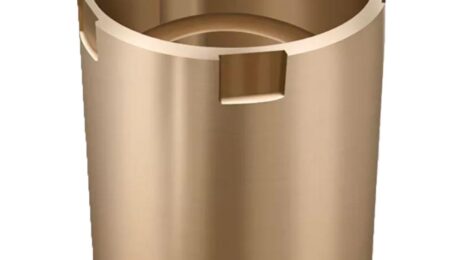
The Comprehensive Guide to Eccentric Bushings in Mining Machinery
Eccentric bushings are pivotal components in mining machinery, designed to allow for the smooth operation of various heavy equipment. This guide will detail everything you need to know about eccentric bushings, their applications in mining operations, maintenance, and the procurement of eccentric bushings and mining machinery spare parts.
What is an Eccentric Bushing?
An eccentric bushing is a cylindrical piece of equipment used in conjunction with rotating machinery. It serves the purpose of adjusting the alignment and positioning of other components within mining machinery.
How Eccentric Bushings Function in Mining Machinery
Eccentric bushings help in accommodating for wear and allowing adjustments in various types of equipment such as crushers and screeners. By adjusting the position of these bushings, operators can ensure optimal performance and extend the lifecycle of their machinery.
Types of Eccentric Bushings
- Eccentric bushings for crushers
- Eccentric bushings for screeners
- Specialized eccentric bushings for conveyors
The Importance of Eccentric Bushings in Mining Operations
Mining operations rely heavily on the efficiency of their machinery. Eccentric bushings are essential in maintaining optimal equipment performance, preventing costly downtimes and ensuring that operations run smoothly.
Common Applications of Eccentric Bushings in Mining Machinery
Eccentric bushings are used in various aspects of mining operations, contributing to the functionality of the following machinery:
- Jaw Crushers
- Gyratory Crushers
- Vibrating Screens
- Apron Feeders
- Rock Drill Machinery
Signs of Worn Eccentric Bushings
Understanding the signs of worn eccentric bushings is crucial for maintenance. Common indicators include:
- Increased vibration levels
- Decreased machinery efficiency
- Unusual noises during operation
- Visible wear on machine parts
Maintenance of Eccentric Bushings in Mining Machinery
Regular maintenance of eccentric bushings is essential to prolonging their lifespan. This includes:
- Regular inspections
- Proper lubrication
- Timely replacement of worn bushings
How to Choose the Right Eccentric Bushing
Choosing the right eccentric bushing involves considering various factors such as:
- Material quality
- Dimension specifications
- Brand reputation
- Compatibility with existing equipment
Where to Source Eccentric Bushings and Mining Machinery Spare Parts
Locating reliable suppliers for eccentric bushings and spare parts is crucial. Factors to consider include:
- Supplier certifications
- Range of available products
- Customer service quality
- Shipping options and costs
Frequently Asked Questions (FAQ)
What are eccentric bushings used for in mining machinery?
Eccentric bushings are used in mining machinery to enhance alignment and function, especially in equipment like crushers and screeners.
How can I tell if my eccentric bushing needs replacement?
Signs of a failing bushing include excessive vibration, unusual noises, and decreased performance of the machinery.
How often should I inspect my eccentric bushings?
Regular inspections should be conducted every few months or as recommended by the equipment manufacturer.
Can I replace an eccentric bushing myself?
Yes, but it’s essential to follow the manufacturer’s guidelines and ensure all necessary tools are available for the replacement process.
What materials are eccentric bushings made from?
Eccentric bushings are typically manufactured from high-strength alloys, bronze, or composite materials to withstand harsh mining conditions.
Related Keywords
Eccentric bushings, mining machinery, bushing replacement, mining spare parts, crusher parts, screen parts, mining equipment maintenance, crusher bushings, mining bushings, eccentric bushings suppliers, wear parts, spare parts inventory, heavy machinery components.
Conclusion
Understanding eccentric bushings and their role in mining machinery is crucial for operators looking to optimize performance and extend machinery lifespan. By investing in quality eccentric bushings and maintaining them correctly, you can minimize downtime and maximize productivity in your mining operations.
- Published in Products
The Comprehensive Guide to Breaker Bars in Mining Machinery and Spare Parts
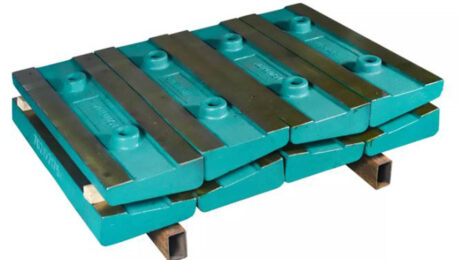
The Comprehensive Guide to Breaker Bars in Mining Machinery and Spare Parts
Introduction to Breaker Bars
Breaker bars play a critical role in the efficiency and performance of mining machinery. These essential components are designed to withstand the rigors of heavy-duty applications in harsh environments. Without high-quality breaker bars, the functioning of various mining equipment can be severely compromised.
What is a Breaker Bar?
A breaker bar is a sturdy piece of metal, usually found in various mining machinery and equipment. Its primary function is to provide support and protection to other parts of the machinery, particularly in crushing and grinding operations. Breaker bars are integral components that assist in breaking down materials such as rocks, ores, and minerals.
Types of Breaker Bars
1. Fixed Breaker Bars
Fixed breaker bars are stationary components that provide stability and strength to mining equipment. These bars are permanently attached to machinery and are designed to endure intense pressure and impact during operations.
2. Adjustable Breaker Bars
Adjustable breaker bars offer flexibility as they can be modified or repositioned based on the specific demands of the operation. This adaptability allows for enhanced efficiency and effectiveness in processing materials.
Materials Used for Breaker Bars
The materials used in the manufacturing of breaker bars are crucial for their durability and performance. Common materials include:
- High Carbon Steel: Known for its strength and wear resistance, high carbon steel is often preferred for heavy-duty applications.
- Alloy Steel: Alloy steels, which incorporate various elements to enhance specific properties, are also popular for breaker bars.
- Cast Iron: While not as common, cast iron can be utilized in specific situations where impact resistance is required.
Importance of Breaker Bars in Mining Machinery
Breaker bars are crucial in various mining machinery, playing a pivotal role in:
1. Enhancing Equipment Longevity
High-quality breaker bars protect the more delicate components of the machinery, reducing wear and tear and consequently extending the lifespan of the equipment.
2. Improving Efficiency
Properly functioning breaker bars facilitate smoother operations in crushing and grinding processes, leading to improved overall efficiency in material handling.
3. Ensuring Safety
By providing structural integrity, breaker bars prevent catastrophic failures that could lead to safety hazards for operators and other personnel on site.
Choosing the Right Breaker Bar for Your Equipment
Selecting the appropriate breaker bar requires consideration of several factors:
- Compatibility: Ensure the breaker bar is compatible with your mining machinery.
- Material Strength: Choose a breaker bar made from materials that can withstand the specific challenges of your mining operations.
- Operational Requirements: Evaluate the load capacity and operational demands of your equipment.
Maintenance Tips for Breaker Bars
Regular maintenance of breaker bars can significantly enhance their performance and durability:
- Routine Inspections: Regularly inspect breaker bars for signs of wear and damage.
- Cleaning: Keep breaker bars clean and free from debris to prevent operational issues.
- Prompt Replacement: Replace worn or damaged breaker bars immediately to avoid further damage to the machinery.
The Future of Breaker Bars in Mining
As mining technology continues to evolve, the design and materials used for breaker bars are also expected to advance. Innovations may lead to even more durable and efficient components that can better withstand the unique challenges faced in mining operations.
Conclusion
Breaker bars are indispensable components in mining machinery. Their impact on efficiency, safety, and overall performance cannot be overstated. By understanding their importance and maintenance, operators can significantly enhance their mining operations.
FAQs About Breaker Bars
1. What is the primary function of a breaker bar?
The primary function of a breaker bar is to provide support and protection for other machinery components, especially during crushing and grinding processes.
2. How can I tell if my breaker bar needs replacing?
Signs of wear, cracks, or excessive bending in the breaker bar are indicators that it may need to be replaced.
3. Are there specific materials better suited for breaker bars?
Yes, high-carbon steel and alloy steel are commonly used due to their strength and resistance to wear.
4. How do I maintain my breaker bars?
Regular inspections, cleaning, and timely replacement of damaged parts are essential for effective maintenance.
LSI and NLP Keywords
Breaker bar specification, mining equipment, wear-resistant materials, high-carbon steel, machinery maintenance, crushing equipment, mining efficiency, mining safety, OEM spare parts, heavy-duty machinery, hydraulic breakers, impact bars, mining operations, equipment longevity, bar compatibility, machinery performance, adjustable components.
Other Related Terms
Mining supplies, spare parts distributors, machinery upgrades, safety equipment, heavy machinery, repair services, coal mining machinery, mineral processing equipment.
- Published in Products
The Comprehensive Guide to Flywheels in Mining Machinery and Spare Parts
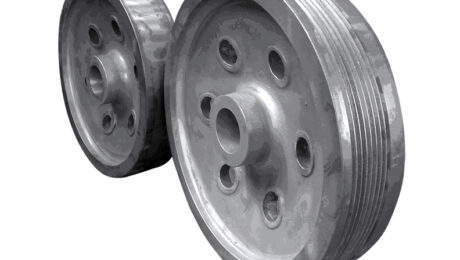
The Comprehensive Guide to Flywheels in Mining Machinery and Spare Parts
Flywheels are critical components in the operation of mining machinery. They play a pivotal role in the performance, efficiency, and longevity of various machines found in the mining industry. This guide will explore the different aspects of flywheels, their functions, the importance of spare parts, and answers to frequently asked questions.
1. What is a Flywheel?
A flywheel is a mechanical device that stores rotational energy. It is fitted to engines and machines to smooth out the power delivery and provide energy stability during operations. In mining machinery, flywheels help maintain a steady rate of work and reduce vibrations.
2. Types of Flywheels Used in Mining Machinery
- Single Mass Flywheel: Commonly used in smaller machines, these flywheels provide basic energy storage.
- Dual Mass Flywheel: Designed for larger equipment, these flywheels reduce noise and vibrations, enhancing operator comfort.
- Modular Flywheels: These are versatile parts that can be adapted to various machinery types, improving flexibility.
3. Functions of Flywheels in Mining Machinery
In mining applications, flywheels serve multiple purposes:
- Energy Storage: Flywheels store kinetic energy, allowing machinery to perform efficiently.
- Motion Smoothing: They provide a steady motion to machinery, reducing jerks and vibrations.
- Power Regulation: Flywheels help in controlling the power output of engines by smoothing out fluctuations.
- Durability Enhancer: A well-maintained flywheel can contribute to the life expectancy of mining equipment.
4. The Importance of Flywheels in Mining Operations
Mining involves heavy machinery that operates under significant stress. Flywheels enhance operational stability and reliability, which are crucial for maintaining productivity. A malfunctioning flywheel can lead to increased wear and tear on other machine components, resulting in costly downtimes.
5. Flywheel Maintenance: Best Practices
To ensure the longevity and efficiency of flywheels in mining machinery, consider the following maintenance tips:
- Regular Inspections: Check for any signs of wear or damage regularly.
- Lubrication: Ensure proper lubrication of the flywheel bearings to reduce friction.
- Alignment Checks: Misalignment can lead to uneven wear; regular checks are essential.
- Replacement Schedule: Follow recommended replacement schedules based on usage and operating conditions.
6. Common Issues with Flywheels and Their Solutions
Here are some prevalent problems observed with flywheels in mining machinery and their solutions:
- Excessive Wear: Regular monitoring and timely replacement can mitigate this issue.
- Vibration Problems: Imbalance can often cause vibration; balancing flywheels can resolve this.
- Thermal Stress: Ensure adequate cooling and inspect bearings to prevent overheating.
7. The Role of Flywheel Spare Parts in Mining Machinery
Spare parts for flywheels are essential for keeping mining machinery operational. These parts include:
- Flywheel Housings: Protects the flywheel and its components from external damage.
- Bearings: Critical for supporting flywheel motion and reducing friction.
- Mounting Hardware: Ensures proper installation and alignment of the flywheel.
- Adjustment Mechanisms: For fine-tuning the performance and alignment of flywheels.
8. Flywheel Innovations in Mining Machinery
Innovations in flywheel technology are propelling the mining industry towards greater efficiency. New materials and designs are enabling lighter, stronger, and more efficient flywheels. These advancements contribute to better fuel efficiency and reduced emissions in mining operations.
9. Cost Considerations: Investing in Flywheel Technology
Investing in high-quality flywheel technology can lead to significant savings in downtime, maintenance, and fuel consumption. While the initial investment may be higher, the long-term benefits include:
- Increased Lifespan: Quality flywheels can significantly extend the life of mining equipment.
- Reduced Operational Costs: Efficient energy use leads to lower operational costs.
- Enhanced Performance: Reliable flywheel performance results in improved overall machinery performance.
10. Frequently Asked Questions (FAQ)
What is the primary function of a flywheel in mining machinery?
The primary function of a flywheel in mining machinery is to store energy and provide smooth operation, reducing vibrations and improving efficiency.
How often should flywheels be inspected for wear?
Flywheels should be inspected regularly based on the manufacturer’s recommendations and operating conditions, typically every few hundred hours of operation.
Can a worn flywheel affect the overall performance of mining machinery?
Yes, a worn flywheel can lead to poor energy delivery, increased vibrations, and undue stress on other components, ultimately affecting overall machinery performance.
What are common symptoms of a failing flywheel?
Common symptoms include unusual vibrations, noises during operation, decreased performance, and visible signs of wear or damage.
How can I choose the right flywheel for my mining machinery?
Choosing the right flywheel involves considering factors such as the machine’s specifications, the type of operation, and manufacturing quality. Consulting with experts may aid in making the right decision.
11. LSI and NLP Keywords Related to Flywheel
Related keywords include:
- Flywheel mechanics
- Mining machinery components
- Energy storage systems
- Mechanical flywheel systems
- Mining equipment maintenance
- Vibration dampening mechanisms
- Flywheel design innovations
- Spare parts for mining equipment
- Heavy-duty flywheels
- Electrical flywheels
12. Conclusion
In summation, flywheels are integral to the operational efficacy of mining machinery. Understanding their functions, maintenance needs, and the importance of spare parts can significantly impact productivity and equipment longevity. As the industry evolves, innovations in flywheel technology will continue to play a key role in enhancing performance and efficiency in mining operations.
- Published in Products
Comprehensive Guide to End Frames in Mining Machinery and Spare Parts
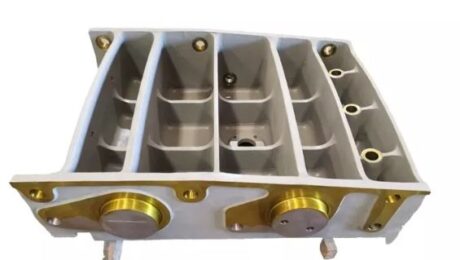
Comprehensive Guide to End Frames in Mining Machinery and Spare Parts
Mining machinery is a crucial aspect of the mining industry, and understanding the components that contribute to its efficiency is essential. One important component is the ‘end frame’. In this article, we will explore everything related to end frames, their significance in mining machinery, and the spare parts associated with them.
What is an End Frame?
The end frame is a critical component in various types of mining machinery. It serves as a supporting structure that houses and secures various machinery parts, ensuring stability and durability.
Importance of End Frames in Mining Machinery
End frames are pivotal for the performance of mining machinery. They not only support the machine’s weight but also absorb vibrations and shocks from the operating environment.
Role of End Frames in Structural Integrity
End frames contribute significantly to the structural integrity of mining equipment, preventing mechanical failures.
Types of End Frames Used in Mining Machinery
End frames come in various shapes and sizes designed for different machinery types:
- Flat End Frames – Commonly used in basic machinery.
- Curved End Frames – Ideal for machinery requiring a more aerodynamic design.
- Reinforced End Frames – Used in heavy-duty machinery to enhance durability.
Materials Used for End Frames
The choice of material significantly affects the performance and longevity of end frames:
- Steel – The most common material, favored for its strength.
- Aluminum – Lightweight and corrosion-resistant.
- Composite Materials – Used for specialized applications requiring lower weight and high durability.
End Frame Design Considerations
When designing an end frame, several factors must be considered to ensure optimal performance:
- Load Bearing Capacity – Must accommodate the weight of machinery and materials.
- Vibration and Shock Absorption – Essential for maintaining machine integrity.
- Corrosion Resistance – Important for machines operating in harsh environments.
Common Issues with End Frames
End frames can experience various issues that may affect machinery performance:
- Wear and Tear – Regular exposure to heavy loads can lead to degradation.
- Corrosion – Especially in humid or corrosive environments, which may require regular maintenance.
- Misalignment – Can occur due to improper installation or excessive vibrations.
End Frame Maintenance Tips
Regular maintenance is critical for the longevity of end frames:
- Routine Inspections – Check for signs of wear and corrosion.
- Lubrication – Keeping moving parts adequately lubricated minimizes friction.
- Replacement Planning – Monitor conditions to anticipate parts replacements.
End Frame Spare Parts and Compatibility
Understanding the spare parts for end frames is essential for effective maintenance:
- Bolts and Fasteners – Ensure a secure and stable connection.
- Gaskets and Seals – Crucial for preventing leaks in hydraulic systems.
- Reinforcement Brackets – Added strength for heavily loaded applications.
Choosing the Right End Frame Supplier
When selecting a supplier for end frames and spare parts, consider the following:
- Industry Experience – A supplier with experience in mining machinery is ideal.
- Quality Assurance – Ensure that products meet industry standards.
- Customer Support – Responsive support for after-sales issues.
FAQs about End Frames
What is the primary function of an end frame?
The primary function of an end frame is to support the structure of mining machinery and secure various components.
How often should end frames be inspected?
End frames should be inspected regularly, ideally every few months, to identify potential issues early.
What materials are used to make end frames?
Common materials for end frames include steel, aluminum, and composite materials, each offering distinct advantages.
Can end frames be repaired, or do they need to be replaced?
Depending on the extent of wear and damage, end frames can often be repaired; however, severe damage may necessitate a replacement.
Where can I find spare parts for end frames?
Spare parts for end frames can typically be sourced from mining machinery suppliers or specialized spare parts manufacturers.
LSI and NLP Keywords related to End Frames
- Mining equipment
- Heavy machinery components
- Structural supports
- Machinery parts supply
- End frame replacement
- Mining industry maintenance
- Custom end frames
- End frame engineering
- Durability in mining
- Frame design
- Load distribution
- End frame strength
- Mining machinery upgrades
- End frame modifications
- Efficient mining operations
Conclusion
Understanding the significance of end frames in mining machinery is essential for optimizing performance and ensuring long-term reliability. Regular maintenance, careful selection of materials, and choosing the right suppliers will ensure that your mining operations run efficiently and smoothly. Utilize this guide to make informed decisions regarding your mining machinery end frames.
- Published in Products
