


The Comprehensive Guide to Gearboxes in Mining Machinery: Understanding Gearbox Types, Functions, and Maintenance

The Comprehensive Guide to Gearboxes in Mining Machinery
Gearboxes play a critical role in the functioning of mining machinery. They are integral to the transfer of power from engines or motors to the various moving parts of mining equipment. In this article, we will explore the different types of gearboxes, their functions, maintenance, and the crucial role they play in the mining industry.
What is a Gearbox?
A gearbox, also known as a transmission, is a mechanical device that manages the speed and torque of a machine. In mining machinery, gearboxes help control the rotational speeds of the equipment and manage power output effectively.
Types of Gearboxes Used in Mining Machinery
1. Helical Gearboxes
Helical gearboxes are characterized by their helical gears, which provide smoother sound and reduced vibrations. These gearboxes are ideal for heavy mining machinery as they can handle high loads and speeds.
2. Planetary Gearboxes
Planetary gearboxes have a compact design and are efficient at reducing speed. They are often used in applications like drill rigs and other heavy-duty mining equipment.
3. Worm Gearboxes
Worm gearboxes have a unique design that allows for high torque and speed reduction. They are suitable for applications requiring a high gear reduction and are typically found in conveyor systems.
4. Bevel Gearboxes
Bevel gearboxes allow for the shifting of power between shafts at a right angle. These are commonly used in mobile mining equipment.
5. Shaft Mounted Gearboxes
Shaft mounted gearboxes are mounted directly onto the shaft of the equipment, minimizing the space needed and providing a direct power transfer, making them a favorite in vibrating screens and feeder applications.
Functions of Gearboxes in Mining Machinery
Gearboxes fulfill several essential functions in mining machinery, including:
- Speed Reduction: Gearboxes reduce the motor speed to ensure optimal performance of mining equipment.
- Torque Increase: They increase the torque, making it easier to lift heavy loads.
- Direction Control: Gearboxes can change the direction of rotation, which is essential for various operations.
- Power Transfer: Efficiently transferring power from the motor to the machinery while minimizing energy losses.
Importance of Gearbox Maintenance in Mining Operations
Regular maintenance of gearboxes is crucial for ensuring the longevity and efficiency of mining machinery. Here are some key aspects of gearbox maintenance:
1. Regular Lubrication
Keeping the gearbox well-lubricated reduces friction and wear, preventing overheating and mechanical failure.
2. Monitoring Temperature
Overheating can indicate problems like insufficient lubrication or internal wear. Monitoring temperature can help address issues early.
3. Vibration Analysis
Regular vibration analysis can help detect early signs of equipment failure, allowing for timely repairs before major issues arise.
4. Inspection and Replacement of Components
Periodic inspections can help identify worn gears or bearings that need to be replaced to avoid catastrophic failures.
Common Issues Faced by Gearboxes in Mining Machinery
- Wear and Tear: Over time, gear teeth can wear out, leading to poor efficiency.
- Overheating: Inadequate lubrication and high loads can cause overheating, potentially damaging the gearbox.
- Contamination: Dust and debris from mining operations can contaminate the lubricants, affecting performance.
Innovations in Gearbox Technology for Mining Machinery
Advancements in technology have paved the way for improved gearbox designs that enhance efficiency:
1. Smart Gearboxes
Equipped with sensors and IoT technology, smart gearboxes provide real-time data monitoring for predictive maintenance.
2. Lightweight Materials
Using lightweight materials like composites can enhance performance while reducing energy consumption.
Selecting the Right Gearbox for Mining Machinery
Choosing the appropriate gearbox depends on several factors:
- Load: Consider the maximum weight the gearbox will handle.
- Speed: Match the input and output speeds to your machinery specifications.
- Space: Ensure the gearbox will fit within the available dimensions of your machinery.
Cost Considerations for Gearboxes in Mining Operations
Investing in high-quality gearboxes can lead to cost savings in terms of maintenance and operational efficiency. However, businesses should consider:
1. Initial Investment
Understanding the upfront cost versus long-term benefits is essential for an informed decision.
2. Maintenance Costs
Budgeting for maintenance and repairs is crucial for minimizing downtime.
Conclusion
Gearboxes are indispensable components of mining machinery, influencing operational efficiency and performance. Understanding their different types, functions, and maintenance needs is critical for any mining operation. Investing in the right gearbox and its upkeep can lead to increased productivity and reduced costs over time.
Frequently Asked Questions (FAQ)
What is a gearbox and how does it work?
A gearbox is a mechanical device that transfers power and adjusts speed and torque within machinery. It alters the output speed, allowing machines to operate efficiently at desired levels.
What are the types of gearboxes used in mining machinery?
The most common gearboxes used in mining machinery include helical, planetary, worm, bevel, and shaft-mounted gearboxes, each serving different functions.
How can I maintain a gearbox?
Regular maintenance includes lubrication, monitoring temperature, performing vibration analysis, and inspecting components to ensure optimal performance of the gearbox.
What are the symptoms of a failing gearbox?
Common symptoms include unusual noises, overheating, and decreased efficiency or functionality, indicating that maintenance or replacement may be necessary.
What advancements are being made in gearbox technology?
Innovations include the use of IoT for real-time monitoring and lightweight materials for improved efficiency, driving performance gains in mining operations.
- Published in Products
The Essential Guide to Electrical Motors in Mining Machinery and Spare Parts

The Essential Guide to Electrical Motors in Mining Machinery and Spare Parts
Electrical motors play a pivotal role in the operation of mining machinery by providing the necessary power for various applications such as drilling, crushing, and material handling. Understanding the different types of electrical motors, their applications, and the importance of spare parts is essential for optimizing performance in mining operations.
What are Electrical Motors?
Electrical motors are machines that convert electrical energy into mechanical energy through electromagnetic interaction. In mining operations, these motors are crucial as they power equipment like conveyor belts, crushers, and excavators, ensuring efficient material transportation and processing.
The Importance of Electrical Motors in Mining Machinery
Electrical motors are significant in mining due to their ability to handle heavy workloads and offer high efficiency. They contribute to the reduction of operational costs and maintenance downtime, making them a vital component in the mining industry.
Types of Electrical Motors Used in Mining Machinery
1. AC Motors
AC motors are widely used in mining applications for their robustness and low maintenance needs. They come in various designs such as induction motors and synchronous motors.
2. DC Motors
DC motors provide high starting torque and precise speed control, making them suitable for specific applications in mining machinery.
3. Servo Motors
These are used for applications requiring precision and control, such as in automated mining systems.
Key Applications of Electrical Motors in Mining Machinery
1. Drilling Equipment
Electrical motors drive drilling rigs, providing the power necessary to penetrate various geological layers.
2. Conveyor Systems
Conveyor belts rely on electrical motors for transporting materials from one point to another, improving operational efficiency.
3. Crushers and Grinders
Electric motors power crushers and grinders, facilitating the breakdown of large rock materials into smaller sizes for processing.
4. Excavators and Loaders
Electrical motors enable the movement and operation of excavators and loaders, ensuring the efficient handling of materials.
Choosing the Right Electrical Motor for Mining Machinery
When selecting electrical motors, consider factors such as power requirements, efficiency, environmental conditions, and compatibility with existing machinery. Consulting with experts can also provide insights and recommendations based on specific mining applications.
Understanding Electrical Motor Spare Parts
Spare parts are critical for maintaining the functionality and efficiency of electrical motors in mining machinery. They include components like bearings, rotors, windings, and end bells. Regular maintenance and timely replacement of spare parts can prevent costly downtimes.
Importance of Regular Maintenance of Electrical Motors
Routine maintenance extends the lifespan of electrical motors and prevents unexpected failures. Key maintenance practices include lubrication, visual inspections, and monitoring of performance metrics.
Challenges Faced with Electrical Motors in Mining
Electrical motors in mining face challenges such as exposure to harsh environmental conditions, dust, moisture, and high loads. Addressing these challenges requires durable designs and regular maintenance practices.
Trends in Electrical Motor Technology for Mining Applications
Innovations such as smart motors with monitoring capabilities, improved energy efficiency, and advancements in materials are shaping the future of electrical motors in the mining sector.
Frequently Asked Questions (FAQ)
1. What is the role of electrical motors in mining machinery?
Electrical motors provide the necessary power for various mining machinery applications, ensuring efficient operation and material handling.
2. How do I choose the right electrical motor for my mining operations?
Consider factors such as power requirements, environmental conditions, and compatibility with existing equipment when selecting electrical motors.
3. What are common spare parts for electrical motors?
Common spare parts include bearings, rotors, windings, and brushes, which are essential for maintaining motor performance.
4. How can I maintain electrical motors in mining equipment?
Regular maintenance practices include lubrication, inspections, cleaning, and performance monitoring to prevent failures.
5. What are the challenges faced by electrical motors in mining operations?
Electrical motors in mining face challenges like harsh environmental conditions, physical stress, and the risk of electrical failures.
Conclusion
Electrical motors are indispensable in the mining industry, powering various machinery and ensuring operational efficiency. Understanding their types, applications, maintenance needs, and spare part requirements will help mining companies optimize performance and productivity. Staying updated with technological advancements will further enhance operational outcomes in mining operations.
- Published in Products
The Comprehensive Guide to V Belts in Mining Machinery and Spare Parts

The Comprehensive Guide to V Belts in Mining Machinery and Spare Parts
Mining machinery plays a vital role in the extraction of natural resources, and components such as V belts are critical for the efficient operation of these machines. This guide explores everything you need to know about V belts, their applications, types, maintenance, and where to find quality spare parts in the mining industry.
Understanding V Belts
V belts, or V-belt drives, are essential components in machinery used for transmitting power efficiently across various equipment. Their unique V-shaped cross-section enables optimal grip and traction, making them a reliable choice for many industrial applications.
What is a V Belt?
A V belt is a type of flexible belt used in machinery to link two or more rotating shafts and transfer power by friction. They are specially designed to handle various loads and can be used in different driving conditions.
Key Characteristics of V Belts
V belts boast several critical characteristics: strength, flexibility, and durability. Their design allows them to absorb shocks with minimal stretch, providing continuous performance under heavy-duty conditions.
Types of V Belts Used in Mining Machinery
In mining operations, different types of V belts are utilized, including:
- Classic V Belts: Traditional belts suitable for basic applications.
- Wedge V Belts: Offer higher power transmission capabilities and are used in demanding operations.
- Raw Edge V Belts: Provide better performance with less slip, ideal for critical applications.
- Cogged V Belts: Designed with notches; these belts enhance flexibility and increase operational efficiency.
- Poly V Belts: Multi-ribbed belts used for high-speed applications, allowing for compact design.
Applications of V Belts in Mining
V belts are used in various mining machinery, including:
- Conveyor systems
- Crushers
- Excavators
- Drilling equipment
- Screening machines
Choosing the Right V Belt
Selecting the appropriate V belt is crucial for machinery performance. Considerations should include:
- Load capacity
- Operating conditions
- Compatibility with existing machinery
- Manufacturer specifications
V Belt Maintenance Practices
Regular maintenance ensures the longevity and optimal function of V belts. Recommended practices include:
- Regular inspection for wear and tear
- Proper alignment of pulleys
- Adjusting tension to manufacturer specifications
- Cleaning to prevent debris accumulation
Common Issues with V Belts and Solutions
V belts can face several challenges, such as slippage, wear, and breakage. Recognizing signs of trouble early can save time and resources:
- Slippage: Check for proper tension and alignment.
- Wear: Regularly inspect for fraying or cracking.
- Breakage: Replace immediately to prevent equipment damage.
Where to Buy Quality V Belts and Spare Parts
Finding reputable suppliers for V belts and spare parts is essential. Considerations include:
- Manufacturer reputation
- Warranties offered
- Availability of various types
- After-sales support
Frequently Asked Questions (FAQ)
What is a V belt used for in mining machinery?
V belts are used to drive various mining equipment by transmitting power between rotating shafts. They play a critical role in ensuring machinery operates smoothly and efficiently.
How do I measure a V belt?
To measure a V belt, you need to know the length and the width. Measure the outside circumference for length and the top width for the width.
How often should V belts be replaced?
The replacement interval for V belts varies. Regular inspections and monitoring for signs of wear should guide replacement schedules.
Can V belts be reused?
While some V belts can be reused, it is generally advisable to replace them once they show signs of significant wear or damage.
What are the signs that a V belt needs to be replaced?
Signs include cracks, frayed edges, visible wear, and increased slippage. If any of these are present, it’s time to replace the V belt.
Related Keywords and Topics
LSI and NLP keywords to consider include: mining equipment, belt drive, power transmission, conveyor belts, maintenance, mining spare parts, belt alignment, industrial belts, heavy machinery, friction belts, cogged belts, rubber belts, loading equipment, and mining maintenance.
Conclusion
Understanding how V belts function and their role in mining machinery is vital for operators and maintenance teams. By ensuring proper selection and maintenance, you can extend the life of your mining equipment, reduce downtime, and improve productivity.
References
For further reading on V belts and mining machinery, consider visiting industry-standard publications, manufacturer websites, and equipment maintenance resources.
- Published in Products
Understanding Pinion and Drive Gear in Mining Machinery: A Comprehensive Guide

Understanding Pinion and Drive Gear in Mining Machinery: A Comprehensive Guide
When it comes to the operation of mining machinery, the pinion and drive gear play a critical role in ensuring smooth and efficient performance. These components are essential for transferring power and enabling the machinery to function effectively in the demanding environments of mining operations.
What are Pinion and Drive Gears?
The pinion is a small gear that engages with a larger gear known as the drive gear. Together, they form a gear system designed to transfer torque and rotational motion between mechanical components. This is crucial in mining machinery where reliability and durability are paramount.
The Importance of Pinion and Drive Gear in Mining Machinery
The pinion and drive gear are essential for various types of mining machinery, including excavators, haul trucks, and conveyors. Their reliable operation contributes to the overall efficiency and productivity of mining operations, making them a key focus for maintenance and quality assurance.
Components of Pinion and Drive Gear Systems
A typical pinion and drive gear system includes several components: the pinion gear, the drive gear, bearings, a housing unit, and lubrication systems. Proper maintenance and frequent inspections of these components can prevent wear and tear and enhance overall performance.
Types of Pinion and Drive Gear Systems Used in Mining Machinery
Mining machinery utilizes various types of pinion and drive gear systems, including:
- Spur Gears: Commonly used due to their simplicity and efficiency.
- Helical Gears: Designed for high-speed applications to reduce noise and vibration.
- Bevel Gears: Ideal for changing the direction of the power transmission.
- Planetary Gears: Provide high torque in a compact design, often used in heavy mining equipment.
Material Considerations for Pinion and Drive Gear
The materials used in manufacturing pinion and drive gear components are crucial to their performance. Common materials include:
- Carbon Steel: Offers strength and durability.
- Alloy Steel: Enhances wear resistance.
- Cast Iron: Provides robustness for heavy loads.
Wear and Tear in Pinion and Drive Gear: Common Issues
Mining operations can lead to significant wear and tear on pinion and drive gears. Common issues include:
- Tooth Wear: Caused by prolonged engagement and high loads.
- Misalignment: Results from improper installation or wear over time.
- Material Fatigue: A result of repeated stress cycles leading to cracking or complete failure.
Maintenance Practices for Pinion and Drive Gear
To prolong the lifespan of pinion and drive gear systems, consider the following maintenance practices:
- Regular Inspections: Check for signs of wear, misalignment, and inadequate lubrication.
- Lubrication: Ensure proper lubrication is maintained to reduce friction.
- Alignment Checks: Regularly verify the alignment of the gears to prevent uneven wear.
- Replacement: Timely replacement of worn gears is crucial to prevent additional damage.
Choosing the Right Pinion and Drive Gear Parts
Selecting suitable pinion and drive gear parts is essential for compatibility and performance. Factors to consider include:
- Size and Ratio: Ensure the gears fit the machinery and meet the required gear ratio.
- Material: Choose materials that can withstand environmental conditions.
- Manufacturer Standards: Opt for OEM or high-quality aftermarket parts for reliability.
FAQs About Pinion and Drive Gear
What is the purpose of the pinion and drive gear?
The purpose of the pinion and drive gear is to transfer power and motion between components in mining machinery.
How often should I inspect my pinion and drive gear?
It is advisable to inspect the pinion and drive gear systems regularly, typically every three months, or as per the manufacturer’s guidelines.
What are the signs of wear on pinion and drive gear?
Signs of wear include unusual noises, vibrations, and visible damage to the gear teeth.
Can I use aftermarket parts for pinion and drive gear replacements?
Yes, aftermarket parts can be used, but ensure they meet the necessary specifications and quality standards.
Conclusion
The pinion and drive gear are integral components in the operation of mining machinery. Understanding their functionality, maintenance requirements, and selecting the right parts can significantly impact the efficiency and reliability of mining operations. Prioritizing these aspects will lead to enhanced performance and reduced operational costs in the demanding mining industry.
LSI and NLP Keywords Related to Pinion and Drive Gear
- Gear transmission
- Mining gear systems
- Gear maintenance
- Heavy machinery gears
- Gear wear
- Lubrication techniques
- Gear ratios
- Wear resistance
- Machinery efficiency
- Mining equipment repairs
- Published in Products
The Comprehensive Guide to Roller Bearings in Mining Machinery and Spare Parts

The Comprehensive Guide to Roller Bearings in Mining Machinery and Spare Parts
Roller bearings are crucial components in mining machinery, ensuring efficient operation and longevity of equipment. This article delves into the significance, types, and applications of roller bearings in mining machinery and their associated spare parts.
Understanding Roller Bearings
Roller bearings are mechanical components designed to reduce friction between moving parts while supporting radial loads. They consist of outer and inner races, along with roller elements that can vary in shape.
Importance of Roller Bearings in Mining Machinery
Mining machinery is subject to high-stress conditions. Roller bearings play a vital role in enhancing performance, allowing equipment to withstand heavy loads, vibrations, and operational wear.
Types of Roller Bearings in Mining Machinery
- Cylindrical Roller Bearings: Commonly used in crushers and conveyors due to their ability to handle heavy radial loads.
- Spherical Roller Bearings: Essential for applications requiring alignment adjustments, often found in shovels and excavators.
- Tapered Roller Bearings: Ideal for equipment with combined loads, such as haul trucks and draglines.
- Needle Roller Bearings: Useful in compact spaces, these bearings are often employed in smaller machinery.
Applications of Roller Bearings in Mining Machinery
Roller bearings are extensively used in various mining machinery applications, including:
- Excavators: Supporting the boom and arm movements.
- Dump Trucks: Ensuring smooth and efficient wheel rotation.
- Crushing Equipment: Reducing wear and tear during material processing.
- Conveyor Systems: Facilitating the movement of materials across various stages of mining.
Roller Bearing Maintenance in Mining Machinery
Regular maintenance of roller bearings is crucial for the operational efficiency of mining machines. Here are some maintenance tips:
- Regular Lubrication: Ensuring proper lubrication to minimize friction and wear.
- Inspection: Periodically checking for wear, damage, or misalignment.
- Temperature Monitoring: Keeping track of temperature increases that may signal issues.
Choosing the Right Roller Bearings for Mining Applications
Selecting the right roller bearing involves considering various factors, such as:
- Load Type: Understanding whether the application requires radial, axial, or a combination of loads.
- Operating Conditions: Considering environmental factors like dust, moisture, and temperature variations.
- Life Expectancy: Evaluating the bearing’s expected lifespan based on usage and maintenance practices.
Common Issues with Roller Bearings in Mining Machinery
Despite their durability, roller bearings can encounter issues in mining applications:
- Contamination: Dust and debris can lead to premature failure.
- Misalignment: Incorrect installation may result in uneven wear and tear.
- Overloading: Subjecting bearings to loads beyond their capacity can cause damage.
Innovations in Roller Bearings Technology for Mining Machinery
Recent advancements in materials and design have led to more robust and efficient roller bearings. Innovations include:
- Advanced Materials: Using high-performance alloys to enhance strength and wear resistance.
- Seal Designs: Improved seals to protect against contaminants.
- Smart Technologies: Incorporating sensors for real-time monitoring and predictive maintenance.
Roller Bearing Spare Parts and Availability
The market for roller bearing spare parts is vast. Manufacturers and suppliers offer a range of products catering to different machinery needs. When sourcing spare parts, consider:
- OEM vs. Aftermarket: Weighing the pros and cons of original equipment manufacturer parts versus aftermarket alternatives.
- Compatibility: Ensuring the selected parts are compatible with existing machinery.
- Supplier Reputation: Choosing reputable suppliers for quality assurance.
Cost Considerations in Roller Bearings for Mining Machinery
The cost of roller bearings can vary significantly based on type, size, and application. Budgeting for these components involves:
Considering long-term performance versus initial costs,
Exploring bulk purchasing options to reduce expenses, and
Assessing total cost of ownership, including maintenance and potential downtime.
FAQ – Roller Bearings in Mining Machinery
What are roller bearings used for in mining machinery?
Roller bearings are essential for reducing friction, supporting heavy loads, and ensuring the efficient operation of various mining machines such as excavators, dump trucks, and crushers.
How often should roller bearings be maintained?
Regular maintenance should be conducted based on the specific operational conditions, but at least every few months is advisable to check for signs of wear, misalignment, and lubrication status.
What are the signs that a roller bearing needs replacement?
Common signs include unusual noises, excessive heat, vibration, and visible wear or damage on the bearing during inspection.
Can roller bearings be reused?
In some cases, roller bearings can be reused if they are in good condition and have not surpassed their operational lifespan or suffered significant damage.
What factors should be considered when choosing roller bearings for mining machinery?
Key factors include load type, operating conditions, expected lifespan, and compatibility with existing machinery components.
LSI and NLP Keywords Related to Roller Bearing
- Ball bearings
- Load capacity
- Bearing life
- Rolling element
- Mining equipment
- Lubrication systems
- Heat treatment
- Bearings design
- Heavy machinery
- Mechanics engineering
- Industrial bearings
- Precision bearings
- Sealed bearings
- Thermal expansion
- Friction reduction
- Mining operations
- Maintenance programs
- Operating efficiency
- Durable materials
- Aftermarket bearings
- Ball screw bearings
- Rolling mill bearings
…
- Published in Products
The Comprehensive Guide to Tramp Release Cylinder in Mining Machinery

Understanding the Tramp Release Cylinder
The tramp release cylinder is an essential component in mining machinery, particularly related to cone crushers. This cylinder plays a vital role in protecting the machinery from damage caused by the unexpected entry of oversized materials or tramp iron.
What is a Tramp Release Cylinder?
A tramp release cylinder is designed to provide a hydraulic means to release the pressure in the crushing chamber. This happens when uncrushable materials pass through the machine. The design and function of the tramp release cylinder significantly impact the operational efficiency and durability of mining machinery.
Importance of Tramp Release Cylinder in Mining Machinery
The importance of the tramp release cylinder cannot be overstated. It enhances the longevity of machinery by preventing excessive wear and tear that can occur with uncrushable materials. Moreover, it ensures consistent performance and improves productivity by allowing for quick recovery from blockages.
How Tramp Release Cylinders Work
Tramp release cylinders utilize hydraulic pressure to function effectively. When a blockage occurs, the increasing pressure in the crushing chamber is detected, and the cylinder activates, allowing the uncrushable material to pass through without causing damage to the machine.
Features of Tramp Release Cylinders
- Durability: Built to withstand high pressures and extreme operating conditions.
- Fast Response Time: Quick activation during unexpected blockages.
- Low Maintenance: Designed for ease of use and reduced maintenance needs.
Types of Tramp Release Cylinders
Hydraulic Tramp Release Cylinder
The hydraulic tramp release cylinder is the most common type used in modern mining machinery. It operates with hydraulic fluid to create the necessary pressure differences.
Pneumatic Tramp Release Cylinder
Pneumatic tramp release cylinders may also be utilized, depending on the specific design requirements and the type of equipment in use.
Common Issues with Tramp Release Cylinders
Wear and Tear
Over time, tramp release cylinders can experience wear and tear due to constant pressure changes and material flow.
Hydraulic Leaks
Hydraulic leaks can occur, leading to diminished performance. Regular inspections and maintenance are crucial to prevent these issues.
Maintenance of Tramp Release Cylinders
Routine checks and maintenance are vital to ensure that the tramp release cylinder operates optimally. Recommended maintenance practices include:
- Regular inspection for signs of wear and tear.
- Checking hydraulic fluid levels and condition.
- Testing for leaks and repairing any identified issues.
Replacement of Tramp Release Cylinders
Eventually, tramp release cylinders may need to be replaced. It is essential to choose high-quality spare parts that match your machinery specifications to maintain optimal function.
Choosing the Right Tramp Release Cylinder
When selecting a tramp release cylinder, consider factors such as compatibility with your existing equipment, operating pressure requirements, and material quality.
Tramp Release Cylinders and Mining Machinery Spare Parts
Mining machinery relies heavily on quality spare parts, including tramp release cylinders. Investing in high-quality spare parts ensures the longevity and performance of your machinery.
Conclusion
The tramp release cylinder is a critical component in mining machinery, contributing to the efficiency and reliability of operations. Understanding its function, maintenance, and the importance of using quality spare parts is essential for any mining operation.
Frequently Asked Questions (FAQs)
What is the function of a tramp release cylinder?
The function of a tramp release cylinder is to allow uncrushable material to pass through crushing machinery without causing damage, by releasing hydraulic pressure in the chamber.
How often should tramp release cylinders be inspected?
Tramp release cylinders should be inspected regularly as part of routine maintenance, ideally every few weeks or as recommended by the machinery manufacturer.
Can tramp release cylinders be repaired?
Yes, tramp release cylinders can often be repaired rather than replaced, depending on the nature of the damage.
What are the signs that a tramp release cylinder needs replacement?
Signs of necessary replacement include hydraulic leaks, visible wear, and consistent mechanical failures during operation.
LSI and NLP Keywords:
- cone crusher
- mining equipment
- hydraulic systems
- mining spare parts
- machinery maintenance
- uncrushable materials
- damage prevention
- spare parts supplier
- operational efficiency
- wear parts
- replacement parts
- hydraulic pressure
- mining industry
- crushing equipment
- mineral extraction
- material handling
Related Terms:
- mining machinery
- tramp metal
- jaw crusher
- cone crushing
- operational costs
- pressure relief
- hydraulic maintenance
- crushing chamber
- material flow
- machine downtime
- performance optimization
- mining operations
- equipment longevity
- industrial machinery
- maintaining performance
- Published in Products
In-Depth Guide to Bowl Assembly in Mining Machinery and Spare Parts
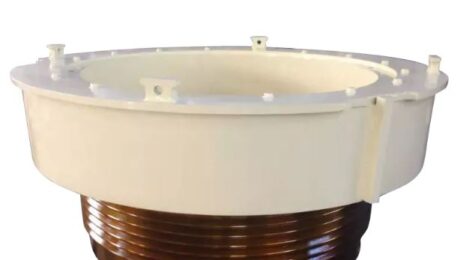
Bowl Assembly in Mining Machinery
Bowl assembly plays a crucial role in the functionality and efficiency of various mining machinery, particularly in crushers and screeners. This guide provides an extensive look at bowl assembly, its types, components, maintenance, and its significance in the mining industry.
What is Bowl Assembly?
The bowl assembly is a key component found in different types of mining machinery, specifically in cone crushers. It houses the crushing surface where the raw materials are processed. Understanding the design and function of bowl assemblies can help in optimizing machinery operations and improving overall productivity.
Components of Bowl Assembly
1. Bowl Liner: The bowl liner is a crucial part that directly interacts with the material being crushed. It is designed to withstand high pressure and wear.
2. Bowl Plate: This signifies the lower section of the bowl assembly, which provides support and stability.
3. Adjustment Ring: This component allows for the adjustment of the gap between the bowl liner and the mantle, enabling operators to control the size of the crushed output.
4. Spindle: The spindle contributes to the rotational movement, ensuring the proper operation of the machinery.
5. Bearings: Bearings help in reducing friction and supporting movement within the bowl assembly.
Types of Bowl Assembly
There are various types of bowl assemblies based on the specific machinery they are designed for:
1. Standard Bowl Assembly: Commonly used in many cone crushers, designed for general material processing.
2. Short Head Bowl Assembly: This type is designed to produce a finer output with a smaller gap between the liner and mantle.
3. Medium Head Bowl Assembly: Provides a balance between the two types above, offering versatility in output size.
Importance of Bowl Assembly
Bowl assemblies are crucial for enhancing the performance of mining machinery. They contribute to:
1. Increased Efficiency: Proper functioning bowl assemblies ensure that materials are crushed efficiently, leading to faster processing.
2. Reduced Wear and Tear: High-quality materials used in bowl assemblies can lead to longer lifespans and reduced maintenance costs.
3. Improved Safety: When bowl assemblies operate as intended, they minimize the risks associated with machinery failures during operation.
Maintenance of Bowl Assembly
Regular maintenance of bowl assemblies is vital for sustaining their performance. Here are key maintenance tips:
1. Regular Inspections: Frequent checks for wear and tear can prevent major breakdowns.
2. Lubrication: Ensure that all moving parts are properly lubricated to reduce friction and promote smooth operation.
3. Replacement of Worn Components: Prompt replacement of parts like bowl liners and plates can maximize the lifespan of the whole assembly.
Choosing the Right Bowl Assembly
Selecting the appropriate bowl assembly is paramount for operational efficiency. Consider the following factors:
1. Material Compatibility: Ensure the bowl assembly is compatible with the type of material being processed.
2. Size of Output: Determine the desired granularity to choose the correct type of bowl assembly.
3. Manufacturer Reputation: Opt for assemblies from reputable manufacturers to ensure quality and performance.
Frequently Asked Questions (FAQ)
What is the lifespan of a bowl assembly?
The lifespan of a bowl assembly typically ranges from 1,000 to 5,000 operating hours, depending on usage and maintenance practices.
How often should I check my bowl assembly?
Bowl assemblies should ideally be inspected at least once a month or more frequently in high-usage environments.
Can I replace bowl assembly components individually?
Yes, many components of a bowl assembly can be replaced individually, such as bowl liners and bearings, without needing to replace the entire assembly.
What materials are used in bowl assemblies?
Bowl assemblies are typically made from high-strength alloys and wear-resistant materials to withstand heavy operational conditions.
How can I improve the performance of my bowl assembly?
Regular maintenance, timely component replacements, and selecting the right type of bowl assembly can considerably improve performance.
Conclusion
In summary, bowl assembly is a pivotal component in mining machinery. Understanding its structure, types, and maintenance needs can lead to significant improvements in operational efficiency and cost savings. By prioritizing quality and regular upkeep, miners can ensure their machines operate at peak performance, resulting in better productivity and profitability.
- Published in Products
Understanding Head Assembly in Mining Machinery: A Comprehensive Guide
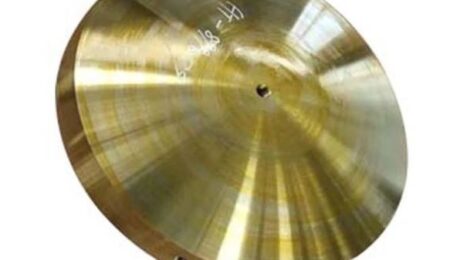
Understanding Head Assembly in Mining Machinery: A Comprehensive Guide
Mining machinery plays a crucial role in the extraction and processing of minerals. Within this complex machinery, components such as the head assembly are vital for efficient operation. In this article, we will delve deep into the concept of head assembly, its types, functions, common issues, maintenance practices, and much more. This comprehensive guide aims to provide mining professionals and enthusiasts with a thorough understanding of head assembly in mining machinery.
1. What is Head Assembly in Mining Machinery?
The head assembly refers to the uppermost part of certain mining equipment that houses critical components necessary for the operation of machinery. It typically contains devices that assist in the drilling, crushing, or other processing of mined materials. Understanding the role of head assembly is crucial for maximizing the performance and longevity of mining machinery.
2. Types of Head Assembly
There are several types of head assembly, each designed for specific mining applications:
- Rotary Head Assembly: Used in drilling equipment, this assembly allows for rotation and penetration into various geological formations.
- Crusher Head Assembly: In crushing machinery, this assembly is designed for reducing the size of rocks or ore.
- Control Head Assembly: This assembly plays a role in the control and automation of mining operations.
- Hydraulic Head Assembly: Utilizes hydraulic power to enhance efficiency in various mining tasks.
3. Function of Head Assembly
The head assembly serves multiple essential functions in mining machinery:
- Facilitates material penetration in drilling applications.
- Enables the crushing of ores and rocks in crushing machinery.
- Provides stability and support for other mechanical components.
- Enhances operational efficiency through optimal design and engineering.
4. Common Issues with Head Assembly
Various problems can occur with head assemblies, potentially leading to reduced efficiency and increased operational costs:
- Wear and Tear: Over time, components may wear down, affecting performance.
- Alignment Issues: Improper alignment can cause operational inefficiencies and equipment stress.
- Fluid Leaks: Hydraulic head assemblies may experience leaks, compromising function and safety.
- Electrical Failures: In electric-powered head assemblies, electrical components may fail, halting operations.
5. Maintenance Tips for Head Assembly
Regular maintenance is critical for ensuring the longevity and optimal performance of head assemblies. Here are some best practices:
- Perform regular inspections to identify signs of wear or damage.
- Use quality lubricants and ensure that all moving parts are well-oiled.
- Maintain proper alignment during setup and operation.
- Schedule professional servicing periodically to address potential issues before they escalate.
6. Replacement and Spare Parts for Head Assembly
When head assemblies experience severe damage, replacement may be necessary. Knowing where to obtain quality spare parts is key:
- Identify the manufacturer for authentic parts.
- Consider aftermarket options that meet or exceed OEM specifications.
- Utilize local suppliers or online platforms specializing in mining machinery spare parts.
7. Innovations in Head Assembly Design
Technology is continuously evolving, and so is the design of head assemblies. Recent innovations include:
- Improved materials that enhance durability and resistance to wear.
- Advanced hydraulics for better power efficiency.
- Integration of smart technology for real-time performance monitoring.
8. Case Studies: Successful Use of Head Assembly
Examining real-world applications of head assemblies can offer insights into their effectiveness:
- Example Case 1: A mining company improved productivity by 20% by upgrading its rotary head assembly for enhanced drilling efficiency.
- Example Case 2: Addressing alignment issues in a crusher head assembly led to a significant reduction in operational downtime.
9. Frequently Asked Questions (FAQs)
What is the main purpose of head assembly in mining machinery?
The main purpose of head assembly is to house crucial components that facilitate the drilling or crushing of minerals, ensuring efficient operation.
How often should I inspect the head assembly?
Regular inspections should be performed at least once a month, with more frequent checks during heavy usage periods.
What signs indicate that the head assembly needs maintenance?
Look for signs such as unusual noises, vibrations, leaks, and decreased performance efficiency.
Can I replace head assembly parts myself?
While some minor repairs can be done by experienced individuals, it is often recommended to consult a professional for significant replacements to ensure proper installation.
What types of materials are used in head assemblies?
Head assemblies are typically made from high-strength steel or composite materials that offer durability and wear resistance.
10. Conclusion
Understanding head assembly in mining machinery is essential for those involved in the industry. A well-functioning head assembly not only enhances productivity but also ensures safety and efficiency in mining operations. Regular maintenance, awareness of issues, and knowledge of replacement parts are all critical for optimizing machinery performance. As technology advances, staying informed about innovations in head assembly design will continue to be vital for mining professionals.
- Published in Products
Understanding T Seals in Mining Machinery and Spare Parts
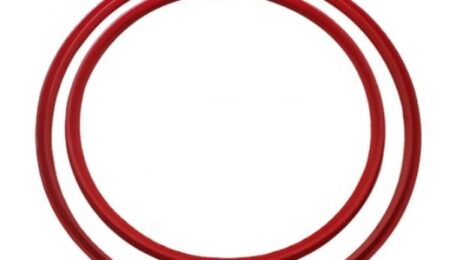
Understanding T Seals in Mining Machinery and Spare Parts
When it comes to the efficient functioning of mining machinery, the importance of seals cannot be overstated. One specific type that plays a critical role is the T seal. In this comprehensive article, we will dive deep into everything you need to know about T seals, their applications, and their relevance in mining machinery spare parts.
What is a T Seal?
A T seal is a specific type of seal, characterized by its unique cross-sectional shape that resembles the letter ‘T’. This design is particularly effective in providing reliable sealing and preventing the leakage of fluids in various applications. Primarily used in hydraulic applications, T seals ensure that the machinery operates smoothly and efficiently, reducing wear and tear on components.
The Importance of T Seals in Mining Machinery
Mining machinery is subjected to extreme conditions, including high pressure and abrasive materials. T seals are essential in these environments because they effectively prevent leaks that can lead to machinery downtime and increased operational costs. Moreover, they help in protecting sensitive components from dust and moisture, enhancing the longevity and performance of mining equipment.
Types of T Seals Used in Mining
- Standard T Seals: Commonly used for various applications within mining machinery.
- Double-acting T Seals: Designed to function effectively in both directions, making them suitable for more complex hydraulic systems.
- Custom T Seals: Tailored T seals that meet specific requirements based on the machinery’s design and application.
Material Considerations for T Seals
The performance of T seals heavily depends on the material used in their construction. Common materials include:
- Hydraulic Rubber: Excellent for general applications due to its good sealing properties.
- Polyurethane: Known for its durability and resistance to wear and tear.
- Fluoroelastomers: Ideal for high-temperature and chemical-resistance scenarios.
Installation of T Seals in Mining Machinery
Proper installation is crucial for effective sealing. Here are some steps and considerations for installing T seals:
- Ensure the sealing surfaces are clean and free of debris.
- Apply suitable lubricant to avoid damage during installation.
- Carefully position the T seal into the designated groove, ensuring it fits properly without twisting.
Maintenance Tips for T Seals in Mining Equipment
Maintaining T seals can significantly prolong their life and ensure optimal machinery performance. Here are some tips:
- Regularly inspect seals for any signs of wear or damage.
- Monitor hydraulic fluid levels to prevent seal degradation.
- Replace seals promptly if leaks are detected.
Common Issues with T Seals in Mining Machinery
Understanding the issues related to T seals can help in preventive maintenance:
- Hardening: Over time, seals can harden due to thermal exposure, leading to a loss of elasticity.
- Extrusion: Incorrectly sized seals may extrude from their grooves under pressure, causing leaks.
- Wear: Continuous friction can lead to gradual wear, necessitating regular inspection and replacement.
Cost-Effectiveness of T Seals in Mining Operations
Investing in high-quality T seals can yield significant cost savings. By preventing potential leaks, T seals reduce the likelihood of machinery failure, which in turn minimizes downtime and repair costs. Additionally, their durability reduces the frequency of replacement, making them financially advantageous in the long run.
Choosing the Right T Seal for Your Mining Equipment
Selecting the appropriate T seal involves several factors:
- Understand the specific requirements of your machinery.
- Consider the operating environment, including temperature and exposure to chemicals.
- Consult with suppliers for recommendations based on your machinery’s specifications.
Future Trends in T Seals for Mining Machinery
The mining industry is constantly evolving, and so are the materials and technologies used in T seals. Some future trends include:
- Smart Seals: Incorporating sensors to monitor seal integrity in real-time.
- Eco-Friendly Materials: Increasing emphasis on sustainable materials in seal production.
- Customization: Advanced manufacturing techniques allowing for tailored T seal solutions.
FAQs About T Seals in Mining Machinery
What are T seals used for in mining machinery?
T seals are primarily used to prevent fluid leaks in various hydraulic applications within mining machinery, ensuring optimal performance and longevity.
How do I know if my T seal needs to be replaced?
Signs that a T seal needs replacement include visible leaks, hardening or cracking of the seal material, and decreased machinery performance.
Are T seals easy to install?
Yes, T seals are relatively easy to install, but it requires proper cleaning of the sealing surfaces and careful placement to ensure effectiveness.
What materials are T seals made from?
T seals can be made from various materials, including hydraulic rubber, polyurethane, and fluoroelastomers, depending on the application’s specific needs.
Can I use the same T seal for different mining machinery?
While some T seals may be interchangeable, it is best practice to select a seal that is specifically designed for the individual requirements of each piece of machinery.
Conclusion
T seals play a fundamental role in the performance and reliability of mining machinery. By understanding their applications, types, and maintenance, mining operations can enhance equipment longevity, reduce costs, and improve overall productivity. Investing in quality T seals is not merely a maintenance task; it is a strategic decision that can significantly impact the efficiency of mining operations.
LSI and NLP Keywords
- Hydraulic seals
- Sealing solutions
- Mining equipment maintenance
- Machinery spare parts
- Fluid containment
- Heavy machinery seals
- Seal performance
- Leak prevention
- Industrial seals
- Seal design
- Seal installation
- Seal materials
- Mining machinery efficiency
- Preventive maintenance
- Seal replacement
- Mining operations
- Mining industry trends
- Published in Products
The Ultimate Guide to U Seals in Mining Machinery and Spare Parts
The Ultimate Guide to U Seals in Mining Machinery and Spare Parts
Mining machinery plays a critical role in the extraction of minerals and metals from the earth. Within this domain, the functionality of components like U seals is paramount. U seals are essential for ensuring that machinery operates effectively and efficiently by preventing leaks and enhancing the longevity of equipment.
What are U Seals?
U seals, often referred to as U-shaped seals, are designed to provide a sealing function in various applications, including mining machinery. They are characterized by their unique U shape, which allows them to fit snugly into the grooves of equipment components, preventing fluid or dirt ingress and egress.
Types of U Seals Used in Mining Machinery
There are several types of U seals utilized in mining operations:
- Hydraulic U Seals: Primarily used in hydraulic systems for preventing fluid leakage.
- Pneumatic U Seals: Designed for applications involving gas seals, crucial in pneumatic machinery.
- Rotary U Seals: Used in rotating equipment, providing a robust seal under varying conditions.
The Importance of U Seals in Mining Machinery
U seals play a vital role in maintaining the operational integrity and efficiency of mining machinery. Their advantages include:
- Leak Prevention: They effectively prevent the escape of hydraulic fluids, essential in maintaining pressure in systems.
- Enhanced Longevity: By reducing wear and tear due to contamination, U seals contribute to the prolonged lifespan of machinery.
- Cost Efficiency: Preventing leaks reduces maintenance costs and downtime, allowing for continuous operation.
Key Applications of U Seals in Mining Machinery
U seals find multiple applications within the mining sector. Common uses include:
- Excavators: Ensuring the hydraulic systems function smoothly.
- Dump Trucks: Sealing mechanisms to prevent fluid leaks.
- Drilling Equipment: Protecting sensitive components from dust and debris ingress.
Choosing the Right U Seal for Your Mining Machinery
Selecting the appropriate U seal involves several considerations:
- Material: U seals come in various materials like rubber, polyurethane, and PTFE, each offering distinct advantages.
- Size: Ensuring the seal fits correctly into the designated groove is critical for performance.
- Temperature and Pressure Ratings: Understanding the operational environment helps in choosing a seal that withstands the conditions.
Maintenance Tips for U Seals
To maximize the lifespan of U seals, follow these maintenance tips:
- Regular Inspections: Frequently check for signs of wear or damage.
- Fluid Quality: Ensure that the fluids used in the machinery are of high quality to avoid contamination.
- Proper Installation: Always ensure seals are installed correctly to prevent premature failure.
Common Problems with U Seals in Mining Machinery
Despite their importance, U seals can sometimes fail. Common issues include:
- Compression Set: Over time, seals may lose their elasticity leading to leaks.
- Contamination: Dirt and debris can cause wear on the seal surface, leading to leaks.
- Improper Alignment: Misalignment during installation can result in premature failure.
Upgrading U Seals: When and Why?
Knowing when to upgrade U seals is crucial to maintaining operational efficiency. Signs that indicate the need for an upgrade include:
- Frequent leaks from seals.
- Increased maintenance downtime.
- Performance issues related to equipment.
Upgrading to modern materials or designs can offer enhanced performance and reliability.
Cost Factors for U Seals in Mining Machinery
Understanding the costs associated with U seals is essential for budgeting. Factors influencing costs include:
- Material Type: High-performance materials typically come at a premium.
- Quantity Ordered: Bulk orders can reduce per-unit costs.
- Brand Reputation: Established brands may charge more due to perceived reliability.
FAQs about U Seals in Mining Machinery
What are U seals primarily used for?
U seals are primarily used for sealing hydraulic and pneumatic systems in mining machinery to prevent fluid leakage.
How do I know when to replace my U seals?
Look for signs such as visible leaks, reduced equipment performance, or increased maintenance needs as indicators for replacement.
What materials are U seals made from?
U seals can be constructed from various materials, including rubber, polyurethane, and PTFE, depending on their application.
Can I install U seals myself?
While it’s possible to install U seals yourself, proper tools and knowledge about the machinery are crucial for a successful installation.
What is the typical lifespan of a U seal?
The lifespan of a U seal can vary widely based on the operational conditions and the quality of the seal, but generally, they should be inspected regularly for wear.
Conclusion
U seals are a vital component in the realm of mining machinery, ensuring that equipment operates smoothly without leaks. By understanding their types, applications, and maintenance requirements, mining operations can enhance efficiency, reduce costs, and improve equipment longevity. Investing in quality U seals and adhering to best practices for their upkeep will lead to better machinery performance and reduced unexpected downtime.
- Published in Products
