


A Comprehensive Guide to Head Bolts and Lock Bolts in Mining Machinery
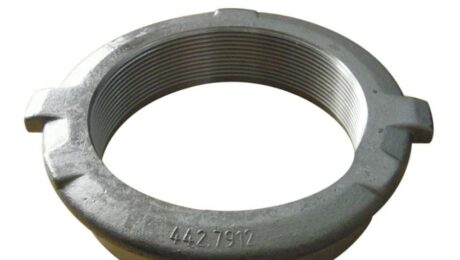
A Comprehensive Guide to Head Bolts and Lock Bolts in Mining Machinery
In the extensive realm of mining machinery, understanding the components that ensure system integrity is crucial for optimal performance. Among these components, the head bolt and lock bolt play vital roles in maintaining the stability and functionality of heavy machinery used in mining operations. This article delves deep into the intricacies of head bolts and lock bolts, their applications, differences, and essential spare parts management.
Understanding Head Bolts
Head bolts are a key component in a variety of machinery, providing structural integrity and facilitating connections between parts. In mining machinery, head bolts are crucial for securing the engine components and other high-stress areas.
Types of Head Bolts
- Standard Head Bolts: Commonly used in various machinery with specific dimensions and specifications.
- Specialty Head Bolts: Custom designed for specific applications in mining machinery to withstand extreme conditions.
- High-Performance Head Bolts: Manufactured from superior materials, offering increased resistance to wear and tear.
The Importance of Lock Bolts
Lock bolts are engineered to provide a secure fastening solution that prevents loosening due to vibrations and mechanical stress. In mining applications, where equipment faces strenuous operational conditions, lock bolts are essential.
Applications of Lock Bolts
- Structural Connections: Used in frameworks involving heavy machinery.
- Engine Components: Essential for securing parts against significant vibrations.
- Mining Equipment Assemblies: Commonly found in conveyor systems, crushers, and excavators.
Differentiating Head Bolts and Lock Bolts
While both head bolts and lock bolts serve essential functions in mining machinery, they differ significantly in design and purpose. Understanding these differences helps in selecting the appropriate fasteners for specific applications.
Comparative Analysis
| Head Bolt | Lock Bolt |
|---|---|
| Typically has a larger head for easier gripping. | Designed with a locking mechanism to prevent loosening. |
| Used primarily for assembly and structural integrity. | Used in applications where vibration is a concern. |
| Can require regular inspection and replacement. | Lasts longer due to its locking design. |
Common Issues with Head Bolts and Lock Bolts
Ensuring the proper functioning of head bolts and lock bolts is critical. Common issues include:
- Corrosion: Environmental factors can lead to rust and degradation, particularly in mining environments.
- Loosening: Without proper installation, fasteners may loosen over time, leading to equipment failure.
- Wear and Tear: High-stress applications may cause bolts to wear down, necessitating replacement.
Choosing the Right Spare Parts for Head Bolts and Lock Bolts
When it comes to maintaining mining machinery, selecting the right spare parts is essential for longevity and performance. Considerations include:
- Material Quality: Choose high-grade materials for durability.
- Specifications: Ensure the specifications match the machinery requirements.
- Compatibility: Verify that parts are compatible with existing components.
Best Practices for Maintenance
Regular maintenance can significantly extend the lifespan of head bolts and lock bolts. Here are some best practices to consider:
- Regular Inspections: Schedule routine checks for wear and corrosion.
- Proper Lubrication: Use appropriate lubricants to reduce friction and wear.
- Correct Torque Settings: Always adhere to specified torque settings during installation.
Frequently Asked Questions (FAQ)
- What are head bolts?
- Head bolts are fasteners used to secure various components in machinery, ensuring structural integrity.
- What are lock bolts used for?
- Lock bolts are fasteners designed to prevent loosening due to vibrations, commonly used in high-stress applications.
- How do I know if a head bolt or lock bolt needs replacing?
- Signs of wear, corrosion, or damage are indicators that it is time to replace head bolts or lock bolts.
- Can head bolts be reused?
- It’s generally not recommended to reuse head bolts due to risk of failure; always consult manufacturer guidelines.
- What materials are used to make head bolts and lock bolts?
- Common materials include high-strength steel, alloyed materials, and sometimes stainless steel for corrosion resistance.
Conclusion
In the dynamic field of mining machinery, the roles of head bolts and lock bolts cannot be overstated. Proper understanding, maintenance, and replacement of these components are vital for operational efficiency and safety. By adhering to best practices in spare parts management and maintenance, operators can ensure the longevity and reliability of their mining equipment. Always consult with professionals when in doubt about the specific requirements for your machinery’s components.
- Published in Products
The Comprehensive Guide to Anti Clogging Screen Meshes in Mining Machinery

Understanding Anti Clogging Screen Meshes in Mining Machinery
In the mining industry, efficiency and reliability are of utmost importance. One critical component that significantly contributes to these factors is the anti clogging screen meshes. These specialized meshes help maintain optimal operational conditions for various mining machinery, making them a vital part of the equipment.
What Are Anti Clogging Screen Meshes?
Anti clogging screen meshes are designed to prevent the blockage of materials during the screening process. They are manufactured using innovative technologies and materials that enhance their effectiveness in diverse mining applications.
How Do Anti Clogging Screen Meshes Work?
The functionality of anti clogging screen meshes relies on their unique design and structure, which allows for better flow of materials while preventing clogging. These meshes use various configurations, such as square, rectangular, or diamond openings, depending on the specific mining process requirements.
Types of Anti Clogging Screen Meshes
There are several types of anti clogging screen meshes available, including:
- Woven Wire Mesh: Traditional and versatile, ideal for various applications.
- Polyurethane Mesh: Known for its durability and flexibility, suitable for abrasive materials.
- Self-Cleaning Mesh: Designed to automatically remove stuck materials, enhancing operational efficiency.
- Perforated Plates: Offers larger openings for coarse materials while minimizing clogging risks.
Benefits of Using Anti Clogging Screen Meshes in Mining Machinery
Implementing anti clogging screen meshes in mining machinery provides numerous advantages:
- Increased Efficiency: Reduces downtime caused by clogging, allowing for uninterrupted operations.
- Improved Material Separation: Ensures better quality of extracted materials by maintaining accurate sizing.
- Longer Equipment Lifespan: Protects other components of mining machinery from damage caused by material buildup.
Choosing the Right Anti Clogging Screen Mesh
When selecting an anti clogging screen mesh, consider the following factors:
- Material Type: Choose a material that can withstand the specific conditions of your mining operation.
- Mesh Opening Size: Ensure that the mesh opening size meets the requirements of the materials being processed.
- Durability: Select a mesh that offers high durability to reduce replacement frequency.
Installation and Maintenance of Anti Clogging Screen Meshes
The proper installation and maintenance of anti clogging screen meshes are crucial for ensuring their efficiency. Follow these guidelines:
- Ensure that the mesh is installed correctly to avoid misalignment.
- Regularly inspect the mesh for signs of wear or damage.
- Clean the mesh periodically to prevent buildup that can lead to clogging.
Common Problems and Solutions Related to Anti Clogging Screen Meshes
Understanding potential issues can help mitigate problems:
- Clogging: Adjust the feed rate or switch mesh type if clogging persists.
- Wear and Tear: Consider using more durable materials or upgrading to a self-cleaning mesh.
- Misalignment: Regularly check and align meshes during installation to prevent operational inefficiencies.
FAQ Section
What is the purpose of anti clogging screen meshes in mining machinery?
Anti clogging screen meshes are designed to prevent material blockage during the screening process, enhancing operational efficiency.
How do I choose the right anti clogging screen mesh?
When selecting a mesh, consider factors such as material type, mesh opening size, and durability to ensure it meets your specific needs.
What are the benefits of using anti clogging screen meshes?
The benefits include increased efficiency, improved material separation, and longer equipment lifespan.
How often should I clean anti clogging screen meshes?
It is recommended to clean the meshes periodically, depending on the type of materials being processed.
Can anti clogging screen meshes be customized?
Yes, many manufacturers offer customization options for specific mining applications.
Conclusion
In conclusion, anti clogging screen meshes are an essential component in mining machinery, contributing to the efficiency and reliability of operations. By understanding their functions, benefits, and maintenance requirements, mining companies can optimize their processes and reduce operational costs.
LSI and NLP Keywords
anti-clogging technology, mining screens, screen mesh types, high-efficiency screen, industrial mesh solutions, mining equipment parts, material screening, mining machinery maintenance, mesh durability, self-cleaning technology, vibration screens, preventive maintenance strategies, materials handling, mineral processing equipment, screening efficiency, mining spare parts.
- Published in Products
The Essential Guide to Screen Meshes in Mining Machinery and Spare Parts
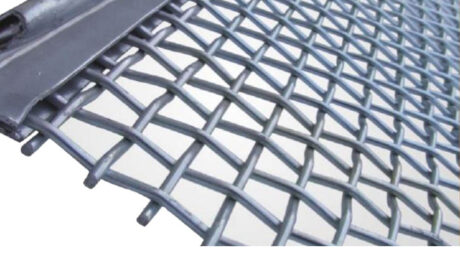
The Essential Guide to Screen Meshes in Mining Machinery and Spare Parts
Screen meshes are a critical component in mining machinery, playing a vital role in the effectiveness and efficiency of mining operations. In this article, we will explore everything you need to know about screen meshes, including their types, applications, manufacturing processes, and their importance in the mining industry.
1. What are Screen Meshes?
Screen meshes, also known as screening media, are materials used to separate particles of varying sizes during mining operations. They are essential for ensuring optimal performance of machinery that involves mineral processing, aggregate production, and more.
2. Types of Screen Meshes
2.1. Woven Wire Mesh
Woven wire mesh is a versatile type of screen mesh made from metal wire. It is commonly used for mineral and aggregate screening.
2.2. Perforated Plates
Perforated plates are metal sheets with holes punched through them. They provide excellent durability and are ideal for heavy-duty applications.
2.3. Polyurethane Screens
These screens are made from durable polyurethane material, offering high resistance to wear and corrosion.
2.4. Rubber Screens
Rubber screens are designed to provide flexibility and noise reduction, making them suitable for certain mining applications.
3. Applications of Screen Meshes in Mining Machinery
Screen meshes are widely used in various applications within the mining industry, including:
3.1. Mineral Processing
Screen meshes are crucial for separating valuable minerals from waste material.
3.2. Aggregate Screening
In aggregate production, screen meshes help sort different-sized materials for construction purposes.
3.3. Coal and Sand Mining
Screen meshes are employed to extract coal and other materials effectively.
4. Importance of Quality Screen Meshes
The quality of screen meshes can significantly impact the efficiency of mining operations. Factors such as the mesh size, material type, and durability all play a role in determining performance.
4.1. Enhancing Efficiency
High-quality screen meshes optimize the separation process, leading to increased productivity.
4.2. Reducing Downtime
Durable screen meshes minimize the frequency of replacements, thus reducing downtime in mining operations.
5. Selecting the Right Screen Mesh
Choosing the right screen mesh involves considering various factors:
5.1. Material Type
Evaluate the material that the screen mesh will handle.
5.2. Mesh Size
Determine the required mesh size based on the particle sizes needing separation.
5.3. Environmental Conditions
Consider the environmental factors that may affect the screen mesh’s performance.
6. Maintenance of Screen Meshes
Regular maintenance is essential to prolong the life of screen meshes. Some maintenance tips include:
6.1. Regular Inspections
Conduct regular inspections to identify wear and damage.
6.2. Cleaning
Keep screens clean to prevent material buildup that can hinder performance.
7. Screen Mesh Manufacturing Process
Understanding the manufacturing process of screen meshes can provide insights into their quality and durability.
7.1. Material Selection
Choose appropriate materials based on intended use.
7.2. Fabrication Methods
Explore various fabrication methods such as weaving, perforating, or molding.
7.3. Quality Control
Implement rigorous quality control measures to ensure consistent product quality.
8. Challenges in Screen Mesh Usage
Mining operations may face various challenges when using screen meshes, including:
8.1. Wear and Tear
Screen meshes are subject to wear, which can affect performance.
8.2. Material Blockage
Material clogging can significantly hinder the separation process.
9. Future Trends in Screen Meshes
The mining industry continually evolves, and so does the technology behind screen meshes. Trends to watch include:
9.1. Innovative Materials
Research into new materials for improved performance.
9.2. Sustainability Efforts
Shift toward more sustainable and eco-friendly screen mesh solutions.
10. Conclusion
Screen meshes are indispensable in the mining industry, ensuring effective material separation. By understanding their types, applications, and maintenance, mining operations can enhance efficiency and reduce downtime.
FAQ
What are screen meshes used for in mining?
Screen meshes are used to separate particles of different sizes in various mining applications, improving the efficiency of the extraction process.
How do I choose the right screen mesh?
Consider the material type, mesh size, and environmental conditions when selecting the appropriate screen mesh for your needs.
What materials are commonly used to make screen meshes?
Common materials include metal wire, polyurethane, rubber, and perforated plates.
How often should screen meshes be inspected?
Regular inspections should be conducted, ideally daily or weekly, depending on the operational environment.
What is the benefit of using high-quality screen meshes?
High-quality screen meshes enhance efficiency, reduce downtime, and improve overall productivity in mining operations.
- Published in Products
Understanding Feed Eye Rings: An Essential Component in Mining Machinery and Spare Parts
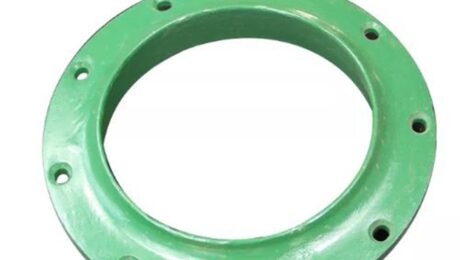
Understanding Feed Eye Rings: An Essential Component in Mining Machinery and Spare Parts
Mining operations rely heavily on specialized machinery to extract minerals efficiently. One of the critical components that ensure optimal performance of these machines is the feed eye ring. In this article, we will explore everything you need to know about feed eye rings, their importance in mining machinery, and the spare parts associated with them.
What is a Feed Eye Ring?
A feed eye ring is a crucial component found in various types of mining equipment, specifically designed to manage the flow of materials into a system. This ring helps in the effective distribution of materials, ensuring that the machinery operates smoothly without blockages.
The Importance of Feed Eye Rings in Mining Machinery
Feed eye rings play an essential role in the overall efficiency of mining machinery. They help maintain material flow, reduce wear and tear on other components, and ultimately influence the productivity of mining operations.
Applications of Feed Eye Rings in Mining Operations
Feed eye rings are utilized in a variety of mining processes including:
- Coal mining
- Metal extraction
- Aggregate production
- Mineral processing
Types of Feed Eye Rings
Different types of feed eye rings are used depending on the machinery and the specific requirements of the mining operation. Some common types include:
- Standard Feed Eye Rings
- Custom Feed Eye Rings
- Wear-Resistant Feed Eye Rings
- High-Temperature Feed Eye Rings
Materials Used in Manufacturing Feed Eye Rings
Feed eye rings are typically made from high-quality materials such as:
- High-carbon steel
- Alloy steel
- Composite materials
- Rubber compounds
How to Choose the Right Feed Eye Ring for Your Machinery
Selecting the appropriate feed eye ring is vital for ensuring that your mining machinery operates efficiently. Key factors to consider include:
- Compatibility with existing machinery
- Material composition
- Size and dimensions
- Operating conditions
Maintenance Tips for Feed Eye Rings
Proper maintenance of feed eye rings is crucial for prolonging their lifespan and ensuring optimal performance. Here are some tips to keep in mind:
- Regularly inspect for wear and tear
- Replace damaged rings promptly
- Keep the surrounding area clean
- Lubricate as required
Common Issues with Feed Eye Rings
Feed eye rings may experience several issues over time, such as:
- Material blockages
- Excessive wear
- Incompatibility with machinery
- Thermal damage
Buying Feed Eye Rings: A Guide for Mining Operations
When purchasing feed eye rings for your mining machinery, consider the following:
- Choose reputable suppliers
- Compare prices and quality
- Check for warranties and returns
- Look for customer reviews
The Role of Spare Parts in Mining Machinery
In addition to feed eye rings, several spare parts are necessary for maintaining the functionality of mining machinery. Regular replacement of these parts can prevent costly downtime.
FAQ Section
What is the function of a feed eye ring in mining machinery?
A feed eye ring manages material flow into the machinery, ensuring optimal performance and preventing blockages.
How do I know when to replace a feed eye ring?
Replace a feed eye ring if you notice excessive wear, damage, or if it is not functioning effectively.
Can I use a feed eye ring from a different manufacturer?
Using a feed eye ring from a different manufacturer may not ensure compatibility, which could lead to operational issues. Always choose compatible parts.
What materials are feed eye rings made from?
Feed eye rings are typically made from high-carbon steel, alloy steel, composite materials, and various rubber compounds.
How can I maintain my feed eye rings?
Regular inspection, prompt replacement of damaged rings, keeping the area clean, and proper lubrication are essential for maintenance.
LSI and NLP Keywords Related to Feed Eye Rings
- Mining equipment parts
- Material flow management
- Mining machinery components
- Wear-resistant components
- Spare parts for mining machinery
- High-performance mining equipment
- Material distribution rings
- Mining machinery maintenance
- Durable mining supplies
- Mining industry components
- Mining machinery efficiency
- Custom machinery components
- Feed distribution systems
- Mining operational efficiency
- Mining machinery wear parts
Conclusion
In conclusion, feed eye rings are vital components in mining machinery that contribute significantly to the efficiency and effectiveness of mining operations. By understanding their functions, applications, and maintenance requirements, mining companies can ensure they select the right components for their machinery and maintain optimal productivity.
- Published in Products
Comprehensive Guide to Feed Tubes in Mining Machinery and Spare Parts

Comprehensive Guide to Feed Tubes in Mining Machinery and Spare Parts
Mining machinery plays a crucial role in the extraction and processing of minerals, and among the various components that ensure efficient operation is the feed tube. This article delves into everything you need to know about feed tubes, their importance in mining equipment, and the spare parts associated with them.
Understanding Feed Tubes in Mining Machinery
Feed tubes are integral components of mining machinery, designed to facilitate the transfer of materials through various stages of the mining process. They are commonly found in machines such as crushers, screens, and feeders.
Types of Feed Tubes
1. Standard Feed Tubes
Standard feed tubes are used in various mining equipment to transport materials efficiently. They are usually made from durable materials to withstand harsh conditions.
2. Custom Feed Tubes
Custom feed tubes can be manufactured to fit specific machinery requirements, providing a tailored solution for specialized mining operations.
3. Heavy-Duty Feed Tubes
These feed tubes are built for rugged applications involving heavy materials and continuous use, ensuring longevity and reduced downtime.
Materials Used in Feed Tube Manufacturing
Feed tubes can be constructed from various materials, each offering unique benefits depending on the application:
- Steel: Offers strength and durability.
- Aluminum: Light-weight, which can improve efficiency.
- Polymer Composites: Resistant to corrosion and wear.
Importance of Feed Tubes in Mining Operations
Feed tubes play a vital role in ensuring the smooth operation of mining processes:
- Efficiency: They optimize the movement of materials, increasing overall efficiency.
- Safety: Properly functioning feed tubes reduce the risk of spills and accidents.
- Cost-effectiveness: Quality feed tubes reduce maintenance costs and downtime.
Feed Tube Maintenance and Care
Maintaining feed tubes is critical to prolong their lifespan. Here are some essential maintenance tips:
- Regularly inspect feed tubes for signs of wear or damage.
- Clean feed tubes to prevent material buildup, which can lead to blockages.
- Ensure proper lubrication and adjust tension on connected machinery.
Common Problems with Feed Tubes
Feed tubes can experience various issues that affect their performance:
- Blockages: Caused by material buildup.
- Wear and Tear: Over time materials can degrade, affecting functionality.
- Mismeasurement: Incorrect sizes can lead to inefficiencies.
Upgrading Your Feed Tubes
Consider upgrading your feed tubes if you face frequent downtime or inefficiencies. Enhancements can include:
- Material upgrades for improved durability.
- Custom designs tailored for specific applications.
- Advanced technology integration for monitoring performance.
Where to Buy Feed Tubes and Spare Parts
When searching for feed tubes and spare parts, consider these options:
- OEM manufacturers for original equipment replacement parts.
- Aftermarket suppliers offering cost-effective alternatives.
- Specialized mining machinery suppliers for exact fit components.
FAQ Section
What is a feed tube in mining machinery?
A feed tube is a component that facilitates the transfer of materials through various mining processes, ensuring efficient operation.
What materials are feed tubes made from?
Common materials include steel, aluminum, and polymer composites, chosen based on the application requirements.
How can I maintain my feed tubes effectively?
Regular inspections, cleaning, and proper lubrication are essential to maintaining feed tubes and extending their lifespan.
What signs indicate I need to replace my feed tube?
Signs include excessive wear, blockages, or frequent machinery breakdowns that are traceable to feed tube issues.
Where can I find custom feed tubes for my machinery?
Custom feed tubes can be sourced from specialized manufacturers or suppliers that offer tailored solutions.
A List of Related Keywords and Terms
Here are some LSI and NLP keywords related to feed tubes and mining machinery:
- Mining machinery
- Spare parts
- Material handling
- Feed hoppers
- Conveyor systems
- Crawler loaders
- Crushing equipment
- Screening machinery
- Mining spare parts suppliers
- Replacement feed tubes
- Mining equipment maintenance
- Industrial tubing
- Mining industry safety
- Mining operations efficiency
- Heavy-duty machinery parts
- Custom engineering solutions
- Material wear resistance
- Equipment reliability
- Operational cost reduction
- Mining process optimization
- Published in Products
The Comprehensive Guide to Wear Plates in Mining Machinery and Spare Parts

The Comprehensive Guide to Wear Plates in Mining Machinery and Spare Parts
In the world of mining machinery, durability and efficiency are paramount. One of the critical components that contribute to these qualities is the wear plate. Wear plates are essential in protecting heavy equipment from premature wear and tear. This article will delve into everything you need to know about wear plates, including types, materials, applications, maintenance, and much more.
1. What is a Wear Plate?
A wear plate is a specialized component used in mining machinery to provide protective barriers against wear from heavy operations. They are typically made from high-strength materials designed to withstand the aggressive conditions of mining environments.
2. Types of Wear Plates
Different wear plates serve various functions in mining machinery. Here are some common types:
- Steel Wear Plates: Known for their strength and durability, these plates are often used in high-impact areas.
- Polyurethane Wear Plates: These plates offer excellent resistance to abrasion and are lightweight, making them ideal for certain applications.
- Tungsten Carbide Wear Plates: Known for their exceptional hardness, these plates provide long-lasting protection in the harshest conditions.
- Composite Wear Plates: These are made of a combination of materials, delivering both flexibility and rigidity.
3. Materials Used in Wear Plates
The selection of material is crucial for the effectiveness of wear plates. Common materials include:
- High-strength Steel
- Hardox and Strenx Steels
- Polyethylene
- Polycarbonate
- Tungsten Carbide
4. Applications of Wear Plates in Mining Machinery
Wear plates find application in various heavy mining equipment such as:
- Excavators
- Loaders
- Dump trucks
- Crushers
- Conveyors
5. The Importance of Wear Plates in Mining Operations
Wear plates are critical in maintaining the efficiency and longevity of mining equipment. They reduce downtime and maintenance costs significantly, leading to improved overall productivity.
6. Maintenance of Wear Plates
Regular inspection and maintenance are essential for ensuring the wear plates perform effectively:
- Routine Inspections: Regular checks can foresee wear and tear, allowing for timely replacements.
- Cleaning: Keeping the area around wear plates clean from debris extends their life.
- Proper Installation: Ensures that wear plates are fitted correctly to minimize movement and damage.
7. How to Choose the Right Wear Plate
When selecting wear plates, consider the following factors:
- Type of material required based on application.
- Thickness and size relevant to the machine.
- Budget constraints versus performance needs.
8. Cost Factors of Wear Plates
The cost of wear plates can vary based on material, size, and design. Understanding these factors helps companies manage their budgets effectively.
9. Wear Plates vs. Other Protective Solutions
Wear plates are often compared to other protective solutions like liners and coatings. It’s essential to understand their unique benefits:
- Wear plates provide a solid physical barrier, while coatings offer chemical protection.
- Wear plates are typically more durable in high-impact cases.
10. FAQs about Wear Plates
What is the primary function of a wear plate?
The primary function of a wear plate is to protect equipment from wear and tear caused by abrasive materials and harsh environmental conditions.
How often should wear plates be replaced?
The replacement frequency of wear plates depends on the level of wear experienced. Regular inspections will help determine the optimal replacement time.
Can wear plates be repaired?
In some cases, wear plates can be repaired or reconditioned, but often replacement is more cost-effective for heavily worn plates.
What are the signs that a wear plate needs replacement?
Signs include visible wear, cracks, abnormal noise during operation, and negative effects on equipment performance.
Where can I purchase mining machinery wear plates?
You can purchase wear plates from specialized suppliers, mining machinery manufacturers, and online marketplaces catering to industrial equipment needs.
LSI and NLP Keywords Related to Wear Plates
- Mining Equipment
- Maintenance
- Heavy Duty
- Protective Gear
- Abrasive Wear
- Protective Liners
- High-Impact Areas
- Mining Spare Parts
- Durability
- Cost-Effective Solutions
- Efficiency in Mining
Conclusion
Wear plates play a vital role in the longevity and productivity of mining machinery. Understanding their types, applications, and maintenance can significantly enhance operational efficiency. By selecting the right wear plates and maintaining them properly, mining operations can achieve maximum performance and reduced costs.
- Published in Products
The Ultimate Guide to Mining Machinery Distributors and Spare Parts

The Ultimate Guide to Mining Machinery Distributors and Spare Parts
Mining machinery plays a critical role in the extraction of valuable resources from the earth. The demand for reliable and durable machinery in this sector is immense, making mining machinery distributors essential to the industry’s supply chain. This comprehensive guide delves into the various aspects of mining machinery, distributor roles, and the importance of spare parts.
1. Introduction to Mining Machinery and Distributors
Mining machinery refers to the equipment used in the extraction, transportation, and processing of minerals and resources. Distributors of mining machinery are key players in ensuring that mining companies have access to the right equipment and spare parts necessary for efficient operations.
2. What is a Mining Machinery Distributor?
A mining machinery distributor is a company or individual that supplies various types of mining equipment to end-users in the mining industry. These distributors are vital in connecting manufacturers with mining operations, providing both new machinery and essential spare parts.
3. Types of Mining Machinery Offered by Distributors
- Excavators – Used for digging and moving earth and minerals.
- Dump Trucks – Essential for transporting materials away from extraction sites.
- Bulldozers – Used for land clearing, grading, and shifting heavy materials.
- Drilling Rigs – For exploration and extraction of mineral deposits.
- Conveyors – Essential for moving materials across different stages of processing.
4. The Role of Spare Parts in Mining Machinery
Spare parts are critical for maintaining and repairing mining machinery. Efficient operations require that equipment is functioning optimally, and having access to genuine, high-quality spare parts is essential for reducing downtime.
5. Why Choose Authorized Distributors for Mining Machinery?
Choosing authorized distributors for mining machinery ensures that mining companies receive quality products that meet industry standards. These distributors provide:
- Access to genuine parts and machinery.
- Expert advice and support.
- Warranties and guarantees on equipment.
6. How to Choose the Right Mining Machinery Distributor
Factors to consider when selecting a mining machinery distributor include:
- Reputation: Look for reviews and testimonials.
- Product Range: Ensure they offer the types of machinery you need.
- Customer Support: Evaluate the level of support offered.
- Pricing: Compare prices to ensure value for money.
7. Trends in the Mining Machinery Industry
The mining machinery industry is evolving with advancements in technology and sustainability. Trends include:
- Increased automation in machinery.
- Eco-friendly equipment alternatives.
- Innovation in spare part manufacturing.
8. Frequently Asked Questions (FAQ)
What are the main functions of mining machinery?
Mining machinery is designed for various functions including drilling, excavation, hauling, and transporting materials.
How do distributors ensure the quality of mining machinery?
Authorized distributors procure equipment directly from manufacturers, ensuring compliance with safety and performance standards.
What should I look for in spare parts?
Always choose genuine parts that are compatible with your machinery to maintain performance and warranty compliance.
Are there benefits to purchasing used mining machinery?
Yes, purchasing used equipment can be cost-effective, but it’s crucial to ensure the machinery is in good condition and from a reputable distributor.
How can I reduce downtime in mining operations?
Regular maintenance, having access to spare parts, and choosing reliable machinery can significantly reduce downtime.
9. LSI and NLP Keywords Related to Mining Machinery
- Heavy equipment
- Mining equipment suppliers
- Mining machinery maintenance
- Excavator parts
- Heavy machinery distributors
- Mining spare parts
- Construction equipment
- Mining vehicles
- Earthmoving machinery
- Industrial machinery suppliers
10. Conclusion
Mining machinery distributors are integral to the success of mining operations. By providing access to high-quality machinery and essential spare parts, they help minimize downtime and improve productivity. Investing time in selecting the right distributor can greatly benefit mining companies in achieving their operational goals.
- Published in Products
The Comprehensive Guide to Feed Cone in Mining Machinery and Spare Parts
Understanding Feed Cone in Mining Machinery
Feed cones are essential components in mining machinery, playing a critical role in the efficient operation of various equipment used in the extraction process. This article delves into the intricacies of feed cones, their applications, maintenance, and best practices in the mining industry.
What is a Feed Cone?
A feed cone is a conical component that directs material flow into the operational area of mining machines. Its design allows for gravity-fed material to enter machines such as crushers and mills smoothly, minimizing blockages and ensuring effective processing.
Importance of Feed Cones in Mining Machinery
Feed cones are integral to the functionality of mining machinery. They help in:
- Efficient Material Handling: Properly designed feed cones enable the smooth transition of materials from one stage of processing to another.
- Reducing Wear and Tear: By providing a controlled flow of materials, feed cones minimize wear on other machinery components.
- Enhancing Safety: A well-maintained feed cone decreases the likelihood of buildup that can lead to hazardous situations.
Types of Feed Cones
Feed cones vary based on their application in different types of mining machinery:
- Cone Crushers: Used to direct ore into the crushing area.
- Ball Mills: Helps in feeding the right quantity of material for grinding.
- Hydraulic Shovels: Guides material into the digging bucket efficiently.
Materials Used in Manufacturing Feed Cones
The materials utilized in making feed cones are crucial for their performance and durability:
- Steel: Commonly used due to its strength and resistance to wear.
- Alloys: Certain alloys provide enhanced durability against abrasive materials.
- Rubber: Sometimes used for specific applications where flexibility is needed.
Maintenance of Feed Cones
Regular maintenance of feed cones is vital for ensuring optimal performance. Here are some key practices:
- Inspection: Routine inspections to check for wear, damage, and clogs.
- Cleaning: Regular cleaning to prevent material buildup that can obstruct flow.
- Replacement: Prompt replacement of worn or damaged cones is necessary to maintain operational efficiency.
Common Issues with Feed Cones
Operators may face several challenges related to feed cones:
- Clogging: Can happen due to material accumulation.
- Wear and Tear: Natural degradation over time affects performance.
- Poor Design: Ineffective feed cone designs can lead to flow issues.
Feed Cone Sizing and Design Considerations
Correct sizing and design of feed cones are crucial:
- Flow Rate: Must accommodate the specific flow rate requirements of the machinery.
- Material Type: Different materials may require varied designs for effective handling.
- Application-Specific Features: Incorporating features that enhance performance in specific applications.
How to Select the Right Feed Cone for Your Equipment
Selecting the appropriate feed cone involves understanding your operational requirements:
- Compatibility: Ensure the cone fits the machinery specifications.
- Durability: Choose materials that withstand your operational conditions.
- Supplier Credibility: Source from reputable manufacturers.
Innovations in Feed Cone Technology
Recent advancements have improved feed cone efficiency:
- Smart Design: Improved geometries for better flow management.
- Material Improvements: Enhanced alloys and composites for increased longevity.
- Performance Monitoring: Integration of sensors to track performance in real-time.
FAQs About Feed Cones
What is the primary function of a feed cone in mining machinery?
The primary function of a feed cone is to direct the flow of material into mining machinery, ensuring efficient processing and reducing the likelihood of blockages.
How often should feed cones be inspected?
Feed cones should be inspected regularly, typically as part of the overall maintenance schedule for the machinery they are installed in.
What materials are feed cones typically made of?
Feed cones are commonly made from steel, alloys, or rubber, depending on their intended application and the materials they will handle.
Can a feed cone wear out?
Yes, feed cones can wear out over time due to constant exposure to abrasive materials and regular operational stress.
What are the signs of a malfunctioning feed cone?
Signs of a malfunctioning feed cone include clogging, unusual noises during operation, and decreased machinery efficiency.
Conclusion
Understanding and properly maintaining feed cones is essential for the smooth operation of mining machinery. By ensuring the correct selection and maintenance practices, operators can enhance productivity and prolong the lifespan of their equipment.
LSI and NLP Keywords Related to Feed Cone
- Coal Mining
- Material Handling Equipment
- Mineral Processing
- Crusher Efficiency
- Mining Equipment Parts
- Spare Parts for Mining Machines
- Mining Operations
- Mining Machinery Manufacturing
- Industrial Mining Equipment
- Cone Crusher Parts
- Ball Mill Feed
- Mining Supply Chain
- Crushing and Grinding Machines
- Heavy Equipment Maintenance
- Mining Industry Standards
Related Words
- Feed Hopper
- Conveyor Belts
- Wear Plates
- Excavation Equipment
- Ore Processing
- Aggregate Production
- Mining Safety
- Equipment Optimization
- Component Replacement
- Published in Products
The Importance of Frame Liners in Mining Machinery and Spare Parts

The Importance of Frame Liners in Mining Machinery and Spare Parts
Mining machinery operates in harsh environments, and one of the critical components that ensure its efficiency and longevity is the frame liner. Frame liners are integral in protecting the structural integrity of various mining equipment, from excavators to haul trucks. This article delves deep into the significance of frame liners, their types, applications, and maintenance practices.
What is a Frame Liner?
A frame liner serves as a protective lining within the frame of mining machinery. Typically made from materials like UHMW polyethylene or other durable steel alloys, frame liners are designed to absorb the impact and stress that machinery encounters when performing in demanding conditions.
Types of Frame Liners
- Steel Frame Liners: Used in high-impact applications, providing strength and durability.
- Polyurethane Frame Liners: Known for their excellent abrasion resistance, making them ideal for reducing wear on equipment.
- UHMW Frame Liners: Ultra-high molecular weight options provide superior impact resistance and are often used in high-friction applications.
Benefits of Using Frame Liners
Implementing frame liners in mining machinery offers numerous advantages:
- Protection Against Wear: Frame liners minimize the damage caused by abrasive materials.
- Increased Equipment Lifespan: By reducing wear and tear, frame liners extend the life of machinery.
- Cost-Effectiveness: Decreasing maintenance needs and unplanned downtime results in cost savings.
Applications of Frame Liners in Mining
Frame liners are critical in several types of mining machinery:
- Excavators: Protect the boom and arm from wear.
- Dump Trucks: Shield the chassis against tire explosions and heavy material impacts.
- Loaders: Provide reinforcement against abrasive materials.
How to Choose the Right Frame Liner
When selecting a frame liner, consider the following factors:
- Material Compatibility: Ensure the liner is compatible with the machinery’s operating environment.
- Thickness and Size: Choose dimensions that match the wear patterns of your equipment.
- Impact Resistance: Select liners rated for the specific impact levels expected in your operations.
Installation of Frame Liners
Proper installation is crucial for maximizing the benefits of frame liners:
- Preparation: Thoroughly clean the area where the frame liner will be installed.
- Alignment: Ensure proper alignment of the liner within the frame for effective protection.
- Fastening: Secure the liner using appropriate fasteners that can withstand the stresses of mining operations.
Maintenance Tips for Frame Liners
Regular maintenance helps prolong the life of frame liners:
- Regular Inspections: Periodically check for signs of wear and replace liners as needed.
- Cleaning: Remove debris and dirt that may cause premature wear.
- Lubrication: Apply lubrication to sliding surfaces to minimize friction.
Frame Liners vs. Other Wear Protection Solutions
Frame liners are just one solution for wear protection. Alternatives include:
- Armor Plates: Best for heavy-duty applications.
- Rubber Linings: Effective in damp environments.
- Coatings: Used for light-duty wear protection.
FAQs About Frame Liners
What materials are commonly used for frame liners?
Frame liners are typically made from steel, polyurethane, or UHMW polyethylene, depending on the application and environment.
How often should frame liners be replaced?
Frame liners should be inspected regularly, and replacement is recommended when significant wear is observed.
Can frame liners improve equipment performance?
Yes, by protecting the machinery and reducing downtime due to maintenance, frame liners can enhance overall equipment performance.
Are frame liners customizable?
Many manufacturers offer customizable frame liners to fit specific machinery designs and operational needs.
Where can I purchase frame liners for mining machinery?
Frame liners can be purchased from specialized mining equipment suppliers or manufacturers that focus on mining machinery spare parts.
Conclusion
In conclusion, frame liners are essential components in mining machinery that provide protection, enhance performance, and reduce operating costs. When selecting, installing, and maintaining frame liners, operators can significantly extend the life of their equipment and ensure productivity in their mining operations. Regular attention to frame liner conditions is vital, making them a top priority for mining operations aiming for efficiency and durability.
- Published in Products
The Importance of Nuts in Mining Machinery and Spare Parts

The Importance of Nuts in Mining Machinery and Spare Parts
Nuts play a crucial role in the functionality of mining machinery and its spare parts. These small yet significant components are essential for securing various moving parts, ensuring the safety and efficiency of mining operations. In this comprehensive article, we will explore the different types of nuts used in mining machinery, their applications, and why they are vital for maintaining equipment performance.
What are Nuts in Mining Machinery?
Nuts are fasteners with a hexagonal shape that fit onto bolts and screws, allowing parts to be securely tightened. In mining machinery, nuts are used in a variety of applications, from holding together large structural components to securing smaller parts in engines and hydraulic systems.
Types of Nuts Used in Mining Machinery
1. Hex Nuts
Hex nuts are perhaps the most common type of nuts used in mining machinery. They have six sides, allowing for easy gripping and turning. These nuts are frequently made from high-grade materials to withstand the harsh conditions often found in mining environments.
2. Lock Nuts
Lock nuts are designed to prevent loosening due to vibrations and movement. These are essential in mining machinery where constant motion can cause traditional nuts to become loose over time.
3. Nylon Insert Lock Nuts
These nuts feature a nylon insert that grips the bolt as the nut is tightened, providing extra resistance against loosening. Nylon insert lock nuts are ideal for use in vibration-prone applications typical in mining operations.
4. Flange Nuts
Flange nuts have a wider base, which provides more surface area for load distribution. This makes them advantageous in mining machinery for securing components that experience heavy loads.
5. Cap Nuts
Cap nuts have an enclosed end, which protects the threads of the bolt and enhances safety by eliminating sharp edges. They’re often used in exposed applications in mining equipment.
Applications of Nuts in Mining Machinery
1. Structural Components
Nuts are vital in securing the structural integrity of mining machinery such as excavators and haul trucks. They hold frames, booms, and other components together, ensuring equipment can withstand heavy loads.
2. Engine Assemblies
The engines in mining machinery are complex assemblies held together with various nuts and bolts. Ensuring these connections are secure is critical for engine performance and longevity.
3. Hydraulic Systems
Nuts are essential in hydraulic systems that power various operations in mining. They prevent leaks and ensure that hydraulic components remain tightly connected.
The Role of Nuts in Maintenance of Mining Machinery
Regular maintenance of mining machinery often involves inspecting and replacing nuts and bolts. A loose nut can lead to serious mechanical failures, downtime, and costly repairs. It is essential that mining companies prioritize regular inspections to ensure that all nuts are tightened and in good condition.
Nuts vs. Bolts: Understanding the Relationship
Nuts and bolts are often discussed together, but it is important to understand their distinct roles. While a bolt is designed to hold two or more pieces of material together, the nut acts as a secure locking mechanism that can be tightened or loosened as needed. The correct selection of both nuts and bolts is crucial for optimal performance in mining machinery.
Nuts: Sourcing Quality Spare Parts
When sourcing nuts for mining machinery spare parts, it is vital to choose high-quality materials that meet industry standards. This ensures durability and reliability in tough mining conditions. Understanding the specifications, such as thread type and material strength, can lead to safer and more efficient machinery.
Common Problems Related to Nuts in Mining Machinery
1. Rust and Corrosion
Due to exposure to harsh conditions, nuts can corrode, leading to failures. Regular inspections and anti-corrosion treatments can mitigate this.
2. Vibrations
Vibrations can cause nuts to loosen, leading to mechanical issues. Using lock nuts or additional safety devices can help prevent this problem.
Future Trends in Nuts Usage in Mining Machinery
The future of nuts in mining machinery may see advances in materials, such as the use of composite materials that offer increased strength and corrosion resistance. Additionally, smart technology could be integrated to monitor nut tension in real time, ensuring optimal performance.
Frequently Asked Questions (FAQs)
1. What materials are nuts made from in mining machinery?
Nuts in mining machinery are typically made from steel, stainless steel, and sometimes specialized alloys designed to withstand harsh environmental conditions.
2. How often should nuts be checked in mining equipment?
It is recommended to check nuts regularly during planned maintenance schedules, typically every few months or as per the manufacturer’s guidelines.
3. What type of nut is best for high-vibration applications?
Lock nuts and nylon insert nuts are the best options for high-vibration applications as they provide enhanced resistance against loosening.
4. Can nuts be reused in mining machinery?
While some nuts can be reused, it is important to inspect them thoroughly for wear, corrosion, or damage before reuse. In high-stress applications, it’s often safer to replace nuts.
5. What are the consequences of using the wrong nut size in mining machinery?
Using the wrong size can lead to inadequate tightening, leading to component failure, safety hazards, and costly repairs.
LSI and NLP Keywords related to Nuts in Mining Machinery
- Fasteners
- Mining bolts
- Mining components
- Heavy machinery
- Nuts and bolts
- Maintenance
- Vibration resistance
- Corrosion protection
- Mining equipment spare parts
- Mechanical integrity
- Mining industry standards
- Industrial fasteners
- Casting nuts
- Threaded fasteners
- High-grade materials
Other Related Terms
- Mining maintenance
- Machine parts
- Equipment durability
- Mining operations
- Mechanical engineering
- Screws
- Washers
- Thread types
- Secure fastening
- Mining safety
- Published in Products
