


The Ultimate Guide to Bolts in Mining Machinery and Their Spare Parts

The Ultimate Guide to Bolts in Mining Machinery and Their Spare Parts
Mining operations rely heavily on machinery that performs under extreme conditions. The strength, durability, and reliability of this machinery are critical, and one of the most fundamental components that contribute to these attributes is the bolt. Bolts are used to secure various components of mining machinery and ensure operational efficiency. This comprehensive guide explores the significance of bolts in mining machinery, the types available, maintenance procedures, and the importance of spare parts.
Understanding Mining Machinery Components
Mining machinery encompasses various equipment, including excavators, loaders, drills, and haul trucks. Each of these machines consists of numerous components, many of which are fixed together using bolts. Understanding the role of bolts in these machines is essential for maintaining productivity.
Types of Bolts Used in Mining Machinery
1. Standard Bolts
Standard bolts are widely used in mining machinery for their versatility and general application.
2. High-Strength Bolts
These bolts are designed to withstand high levels of tension and are crucial in heavy-duty machinery.
3. Structural Bolts
Used primarily in the fabrication and assembly of steel structures, structural bolts play a significant role in mining equipment.
4. Flange Bolts
Flange bolts offer a larger bearing surface and are often used when the material could be damaged by a standard bolt head.
5. Locking Bolts
These bolts prevent loosening due to vibrations, which is critical in heavy machinery operations.
The Importance of Quality Bolts in Mining Machinery
Quality bolts enhance the safety and longevity of mining equipment. Poor quality bolts can lead to catastrophic failures, resulting in costly downtimes and dangerous work environments.
How to Choose the Right Bolts for Mining Applications
When selecting bolts for mining machinery, consider material strength, corrosion resistance, and suitability for the specific machine. Factors like load conditions, environmental conditions, and regulatory requirements are also crucial.
Maintenance and Replacement of Bolts in Mining Machinery
Regular inspection and maintenance of bolts are essential to ensure safety and prolong the life of mining equipment. Bolts should be tightened according to specifications, and any signs of wear must be addressed immediately.
Mining Machinery Spare Parts: Focus on Bolts
Having an inventory of spare bolts is vital for minimizing downtime. Understanding the different types of spare bolts allows for appropriate replacements that meet machinery specifications.
Understanding Bolt Specifications
Bolts are classified based on their size, shape, strength grade, and coating. Specifications such as ISO, ANSI, and ASTM standards govern the quality and performance of bolts.
Innovations in Bolt Technology for Mining Machinery
New technologies, such as advanced materials and manufacturing processes, are enhancing bolt performance in mining applications. Understanding these innovations can aid in making informed purchasing decisions.
Frequently Asked Questions (FAQ)
What is the most common type of bolt used in mining machinery?
The most commonly used bolts are standard bolts, though high-strength and structural bolts are also prevalent due to their specific applications.
How often should bolts be inspected in mining equipment?
Bolts should be inspected regularly, ideally at every maintenance check, and any signs of wear should be addressed immediately.
Can I use regular bolts in mining machinery?
It is crucial to use bolts specifically designed for mining applications to ensure safety and durability under extreme conditions.
What are the consequences of using low-quality bolts?
Using low-quality bolts can lead to equipment failure, increased maintenance costs, and, in severe cases, accidents in the workplace.
Where can I find spare bolts for my mining machinery?
Spare bolts can be found through specialized suppliers, online mining equipment retailers, or directly from equipment manufacturers.
Conclusion
Bolts are a vital component of mining machinery, ensuring safe and efficient operation. A thorough understanding of the types, specifications, and maintenance practices related to bolts can significantly enhance machinery performance and longevity. Investing in high-quality bolts and maintaining a stock of spare parts is essential for any mining operation.
LSI & NLP Keywords
- Mining equipment bolts
- Heavy machinery bolts
- Mining machinery safety
- Bolts and nuts
- Mining machinery maintenance
- Industrial bolts
- Corrosion-resistant bolts
- High-strength fasteners
- Machinery spare parts
- Load-bearing bolts
- Machine assembly bolts
- Structural fasteners
- Mining equipment spare parts
- Bolt maintenance
- Mining drill bolts
- Excavator bolts
- Load testing bolts
- Mining machinery reliability
- Fastening technology in mining
- Mechanical bolting
- Mining performance optimization
- Published in Products
The Essential Guide to Toggle Seats in Mining Machinery and Their Spare Parts

The Essential Guide to Toggle Seats in Mining Machinery and Their Spare Parts
Mining machinery plays a critical role in the extraction of minerals and resources. Among the various components that ensure the efficient operation of this heavy equipment, the toggle seat is a vital element. This article delves into everything you need to know about toggle seats, their functions, maintenance, and the importance of toggle seat spare parts in the mining industry.
What is a Toggle Seat?
A toggle seat, often found in crushers, is a crucial component that aids in the movement and crushing process. It provides a seating area for the toggle mechanism, facilitating the efficient operation of the equipment. The toggle seat ensures that the crusher’s toggle plate functions effectively, which in turn affects the crushing performance and the overall productivity of mining operations.
Importance of Toggle Seats in Mining Machinery
- Enhances Efficiency: The toggle seat’s design allows for optimal movement, leading to better crushing efficiency.
- Durability: High-quality toggle seats are made from resilient materials, enabling them to withstand harsh mining conditions.
- Cost-Effectiveness: Proper functioning toggle seats reduce the risk of equipment failures, leading to lower operating costs.
Types of Toggle Seats
There are several types of toggle seats available for various mining machinery, including:
- Standard Toggle Seats: Suitable for use in most types of crushers.
- Heavy-Duty Toggle Seats: Designed for high pressure and heavy load conditions.
- Custom Toggle Seats: Tailored to meet specific requirements of unique machinery designs.
Common Materials Used in Toggle Seat Manufacture
Toggle seats are typically manufactured from high-strength materials to ensure durability and performance. Some common materials include:
- Steel: Offers high tensile strength and resistance to wear.
- Cast Iron: Provides excellent compression resistance.
- Alloy Steel: Combines strength with flexibility, ideal for high-stress applications.
Maintaining Toggle Seats in Mining Machinery
Regular maintenance of toggle seats is essential for ensuring their longevity and performance. Here are some key maintenance tips:
- Regular Inspections: Conduct frequent checks for wear and breakage.
- Proper Lubrication: Keep the toggle mechanism lubricated to reduce friction and wear.
- Timely Replacement: Replace worn or damaged toggle seats promptly to avoid further equipment damage.
Buying Toggle Seats: What to Look For
When purchasing toggle seats, consider the following factors:
- Compatibility: Ensure the toggle seat is compatible with your specific machinery.
- Quality and Durability: Look for parts made from high-quality materials.
- Supplier Reputation: Choose a supplier with a proven track record in the mining machinery industry.
Toggle Seat Spare Parts in the Mining Industry
The availability of toggle seat spare parts is crucial for minimizing downtime in mining operations. Ensure that you source spare parts from reliable manufacturers to ensure they meet industry standards.
Frequently Asked Questions (FAQ)
1. What is the main function of a toggle seat in mining machinery?
The primary function of a toggle seat is to provide a stable seating area for the toggle mechanism, allowing for effective crushing and movement within machines.
2. How often should toggle seats be inspected?
Toggle seats should be inspected regularly, typically as part of routine maintenance schedules, to identify any signs of wear or damage.
3. What materials are best for toggle seats?
High-strength materials like alloy steel and cast iron are recommended for toggle seats due to their durability and resistance to wear.
4. Can toggle seats be customized?
Yes, toggle seats can be customized to fit specific machinery designs and operational requirements.
5. Why is it important to use high-quality toggle seat spare parts?
Using high-quality toggle seat spare parts ensures reliable performance, reduces the risk of equipment failure, and ultimately lowers operating costs.
Conclusion
The toggle seat is an essential component in mining machinery, contributing to the overall efficiency, durability, and effectiveness of crushing operations. Understanding the significance of toggle seats and ensuring their proper maintenance and timely replacement can lead to better performance and profitability in mining operations.
List of Related Keywords
- Mining equipment
- Crusher toggle seat
- Mining machinery spare parts
- Toggle plate
- Hydraulic toggle seat
- Replacement toggle seat
- Toggle seat design
- Crusher components
- Mining operations
- Heavy machinery parts
- Durable equipment
- Tensile strength
- Wear resistance
- Mining maintenance
- Published in Products
The Ultimate Guide to Toggle Plates in Mining Machinery

The Ultimate Guide to Toggle Plates in Mining Machinery
In the world of mining machinery, toggle plates play a crucial role in the efficient operation of equipment such as crushers and jaw crushers. This comprehensive guide delves into the importance of toggle plates, their applications, types, maintenance, and spare parts. Understanding the function and necessity of toggle plates can enhance the performance and longevity of mining machinery.
What is a Toggle Plate?
A toggle plate is a key component in mining machinery, used primarily in crushers. Its primary function is to transfer force, allowing the movable jaw to compress material efficiently. When the jaws of the crusher move, the toggle plate pivots, facilitating the crushing process. This simple yet effective design is fundamental to the operation of various types of crushers.
Importance of Toggle Plates in Mining Machinery
Toggle plates are integral to the performance and durability of mining machines. They help protect the machine by absorbing shock and preventing excessive damage. The role of toggle plates extends beyond just transmission of force; they also aid in the efficiency of crushing materials and minimizing wear on other components.
Types of Toggle Plates
- Standard Toggle Plates: These are used in traditional jaw crushers and are made from various materials, including steel.
- Heavy-Duty Toggle Plates: Engineered for high-load applications, these plates provide additional durability.
- Adjustable Toggle Plates: These allow for modifications in the crushing process according to material type and size.
Common Materials for Toggle Plates
Toggle plates are constructed from various materials, depending on their intended use. Some of the common materials include:
- Carbon Steel
- Manganese Steel
- Alloy Steel
- Ceramic-Coated Steel
Applications of Toggle Plates in Mining Machinery
Toggle plates are widely used across the mining industry, most notably in:
- Jaw Crushers
- Stone Crushers
- Impact Crushers
- Granulators
- Shredders
How Toggle Plates Work
When the crusher operates, the toggle plate is subjected to high pressure. As the upper jaw moves, the toggle plate pivots, controlling the movable jaw’s motion. This action ensures that materials are efficiently crushed between the jaws, maximizing output.
Maintenance of Toggle Plates
Regular maintenance of toggle plates is essential for the optimal performance of crushers. Here are some best practices:
- Regular inspections for wear and tear.
- Ensure proper alignment and fit within the machine.
- Replace cracked or damaged toggle plates promptly.
- Lubrication of pivot points to prevent friction.
- Monitoring of operating conditions for adjustments.
Signs of Wear in Toggle Plates
Aging and wear in toggle plates can lead to operational inefficiencies. Common signs include:
- Unusual noises or vibrations during operation.
- Decreased crushing performance.
- Visible cracks or deformities in the toggle plate.
- Incomplete crushing of materials.
Replacing Toggle Plates: A Step-by-Step Guide
To maintain optimal performance of your mining machinery, replacing toggle plates timely is critical. Here’s how to do it:
- Turn off the machinery and ensure it is safe to operate.
- Remove any protective covers to access the toggle plate.
- Unfasten bolts and detach the old toggle plate.
- Install the new toggle plate, ensuring proper alignment.
- Reattach all components and covers, then test the machinery.
Toggle Plate Spare Parts
Availability of high-quality spare parts for toggle plates is critical for minimizing downtime. Considerations when sourcing spare parts include:
- Quality and durability of materials.
- Compatibility with existing machinery.
- Supplier reputation and support services.
How to Buy Toggle Plates and Spare Parts
When searching for toggle plates and spare parts, consumers should:
- Research reputable suppliers specialized in mining machinery.
- Check for certifications and quality guarantees.
- Evaluate pricing versus quality.
- Consider custom manufacturing options for specific needs.
FAQs About Toggle Plates in Mining Machinery
What does a toggle plate do?
The toggle plate transfers force from the motor to the movable jaw, facilitating the crushing action.
How often should toggle plates be replaced?
Replace toggle plates when they show signs of wear, typically every 6-12 months, depending on usage.
Can toggle plates be repaired?
While minor wear can sometimes be repaired, it’s usually more effective to replace worn toggle plates to maintain efficiency.
What materials are toggle plates made from?
Toggle plates are commonly made from carbon steel, manganese steel, alloy steel, and sometimes ceramic-coated materials.
Where can I find spare parts for toggle plates?
Spare parts can be sourced from specialist suppliers, manufacturers of mining machinery, and online retailers.
Conclusion
Understanding toggle plates is essential for anyone involved in the mining machinery sector. Their role in ensuring efficient crushing makes them invaluable components of various mining machines. Regular maintenance, timely replacement, and awareness of material quality can lead to better machinery performance and lower operational costs.
- Published in Products
Countershaft Bushing: An In-Depth Guide to Mining Machinery and Spare Parts

Countershaft Bushing: An In-Depth Guide to Mining Machinery and Spare Parts
Mining machinery plays a vital role in the extraction and processing of minerals, and understanding the components that make up these machines is essential for efficient operations. One crucial component frequently discussed in the context of mining machinery is the countershaft bushing. This article will explore various aspects of countershaft bushings, including their purpose, types, applications, maintenance, and purchasing considerations.
What is a Countershaft Bushing?
The countershaft bushing is a cylindrical piece designed to support and guide the countershaft in heavy mining machinery such as crushers, mills, and screens. It facilitates the smooth movement of the shaft while reducing friction and wear in the assembly.
Importance of Countershaft Bushings in Mining Machinery
Countershaft bushings play a critical role in ensuring the longevity and efficiency of mining equipment. They help in:
- Reducing friction – By providing a low-friction surface for the countershaft, these bushings enable smoother operation.
- Improving performance – Properly functioning bushings enhance the performance of mining machinery.
- Extending equipment life – Regularly maintained bushings can prevent excessive wear on the countershaft and other components.
Types of Countershaft Bushings
There are various types of countershaft bushings, commonly categorized by their materials and designs:
- Bronze Bushings: Known for excellent wear resistance and ability to handle heavy loads.
- Composite Bushings: Made from a mix of materials, including polymers and metals, offering exceptional durability.
- Steel Bushings: Often used in high-torque applications due to their strength.
- Custom Bushings: Tailor-made bushings designed to meet specific machinery requirements.
Applications of Countershaft Bushings in Mining
Countershaft bushings are essential components in various mining machinery, including:
- Jaw Crushers: They help maintain the alignment of the countershaft, ensuring optimal crushing efficiency.
- Ball Mills: Critical for minimizing friction and wear in rotational machinery.
- Screening Equipment: They maintain the movement of the countershaft in vibratory screens, promoting effective material separation.
- Conveyor Systems: Ensures smooth operation and minimizes downtimes caused by friction.
Factors to Consider When Purchasing Countershaft Bushings
When purchasing countershaft bushings, consider the following factors:
- Material: Choose based on the operational environment (e.g., temperature, loads).
- Size and Dimensions: Ensure compatibility with existing machinery.
- Manufacturer Reputation: Opt for reputable suppliers known for quality products.
- Cost-effectiveness: Evaluate the total cost of ownership, including maintenance and durability.
Maintenance of Countershaft Bushings
Proper maintenance of countershaft bushings is crucial to extend their life and prevent costly downtimes:
- Regular Inspections: Check for signs of wear or misalignment.
- Lubrication: Ensure proper lubrication to minimize friction and wear.
- Replacement: Regularly assess the condition and replace worn bushings promptly.
FAQs About Countershaft Bushings
What is the role of a countershaft bushing?
The countershaft bushing supports the countershaft’s motion in mining machinery, reducing wear and friction to enhance performance.
How often should countershaft bushings be replaced?
Replacement frequency depends on usage, wear, and specific machinery guidelines, but regular inspections can help determine the right timing.
What materials are used for countershaft bushings?
Common materials include bronze, composite, steel, and custom combinations tailored for specific operational needs.
Can I use different types of bushings in my machinery?
It is crucial to use the appropriate type of bushing recommended by the machinery manufacturer to ensure performance and safety.
Where can I purchase countershaft bushings?
You can purchase countershaft bushings from specialized mining machinery suppliers, manufacturers, and online marketplaces.
Conclusion
Understanding the importance and functionality of countershaft bushings is vital for maintaining efficiency in mining operations. As a pivotal component in many forms of mining machinery, ensuring their performance through regular maintenance and informed purchasing will ultimately contribute to the success of any mining project.
LSI and NLP Keywords
- Mining Equipment
- Crusher Parts
- Mechanic Components
- Replacement Parts
- Machinery Maintenance
- Industrial Bearings
- Mining Spare Parts
- Countershaft Bearings
- Heavy Equipment
- Mining Operations
- Operational Efficiency
- Mining Component
- Milling Machinery
- Heavy Duty Bushings
- Performance Parts
- Mining Tools
Countershaft bushing maintenance and replacement, mining machinery efficiency, reducing friction in mining machines, bushing materials and applications, purchasing tips for mining machinery parts- Published in Products
The Comprehensive Guide to Eccentric Bushings in Mining Machinery
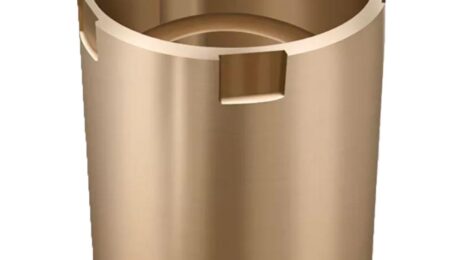
Understanding Eccentric Bushings in Mining Machinery
Eccentric bushings play a critical role in the operation of mining machinery, ensuring efficient performance and longevity of equipment. This guide details the various aspects of eccentric bushings, including their definitions, applications, benefits, maintenance, and much more.
What is an Eccentric Bushing?
An eccentric bushing is a cylindrical component designed to fit around a shaft, with a bore that is offset from the center of the bushing. This design enables adjustments to the position of rotating machinery, making it vital in applications such as crushers and screens in mining operations.
Applications of Eccentric Bushings in Mining Machinery
Eccentric bushings are widely used across the mining industry. They facilitate multiple functions, including:
- Enhancing the performance of jaw crushers.
- Improving operational efficiency of cone crushers.
- Providing critical support in vibrating screens.
Benefits of Using Eccentric Bushings
Incorporating eccentric bushings into mining machinery offers numerous advantages:
- Increased equipment lifespan: They reduce wear and tear on components.
- Improved performance: Eccentric bushings optimize operational efficiencies.
- Cost-effectiveness: Reduced need for frequent replacements leads to savings.
Types of Eccentric Bushings
Various types of eccentric bushings cater to different machinery in the mining industry:
- Fixed Eccentric Bushings: Stationary components used in fixed installations.
- Adjustable Eccentric Bushings: Offer adjustability to fine-tune rotation.
Material Considerations for Eccentric Bushings
The material of eccentric bushings significantly affects performance and durability. Common materials include:
- Steel: Used for its strength and durability.
- Bronze: Provides excellent resistance to wear.
- Composite materials: Used for specific applications requiring enhanced thermal resistance.
Maintenance of Eccentric Bushings
Regular maintenance of eccentric bushings ensures optimal performance. Important maintenance tips include:
- Routine inspections for wear and damage.
- Regular lubrication to reduce friction.
- Immediate replacement of worn parts to prevent further damage.
Eccentric Bushings vs. Other Bushings in Mining Machinery
Understanding the differences between eccentric bushings and other types of bushings like plain and sleeve bushings can help in selecting the right component for specific applications. Eccentric bushings offer unique adjustability that can address specific operational needs.
Choosing the Right Eccentric Bushing for Your Equipment
Selecting the appropriate eccentric bushing depends on various factors:
- Compatibility with existing machinery.
- Application requirements and load conditions.
- Material suitability for working conditions.
Suppliers of Eccentric Bushings for Mining Machinery
Finding a reliable supplier for eccentric bushings ensures quality and performance. Look for suppliers that:
- Offer warranties and guarantees on their products.
- Provide detailed product specifications and performance data.
- Have a good reputation in the industry.
Frequently Asked Questions (FAQs)
What is the function of an eccentric bushing?
The function of an eccentric bushing is to offset the position of a shaft, enabling adjustments and enhancing machine performance in mining operations.
How do I know when to replace my eccentric bushing?
Replacement should be considered when wear patterns are evident, such as scoring, excessive play, or operational inefficiencies.
Can I use eccentric bushings in other industries?
While primarily utilized in mining, eccentric bushings can also be found in construction, manufacturing, and automotive applications.
Conclusion
In conclusion, eccentric bushings are an integral component of mining machinery, contributing to performance efficiency, durability, and cost-effectiveness. By understanding their functions, types, and maintenance requirements, businesses can ensure optimal operation of their equipment.
- Published in Products
The Comprehensive Guide to Breaker Bars in Mining Machinery: Importance, Usage, and Spare Parts
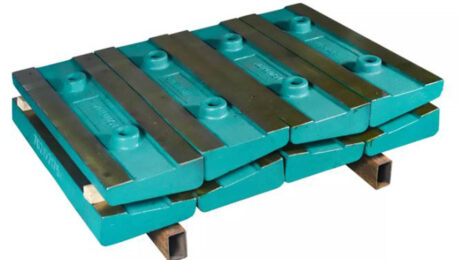
The Comprehensive Guide to Breaker Bars in Mining Machinery: Importance, Usage, and Spare Parts
Breaker bars play a pivotal role in the operational efficiency of mining machinery. Understanding their components, functionalities, and maintenance can significantly improve machinery performance and lifespan. In this extensive guide, we will delve into the ins and outs of breaker bars, including their types, applications, spare parts, and much more.
1. What is a Breaker Bar?
A breaker bar is a critical component in various types of mining equipment, specifically designed for the purpose of providing leverage and additional force to assist in breaking through hard materials. They are primarily used in conjunction with other machinery, enhancing the overall effectiveness of mining operations.
2. The Importance of Breaker Bars in Mining Machinery
Breaker bars enhance the productivity and efficiency of mining equipment, ensuring the optimal functioning of machinery such as crushers and grinders. Their ability to handle tough materials is invaluable in the mining industry.
2.1 Enhancing Operational Efficiency
By utilizing a breaker bar, operators can reduce the amount of manual labor needed, minimizing downtime and increasing the throughput of the machinery.
2.2 Reducing Wear and Tear on Machinery
Breaker bars are designed to absorb shock and impact, thereby protecting other critical components of mining machinery from excessive wear and tear.
3. Types of Breaker Bars
Different types of breaker bars are available, each designed for specific applications and machinery types.
3.1 Fixed Breaker Bars
These are permanently attached to the machinery and provide consistent performance for breaking tough materials.
3.2 Adjustable Breaker Bars
These allow for customization according to operational needs, offering flexibility depending on the job requirements.
3.3 Replacement Breaker Bars
When original breaker bars wear out, replacement bars are essential to maintain the efficiency of the mining equipment.
4. Applications of Breaker Bars in Mining
Breaker bars are integral to various mining processes, including:
- Crushing operations
- Rock breaking
- Material handling
- Drilling assistance
5. Selecting the Right Breaker Bar
Choosing the appropriate breaker bar involves considering factors such as the type of material being processed, machine specifications, and required durability.
6. Maintenance and Care for Breaker Bars
Proper maintenance is crucial to ensure longevity and optimal performance of breaker bars. Regular inspections, lubrication, and timely replacement of worn-out parts are essential.
6.1 Inspection Practices
Regularly check for cracks, wear, and structural integrity to avoid unexpected failures during operations.
6.2 Lubrication Tips
Use appropriate lubricants to minimize friction and wear on the bars.
7. Breaker Bar Spare Parts
Understanding the available spare parts for breaker bars can help in maintaining machinery performance. Common spare parts include:
- Breaker bar assemblies
- Wear plates
- Mounting hardware
- Adjustment mechanisms
8. Innovations in Breaker Bar Technology
Recent advancements have led to the development of more durable materials and designs that enhance the efficiency and lifespan of breaker bars.
9. FAQs about Breaker Bars
9.1 What materials are breaker bars made from?
Breaker bars are typically made from high-strength steel or other durable alloys designed to withstand harsh operating conditions.
9.2 How often should breaker bars be replaced?
This depends on usage, but a good rule of thumb is to inspect them regularly and replace them at the first sign of wear.
9.3 Can I use aftermarket breaker bars?
Yes, aftermarket parts are available, but ensure they meet the original specifications to avoid compatibility issues.
9.4 What are the signs of a failing breaker bar?
Common signs include excessive vibration during operation and visible signs of wear such as cracks or chips.
9.5 How do I properly install a breaker bar?
Follow manufacturer guidelines for installation, ensuring that all bolts and fittings are secured.
10. Conclusion
Breaker bars are essential components of mining machinery that significantly contribute to efficient operation. By understanding their function, types, maintenance, and the importance of spare parts, mining companies can optimize their equipment’s performance and ensure longevity. Stay informed about innovations in breaker bar technology to make well-informed decisions regarding your mining operations.
11. Related Keywords
- Mining equipment
- Heavy machinery parts
- Rock crushing equipment
- Maintenance of mining machinery
- Spare parts for crushers
- High-strength steel bars
- Durability in mining operations
- Material handling solutions
- Impact resistance tools
- Leveraging mining machinery
- Published in Products
The Essential Guide to Flywheels in Mining Machinery and Spare Parts
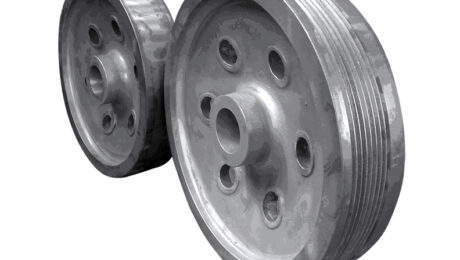
The Essential Guide to Flywheels in Mining Machinery and Spare Parts
Flywheels play a crucial role in the operation and efficiency of mining machinery. Understanding their function, design, and maintenance can significantly affect the performance and lifespan of heavy equipment in the mining industry. This comprehensive guide delves into various aspects of flywheels, their types, applications, and how they relate to mining machinery and spare parts.
What is a Flywheel?
A flywheel is a mechanical device specifically designed to store rotational energy. Typically constructed from heavy materials, it helps maintain rotational speed and deliver consistent torque by smoothing out fluctuations in power. In the context of mining machinery, flywheels are integral components that ensure the smooth operation of engines and heavy-duty machinery.
Types of Flywheels in Mining Machinery
There are several types of flywheels used in mining machinery, including:
- Single Plate Flywheel: Used in various engines, it helps in reducing vibration and promoting a stable operation.
- Dual Flywheel Systems: These systems employ two flywheels to improve the torque output and efficiency of larger mining equipment.
- Hybrid Flywheel Systems: These systems combine flywheel technology with other energy storage methods, providing advanced solutions for energy recovery.
Applications of Flywheels in Mining Machinery
Flywheels are used in numerous applications within the mining sector, including:
- Excavators: Flywheels enhance the efficiency of excavators by providing additional torque when needed.
- Drilling Equipment: In drilling machines, flywheels help maintain optimal speeds and reduce power surges.
- Crushers and Grinders: Flywheels are essential in maintaining consistent performance in crushing operations.
Importance of Flywheels in Mining Machinery Performance
The role of flywheels in the performance of mining machinery cannot be overstated. They provide stability, enhance torque, and improve fuel efficiency, ultimately leading to decreased operational costs. By mitigating vibrations and ensuring smooth power delivery, flywheels also significantly reduce wear and tear on machinery.
Flywheel Maintenance and Spare Parts
Proper maintenance of flywheels is critical to ensure their efficient functioning. Regular inspections and timely replacement of worn-out parts are necessary to avoid catastrophic failures. Key maintenance tasks include:
- Regular Inspections: Routine checks should be done to assess wear and tear.
- Lubrication: Proper lubrication reduces friction and prolongs the life of the flywheel.
- Replacement: Any signs of significant damage should prompt the immediate replacement of the flywheel.
Where to Buy Flywheels and Spare Parts
When purchasing flywheels and spare parts for mining machinery, it is essential to source them from reputable suppliers. Consider looking for:
- OEM Parts: Original Equipment Manufacturer parts ensure compatibility and reliability.
- Aftermarket Options: High-quality aftermarket flywheels can provide cost-effective alternatives.
Frequently Asked Questions (FAQs)
What is the primary function of a flywheel in mining machinery?
The primary function of a flywheel in mining machinery is to store and regulate rotational energy, providing consistency in power delivery and enhancing efficiency.
How do I know when to replace a flywheel?
Signs of wear, such as cracks, excessive vibrations, or performance issues, indicate that a flywheel should be replaced.
Can I use aftermarket flywheels in my mining equipment?
Yes, aftermarket flywheels can be used, provided they meet the required specifications for your equipment.
LSI and NLP Keywords Related to ‘Flywheel’
- Rotational energy
- Torque output
- Energy efficiency
- Mining machinery parts
- Heavy-duty equipment
- Mechanical components
- Power delivery
- Energy storage
- Excavators
- Drilling machinery
- OEM spare parts
- Aftermarket components
- Maintenance techniques
- Vibration reduction
- Crushing machinery
- Flywheel design
- Mining operations
- Mechanical integrity
- Heavy machinery performance
- Equipment lifespan
- Flywheel dynamics
- Fuel efficiency
Conclusion
Understanding the role and maintenance of flywheels is vital for optimizing the performance of mining machinery. By ensuring that these essential components are functioning correctly, operators can enhance efficiency, reduce operational costs, and prolong the lifespan of their equipment. Investing in quality flywheels and spare parts is fundamental for any mining operation focused on maximizing productivity and reliability.
- Published in Products
Understanding the Importance of End Frames in Mining Machinery and Spare Parts
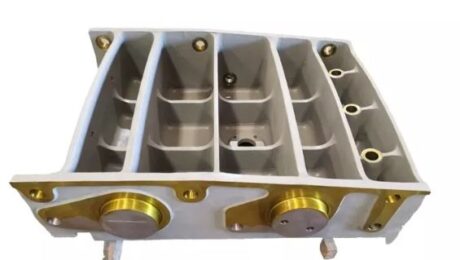
Understanding the Importance of End Frames in Mining Machinery and Spare Parts
The mining industry relies heavily on various types of machinery, essential for the extraction of valuable minerals and resources. Among the critical components of mining machinery are end frames, also known as end plates or end covers. In this comprehensive guide, we will explore the significance of end frames, their types, materials, applications, and more.
What is an End Frame?
The end frame is a structural component in mining machinery that provides support and stability to the equipment. Serving as a critical attachment point for various parts, it ensures that machinery operates smoothly and efficiently.
Types of End Frames in Mining Machinery
There are several types of end frames used in mining machinery, each designed to serve specific functions. Common types include:
- Frame End Plates: These provide a covering for the ends of the machinery, safeguarding its internal mechanisms.
- Engine End Frames: Crucial for engines, these frames support the engine structure and housing.
- Rotary End Frames: Used in machines that involve rotational motion, they ensure proper alignment and stability.
Materials Used for End Frames
End frames are constructed from various materials depending on their specific application and the environmental conditions they face. Common materials include:
- Steel: Known for its strength and durability, often used in heavy-duty mining equipment.
- Cast Iron: Offers excellent resistance to wear, making it ideal for abrasive environments.
- Aluminum: Lightweight and resistant to corrosion, commonly used for smaller machinery.
The Role of End Frames in Mining Equipment
End frames play a vital role in the overall functionality and durability of mining machinery.
1. Providing Structural Integrity
The structural integrity of mining machinery is paramount, and end frames contribute significantly to this by preventing deformation and maintaining alignment during operation.
2. Reducing Vibration and Noise
By anchoring various components, end frames help reduce vibration and noise levels, enhancing operator comfort and equipment longevity.
3. Facilitating Maintenance
End frames allow for easier access to internal machinery parts, streamlining maintenance processes and reducing downtime.
Common Issues with End Frames
Despite their robustness, end frames can encounter several issues, including:
- Wear and Tear: Continuous use can lead to degradation over time.
- Corrosion: If not made from corrosion-resistant materials, end frames are prone to rust and decay.
- Improper Installation: Poor fitting can lead to misalignment and operational inefficiencies.
Choosing the Right End Frame for Your Machinery
When selecting an end frame, consider the following:
- Compatibility: Ensure compatibility with existing machinery.
- Material Durability: Choose materials suited for the operating environment.
- Manufacturer Reputation: Opt for trusted manufacturers with a proven track record.
How to Maintain End Frames in Mining Equipment
Proper maintenance of end frames is essential for optimal machine performance. Here are some maintenance tips:
- Regular Inspections: Routinely check for signs of wear and tear.
- Lubrication: Keep moving parts well-lubricated to reduce friction.
- Prompt Repairs: Address any damage immediately to prevent further issues.
Frequently Asked Questions (FAQ)
What is the function of the end frame in mining machinery?
The end frame provides structural support and stability while facilitating maintenance access.
What materials are end frames typically made from?
Common materials include steel, cast iron, and aluminum, chosen based on specific operational needs.
How can I tell if my end frame needs replacing?
Signs include visible wear, corrosion, or misalignment issues affecting machinery operation.
Are there different types of end frames for various mining machines?
Yes, different types of mining machinery require specific end frame designs to meet their operational demands.
Conclusion
End frames are an indispensable component of mining machinery, ensuring stability, efficiency, and ease of maintenance. Understanding their importance and choosing the right type can significantly impact the performance and longevity of mining equipment.
LSI and NLP Keywords
Mining machinery, end frames, mining equipment, spare parts, structural integrity, frame end plates, engine end frames, rotary end frames, corrosion resistance, maintenance of end frames, mining machinery maintenance, heavy-duty machinery parts, mining operations, vibration reduction, mining machinery components, end frame installation, end frame replacement, mining machinery repair, durable materials for mining, engineering components, mining industry standards.
- Published in Products
The Comprehensive Guide to Pitman in Mining Machinery and Spare Parts

The Comprehensive Guide to Pitman in Mining Machinery and Spare Parts
Mining machinery is essential for extracting various minerals and metals, and the pitman plays a crucial role in the operational efficiency of these machines. This guide will cover every aspect of the pitman, including its functions, types, maintenance, and the importance of spare parts.
What is a Pitman?
A pitman in mining machinery refers to a component designed to transmit motion and force. It serves as the connecting link between the crankshaft and the moving parts of the machine, enabling the operation of various mining equipment.
Functions of a Pitman in Mining Machinery
The primary functions of a pitman include:
- Transmitting Power: It converts rotational motion into linear motion, crucial for the operation of jaw crushers and other equipment.
- Supporting Mechanism: A pitman provides structural support and alignment to the machinery.
- Facilitating Motion: It helps in facilitating the movement of the jaw or other components of the machinery.
Types of Pitman
There are different types of pitmans used in mining machinery:
- Standard Pitman: Typically found in most jaw crushers, contributing to crushing operations.
- Heavy-Duty Pitman: Designed for high-impact applications, these are used in severe mining conditions.
- Custom Pitman: Designed specifically for unique machinery or operation requirements.
Importance of Pitman in Mining Machinery
The pitman is essential for:
- Efficiency: Properly functioning pitmans enhance the overall efficiency of mining operations.
- Durability: High-quality pitmans resist wear and tear, ensuring longevity.
- Cost-Effectiveness: Effective pitman operation minimizes downtime and maintenance costs.
Common Materials Used for Pitman Construction
Materials play a significant role in the performance of pitmans:
- Steel: Often used due to its strength and durability.
- Alloys: Used for specific applications to enhance resistance to corrosion and wear.
- Composite Materials: In some modern applications, composite materials are utilized for weight reduction.
Maintenance of Pitman in Mining Machinery
Proper maintenance ensures the longevity and efficiency of the pitman. Key maintenance practices include:
- Regular Inspections: Frequent checks for wear and tear.
- Lubrication: Ensuring the bearings and joints are well-lubricated to prevent friction.
- Prompt Replacement: Replacing worn-out pitman components before failure occurs.
Signs of a Failing Pitman
Recognizing the signs of a failing pitman can help prevent further damage:
- Unusual noises during operation.
- Shaking or excessive vibrations in machinery.
- Decreased performance of the mining equipment.
Choosing the Right Spare Parts for Pitman
When it comes to selecting spare parts for a pitman, consider the following:
- Quality: Opt for OEM (Original Equipment Manufacturer) parts for best compatibility.
- Material: Ensure materials are suitable for the application.
- Cost: Analyze the cost versus benefits in terms of performance and longevity.
Frequently Asked Questions (FAQ)
What is a pitman in mining machinery?
A pitman is a key component in mining machinery that transmits motion and force, usually found in equipment like jaw crushers.
What are the functions of a pitman?
Its main functions include power transmission, structural support, and facilitating motion within mining machinery.
How often should the pitman be maintained?
Regular inspections should be conducted, with maintenance done as needed, typically every few months or as usage dictates.
What materials are pitmans made from?
Common materials include steel, various alloys, and occasionally composite materials for specific applications.
How do I know if a pitman is failing?
Signs of a failing pitman can include unusual noises, excessive vibrations, and decreased equipment performance.
LSI and NLP Keywords Related to Pitman
- Mining Equipment
- Jaw Crusher
- Crushing Mechanism
- Power Transmission
- Spare Parts
- Mining Machinery
- Heavy Equipment
- Pitman Arm
- Crankshaft
- Maintenance
- Casting
- Pitman Replacement
- Equipment Efficiency
- Durability
- High-Impact Applications
- OEM Parts
- Heavy-Duty Components
- Mining Efficiency
Conclusion
Understanding the role of a pitman in mining machinery is crucial for ensuring operational efficiency and longevity of equipment. Proper maintenance and choosing the correct spare parts not only enhance performance but also contribute to cost-effectiveness in mining operations. For any mining facility, investing in high-quality pitman components and regular maintenance practices will yield significant benefits in the long run.
- Published in Products
Understanding Rotors in Mining Machinery: Essential Insights and Spare Parts

Understanding Rotors in Mining Machinery
The rotor is a crucial component in various types of mining machinery, playing a pivotal role in operations such as crushing, grinding, and material handling. This article dives deep into the importance of rotors, their functions, types, and the significance of rotor spare parts in maintaining optimal machinery performance.
The Role of Rotors in Mining Machinery
Rotors serve as the heart of many mining machines. In crushers, for instance, the rotor helps in breaking down large pieces of material into smaller fragments. Similarly, in grinding machines, the rotor is instrumental in facilitating the milling process. The efficiency and effectiveness of these machines largely depend on the quality and condition of their rotors.
Types of Rotors in Mining Machinery
- Impact Rotors: Used in impact crushers, these rotors are designed for high-speed operations, delivering powerful strikes to break down rocks and ores.
- Drum Rotors: Common in grinders and mills, drum rotors are typically cylindrical and help in the uniform grinding of materials.
- Fan Rotors: Employed in ventilation systems within mines, these rotors ensure proper airflow and temperature control.
- Shredder Rotors: In waste management operations associated with mining, shredder rotors are used to reduce material sizes efficiently.
Importance of Rotor Maintenance
Regular maintenance of rotors is essential to avoid unexpected breakdowns and costly replacements. Techniques such as balancing, alignment checks, and regular inspections can significantly enhance rotor lifespan. Proper lubrication and the timely replacement of worn components also contribute to improving rotor efficiency.
Mining Machinery Spare Parts: Focus on Rotors
When it comes to mining machinery spare parts, rotors are among the most commonly replaced components. Mining operations rely heavily on uptime, and degraded rotors can lead to significant delays. Understanding rotor specifications and sourcing quality spare parts is vital for seamless operations.
Choosing the Right Rotor Spare Parts
To ensure machinery efficiency, choosing the right rotor spare parts is crucial. Factors to consider include compatibility with existing machinery, material quality, and manufacturer reliability. OEM (Original Equipment Manufacturer) parts are often recommended for optimal performance and longevity.
Common Issues with Mining Machinery Rotors
Several issues can arise with rotors, including wear and tear, misalignment, and balancing problems. These issues can lead to decreased performance and increased operational costs. Identifying these problems early through regular maintenance checks can prevent major disruptions in mining operations.
Upgrading Rotors for Enhanced Performance
To maximize efficiency, many mining companies are investing in upgraded rotor designs. Innovations in rotor technology aim to enhance durability and performance, reducing downtime and improving throughput. This section will explore the latest trends and advancements in rotor technology.
Frequently Asked Questions about Mining Machinery Rotors
What is a rotor in mining machinery?
A rotor in mining machinery is a rotating component that plays a crucial role in processes such as crushing, grinding, or material handling. Its design and functionality vary depending on the type of machine.
How do I know when to replace a rotor?
Signs that a rotor needs replacement include excessive wear, vibrations, noise during operation, or a noticeable decrease in performance.
Are OEM rotor spare parts better than aftermarket parts?
In most cases, OEM parts are more reliable due to their quality assurance and compatibility with the machinery, though aftermarket parts may offer cost savings.
What maintenance practices extend rotor life?
Regular inspection, balanced operation, proper lubrication, and timely replacement of worn parts can enhance rotor lifespan significantly.
Can rotor upgrades improve mining efficiency?
Yes, upgrading to advanced rotor designs can lead to improved performance and efficiency, reducing operational downtime.
LSI and NLP Keywords Related to Rotors in Mining Machinery
- Mining Equipment
- Crusher Rotors
- Grinding Rotors
- Ore Processing
- Mining Tools
- Spare Parts for Mining
- Machinery Maintenance
- High-Speed Rotors
- Efficiency in Mining
- Material Handling
- OEM Parts
- Rotor Design
- Impact Crushers
- Drum Crushers
- Rotor Balancing
- Heavy Machinery Parts
- Mining Industry Innovations
- Mineral Processing
- Wear Resistance
- Rotor Upgrades
- Downtime Reduction
- Mining Performance
Conclusion
In summary, rotors are indispensable in the mining machinery sector, influencing both performance and productivity. Understanding the types and maintenance of rotors, along with the importance of spare parts, can greatly enhance operational efficiency in mining operations. By investing in quality rotor spare parts and staying updated with rotor technology advancements, mining companies can ensure long-term success and efficiency.
- Published in Products
