


The Ultimate Guide to Filters in Mining Machinery and Spare Parts

The Ultimate Guide to Filters in Mining Machinery and Spare Parts
Mining machinery plays a vital role in extracting and processing minerals from the earth. To keep this heavy equipment running efficiently, understanding the function of filters is paramount. Filters are essential components that ensure the longevity and reliability of mining machinery. In this article, we will explore the different types of filters, their importance, and how to maintain them effectively.
Table of Contents
- What Are Filters in Mining Machinery?
- Types of Filters Used in Mining Machinery
- Importance of Filters in Mining Machinery
- How to Maintain Filters in Mining Machinery
- Common Problems Associated with Filters
- Where to Source Filters for Mining Machinery
- Advancements in Filter Technology
- Mining Machinery Filter FAQ
What Are Filters in Mining Machinery?
Filters in mining machinery are devices that remove impurities from fluids, such as oil, fuel, and hydraulic systems. They protect the critical components of the machinery from dirt, debris, and contaminants, ensuring optimal performance and safety.
Types of Filters Used in Mining Machinery
There are various types of filters used in mining machinery:
- Oil Filters: Used to clean engine oil and maintain lubrication.
- Fuel Filters: Ensure that the fuel is free from dirt and contaminants.
- Air Filters: Keep the air intake clean to protect engine performance.
- Hydraulic Filters: Remove contamination from hydraulic fluids.
- Cabin Filters: Clean air entering the cabin to protect operators from dust and particulates.
Importance of Filters in Mining Machinery
The importance of filters in mining machinery cannot be overstated:
- They enhance the lifespan of the equipment.
- They improve performance and efficiency.
- They reduce maintenance costs by preventing damage.
- They contribute to safety by minimizing hazards associated with failure.
How to Maintain Filters in Mining Machinery
Maintenance is crucial for ensuring that filters continue to operate properly:
- Regular Inspection: Check filters regularly for signs of wear or clogging.
- Timely Replacement: Replace filters according to the manufacturer’s recommendations.
- Cleanliness: Keep the surrounding area clean to prevent external contamination.
- Use Quality Filters: Always use high-quality filters from reputable manufacturers.
Common Problems Associated with Filters
Some common issues with filters include:
- Clogging: Results from dirt accumulation, leading to reduced flow.
- Bypass: Occurs when filters fail, allowing unfiltered fluids to pass.
- Worn Seals: Can result in leaks and contaminant entry.
- Incorrect Size: Using the wrong size filter can compromise effectiveness.
Where to Source Filters for Mining Machinery
You can source filters for mining machinery from several locations:
- Manufacturer Distributors: Directly from the equipment manufacturer.
- Online Retailers: Various e-commerce websites specializing in spare parts.
- Local Dealers: Authorized local dealers often stock essential parts.
- Aftermarket Suppliers: Offer competitive pricing and alternatives.
Advancements in Filter Technology
Recent advancements in filter technology have led to:
- Improved Filtration Efficiency: Higher quality materials allowing for better impurity removal.
- Longer Lifespan: Enhanced durability reduces the frequency of replacements.
- Smart Filters: Incorporating sensors to monitor filter conditions in real-time.
Mining Machinery Filter FAQ
Q1: How often should I replace filters in mining machinery?
A: It depends on the type of filter and manufacturer’s guidelines, but generally, they should be checked and replaced regularly based on operating conditions.
Q2: What happens if I do not replace filters?
A: Not replacing filters can lead to equipment failure, increased maintenance costs, and hazardous operating conditions.
Q3: Can I use aftermarket filters?
A: Yes, aftermarket filters can be used as long as they meet the specifications required by your equipment.
Q4: How do I know if my filter is clogged?
A: Signs of clogging include reduced performance, unusual engine noises, and warning lights on the dashboard.
Q5: Are synthetic filters better than traditional filters?
A: Synthetic filters often provide better filtration efficiency and lifespan, making them a good choice for demanding applications.
Conclusion
Filters are essential components of mining machinery that play a crucial role in the overall efficiency and safety of operations. Understanding the different types of filters, their importance, and proper maintenance techniques will help ensure that mining machinery operates at its best.
For more information on mining machinery filters, consult with industry experts or refer to manufacturer guidelines.
- Published in Products
The Importance of Lubrication Pumps in Mining Machinery and Spare Parts

The Importance of Lubrication Pumps in Mining Machinery and Spare Parts
Mining machinery plays a crucial role in the extraction and processing of mineral resources. Among various components of mining machinery, the lubrication pump stands out as a vital part that contributes to the overall efficiency and longevity of these machines. This article delves deep into the world of lubrication pumps, their significance, types, applications, maintenance, and how they fit into the broader context of mining machinery and spare parts.
1. Understanding Lubrication Pumps
A lubrication pump is a mechanical device that is essential in ensuring that moving parts of machinery receive the necessary grease or oil to minimize friction, bandwidth, and wear. This controlled application of lubricants is especially critical in a mining environment, where machinery operates under extreme conditions.
1.1 How Lubrication Pumps Work
Lubrication pumps utilize various mechanisms to transport lubricant. Depending on their design, they may use gear, diaphragm, or piston systems to push oil or grease efficiently through a network of hoses to the moving parts. Proper lubrication can lead to reduced downtime and increased productivity in mining operations.
2. The Role of Lubrication Pumps in Mining Machinery
Mining machinery includes heavy equipment such as excavators, loaders, and drill rigs. These machines face extreme pressures and conditions, making lubrication an integral aspect of their operation.
2.1 Reducing Wear and Tear
The primary function of lubrication pumps is to reduce friction among moving machine parts. More often than not, machinery in a mining context operates continuously, leading to significant wear and tear without proper lubrication.
2.2 Enhancing Efficiency
Efficient lubrication directly impacts the efficiency of mining operations. By ensuring all components operate at optimal performance levels, lubrication pumps help machines work harder and last longer, ultimately boosting productivity.
3. Types of Lubrication Pumps
There are several types of lubrication pumps used in mining machinery, each designed to meet different lubrication needs.
3.1 Gear Pumps
Gear pumps are commonly used in mining applications due to their ability to handle high pressures. They are reliable and provide a continuous flow of lubricant.
3.2 Piston Pumps
Piston pumps are another popular choice, especially in situations where high pressure is necessary. They are often used in centralized lubrication systems.
3.3 Diaphragm Pumps
Diaphragm pumps are ideal for pumping thick lubricants like grease. Their design helps in maintaining the quality of lubricants, making them suitable for rugged mining environments.
4. Applications of Lubrication Pumps in Mining
Lubrication pumps are integral to various machinery in the mining sector. Here are some applications:
4.1 Excavators
Excavators require consistent lubrication to prevent damage to joints and hydraulic systems, which are crucial for operation.
4.2 Drilling Rigs
Drilling rigs operate in harsh conditions, and proper lubrication ensures their mechanical parts do not fail under pressure.
4.3 Loaders
Loaders, like excavators, have numerous moving parts that demand regular lubrication to remain functional and efficient.
5. Maintenance of Lubrication Pumps
Proper maintenance of lubrication pumps is critical to ensure they perform optimally and extend the life of mining machinery.
5.1 Regular Inspections
Regularly inspecting lubrication pumps can help detect wear and tear or potential failures before they lead to larger issues.
5.2 Lubricant Quality
Using high-quality lubricants compatible with both the pump and machinery is essential for effective lubrication.
5.3 Timely Replacement of Parts
Components of lubrication pumps should be replaced as per the manufacturer’s guidelines to ensure they do not fail during operation.
6. Benefits of Effective Lubrication Systems
An effective lubrication system leads to a myriad of benefits:
6.1 Cost Savings
By reducing wear, effective lubrication systems save money on repair and replacement costs of machinery parts.
6.2 Increased Production
Minimized downtime through effective lubrication leads to increased production rates in mining operations.
7. Common Problems and Troubleshooting
Here are some common problems encountered with lubrication pumps:
7.1 Low Lubricant Flow
Low flow can lead to inadequate lubrication, which can increase machinery failure risk. It is crucial to check for blockages or pump malfunctions.
7.2 Overheating
Overheating of pumps often results from excessive load or inadequate cooling. Ensuring proper operation conditions is essential.
8. FAQs
8.1 What is a lubrication pump?
A lubrication pump is a device that delivers lubricants to different components of machinery to reduce friction and wear.
8.2 How does a lubrication pump work?
Lubrication pumps work by using mechanical mechanisms such as gears or pistons to push lubricant through a system to various parts that require lubrication.
8.3 Why is lubrication important in mining machinery?
Lubrication is crucial to reduce friction, minimize wear, and ensure the efficient operation of heavy machinery used in mining environments.
8.4 What are the types of lubrication pumps?
The main types include gear pumps, piston pumps, and diaphragm pumps, each suited for specific applications and lubrication needs.
8.5 How can I maintain a lubrication pump?
Maintenance involves regular inspections, using high-quality lubricants, and timely replacement of parts as needed.
9. Conclusion
In conclusion, lubrication pumps are an essential component of mining machinery. By ensuring effective lubrication, these pumps play a crucial role in reducing wear and tear, enhancing efficiency, and significantly impacting the productivity of mining operations. Understanding the importance of lubrication pumps and their proper maintenance can lead to more reliable machinery and a more profitable mining endeavor.
10. Additional Keywords
- Mining equipment lubrication
- Lubrication systems
- Lubrication maintenance
- Mining parts suppliers
- Industrial lubrication pumps
- Heavy machinery lubrication
- Hydraulic lubricants
- Automated lubrication systems
- Grease pumps
- Centrifugal lubrication pumps
- Pneumatic lubrication system
- Oil mist lubrication
- Oil lubrication systems
- Oil filters for pumps
- Lubrication service intervals
- Mining machinery performance
- Spare parts for pumps
- Published in Products
Comprehensive Guide to Gearboxes in Mining Machinery and Spare Parts

Understanding Gearboxes in Mining Machinery
Gearboxes play a crucial role in the operation of mining machinery, ensuring efficient power transmission and control over various mechanical systems. In mining operations, the reliability of machinery is paramount, and gearboxes are at the heart of that reliability. This article explores the different types of gearboxes used in mining, their design, functionality, and the importance of spare parts in maintaining operational efficiency.
What is a Gearbox?
A gearbox is a mechanical device that transmits power from one component to another, usually converting speed and torque in the process. In mining, gearboxes are responsible for transferring the engine’s power to various parts of the machinery, whether it be conveyors, crushers, or excavators.
Types of Gearboxes in Mining Machinery
1. Planetary Gearboxes
Planetary gearboxes are commonly used in mining machinery due to their compact design and high torque output. These gearboxes feature multiple gears that distribute the load effectively and provide exceptional durability.
2. Helical Gearboxes
Helical gearboxes utilize gears with angled teeth, which results in smoother transitions and less noise during operation. They are well-suited for heavy-duty mining tasks due to their ability to handle high loads.
3. Worm Gearboxes
Worm gearboxes are known for their exceptional torque reduction capabilities. They are ideal for applications that require high torque at low speeds, making them a preferred choice for various mining equipment.
4. Bevel Gearboxes
These gearboxes are designed to change the direction of rotation. Bevel gearboxes are crucial in applications required for conveying systems where the direction of movement needs to be altered.
5. Spur Gearboxes
Spur gearboxes are one of the most straightforward and widely used types of gearboxes in the mining industry. They are suitable for applications with high-speed ratios and situations where space is limited.
Key Components of Gearboxes
Understanding the components of gearboxes is essential for selecting the right type for specific mining applications. Key components include:
- Gears: The main components responsible for transmitting power.
- Shafts: They support the gears and transmit rotational force.
- Bearings: These reduce friction between moving parts and maintain alignment.
- Housing: The outer structure that protects internal components.
- Lubrication Systems: Essential for reducing wear and tear and maintaining smooth operation.
Importance of Spare Parts for Gearboxes
Regular maintenance of gearboxes is vital for ensuring optimal performance in mining machinery. Spare parts are often needed to replace worn components, and having quick access to these parts can minimize downtime. Common spare parts for gearboxes include gears, bearings, seals, and housing components.
Bonus – Tips for Maintaining Gearboxes
To prolong the life of your mining machinery’s gearbox, consider the following maintenance tips:
- Conduct regular inspections to identify wear and tear.
- Ensure proper lubrication to minimize friction.
- Monitor operating temperatures closely.
- Replace worn parts promptly.
- Consider using gearboxes with advanced features to improve durability.
FAQs About Gearboxes in Mining Machinery
1. What are the signs of a failing gearbox?
Common signs that a gearbox may be failing include unusual noises, vibrations, overheating, and a decrease in efficiency.
2. How often should I replace the gearbox oil?
Gearbox oil should typically be replaced every 1,000 to 5,000 hours of operation, but it’s essential to follow the manufacturer’s guidelines for specific recommendations.
3. Can I use aftermarket spare parts for my gearbox?
Using aftermarket spare parts can be a cost-effective solution, but ensure they meet the necessary quality standards to avoid potential issues.
4. What is the average lifespan of a mining gearbox?
The average lifespan of a mining gearbox can vary widely based on the application and maintenance practices, but they generally last between 10,000 to 50,000 hours of use.
5. How can I determine the right type of gearbox for my application?
Consider factors such as load requirements, speed, operational environment, and maintenance capabilities to choose the appropriate gearbox.
Using Gearboxes Efficiently in Mining Operations
Maximizing the efficiency of gearboxes in mining operations can have a significant impact on overall productivity. This includes selecting the appropriate type of gearbox based on the specific machinery and understanding the demands of the work environment. Collaborating closely with manufacturers and suppliers can also assist in identifying the best solutions for your needs.
Conclusion
Gearboxes serve an indispensable role in the performance of mining machinery. Understanding the different types of gearboxes, their components, and maintenance requirements is essential for any mining operation looking to optimize equipment performance. By ensuring access to quality spare parts and adhering to best practices in gearbox care, mining operations can maintain efficiency and prolong the lifespan of their machinery.
LSI and NLP Keywords Related to Gearbox
gearbox specifications, gearbox maintenance, mining gear systems, gearbox torque ratings, heavy-duty gearboxes, industrial gearboxes, conveyor gearbox, gearbox performance, mining machinery components, gearbox reliability, gearbox types, heavy machinery gearboxes, replacement gearbox parts, gearbox lubrication, gearbox installation, gearbox troubleshooting, gearbox design, gearbox applications, mining equipment gear ratios, gearbox failure analysis, gearbox service, gearbox lifecycle management, mining industry standards.
- Published in Products
The Essential Guide to Electrical Motors in Mining Machinery and Spare Parts

The Essential Guide to Electrical Motors in Mining Machinery and Spare Parts
Electrical motors are crucial components within the mining machinery industry. They serve as the driving force behind various mining operations, ensuring efficiency and reliability in processes such as drilling, crushing, and material handling. This comprehensive guide aims to explore the significance of electrical motors in mining machinery, the types available, their spare parts, and maintenance considerations.
1. Understanding Electrical Motors in Mining Machinery
Electrical motors are devices that convert electrical energy into mechanical energy, allowing mining machinery to perform heavy-duty tasks. They are an integral part of systems used in location-specific operations ranging from surface mining to underground extraction.
1.1. Types of Electrical Motors Used in Mining Machinery
Different types of electrical motors serve various functions within the mining machinery realm:
- AC Motors: Widely used for their high reliability and efficiency in powering large machinery.
- DC Motors: Preferred for applications requiring variable speed control and precise operation.
- Induction Motors: Commonly utilized in conveyor systems and ventilation fans.
- Stepper Motors: Employed for applications needing precise control over movement.
2. Key Applications of Electrical Motors in Mining Machinery
Electrical motors find applications across various mining processes:
2.1. Ore Extraction
In the ore extraction process, electrical motors drive drills and excavators, contributing to efficient and safe excavation systems.
2.2. Material Transportation
Electric motors power conveyors and haul trucks that transport mined materials, ensuring quick movement from one location to another.
2.3. Processing and Crushing
Electrical motors are essential in processing plants, powering crushers and grinders that separate valuable minerals from waste.
3. Electrical Motor Spare Parts in Mining Machinery
The longevity and performance of electrical motors are highly dependent on the quality of spare parts used:
3.1. Common Spare Parts for Electrical Motors
Some common spare parts include:
- Bearings: Essential for minimizing friction and ensuring smooth movement.
- Stators and Rotors: Critical components that work together to convert electrical energy to mechanical motion.
- End Bells: Provide structural support and protection to the internal components.
- Fan Assemblies: Aid in cooling motors, preventing overheating during prolonged operations.
4. Importance of Regular Maintenance for Electrical Motors
Regular maintenance is vital to ensure that electrical motors operate efficiently and have a long service life:
4.1. Maintenance Best Practices
- Routine inspections to check for wear and tear.
- Lubrication of moving parts to prevent friction.
- Testing electrical connections to prevent failures.
- Monitoring operating temperatures for overheating issues.
5. Safety Considerations in Using Electrical Motors for Mining Machinery
Proper safety measures should be implemented to minimize risks:
5.1. Electrical Hazards
Adopting safety protocols to handle potential electrical hazards can prevent accidents and injuries.
5.2. Mechanical Safety
Ensuring that motors are properly secured can reduce the risk of machinery failures.
6. Innovations in Electrical Motors for Mining Machinery
The mining industry is continuously evolving, with innovations improving electrical motor technology:
6.1. Energy Efficiency
Recent advancements focus on creating energy-efficient motors to reduce operational costs and environmental impact.
6.2. Automation and Smart Technologies
The integration of IoT technologies allows for better monitoring and predictive maintenance of motors.
7. Conclusion
Electrical motors are critical components of mining machinery, affecting productivity and site safety. Knowing the types, applications, and maintenance practices related to electrical motors can significantly enhance operations in the mining industry.
8. FAQ Section
What are the advantages of using electrical motors in mining machinery?
Electrical motors provide reliability, efficiency, and lower operational costs compared to other power sources.
How often should electrical motors be maintained?
Regular checks and maintenance should be conducted at least every 3 to 6 months, depending on operational intensity.
What spare parts are most commonly replaced in electrical motors?
The most commonly replaced spare parts include bearings, rotors, and capacitors, which are essential for the motor’s operation.
Can electrical motors be retrofitted in older mining machinery?
Yes, many electrical motors can be retrofitted into older machinery to enhance performance and energy efficiency.
9. LSI and NLP Keywords Related to Electrical Motor
- Electric motor performance
- Mining equipment motors
- Mining machinery components
- Electric motor specifications
- Motor drive systems
- Induction motor parts
- Electrical engineering in mining
- Mining machinery efficiency
- Electric drive systems
- Heavy machinery motors
- Mining automation technologies
10. Related Terms
- AC motors
- DC motors
- Motor controllers
- Drive mechanisms
- Electric motor repair
- Mining services
- Mining engineering
- Electrical components for mining
- Technical specifications
- Mining safety practices
- Published in Products
The Comprehensive Guide to V Belts in Mining Machinery

The Comprehensive Guide to V Belts in Mining Machinery
Mining machinery plays a crucial role in extracting valuable resources from the earth. A vital component that often goes unnoticed is the V belt. This article delves into everything you need to know about V belts, their applications in mining machinery, maintenance, and the importance of spare parts.
What is a V Belt?
A V belt is a rubber or synthetic belt used in machinery to transfer power between different components. Its ‘V’ shape allows it to fit snugly in pulleys, providing greater grip and efficiency. Understanding the structure and function of V belts is essential for anyone involved in mining operations.
Types of V Belts Used in Mining Machinery
There are various types of V belts used within mining machinery:
- Classical V Belts: These are the most common type, featuring a trapezoidal shape. They are suitable for a wide range of applications.
- Wedge V Belts: Designed for high-load applications, wedge V belts can operate under heavy tension without slipping.
- Raw Edge V Belts: These provide better performance due to increased contact area, making them ideal for heavy-duty mining equipment.
- Poly V Belts: These belts have multiple ribs and can transmit higher power in a smaller space, commonly used in compact machinery.
Applications of V Belts in Mining Machinery
The use of V belts in mining machinery is extensive:
- Conveyor Systems: V belts play a crucial role in the operation of conveyor systems used for transporting materials.
- Crushing Machines: The mechanical operation of crushing machines often relies on V belts for power transmission.
- Pumps: V belts are employed in pumps to transport water and slurry essential for mining operations.
- Excavators: V belts are vital in excavators, providing the necessary power for various functions.
Importance of Quality V Belts in Mining Machinery
Using quality V belts in mining machinery ensures:
- Increased Efficiency: High-quality V belts improve the efficiency of machinery.
- Longer Life Span: Durable V belts reduce the frequency of replacements, minimizing downtime.
- Cost-effectiveness: Investing in quality V belts can lead to significant savings in the long run.
Maintenance Tips for V Belts
Proper maintenance of V belts is essential for optimal performance:
- Regular Inspections: Check for wear and tear regularly to prevent unexpected failures.
- Proper Tensioning: Ensure that V belts are correctly tensioned to avoid slippage.
- Alignment Checks: Misalignment can cause excessive wear, so alignment should be frequently checked.
How to Replace a V Belt in Mining Machinery
Replacing a worn-out V belt should be done carefully:
- Identify the Correct Belt: Refer to the machinery manual to determine the correct V belt specifications.
- Remove the Old Belt: Loosen the tension and carefully take off the old belt.
- Install the New Belt: Align the new belt and ensure proper tension before securing it.
V Belt Spare Parts and Their Availability
When it comes to mining machinery, having access to spare parts is critical:
- OEM vs. Aftermarket: Consider both OEM and aftermarket options for V belt replacement.
- Local Suppliers: Identify reliable local suppliers who can provide quality V belts quickly.
- Inventory Management: Keep spare V belts in stock to minimize downtime when replacements are needed.
Frequently Asked Questions (FAQ) About V Belts
What is the purpose of a V belt in mining machinery?
V belts transfer power from one machinery component to another, ensuring efficient operation.
How do I know when to replace my V belt?
Signs include visible wear, cracking, fraying, or slippage during operation.
Can I use any type of V belt for my mining machinery?
It’s important to use the specific type of V belt recommended for your machinery to ensure optimal function.
How can I prolong the life of my V belts?
Regular maintenance, proper tensioning, and alignment can significantly prolong the life of V belts.
Are aftermarket V belts reliable?
Many aftermarket V belts provide good reliability, but it is essential to choose high-quality brands.
LSI and NLP Keywords Related to V Belts
Some key terms associated with V belts include:
- Mining equipment
- Power transmission
- Pulley systems
- Belt maintenance
- Industrial belts
- Heavy-duty machinery
- Mechanical components
- V pulley
- Drive belts
- Belt replacement
- Mining spare parts
Conclusion
V belts are an essential component in the functionality and efficiency of mining machinery. Understanding their types, applications, maintenance, and replacement will help ensure that mining operations run smoothly. Ensure to source quality V belts, and make the necessary inspections to keep your machinery in optimal condition.
- Published in Products
The Essential Guide to Pinion and Drive Gear in Mining Machinery and Spare Parts

The Essential Guide to Pinion and Drive Gear in Mining Machinery and Spare Parts
Introduction to Pinion and Drive Gear
The mining industry relies heavily on the functionality and durability of its machinery. Among the critical components of this machinery are the pinion and drive gears, which play an integral role in ensuring efficient operation. This article will explore the importance of these components, their functions, and the different types available in the market.
Understanding Gear Types: Pinion and Drive Gear
What is a Pinion Gear?
A pinion gear is a small gear that engages with a larger gear or a rack to transmit power and motion. In mining machinery, pinion gears are pivotal for torque transmission.
What is a Drive Gear?
The drive gear, often referred to as the driven gear, works in conjunction with the pinion gear to transfer power from a rotating shaft to other components. This relationship is crucial for optimal functioning of the equipment.
Functions of Pinion and Drive Gear in Mining Machinery
Pinion and drive gears are involved in several critical functions in mining machinery:
- Power Transmission
- Speed Reduction
- Torque Increase
- Direction Change of Rotary Motion
Importance of Quality Pinion and Drive Gear
The efficiency and longevity of a mining operation directly correlate with the quality of the gears used. High-quality pinion and drive gears ensure:
- Lower Downtime
- Increased Efficiency
- Enhanced Safety
- Cost-Effectiveness
Materials Used in Manufacturing Pinion and Drive Gear
The materials chosen for manufacturing these gears significantly impact their performance. Some of the commonly used materials include:
- High-Carbon Steel
- Alloy Steel
- Plastic Composites
- Bronze
Types of Pinion and Drive Gear
Spur Gears
Spur gears are the most common type and are used extensively in machinery for straightforward applications.
Helical Gears
Helical gears offer smoother operation and can carry more load than spur gears.
Bevel Gears
Bevel gears are used when the shaft angles are not parallel.
Worm Gears
Worm gears allow for significant speed reductions in compact spaces.
How to Choose the Right Pinion and Drive Gear
Selecting the right pinion and drive gear requires understanding several factors:
- Application Requirements
- Load Capacity
- Speed Requirements
- Operating Environment Conditions
Maintenance of Pinion and Drive Gear
Regular maintenance is crucial for extending the lifespan of pinion and drive gears. Key maintenance practices include:
- Regular Inspection
- Proper Lubrication
- Alignment Checks
- Replacing Worn-out Parts
Common Issues and Troubleshooting for Pinion and Drive Gear
It’s vital to recognize potential issues early to avoid costly downtime. Common problems include:
- Wear and Tear
- Misalignment
- Lack of Lubrication
- Overloading
Pinion and Drive Gear Spare Parts
Obtaining Quality Spare Parts
When it comes to repairs, sourcing high-quality pinion and drive gear spare parts is essential for maintaining operational efficiency.
Where to Buy Pinion and Drive Gear Spare Parts
Consider purchasing from reputable suppliers who specialize in mining machinery to ensure quality and compatibility.
Frequently Asked Questions About Pinion and Drive Gears
What is the role of a pinion gear in mining machinery?
The pinion gear transmits power and motion to other components, playing a crucial role in the overall operation of mining machinery.
How do you determine the right size for pinion and drive gears?
Choosing the right size involves understanding the load requirements and application specifics.
What are the signs that pinion and drive gears need replacement?
Common signs include unusual noises, vibrations, and decreased performance.
How often should pinion and drive gears be serviced?
Regular inspections should be conducted according to the manufacturer’s recommendations, or when performance issues arise.
Conclusion
In conclusion, the pinion and drive gear are essential components in mining machinery, ensuring efficient power transmission and overall performance. Understanding their function, maintenance needs, and how to select quality spare parts is critical for optimizing your mining operations.
Highlights of Key Terms Related to Pinion and Drive Gear
To enhance your knowledge, here is a list of related keywords and phrases that may be helpful in further research:
- Gear Ratio
- Torque Transfer
- Machine Efficiency
- Gears and Couplings
- CNC Machining for Gears
- Mining Equipment Maintenance
- Published in Products
Comprehensive Guide to Roller Bearings in Mining Machinery and Spare Parts

Roller Bearings: Essential Components in Mining Machinery
Roller bearings are critical components used in various types of machinery, especially in the mining industry. These specialized bearings play a significant role in reducing friction between moving parts, thus enhancing performance and reliability in equipment. This article delves into the key aspects of roller bearings, their types, applications in mining machinery, and the spare parts associated with them.
Understanding Roller Bearings
Roller bearings are designed to support radial and axial loads, helping machinery operate smoothly. They consist of inner and outer rings with rolling elements (rollers) in between. This design allows for efficient load distribution, enhancing longevity and reducing maintenance costs.
Types of Roller Bearings in Mining Machinery
Cylindrical Roller Bearings
Cylindrical roller bearings are suitable for heavy loads and high-speed operations. They are used in various mining machinery, including crushers and conveyor systems.
Spherical Roller Bearings
These bearings can accommodate misalignment and heavy radial loads, making them ideal for use in harsh mining environments.
Needle Roller Bearings
Needle roller bearings offer a compact design and are often used in space-restricted applications, ensuring smooth operation of mining equipment.
Tapered Roller Bearings
Tapered roller bearings are designed to handle both radial and axial loads and are commonly found in axles and gearboxes within mining machinery.
Applications of Roller Bearings in Mining Machinery
Roller bearings are integrated into various types of mining equipment, enhancing efficiency and reducing downtime. Key applications include:
1. Crushers
Roller bearings in crushers help manage heavy loads and the intense forces experienced during material breakdown.
2. Conveyors
Conveyor systems rely on roller bearings to facilitate smooth movement of materials across long distances.
3. Excavators
Excavators utilize roller bearings for their rotating parts, ensuring precision and stability during operation.
4. Drilling Equipment
The drilling machinery uses roller bearings to withstand significant axial and radial stress, ensuring durability under tough conditions.
The Importance of Quality Roller Bearings in Mining Machinery
Investing in high-quality roller bearings is crucial for the longevity and efficiency of mining machinery. Quality bearings minimize wear and tear, reduce maintenance needs, and improve safety standards.
Choosing the Right Roller Bearings for Mining Machinery
Selecting the right type of roller bearing depends on several factors, including load requirements, speed, and environmental conditions. Consulting with manufacturers or specialists can help in making an informed decision.
Common Issues with Roller Bearings in Mining Machinery
Understanding the common issues associated with roller bearings helps in proactive maintenance. Some common problems include:
1. Overheating
Caused by excessive friction, overheating can lead to bearing failure.
2. Contamination
Dust and debris in mining environments can contaminate bearings, leading to premature failure.
3. Misalignment
Improper alignment can cause uneven wear and reduce the bearing’s lifespan.
Mining Machinery Spare Parts: The Role of Roller Bearings
When equipment breaks down or needs refurbishment, roller bearings are often among the first components to be replaced. Using quality spare parts is essential to maintaining the effectiveness of mining machinery.
Maintenance Tips for Roller Bearings
Proper maintenance of roller bearings can significantly extend their lifespan. Consider these tips:
1. Regular Inspections
Frequent checks can identify wear and ensure timely replacements.
2. Lubrication
Using the right lubricant helps reduce friction and overheating.
3. Keeping Components Clean
Maintain cleanliness around the bearings to prevent contamination.
FAQs About Roller Bearings
What is the purpose of roller bearings in mining machinery?
Roller bearings reduce friction between moving parts, enabling heavy machinery to operate efficiently while managing high loads.
How do I choose the right roller bearing?
Consider load requirements, speed, size, and environmental conditions before selecting roller bearings for your machinery.
What are the signs that a roller bearing needs replacement?
Common signs include unusual noises, overheating, and visible damage or wear.
Can I lubricate roller bearings myself?
Yes, regular lubrication can be done by following the manufacturer’s guidelines. Ensure to use the appropriate type of lubricant.
Where can I find quality roller bearings for mining machinery?
Quality roller bearings can be sourced from specialized manufacturers and suppliers of mining machinery and spare parts.
Conclusion
Roller bearings are an essential aspect of mining machinery, impacting performance and maintenance. Understanding their types, applications, and upkeep is critical for professionals in the mining sector. By selecting the right roller bearings and following maintenance protocols, operators can ensure efficient operations and minimize downtime.
- Published in Products
The Comprehensive Guide to Tramp Release Cylinder in Mining Machinery and Spare Parts

The Comprehensive Guide to Tramp Release Cylinder in Mining Machinery and Spare Parts
The tramp release cylinder plays a critical role in the functionality and efficiency of various mining machinery systems. In this article, we will explore the importance of tramp release cylinders, their design, applications, specific spare parts, maintenance, and troubleshooting techniques. We will also delve into the latest innovations in tramp release cylinders and their impact on the mining industry.
What is a Tramp Release Cylinder?
A tramp release cylinder is a hydraulic component used in mining and construction machinery. It is designed to protect the machinery from damage caused by uncrushable materials, also known as tramp material. When such materials enter the crushing process, the tramp release cylinder activates, allowing the machinery to release the material without causing harm.
Functions of a Tramp Release Cylinder in Mining Machinery
The primary function of a tramp release cylinder is to ensure the safe operation of crushing equipment by performing the following tasks:
- Protection: It protects the machinery against severe damage caused by hard objects or materials.
- Automation: The hydraulic mechanism allows for automatic responses to overload situations.
- Efficiency: By allowing temporary bypass of uncrushable materials, it enhances productivity and reduces downtime.
Key Components of a Tramp Release Cylinder
Understanding the key components of a tramp release cylinder helps in appreciating its functionality. These components include:
- Piston: The piston moves within the cylinder, facilitating the hydraulic action.
- Seals: High-quality seals prevent leaks and ensure the longevity of the cylinder.
- Hydraulic fluid: Essential for the movement of the piston, ensuring smooth operation.
Applications of Tramp Release Cylinders in Mining Machinery
Tramp release cylinders are utilized in several types of mining machinery, including:
- Jaw Crushers: They help prevent damage from uncrushed rocks.
- Cone Crushers: Essential for maintaining optimal crushing settings.
- Impact Crushers: They enable the machine to absorb shock loads safely.
Tramp Release Cylinder Spare Parts
To maintain the efficiency and functionality of a tramp release cylinder, it’s important to have access to spare parts. Common spare parts include:
- Cylinders: Replacement for worn or damaged cylinders.
- Pistons: Ensuring proper movement and function.
- Seals and O-rings: Prevent hydraulic leaks and maintain pressure.
- Hydraulic fluid: Should be replaced periodically to ensure proper functioning.
Maintenance Tips for Tramp Release Cylinders
Regular maintenance of tramp release cylinders is essential for optimal performance. Here are maintenance tips:
- Routine Inspections: Regularly check for leaks and wear.
- Fluid Checks: Monitor hydraulic fluid levels and replace as necessary.
- Seal Replacements: Ensure seals are in good condition to prevent leaks.
Troubleshooting Common Issues with Tramp Release Cylinders
Despite the robust design, tramp release cylinders may encounter issues. Common problems include:
- Leakage: Caused by worn seals or damaged components.
- Slow Response: Possible blockage or insufficient hydraulic fluid.
- Excessive Wear: Often due to poor maintenance or uncrushable material jams.
The Future of Tramp Release Cylinders in Mining
The mining industry is evolving, with technology driving improvements in machinery design. Future innovations in tramp release cylinders may include:
- Smart Technology: Integration of IoT for real-time monitoring.
- Improved Materials: Use of advanced materials to enhance durability.
- Automated Diagnostics: Advanced diagnostics for early detection of failures.
Frequently Asked Questions (FAQs)
- What is the primary role of a tramp release cylinder?
- The primary role of a tramp release cylinder is to protect mining machinery by allowing it to release uncrushable materials automatically, preventing damage.
- How do I know if my tramp release cylinder is failing?
- Signs of a failing tramp release cylinder may include leakage, slow response times, or abnormal noises during operation.
- What maintenance is required for tramp release cylinders?
- Maintenance includes regular inspections, checking hydraulic fluid levels, and seal replacements as necessary.
- Can tramp release cylinders be repaired?
- Yes, many components of tramp release cylinders can be repaired or replaced, such as seals and pistons.
Conclusion
The tramp release cylinder is a vital component in the realm of mining machinery and spare parts. Understanding its functions, applications, and maintenance will ensure it operates efficiently and prolongs the lifespan of the machinery. As the mining industry continues to innovate, staying informed about the latest developments in tramp release cylinder technology will benefit operators and manufacturers alike.
LSI and NLP Keywords
Mining machinery, hydraulic tramp release, uncrushable materials, underground mining equipment, crushing machinery, hydraulic systems, jaw crusher parts, cone crusher maintenance, spare parts management, mining equipment protection, hydraulic cylinder troubleshooting, machinery automation, impact crushing equipment, replacement parts for mining machinery, heavy machinery hydraulic systems, maintenance of mining equipment, hydraulic release mechanism, tramp metal detection, mining industry innovations, equipment longevity, hydraulic seals, wear and tear in machinery, uncrushables handling, mining spare parts inventory, equipment efficiency.
- Published in Products
Complete Guide to Bowl Assembly in Mining Machinery and Spare Parts
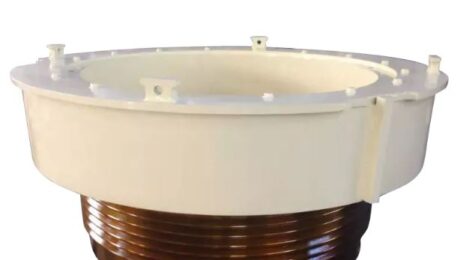
Complete Guide to Bowl Assembly in Mining Machinery and Spare Parts
Bowl assembly plays a critical role in the efficiency and performance of mining machinery. Understanding the components and functionality of bowl assemblies can greatly enhance the performance of mining operations. This comprehensive guide will delve into everything related to bowl assembly in mining machinery, covering its components, types, manufacturing processes, maintenance, and common issues.
What is a Bowl Assembly?
A bowl assembly is a crucial component in various types of mining machinery, particularly in crushers and flotation equipment. It serves as the hub where material is processed, ensuring efficient crushing, grinding, or separation. The effective design and functionality of bowl assemblies can significantly impact the overall efficiency of mining operations.
Components of Bowl Assembly
- Bowl Liner: The bowl liner is the inner part that directly interacts with the material being processed. Its design affects the crushing capability and longevity of the bowl assembly.
- Frame: The frame supports the entire assembly, providing stability and securing the bowl in place during operation.
- Sockets: Sockets house the spindle and allow for rotation, which is essential for material processing.
- Feed Port: The feed port is where materials are introduced into the bowl assembly for processing.
- Discharge Port: This is the exit point for processed materials.
Types of Bowl Assemblies
Bowl assemblies can vary widely based on their application across different types of mining machinery. Here are some common types:
- Hyraulic Bowl Assemblies: Often used in cone crushers, they provide precise control over the crushing process.
- Fixed Bowl Assemblies: Typically used in stationary mining equipment for consistent performance.
- Movable Bowl Assemblies: Used in equipment such as mobile crushers, allowing flexibility for various applications.
Manufacturing Processes for Bowl Assemblies
The manufacturing of bowl assemblies involves several steps:
- Material Selection: High-performance materials such as manganese steel or chrome alloys are commonly used due to their durability and resistance to wear.
- Machining: Precision machining ensures that the bowl assembly meets strict tolerances and specifications.
- Heat Treatment: Heat treatment processes enhance the mechanical properties of the bowl assembly, making it resistant to wear and deformation.
- Finishing: Post-manufacturing finishing processes enhance the surface quality, ensuring smooth interaction with other components.
Importance of Bowl Assembly Maintenance
Regular maintenance of bowl assemblies is essential for optimal performance. Key maintenance practices include:
- Regular Inspections: Frequent checks can identify wear and tear, facilitating timely replacements.
- Lubrication: Proper lubrication reduces friction and wear, extending the life of the bowl assembly.
- Cleaning: Keeping the assembly free from debris ensures consistent operation and prevents blockages.
- Alignment Checks: Ensuring proper alignment with other machinery components prevents unnecessary strain and wear.
Common Issues with Bowl Assemblies
Understanding the common problems associated with bowl assemblies can aid in addressing them swiftly:
- Worn Liners: Regular operation can lead to worn liners, which will affect performance.
- Cracked Frames: Excessive stress or poor manufacturing can lead to frame damage, affecting the entire assembly.
- Misalignment: Poor installation techniques can cause misalignment, leading to operational inefficiencies.
Future of Bowl Assemblies in Mining Machinery
As technology evolves, the future of bowl assemblies is set to focus on greater efficiency, durability, and sustainability. Innovations such as advanced materials, smart monitoring systems, and automated maintenance solutions are on the horizon.
FAQ
What is the purpose of bowl assembly in mining machinery?
The bowl assembly’s primary purpose is to process material effectively in various mining operations, especially in crushers and flotation systems.
How often should bowl assemblies be inspected?
It is advisable to inspect bowl assemblies regularly, ideally every few weeks or as part of a standard maintenance schedule, depending on usage and conditions.
What materials are bowl assemblies made from?
Most bowl assemblies are made from high-performance materials, such as manganese steel or chrome alloys, known for their durability and wear resistance.
What are the signs of wear in bowl assemblies?
Common signs of wear in bowl assemblies include decreased processing efficiency, unusual vibrations, and visible damage to components like liners or frames.
What maintenance practices are essential for bowl assemblies?
Essential maintenance practices for bowl assemblies include regular inspections, proper lubrication, routine cleaning, and ensuring correct alignment with other machinery components.
LSI and NLP Keywords Related to Bowl Assembly
- Mining equipment
- Crushing equipment
- Spare parts for mining machinery
- Crusher components
- Bowl liner replacement
- Hydraulic assembly
- Pitman assembly
- Mining spare parts suppliers
- Maintenance of mining machinery
- Wear and tear in mining parts
- Crushing efficiency
- Bowl assembly design
- Mining industry standards
- Heavy machinery components
Other Related Terms
- Crusher bowl
- Flotation bowl assembly
- Machinery longevity
- Operational efficiency
- Mining operations
- Material processing
- Mechanical components in mining
- Published in Products
Head Assembly in Mining Machinery: Comprehensive Guide to Function, Parts, and Maintenance
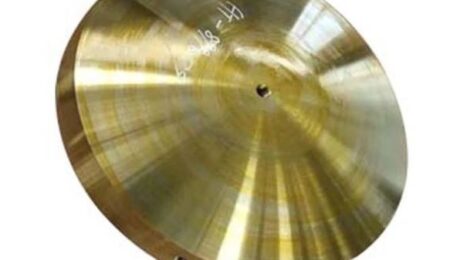
Head Assembly in Mining Machinery
The head assembly is a crucial component in various types of mining machinery, playing an integral role in the operation and efficiency of equipment. From facilitating the movement of materials to ensuring the stability of machinery, understanding the head assembly is vital for professionals in the mining industry.
What is a Head Assembly?
The head assembly refers to the structural component found at the top of various types of heavy mining equipment, including drill rigs, excavators, and crushers. It typically houses various mechanical parts, such as hydraulic systems, gears, and bearings, contributing to the machine’s functionality.
Types of Mining Machinery That Utilize Head Assemblies
- Drill Rigs
- Excavators
- Loaders
- Crushers
- Backhoes
Importance of Head Assembly in Machinery Performance
The head assembly is paramount in ensuring operational efficiency and durability of the machinery. An effective head assembly optimizes the machine’s performance, prolongs life expectancy, and minimizes downtime due to repairs.
Components of Head Assembly in Mining Machinery
A typical head assembly includes several key components that work in harmony to execute tasks effectively.
Key Parts of Head Assembly
- Hydraulic Cylinder: Converts hydraulic energy into mechanical force.
- Gearbox: Transmits power and adjusts output speed.
- Bearings: Reduce friction between moving parts.
- Connectors and Fasteners: Ensure stability and alignment.
Head Assembly Spare Parts
Locating high-quality spare parts for head assemblies is essential for maintenance and replacing damaged components. Many manufacturers supply head assembly spare parts tailored for specific machinery types.
Common Spare Parts for Head Assembly
- Hydraulic seals
- Gaskets
- Sprockets
- Pulleys
- Adapters
Maintenance of Head Assembly in Mining Machinery
Regular maintenance of the head assembly is vital for optimal machine performance and longevity. Neglecting maintenance can lead to severe equipment failure and costly repairs.
Best Practices for Head Assembly Maintenance
- Regularly inspect hydraulic lines for leaks.
- Check fluid levels and replace filters as needed.
- Lubricate bearings and gears as per the manufacturer’s guidelines.
- Monitor for unusual noises indicating wear or damage.
Common Issues with Head Assembly
Understanding the common issues that can arise with the head assembly can aid in prevention and timely repairs.
Typical Problems and Their Solutions
- Hydraulic Leaks: Check for loose fittings and worn seals.
- Wear and Tear: Regularly replace worn-out bearings and gears.
- Alignment Issues: Periodically verify that alignment is correct to avoid undue stress.
Advancements in Head Assembly Technology
Modern mining machinery is witnessing significant advancements in technology. Manufacturers are focusing on enhancing the durability and efficiency of head assemblies.
Innovations in Head Assembly Design
- Enhanced materials that resist wear and corrosion.
- Incorporation of smart technology for monitoring performance.
- Improved hydraulic systems for better efficiency.
FAQs About Head Assembly in Mining Machinery
- What is the primary function of a head assembly? The head assembly supports and houses various mechanical components necessary for machine operation, providing stability and facilitating movement.
- How often should I maintain the head assembly? Regular maintenance should occur based on machine usage but typically recommended every 100 hours of operation or as specified by the manufacturer.
- Where can I find spare parts for head assemblies? Spare parts for head assemblies can be sourced from manufacturers, authorized dealers, or specialized machinery parts suppliers.
- What are the signs of a failing head assembly? Signs include unusual noises, loss of hydraulic pressure, leaks, and mechanical failures.
- Can I repair a damaged head assembly? Many issues can be repaired, but extensive damage may require complete replacement.
Conclusion
In summary, the head assembly is a fundamental part of mining machinery that impacts overall efficiency and productivity. Understanding its components, common issues, and maintenance practices is vital for anyone involved in the mining industry. Investing in high-quality spare parts and keeping abreast of technological advancements can significantly enhance performance and reliability.
List of LSI and NLP Keywords
- Mining equipment
- Hydraulic systems
- Bearings and gears
- Machinery maintenance
- Heavy machinery parts
- Excavation technology
- Drilling operations
- Precisive engineering
- Mining productivity
- Spare components
- Material handling
- Mining industry innovations
- Repair services
- Part sourcing
- Equipment reliability
- Operational efficiency
- Published in Products
