


The Essential Guide to Electrical Motors in Mining Machinery and Spare Parts

The Essential Guide to Electrical Motors in Mining Machinery and Spare Parts
Electrical motors play a crucial role in the performance and efficiency of mining machinery. They are integral components that power various operations, from material handling to processing equipment. Understanding the types, functions, and importance of electrical motors in mining machinery can enhance operational effectiveness and reduce downtime.
1. Introduction to Electrical Motors in Mining
Electrical motors serve as the driving force behind many mining processes. They convert electrical energy into mechanical energy, making them essential for equipment such as drills, excavators, conveyors, and crushers. This section will discuss the basic principles of electrical motors and their significance in mining machinery.
2. Types of Electrical Motors Used in Mining Machinery
2.1 AC Motors
AC motors are widely used in mining operations due to their reliability and efficiency. They can operate in multiple environments and are suitable for heavy-duty applications.
2.2 DC Motors
DC motors provide excellent torque and control, making them ideal for certain types of mining equipment that require precise speed adjustments.
2.3 Synchronous and Induction Motors
Synchronous motors are used in high-load applications where precise speed is critical. Induction motors are typically used for their robustness and efficiency.
3. Key Features of Electrical Motors in Mining Machinery
3.1 Power Ratings
Power ratings for motors can range significantly depending on the application. Choosing the right power rating is essential for optimal performance.
3.2 Efficiency Ratings
Efficiency ratings help determine the operational cost and energy consumption of mining machinery. Higher efficiency motors can lead to significant cost savings.
3.3 Enclosure Types
The enclosure of a motor protects it from harsh mining environments. Understanding the different enclosure types can help in selecting the right motor for specific conditions.
4. The Role of Electrical Motors in Mining Processes
4.1 Material Handling
Electrical motors power conveyors and hoists used in transporting materials within mines, ensuring efficiency and reliability.
4.2 Drilling and Excavation
Motors power drilling rigs and excavators, crucial for breaking ground and extracting materials.
4.3 Processing Equipment
Motors drive crushers, grinders, and other processing machines that prepare extracted materials for further use.
5. Maintenance of Electrical Motors in Mining Machinery
5.1 Regular Inspections
Conducting regular inspections can help identify potential issues before they lead to significant breakdowns.
5.2 Lubrication
Proper lubrication is key to ensuring the longevity and performance of motors.
5.3 Replacement of Spare Parts
Understanding which spare parts are critical for electrical motors can minimize downtime during replacements.
6. Challenges Faced by Electrical Motors in Mining Operations
6.1 Harsh Environmental Conditions
Mining environments can be tough on electrical motors. Dust, moisture, and extreme temperatures can affect motor performance.
6.2 Vibration and Shock
Mining machinery often experiences high levels of vibration, which can impact electrical motor integrity.
6.3 Electrical Failures
Electrical failures can lead to downtime and loss of productivity. Preventative measures can mitigate these risks.
7. Innovations in Electrical Motor Technology
7.1 Smart Motors
Smart motor technologies, integrated with IoT, allow for real-time monitoring and diagnostics, enhancing performance.
7.2 Energy-Efficient Designs
Energy-efficient electrical motors are becoming standard, reducing operational costs and promoting sustainability.
7.3 Advanced Materials
Use of advanced materials for motor construction improves durability and performance in harsh environments.
8. Frequently Asked Questions (FAQs) about Electrical Motors
8.1 What are the common problems with electrical motors in mining?
Common problems include overheating, electrical failures, and wear and tear due to harsh environments.
8.2 How often should electrical motors be maintained?
Regular maintenance should be performed at least once every few months or as per manufacturer recommendations.
8.3 What role do spare parts play in electrical motor maintenance?
Spare parts are essential for repairs and replacements, ensuring the motor maintains optimal performance.
8.4 How do I choose the right electrical motor for my mining equipment?
Consider factors such as power ratings, efficiency, environmental conditions, and specific operational needs.
8.5 Are there energy-efficient electrical motors available for mining operations?
Yes, many manufacturers produce energy-efficient motors that can significantly reduce operational costs.
9. Summary and Conclusion
Electrical motors are indispensable components that heavily influence the efficiency and effectiveness of mining operations. From powering heavy equipment to impacting energy consumption costs, understanding electrical motors is essential for any mining operation. Investing in quality motors, regular maintenance, and innovative technologies can yield substantial benefits. Adequate knowledge about these critical components ensures that mining companies maintain a competitive edge in their operations.
10. Related Keywords and Terms
- Mining equipment
- Electrical motor types
- Mining machinery parts
- AC and DC motors
- Mining machinery efficiency
- Industrial motors
- Mining operations
- Motor maintenance
- Energy-efficient motors
- Mining applications
- Torque in motors
- Motor durability
- Mining machinery technology
- Smart motors in mining
- Electrical motor specifications
- Motor power ratings
- Published in Products
The Essential Guide to V Belts in Mining Machinery and Spare Parts

The Essential Guide to V Belts in Mining Machinery and Spare Parts
Introduction to V Belts
V belts, also known as V-belt drives, are an essential component in many types of mining machinery. They are crucial for transmitting power between shafts and are widely used in various applications including conveyors, crushers, excavators, and more. This guide discusses everything you need to know about V belts, their applications, types, and maintenance, especially in the context of mining machinery and spare parts.
Understanding V Belts
What are V Belts?
V belts are mechanical devices used for transferring power between two or more pulleys. They are characterized by their trapezoidal shape, which allows for better grip and efficiency in power transmission.
History of V Belts
The development of V belts can be traced back to the early 20th century when they became a popular choice in industrial applications due to their ability to handle higher loads and provide significant torque.
Advantages of Using V Belts in Mining Machinery
High Efficiency and Slip Resistance
One of the primary advantages of V belts is their high efficiency in power transmission. Their design minimizes slippage, ensuring that machinery operates smoothly without losing power.
Durability and Longevity
V belts are designed to withstand harsh conditions in mining environments, such as dust, moisture, and extreme temperatures, providing a long service life.
Cost-Effectiveness
Compared to other types of power transmission systems, V belts are relatively inexpensive to manufacture and replace, making them a cost-effective choice for mining operations.
Types of V Belts
Classic V Belts
These are the traditional V belts used in various machinery. They come in multiple sizes and lengths to accommodate different applications.
Variable Speed V Belts
These belts are designed to handle varying speeds without compromising performance, making them ideal for equipment that operates at different RPMs.
Wrapped V Belts
Wrapped V belts feature an additional fabric cover that enhances durability and protection against abrasion and environmental conditions.
Corded V Belts
These belts are reinforced with cords for improved strength and resistance to stretching, perfect for heavy-duty applications.
Applications of V Belts in Mining Machinery
Conveyors
V belts are widely used in conveyor systems within mining operations for material handling, ensuring efficient movement of resources.
Crushing Equipment
In crushers, V belts play a vital role in transmitting power from the motor to the crusher, allowing for efficient operation.
Excavators and Loaders
Excavators and loaders utilize V belts for various functions, including hydraulic pumps and other mechanical components, highlighting their versatility.
Maintenance of V Belts
Regular Inspection
Regular inspections are crucial for identifying wear and tear on V belts. This includes checking for cracks, abrasions, and the overall tension of the belt.
Proper Installation
Ensuring that V belts are installed correctly is vital for their performance and longevity. Misalignment can lead to premature failure.
Tension Adjustment
Maintaining proper tension on V belts is important. Too loose or tight belts can lead to increased wear or slippage.
Choosing the Right V Belt for Your Mining Machinery
Factors to Consider
When selecting a V belt, consider the load requirements, environmental conditions, and compatibility with existing machinery.
High-Quality Brands
Investing in reputable brands can make a significant difference in the performance and lifespan of V belts. Some of the leading manufacturers include Gates, Dayco, and Continental.
V Belts vs Other Power Transmission Options
Belt Drives vs Chain Drives
While chain drives offer more robustness, V belts are generally quieter, require less maintenance, and are ideal for various mining applications.
V Belts vs Timing Belts
Timing belts are designed for precise timing applications, while V belts excel in general power transmission, making them suitable for various mining machinery.
Common Problems with V Belts in Mining Machinery
Slippage
Slippage can occur due to insufficient tension or wear and often leads to reduced efficiency. Regular maintenance can help prevent this issue.
Wear and Tear
With prolonged use, V belts can wear down. Identifying signs of wear early can extend their life and improve machinery performance.
Future of V Belts in Mining Machinery
Technological Advances
With ongoing innovations, V belts are becoming more efficient and durable, which is crucial for meeting the demanding needs of the mining industry.
Conclusion
V belts are a vital component in the mining machinery landscape, contributing significantly to efficient and reliable operations. Understanding their design, types, applications, and maintenance can greatly enhance machinery performance and longevity.
Frequently Asked Questions (FAQ)
1. What is a V belt used for in mining machinery?
A V belt is used for transmitting power in various mining machinery applications, including conveyors and crushers.
2. How do I know if my V belt needs to be replaced?
Signs of cracks, fraying, or excessive wear typically indicate that it’s time to replace your V belt.
3. How can I prolong the life of a V belt?
Regular inspections, proper installation, and maintaining correct tension can help prolong the life of a V belt.
4. Are there different types of V belts?
Yes, types include classic V belts, variable speed V belts, wrapped V belts, and corded V belts.
5. Can I use a V belt in place of a timing belt?
While both are used for power transmission, V belts are not designed for precision timing applications like timing belts are.
LSI and NLP Keywords Related to V Belt
V belt specifications, mining equipment, V belt maintenance, V belt replacement cost, V belt tensioning tools, industrial V belts, rubber V belts, heavy-duty V belts, belt drive systems, power transmission belts, V pulley systems, mining machinery parts, V belt troubleshooting, high-performance V belts, belt systems for mining, V belt installation guide.
- Published in Products
Understanding the Importance of Pinion and Drive Gear in Mining Machinery

Understanding the Importance of Pinion and Drive Gear in Mining Machinery
Mining is a complex and challenging field, and the machinery used in mining operations plays a pivotal role in ensuring efficiency and productivity. Among these critical components are the pinion and drive gear, which are essential for the proper functioning of various mining machines. This article will delve into the significance, functionality, and maintenance of pinion and drive gear, as well as their spare parts.
What are Pinions and Drive Gears?
The pinion is a small gear that engages with a larger gear, known as the drive gear. Together, they work in tandem to transmit power and motion within mining machinery. The function of these gears is vital for translating rotational movement to the various parts of the machinery.
Types of Pinion and Drive Gear Used in Mining Machinery
- Pinion Gear Types
- Straight Pinion
- Helical Pinion
- Bevel Pinion
- Drive Gear Types
- Spur Drive Gear
- Helical Drive Gear
- Bevel Drive Gear
Applications of Pinion and Drive Gear in Mining Machinery
Pinion and drive gears are utilized in various mining machinery, including:
- Excavators
- Haul Trucks
- Drilling Machines
- Crushers
- Conveyors
The Working Mechanism of Pinion and Drive Gear
The interaction between the pinion and the drive gear allows for the efficient transfer of torque and energy from one component to another. The design of these gears ensures minimal slippage during operation, maximizing contact and ensuring longevity.
Importance of Pinion and Drive Gear in Mining Machinery
1. Efficiency: The synergy between the pinion and drive gear contributes significantly to the operational efficiency of mining machines.
2. Durability: Quality gears withstand harsh mining conditions, ensuring the machinery’s longevity.
3. Performance: Properly functioning pinion and drive gears enhance machine performance and productivity.
4. Safety: Well-maintained gears reduce the risk of equipment failures, ensuring a safer work environment.
Choosing the Right Pinion and Drive Gear
Selecting the appropriate pinion and drive gear for specific mining operations is crucial. Factors to consider include:
- Type of Equipment
- Load Requirements
- Speed Ratings
- Material Composition
- Environmental Conditions
Maintenance of Pinion and Drive Gear
Regular maintenance is essential in extending the lifespan of pinion and drive gears. Important maintenance practices include:
- Regular Lubrication
- Inspections for Wear and Tear
- Alignment Checks
- Replacement of Worn Spares
Common Issues with Pinion and Drive Gear
Common problems faced with pinion and drive gears in mining machinery include:
- Wear and Tear
- Misalignment
- Overheating
- Broken Teeth
Pinion and Drive Gear Spare Parts
The availability of spare parts for pinions and drive gears is essential for quick replacements and repairs. High-quality spare parts can prevent extensive downtimes and allow for continuous operation in mining.
FAQs About Pinion and Drive Gear
What is the function of a pinion gear?
The pinion gear engages with a larger gear to transmit rotational motion, effectively acting as the driver in gear systems within mining machinery.
How do I know when to replace the pinion and drive gear?
Signs of wear, including unusual noises, vibrations, and difficulty in engagement, often indicate that it’s time to inspect and potentially replace these gears.
Can I use any type of lubricant on pinion and drive gears?
No, it’s crucial to use lubricants specifically formulated for gear systems to ensure optimal performance and longevity.
What are the costs associated with pinion and drive gear replacement?
The cost can vary significantly based on the type, size, and material of the gears. Regular maintenance can mitigate costs in the long run.
Conclusion
Pinion and drive gears are integral components of mining machinery. Understanding their functionality, maintenance, and the importance of spare parts is critical for ensuring operational efficiency. Investing in quality gears and regular maintenance can lead to improved productivity and safety in mining operations.
LSI and NLP Keywords
Gearbox, Mining Equipment, Torque Transmission, Machinery Parts, Gear Maintenance, Heavy Machinery, Mining Operations, Industrial Gears, Machinery Repair, Operational Efficiency, Gear Lubrication, Gear Manufacturing, Mining Industry, Gear Systems, Mechanical Components.
- Published in Products
The Essential Guide to Roller Bearings in Mining Machinery

The Essential Guide to Roller Bearings in Mining Machinery
Roller bearings play a critical role in the machinery used within the mining industry. From heavy-duty excavators to conveyors, these components ensure smooth operation and efficiency. In this article, we will explore everything you need to know about roller bearings, their applications, types, maintenance, and the spare parts associated with them, particularly in the mining machinery sector.
Understanding Roller Bearings
Roller bearings are a type of rolling-element bearing that uses cylindrical rollers to maintain the separation between the moving parts of the machinery. Unlike ball bearings, which use spherical elements, roller bearings can accommodate heavier loads due to their larger contact area.
Types of Roller Bearings Used in Mining Machinery
- Cylindrical Roller Bearings: Suitable for heavy radial loads.
- Spherical Roller Bearings: Designed to handle misalignment and radial loads.
- Tapered Roller Bearings: Ideal for applications involving both radial and thrust loads.
- Needle Roller Bearings: Best for applications with limited space.
The Role of Roller Bearings in Mining Machinery
In mining machinery, roller bearings ensure that equipment can move efficiently while supporting substantial weights. They are utilized in various machinery such as:
- Excavators
- Crushers
- Conveyors
- Drilling rigs
- Loaders
Common Issues with Roller Bearings in Mining Machinery
Despite their robust design, roller bearings can experience several issues, including:
- Erosion: Resulting from inadequate lubrication or contamination.
- Wear and Tear: Due to excessive loads over time.
- Misalignment: Leading to uneven wear and failure.
Maintaining Roller Bearings in Mining Machinery
Proper maintenance is vital for prolonging the life of roller bearings. Here are some best practices:
- Regular Inspections: Check for signs of wear or damage.
- Lubrication: Use appropriate lubricants, and ensure proper application.
- Temperature Monitoring: Keep an eye on operating temperatures to prevent overheating.
Purchasing Spare Parts: Roller Bearings for Mining Machinery
When it comes to replacing roller bearings, sourcing the right spare parts is essential. Factors to consider include:
- Compatibility: Ensure the spare part matches your specific machinery model.
- Quality: Prefer OEM (Original Equipment Manufacturer) parts for reliability.
- Supplier Reputation: Choose suppliers known for their quality and service.
FAQs About Roller Bearings
What is a roller bearing?
A roller bearing is a type of bearing that uses cylindrical rollers to reduce friction between moving parts. They are used in applications where heavy loads are present.
How do roller bearings work in mining machinery?
Roller bearings support and stabilize rotating shafts and structures, allowing for smooth operation and reducing wear on mechanical components.
Why is lubrication important for roller bearings?
Lubrication reduces friction and wear, helps dissipate heat, and protects against contamination, extending the life of the bearing.
How often should roller bearings be inspected?
Roller bearings should be inspected regularly, at least once every few months, or more frequently if the machinery operates under high-stress conditions.
What factors lead to roller bearing failure?
Common causes include misalignment, improper lubrication, contamination, and excessive loads beyond the bearing’s rating.
Conclusion
Roller bearings are indispensable in the mining industry, ensuring machinery operates efficiently and withstands the harsh conditions often encountered in this field. By understanding how roller bearings function, their applications, and how to maintain them effectively, mining operations can enhance productivity, reduce downtime, and prolong the lifespan of their equipment.
LSI and NLP Keywords Related to Roller Bearings
- Ball bearings
- Machinery maintenance
- Heavy-duty bearings
- Rolling bearings
- Bearing replacement
- Mining equipment
- Lubricants for bearings
- Bearing life expectancy
- Bearing applications
- Sealed bearings
- Performance metrics
- Load ratings
- Maintenance schedules
- Underground mining
- Surface mining
- Published in Products
Complete Guide to Tramp Release Cylinders in Mining Machinery

Complete Guide to Tramp Release Cylinders in Mining Machinery
The mining industry relies heavily on the efficiency and functionality of machinery, where every component plays a crucial role in the overall efficiency. One such important part is the tramp release cylinder. This article delves deep into the significance, components, maintenance, and troubleshooting of tramp release cylinders in mining machinery, along with a list of commonly asked questions.
What is a Tramp Release Cylinder?
A tramp release cylinder is a key component in various types of mining machinery, particularly crushers and screens. Its primary function is to recognize and release foreign objects or fragments that may enter the machinery, which could cause damage and excessive wear. This function is imperative for maintaining productivity and extending the lifespan of the machine.
Functions of Tramp Release Cylinders
- Protection: Protects the crushing mechanism by allowing tramp material to pass through without causing significant damage.
- Automatic Release: Automatically releases the crushing gap to let uncrushable material through.
Components of Tramp Release Cylinders
- Cylinder Body: The outer shell that houses the main components.
- Piston: The moving part that exerts force.
- Seals: Prevent leakage of hydraulic fluid.
- Porting: Connects to hydraulic systems for operation.
Types of Tramp Release Cylinders
Tramp release cylinders can be categorized based on their design and functionality:
- Hydraulic Tramp Release Cylinders: Utilizes hydraulic fluids for activation.
- Pneumatic Tramp Release Cylinders: Uses compressed air instead of hydraulic fluid.
Importance of Tramp Release Cylinders in Mining Machinery
Tramp release cylinders are vital for preventing downtime. Machinery without proper tramp release systems can experience:
- Sudden shut downs due to blockages.
- Increased maintenance costs due to damage from uncrushable materials.
- Loss of productivity and revenue.
Installation of Tramp Release Cylinders
Installing a tramp release cylinder should be carried out by professionals. Key steps include:
- Ensure the appropriate size and type of cylinder is selected.
- Follow manufacturer specifications for installation.
- Test the cylinder post-installation to confirm functionality.
Maintenance Practices for Tramp Release Cylinders
Regular maintenance is critical for the longevity of tramp release cylinders. Consider these practices:
- Regularly inspect for wear and tear.
- Check and replace seals as necessary.
- Monitor hydraulic fluid levels and conditions.
Troubleshooting Common Issues with Tramp Release Cylinders
Some common problems include:
- Leaking Seals: Can lead to fluid loss and dysfunction.
- Slow Response Time: Indicates issues in hydraulic pressure or blockages.
- Failure to Release Tramp Material: This requires immediate inspection and possible replacement.
Tramp Release Cylinder Spare Parts
Like all mechanical components, tramp release cylinders may require spare parts. Common spare parts include:
- Seals
- Pistons
- Cylinder bodies
Frequently Asked Questions (FAQ)
What is the purpose of a tramp release cylinder?
The purpose of a tramp release cylinder is to protect mining machinery from damage caused by uncrushable materials by allowing these materials to bypass the crushing mechanism without causing excessive wear.
How often should tramp release cylinders be maintained?
Maintenance should be conducted regularly based on usage, typically every few months, to ensure optimal performance.
What are the signs of a failing tramp release cylinder?
Signs include hydraulic fluid leaks, slow responsiveness, and failure to release tramp material when needed.
Can tramp release cylinders be repaired?
In many cases, tramp release cylinders can be repaired by replacing worn or damaged parts such as seals or pistons, but complete replacement may be necessary if the cylinder is severely damaged.
LSI and NLP Keywords Related to Tramp Release Cylinder
- Hydraulic cylinder
- Mining equipment
- Crusher components
- Spare parts for mining machinery
- Crusher maintenance
- Mining machinery repair
- Pneumatic cylinder
- Mining safety
- Equipment efficiency
- Uncrushable material handling
- Industrial hydraulic systems
- Heavy machinery maintenance
- Cylinder functionality
- Mining parts suppliers
Conclusion
In the dynamic and demanding environment of mining, tramp release cylinders play an essential role in ensuring machinery operates smoothly and efficiently. Regular maintenance, timely troubleshooting, and awareness of components and spare parts are essential for prolonging the life of these critical components. With the right knowledge, mining companies can minimize downtime and maximize productivity.
- Published in Products
Comprehensive Guide to Bowl Assembly in Mining Machinery and Spare Parts
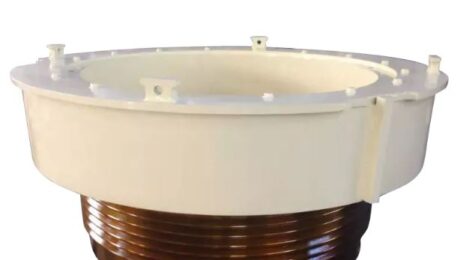
Understanding Bowl Assembly in Mining Machinery
The bowl assembly is a critical component in various types of mining machinery, particularly in crushers and mills. It is responsible for holding the crushing surface and facilitating material breakdown. This article provides an in-depth exploration of bowl assemblies, their significance, types, maintenance, and frequently asked questions.
What is a Bowl Assembly?
A bowl assembly is an integral part of mining machinery that comprises various components working together to enhance the crushing and grinding processes. It typically consists of a bowl, mantle, and other associated parts designed to enable effective material sizing.
Types of Bowl Assemblies
-
Fixed Bowl Assembly
The fixed bowl assembly is stationary and works in conjunction with a movable part to crush materials effectively. These are typically used in primary and secondary crushing applications.
-
Rotating Bowl Assembly
This type of assembly rotates to provide additional force, allowing for a more thorough crushing process. It is commonly found in cone crushers.
-
Adjustable Bowl Assembly
Adjustable bowl assemblies allow for the modification of the crushing gap, providing versatility in processing different types of materials.
Importance of Bowl Assembly in Mining Machinery
The bowl assembly plays a crucial role in the efficiency and productivity of mining machinery. A well-designed bowl assembly can lead to:
- Enhanced crushing performance
- Reduced operational costs
- Improved product quality
- Extended life of wear parts
Components of a Typical Bowl Assembly
The bowl assembly is composed of several parts, each contributing to the overall function:
-
Bowl Liner
The bowl liner is the part of the assembly that directly contacts the materials being crushed. It experiences significant wear and requires regular inspection and replacement.
-
Hub
The hub connects the bowl assembly to the rest of the machine and provides stability during operation.
-
Mantle
The mantle is a crushing surface that moves in relation to the bowl liner to crush materials effectively.
Maintenance of Bowl Assemblies
Regular maintenance is essential for ensuring the longevity and efficiency of bowl assemblies. Key maintenance practices include:
-
Inspection
Routine inspections help identify wear and tear early, allowing for timely replacements.
-
Lube Management
Proper lubrication reduces friction and wear, contributing to a longer operational life.
-
Replacement Scheduling
Scheduled replacements of liners and mantles can significantly reduce unscheduled downtime.
Common Issues with Bowl Assemblies
Operators of mining machinery may encounter several common issues with bowl assemblies:
-
Wear and Tear
Over time, the bowl liner and mantle may become worn and less effective.
-
Misalignment
Misalignment can cause uneven wear and affect the machine’s performance.
-
Damage from Foreign Objects
Ingested debris can cause significant damage to both the bowl assembly and the overall machine.
How to Choose the Right Bowl Assembly
Choosing the appropriate bowl assembly for your mining machinery is crucial. Factors to consider include:
- Material type and size
- The desired product size
- Crushing capacity
- Compatibility with existing machinery
FAQs about Bowl Assembly
What is a bowl assembly in mining machinery?
A bowl assembly is a vital component in mining machinery that aids in the crushing and grinding processes by holding the crushing surfaces in place.
How often should bowl assemblies be maintained?
Regular maintenance should occur at intervals based on operational hours, typically every few weeks, depending on usage intensity.
What types of bowl assemblies exist?
Common types include fixed, rotating, and adjustable bowl assemblies, each serving different applications in mining machinery.
Why is bowl assembly maintenance essential?
Maintenance is crucial to minimize downtime, ensure efficiency, and extend the operational life of the assembly and related equipment.
How can I identify issues with my bowl assembly?
Operators should conduct regular inspections for signs of wear, misalignment, or damage from foreign objects to identify potential issues early.
Conclusion
In conclusion, the bowl assembly is an essential component of mining machinery that requires careful design and maintenance to ensure optimal performance. Understanding its components, maintenance needs, and common issues can lead to improved operational efficiency in mining operations. This comprehensive guide aims to provide the necessary knowledge for maintenance teams to keep bowl assemblies functioning at their best.
LSI and NLP Keywords
- Crusher bowl assembly
- Mining equipment parts
- Cone crusher components
- Mining machinery maintenance
- Wear parts for crushers
- Spares for mining machinery
- Casting for mining equipment
- Aggregate production equipment
- Hydraulic cone crushers
- Mining production efficiency
- Published in Products
Comprehensive Guide to Head Assembly in Mining Machinery and Spare Parts
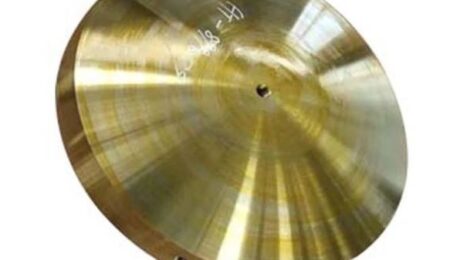
Comprehensive Guide to Head Assembly in Mining Machinery and Spare Parts
Mining machinery is essential for various operations in the mining industry, and one of its critical components is the head assembly. This article delves into the importance, function, maintenance, and common issues related to head assemblies in mining machinery and discusses the spare parts pertinent to them.
What is Head Assembly?
The head assembly is a crucial part of mining equipment, particularly in drilling and excavating machinery. It is responsible for accommodating the drill bit and ensuring that various components work harmoniously during operation. Its design and functionality are vital for the efficiency of mining operations.
Components of Head Assembly
The head assembly consists of several components, including:
- Drill Bit: The cutting tool that penetrates the earth.
- Head Housing: Encloses and supports various components.
- Bearing Seals: Protects the inner parts from dust and debris.
- Drive Mechanism: Responsible for rotating the drill bit.
Functions of Head Assembly in Mining Machinery
The head assembly plays several vital roles in mining operations:
- Stability: Provides a stable platform for drilling operations.
- Precision: Ensures precise movements for effective drilling.
- Durability: Built to withstand harsh mining conditions.
Importance of Head Assembly in Mining Operations
A well-functioning head assembly ensures that mining operations run smoothly, reducing downtime and maintenance costs. Its efficiency directly impacts the productivity of mining operations.
Common Types of Head Assemblies
Various types of head assemblies are used in mining machinery, including:
- Rotary Head Assembly
- Hammer Head Assembly
- Crawler Head Assembly
Maintenance of Head Assembly
Regular maintenance is critical for the longevity of head assemblies. Proper upkeep includes:
- Routine Inspection: Regularly checking for wear and tear.
- Lubrication: Ensuring all moving parts are well lubricated.
- Replacement of Worn Parts: Replacing parts like drill bits and seals as needed.
Common Issues with Head Assembly
Head assemblies can experience various issues, including:
- Excessive wear leading to inefficiency.
- Dirt and debris accumulation affecting performance.
- Mechanical failures resulting in downtime.
Head Assembly Spare Parts
The availability of spare parts for head assemblies is crucial for maintaining mining operations. Common spare parts include:
- Replacement Drill Bits
- Seals and Bearings
- Housing Components
Choosing the Right Spare Parts
Selecting high-quality spare parts for head assemblies is essential for ensuring optimal performance and durability. It is advisable to consider:
- Compatibility: Ensure the parts are compatible with existing machinery.
- Quality: Opt for parts made from durable materials.
- Supplier Reputation: Choose reputable suppliers to ensure quality.
Cost of Head Assembly and Spare Parts
The cost of head assemblies and their spare parts can vary significantly based on quality, type, and supplier. It is crucial to balance cost with quality to ensure long-term efficiency.
Conclusion
The head assembly is a fundamental component of mining machinery that plays a significant role in operational efficiency. Regular maintenance and timely replacement of spare parts can enhance the longevity and performance of these assemblies.
Frequently Asked Questions (FAQs)
What is the role of the head assembly in mining machinery?
The head assembly is vital for supporting the drill bit and ensuring efficient drilling operations.
How often should I maintain the head assembly?
Regular inspections should be conducted to identify wear and replace parts as needed. Maintenance frequency depends on usage and operating conditions.
What are common spare parts for head assemblies?
Common spare parts include drill bits, seals, bearings, and housing components.
How do I know when to replace parts of the head assembly?
Parts should be replaced when signs of excessive wear or performance reduction are observed.
Where can I purchase head assembly spare parts?
Spare parts can be purchased from specialized suppliers, manufacturers, and online marketplaces catering to mining machinery.
LSI and NLP Keywords
- Mining Equipment
- Drilling Machines
- Mining Operations
- Spare Parts
- Mining Industry
- Heavy Machinery
- Excavation Equipment
- Mining Tools
- Mining Component Maintenance
- Industrial Equipment Parts
- Drill Rig Parts
- Lubrication Systems
- Drilling Functionality
- Operational Efficiency
- Wear Parts for Mining
- Published in Products
Understanding T Seals in Mining Machinery and Spare Parts
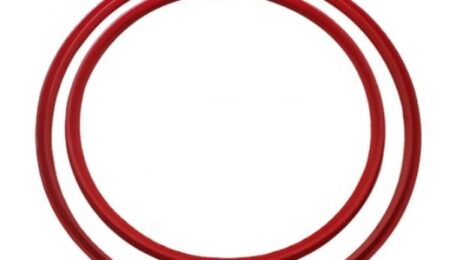
Understanding T Seals in Mining Machinery and Spare Parts
Mining machinery plays an integral role in the extraction and processing of valuable minerals and resources. Among the components that ensure efficient operation are T seals, which are critical for maintaining the integrity of hydraulic systems in mining equipment. This article delves into the various aspects of T seals, their significance in mining machinery, and the spare parts associated with them.
What are T Seals?
T seals are specialized sealing elements used in hydraulic systems to prevent fluid leaks and maintain pressure. They are designed in a unique ‘T’ shape, allowing them to provide effective sealing between two components. These seals are particularly useful in high-pressure applications found in mining machinery such as excavators, loaders, and drills.
The Importance of T Seals in Mining Machinery
In the harsh conditions of mining operations, maintaining the efficiency of machinery is paramount. T seals contribute significantly to:
- Preventing Fluid Leakage: T seals provide a reliable barrier that prevents hydraulic fluid from leaking, which can cause loss of pressure and performance.
- Reducing Wear and Tear: By keeping contaminants out of hydraulic systems, T seals help extend the lifespan of machinery components.
- Enhancing Operational Efficiency: Proper sealing ensures that machinery operates at optimal levels, thereby increasing productivity.
Types of T Seals Used in Mining Machinery
Different types of T seals are available, each designed for specific applications within mining machinery:
- Dynamic T Seals: Used in moving parts, these seals can withstand high speeds and pressures.
- Static T Seals: Ideal for stationary connections, these seals provide reliable sealing without motion.
- Custom T Seals: Tailored for unique applications within specific mining machinery, offering enhanced performance.
Common Applications of T Seals in Mining Machinery
T seals are utilized in various components of mining machinery, including:
- Hydraulic Cylinders: Critical for the lifting and lowering functions of equipment like excavators and backhoes.
- Pumps: Used in hydraulic pumps to maintain pressure and prevent leaks.
- Valves: Essential in controlling the flow of hydraulic fluid within the system.
Choosing the Right T Seal for Mining Machinery
Selecting the appropriate T seal is vital for ensuring the performance of mining equipment. Consider the following factors:
- Material: Choose materials that can withstand harsh mining conditions, such as rubber, polyurethane, or PTFE.
- Size and Dimensions: Ensure the seal fits the specific application within the machinery.
- Operating Conditions: Assess the pressure, temperature, and environmental conditions where the seal will be used.
Maintenance of T Seals in Mining Equipment
Regular maintenance is essential to prolonging the life of T seals and ensuring the efficient operation of mining machinery. Recommended practices include:
- Visual Inspections: Regularly check for signs of wear, tear, or damage to seals.
- Fluid Analysis: Monitor hydraulic fluids for contamination that may affect seal performance.
- Replacement Schedule: Develop a proactive maintenance schedule for replacing worn or damaged T seals.
Frequently Asked Questions (FAQ) About T Seals
What materials are T seals made from?
T seals can be made from various materials including rubber, polyurethane, and PTFE, chosen for their durability under high pressure and harsh conditions.
How often should T seals be replaced?
The replacement frequency of T seals depends on the specific application and operating conditions; regular inspections help determine the appropriate schedule.
Can T seals be used in extreme temperatures?
Yes, but it is crucial to select the right material that can withstand extreme temperatures associated with certain mining operations.
What are the signs of a failing T seal?
Common signs include hydraulic fluid leaks, reduced equipment performance, and visible wear on the seal.
Are there different sizes of T seals available?
Yes, T seals come in various sizes and dimensions to fit different applications in mining machinery.
Conclusion
T seals are a critical component in mining machinery, providing the necessary sealing to ensure efficient operation and longevity of equipment. Understanding their types, applications, and maintenance needs can significantly impact the performance of mining operations. By choosing the right T seals and establishing a robust maintenance routine, operators can minimize downtime and maximize productivity.
List of LSI and NLP Keywords Related to T Seals
- T seal design
- mining equipment seals
- hydraulic seal technology
- spare parts for mining machinery
- seal replacement guide
- T seal materials
- hydraulic system maintenance
- dynamic seals in mining
- static seals performance
- custom seals for machinery
- T seals in mining applications
- sealing solutions for hydraulics
- preventative maintenance for seals
- hydraulic cylinder seals
- improving mining equipment efficiency
- Published in Products
Understanding U Seals: The Heart of Mining Machinery Performance
Understanding U Seals: The Heart of Mining Machinery Performance
Mining machinery is pivotal in today’s industrial landscape. Among the myriad of components that contribute to the efficiency and reliability of these machines, the U seal, or U-shaped seal, holds substantial importance. This article delves into everything you need to know about U seals, their applications in mining machinery, their spare parts, maintenance tips, and even troubleshooting common issues.
What is a U Seal?
A U seal is a type of sealing device commonly employed in hydraulic and pneumatic applications. Characterized by its unique U shape, these seals are known for providing effective sealing solutions in various machinery, especially those used in mining operations.
Importance of U Seals in Mining Machinery
The role of U seals in mining machinery cannot be overstated. They provide a critical barrier to prevent leakage of hydraulic fluids, ensure operational efficiency, and protect against contaminants that could compromise machinery performance.
Types of U Seals
Different types of U seals are utilized in mining machinery, including:
- Static U Seals: For stationary applications where no movement occurs.
- Dynamic U Seals: Designed to withstand continuous motion and pressure changes.
- Double-acting U Seals: Effective on both sides of the seal, useful in hydraulic systems.
Common Applications of U Seals in Mining Machinery
U seals are found in various components of mining machinery, including:
- Pumps
- Cylinders
- Valves
- Gearboxes
Choosing the Right U Seal for Your Mining Machinery
Selecting the appropriate U seal involves considering several factors:
- Material: Common materials include rubber, polyurethane, and PTFE.
- Size: Ensuring the correct dimensions is crucial for optimal performance.
- Pressure and Temperature Resistance: Understanding the operational environment helps in selection.
Maintenance Tips for U Seals
Regular maintenance of U seals can prolong their lifespan and enhance performance. Here are some tips:
- Regularly inspect seals for signs of wear and tear.
- Clean the sealing surfaces to prevent contamination.
- Replace seals promptly when leaks are detected.
Signs of U Seal Failure
It’s crucial to recognize the signs of U seal failure in mining machinery. Common indicators include:
- Fluid leaks
- Decreased machine performance
- Increased noise levels
How to Troubleshoot U Seal Issues
If you encounter problems with U seals, consider the following troubleshooting tips:
- Check for the correct installation.
- Ensure compatibility with the operating environment.
- Investigate potential wear on surrounding components.
U Seal Spare Parts: What You Need to Know
Having access to quality spare parts for U seals is essential for maintaining mining machinery. When sourcing U seal spare parts, consider:
- Quality and certification standards.
- Compatibility with existing machinery components.
- Supplier reliability and service.
FAQs about U Seals and Mining Machinery
What are U seals used for in mining machinery?
U seals are used to prevent fluid leaks and protect hydraulic systems within mining machinery.
How often should U seals be replaced?
U seals should be inspected regularly and replaced when they show signs of wear or leakage.
What materials are U seals made from?
Common materials for U seals include rubber, polyurethane, and PTFE, each selected based on operational needs.
Can U seals be used in high-temperature environments?
Yes, but it is essential to select a U seal specifically designed to withstand high temperatures.
What are the common signs of U seal failure?
Fluid leaks, decreased machine performance, and unusual noise levels are common signs of U seal failure.
Conclusion
U seals play a critical role in ensuring the effective operation of mining machinery. By understanding their functions, types, and maintenance, mining operations can significantly enhance their productivity and reduce downtime. Investing in quality U seals and spare parts is not just a choice but a necessity for optimum performance.
LSI and NLP Keywords
Here’s a long list of related terms that might be helpful:
- U-shaped seal
- hydraulic seals
- pneumatic seals
- sealing solutions
- machinery components
- leak prevention
- spare parts
- seal materials
- maintenance
- seal installation
- seal failure signs
- dynamic seal
- static seal
- gearbox seals
- fluid dynamics
- contamination protection
By focusing on U seals’ intricate details, including their significance, variety, and maintenance, mining operations can optimize performance and ensure durability in their machinery.
- Published in Products
The Essential Guide to Head Bolts and Lock Bolts in Mining Machinery
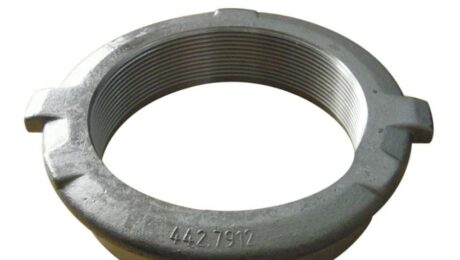
The Essential Guide to Head Bolts and Lock Bolts in Mining Machinery
Mining machinery plays a pivotal role in ensuring the efficiency and productivity of mining operations. Among the essential components of this machinery, head bolts and lock bolts are critical in maintaining structural integrity and performance. In this guide, we will delve deep into the significance of head bolts and lock bolts, their applications, types, maintenance, and procurement strategies in the context of mining machinery and spare parts.
Understanding Head Bolts in Mining Machinery
Head bolts are fasteners used to attach components securely in mining machinery. These bolts are designed to withstand extreme conditions, including high pressures and temperatures, which are prevalent in mining environments. Head bolts not only provide support but also ensure the alignment of components, preventing failures that can lead to costly downtimes.
Types of Head Bolts in Mining Equipment
There are various types of head bolts utilized in mining equipment, including:
- Hex Head Bolts: Commonly used for their ease of installation and removal.
- Button Head Bolts: Offer a lower profile which can be beneficial in tight spaces.
- Flanged Head Bolts: Provide increased surface area which minimizes the risk of over-tightening.
The Role of Lock Bolts in Mining Machinery
Lock bolts are a specialized fastener system that incorporates a locking feature to prevent loosening from vibration or extreme mechanical stress. This is particularly important in mining equipment, where consistent performance is crucial for operational success.
Different Types of Lock Bolts Used in Mining
Lock bolts come in several variations, including:
- Split Lock Bolts: Designed to lock into place through a mechanism that prevents rotation.
- Structural Lock Bolts: Used in heavy-duty applications involving large equipment.
- Blind Bolt Systems: Ideal for applications where access to one side of the connection is limited.
Applications of Head Bolts and Lock Bolts in Mining Machinery
Head bolts and lock bolts have critical applications across various types of mining machinery such as:
- Excavators
- Dump Trucks
- Conveyor Systems
- Drilling Machines
Importance of Quality in Head Bolts and Lock Bolts
Using high-quality head bolts and lock bolts is crucial for safety and efficiency. Low-grade materials can lead to fastener failure, resulting in accidents, increased maintenance costs, and extended downtimes.
Maintenance Tips for Head Bolts and Lock Bolts
Regular inspection and maintenance of head bolts and lock bolts are vital to their longevity. Consider implementing the following maintenance practices:
- Routine Inspections: Regular checks help identify worn or corroded bolts before they fail.
- Proper Torque Settings: Ensure that bolts are tightened according to specifications to avoid over and under-tightening.
- Utilize Quality Lubrication: Proper lubrication can reduce friction and extend the life of the bolts.
Where to Buy Head Bolts and Lock Bolts for Mining Machinery
When purchasing head bolts and lock bolts, consider factors such as quality, supplier reliability, and price. Look for vendors with experience in mining machinery parts, as they will provide not only the products but also insight and support for your specific requirements.
Leveraging Online Resources for Purchasing
Many manufacturers and distributors have online platforms where you can compare prices, read reviews, and ensure you’re getting high-quality parts. Make sure to verify that the parts are compatible with your machinery.
FAQ Section
What are head bolts used for in mining machinery?
Head bolts in mining machinery secure components and maintain structural integrity.
What makes lock bolts different from regular bolts?
Lock bolts have a unique design to prevent loosening due to vibration and mechanical stress.
How do I know which size of head bolt to use?
Always refer to the machinery’s specification manual to determine the appropriate size of head bolt needed.
Can I replace head bolts and lock bolts myself?
While it is possible to replace them, proper knowledge and tools are necessary to ensure safety and effectiveness.
Conclusion
Understanding the role of head bolts and lock bolts in mining machinery is essential for operational efficiency and safety. Regular maintenance and quality procurement strategies are vital to ensure that your mining equipment remains functional and reliable. By prioritizing these aspects, mining companies can significantly reduce downtime and enhance productivity.
LSI and NLP Keywords
– mining equipment spare parts – industrial fasteners – mining machinery maintenance – head bolt specifications – lock bolt applications – heavy machinery components – fastening systems for mining – bolt torque specifications – mining machinery safety – equipment wear and tear – bolt replacement procedures – mining operations optimization – vibration-resistant fasteners – mining industry standards – aftermarket mining parts
- Published in Products
