


The Importance of Toggle Seats in Mining Machinery and Spare Parts

The Importance of Toggle Seats in Mining Machinery and Spare Parts
Introduction to Toggle Seats
Toggle seats play a critical role in mining machinery by allowing for efficient and effective movement within crushers and other equipment. They are essential components that facilitate the operation of machinery used in the harsh environments of mining operations.
Understanding Mining Machinery
Mining machinery refers to the specialized equipment designed for the extraction of minerals, ores, and other geological materials from the earth. From excavators to crushers, each component is vital for efficient mining operations. Toggle seats are integral to the functionality of many of these machines.
Types of Mining Machinery That Use Toggle Seats
1. Jaw Crushers
Jaw crushers are one of the most common types of mining machinery where toggle seats are used. These machines rely on a toggle mechanism to crush materials, with the toggle seat providing stability and support.
2. Cone Crushers
In cone crushers, toggle seats help to maintain the alignment and functionality of the crushing mechanism, ensuring the durability and efficiency of the machine.
3. Impact Crushers
Impact crushers also utilize toggle seats to absorb shock loads and provide a structured pivot for the crushing operation.
Specifications of Toggle Seats
The specifications of toggle seats can vary significantly based on the type of machinery they are used in. Key factors include material composition, dimensions, and the specific design required for different models of equipment.
Common Materials Used for Toggle Seats
Toggle seats are commonly made from high-grade steel or alloy materials that offer enhanced durability, resistance to wear, and optimal performance in demanding conditions.
The Role of Toggle Seats in Equipment Durability
One of the crucial functions of toggle seats is to enhance the overall durability of mining machinery. By reducing wear and tear on critical components, toggle seats extend the operational life of machines, reducing the need for frequent replacements and repairs.
How to Choose the Right Toggle Seat for Your Machinery
Selecting the appropriate toggle seat involves considering factors such as the type of machinery, the specific application, and the operating conditions. Consulting with manufacturers and suppliers can be beneficial in making an informed decision.
Maintenance of Toggle Seats
Regular maintenance is essential to ensure the longevity and effective performance of toggle seats. This includes inspecting for wear, replacing worn parts, and ensuring proper lubrication to avoid friction and damage.
Upgrade Options for Toggle Seats
There are various upgrade options available for toggle seats, including those that enhance performance through advanced materials or innovative designs. These upgrades can improve efficiency and reduce operational costs.
Cost Considerations When Purchasing Toggle Seats
The cost of toggle seats can vary widely based on their material, design, and the manufacturer. Understanding your budget and seeking quotes from multiple suppliers can enable mining operations to find cost-effective options.
Importance of Quality in Toggle Seats
Investing in high-quality toggle seats is vital for the smooth operation of mining machinery. Lower-quality components may fail more quickly, leading to costly downtimes and repairs.
Frequently Asked Questions (FAQ)
1. What is a toggle seat?
A toggle seat is a part used in various types of mining machinery, primarily to provide support and stability in the toggle mechanism during operations.
2. Why are toggle seats important in mining machinery?
Toggle seats are crucial for the efficient functioning of machinery, helping to prevent wear and damage to essential components and extending the machine’s lifespan.
3. How often should toggle seats be replaced?
The replacement frequency of toggle seats depends on usage and wear. Regular inspections are recommended to determine their condition.
4. What materials are toggle seats made from?
They are generally made from high-grade steel, alloys, and other resilient materials designed to withstand harsh operating conditions.
5. Can I upgrade my toggle seats?
Yes, there are various upgrade options available that can enhance performance and durability.
Conclusion
Toggle seats form a fundamental part of mining machinery and their spare parts. Understanding their importance, types, maintenance needs, and costs can lead to enhanced performance and efficiency in mining operations.
- Published in Products
The Comprehensive Guide to Toggle Plates in Mining Machinery and Their Spare Parts

Understanding Toggle Plates in Mining Machinery
In the mining and construction industries, toggle plates play a critical role in the functioning of various types of machinery. These plates are essential components found in jaw crushers and other heavy mining equipment, facilitating the crushing process by transferring motion to the crusher’s jaws. This article delves deep into the significance of toggle plates, their materials, common types, maintenance tips, and their importance in ensuring optimum performance of mining machinery.
What is a Toggle Plate?
A toggle plate is mainly used in jaw crushers. It is a mechanical component that allows for the movement of the jaw, enabling the crushing of materials by leveraging mechanical advantages. It serves as a safety mechanism, helping to protect the machinery from overloading and potential damage due to excessive force.
Key Functions of Toggle Plates
- Power Transmission: Transfers kinetic energy from the drive to the movable jaw.
- Protection: Prevents damage to the crusher by absorbing shock during operation.
- Adjustment: Facilitates the adjustment of the gap between the crusher jaws.
- Durability: Enhances the service life of the machinery by reducing wear and tear.
Types of Toggle Plates
1. Standard Toggle Plates
These are the most commonly used toggle plates in mining machinery. They are designed for standard applications and provide a good balance between durability and cost-effectiveness.
2. Heavy-duty Toggle Plates
Constructed from reinforced materials, these toggle plates are designed for harsher environments and can withstand greater pressures and impacts.
3. Wear-resistant Toggle Plates
Made from materials that are specifically engineered to resist wear, these plates are crucial in applications involving abrasive materials.
4. Custom Toggle Plates
Some manufacturers offer custom toggle plates tailored to specific machinery and operational demands.
Materials Used in Toggle Plates
Toggle plates are typically made from various materials, depending on their application and the type of machinery they are designed for. Some common materials include:
- Steel: The most common material, known for its strength and durability.
- Cast Iron: Also frequently used due to its rigidity and ability to absorb vibrations.
- Alloyed Materials: Provide enhanced resistance to wear and corrosion.
Toggle Plate Maintenance Tips
To ensure the longevity and effectiveness of toggle plates in mining machinery, it’s essential to implement proper maintenance. Here are some useful tips:
- Regular Inspection: Check for cracks or wear and replace them as necessary.
- Lubrication: Ensure that all moving parts connected to the toggle plate are properly lubricated.
- Monitoring Operations: Watch for irregular noises or vibrations that may indicate wear on the toggle plate.
- Proper Installation: Ensure that all components are installed according to the manufacturer’s guidelines.
Importance of Toggle Plates in Mining Operations
Toggle plates are indispensable in mining operations because they directly affect the efficiency of crushing processes. Their ability to withstand high pressures and mitigate damages contributes significantly to maintaining productivity and reducing downtime in mining machinery operations.
FAQs About Toggle Plates
1. What is the function of a toggle plate in mining machinery?
The toggle plate primarily transfers motion to the movable jaw of the crusher, allowing it to crush materials while also functioning as a protective component.
2. How often should toggle plates be replaced?
Toggle plates should be inspected regularly and replaced according to the wear-and-tear observed, typically every few months depending on usage.
3. Can I use aftermarket toggle plates?
Aftermarket toggle plates can be used, but ensure they meet or exceed the specifications of original equipment manufacturer (OEM) parts.
4. What materials are best for toggle plates?
Steel and cast iron are commonly used, but wear-resistant alloys can provide additional longevity in harsh conditions.
5. How do I know if my toggle plate needs replacement?
Signs include unusual noises from the machinery, decreased performance, and visible wear or cracks on the toggle plate itself.
Related Keywords and Phrases
toggle plates, mining machinery, mining machinery spare parts, jaw crusher toggle plate, replacement toggle plates, mining equipment maintenance, heavy-duty toggle plates, wear-resistant spares, toggle plate function, toggle plate materials, maintenance of toggle plates, toggle plate adjustment, mining machinery parts, jaw crusher parts, machinery spare parts, toggle mechanism, safety features, mining efficiencies, machine protection, crusher technology, equipment durability, industrial equipment components, shock absorption in machinery.
- Published in Products

The Comprehensive Guide to Eccentric Bushings in Mining Machinery
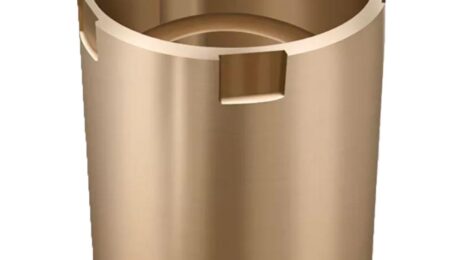
The Comprehensive Guide to Eccentric Bushings in Mining Machinery
Understanding Eccentric Bushings
The eccentric bushing is a crucial component in mining machinery, playing an integral role in the overall functionality and efficiency of various equipment. Essentially, it is a cylindrical component that converts rotary motion into linear motion, enabling precise operations across different mining machines.
Importance of Eccentric Bushings in Mining Equipment
Eccentric bushings significantly enhance the performance of mining machinery by ensuring proper alignment and reducing wear and tear. The benefits include improved equipment lifespan, enhanced operational efficiency, and decreased downtime associated with machine failures.
Types of Eccentric Bushings
Standard Eccentric Bushings
Standard eccentric bushings are commonly used in various mining applications. They are designed to accommodate a wide range of machinery and can optimize performance across different models.
Custom Eccentric Bushings
Some mining operations require custom-engineered eccentric bushings tailored to specific machinery needs. These bushings provide a solution for unique operational challenges faced by certain equipment.
Materials Used for Eccentric Bushings
The materials selected for manufacturing eccentric bushings typically include high-grade steel, bronze, and a range of alloys that provide resistance to wear and corrosion. The choice of material directly affects the durability and performance of the bushing.
How to Select the Right Eccentric Bushing for Your Mining Machinery
Choosing the correct eccentric bushing involves considering factors such as load requirements, compatibility with existing machinery, and the operating environment. It’s essential to consult with manufacturers or specialists to ensure optimal selection.
Installation of Eccentric Bushings
Proper installation is critical for the performance of eccentric bushings. It involves precise alignment and securing to avoid any operational issues. Following manufacturer guidelines during installation can prevent future complications.
Maintenance and Care for Eccentric Bushings
Regular maintenance can significantly extend the life of eccentric bushings. This includes routine inspections, lubrication, and checking for wear and tear, which can save costs associated with equipment failure and replacements.
Common Problems Associated with Eccentric Bushings
Mining operations may encounter various issues with eccentric bushings, including improper alignment leading to excessive wear, corrosion due to environmental factors, or failure due to overload. Identifying and addressing these problems promptly is vital for continuous operation.
Upgrading Your Eccentric Bushings: When and Why?
Upgrading eccentric bushings can lead to improved performance, reduced maintenance costs, and enhanced machinery efficiency. Businesses should consider upgrades during scheduled overhauls or when persistent issues are detected.
FAQs About Eccentric Bushings
What is an eccentric bushing?
An eccentric bushing is a cylindrical part that converts rotational movement into linear movement in machinery, essential in making adjustments and aligning various components.
How do I know if my eccentric bushing is worn out?
Signs of a worn-out eccentric bushing include unusual noises during operation, misalignment of machinery components, or increased vibration.
Can eccentric bushings be replaced without professional help?
While it may be possible to replace eccentric bushings without professional help, it is advisable to consult with experts to ensure proper installation and alignment.
What materials are best for eccentric bushings?
High-grade steel, bronze, and specialized alloys are often used to manufacture durable and wear-resistant eccentric bushings.
Conclusion: The Role of Eccentric Bushings in Enhanced Mining Performance
In conclusion, eccentric bushings play a pivotal role in the functionality of mining machinery. From ensuring smooth operations to prolonging equipment lifespan, their significance cannot be overstated. Understanding their work, maintaining them properly, and replacing them when necessary can lead to significant operational improvements.
LSI and NLP Keywords Related to Eccentric Bushing
- mining machinery
- bushing maintenance
- machinery parts
- plant equipment
- wear resistance
- rotary motion
- linear bearing
- machine alignment
- spare parts industry
- mining operations
- custom bushings
- heavy equipment
- component replacement
- engineering solutions
- machinery efficiency
- replacement bushings
- industrial bushings
- metal alloys
- durable components
- machinery optimization
- maintenance techniques
- Eccentric housing
- mechanical components
Other Related Terms
- eccentric motion
- shaft alignment
- quality assurance
- wear parts
- bushing installation
- drive components
- engineered solutions
- performance tuning
- engineering consultancy
- component longevity
- cost-effective solutions
- asset management
- operational reliability
- production optimization
- underground mining technology
- surface mining equipment
- aggregate production
- Published in Products
The Comprehensive Guide to Breaker Bars in Mining Machinery and Spare Parts
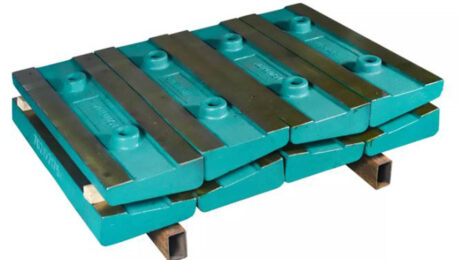
The Comprehensive Guide to Breaker Bars in Mining Machinery and Spare Parts
Mining machinery plays a critical role in the extraction of minerals, and one of the most essential components within various mining equipment is the breaker bar. In this extensive article, we delve into the nuances of breaker bars, examining their types, importance, and maintenance within the context of mining machinery and spare parts.
What is a Breaker Bar?
A breaker bar is a vital component in several types of mining machinery. It is specifically designed to aid in breaking or fracturing material, ensuring efficient operation during the mining process. Typically found in crushers, screening machines, and other heavy equipment, breaker bars are crucial for optimizing production cycles.
Types of Breaker Bars
1. Fixed Breaker Bars
Fixed breaker bars provide a stable point of impact for mining operations. These are commonly utilized in stationary equipment and are notable for their durability.
2. Adjustable Breaker Bars
Adjustable breaker bars can be tailored to specific operational requirements. They allow for modifications to the length or angle, enhancing versatility in various mining applications.
Importance of Breaker Bars in Mining Machinery
Breaker bars are essential for several reasons:
- Efficiency: They enhance the efficiency of material reduction.
- Durability: Constructed with robust materials, they ensure prolonged equipment life.
- Cost-Effective: By maximizing output, they contribute to reduced operational costs.
Materials Used in Manufacturing Breaker Bars
Breaker bars are made from various materials depending on their application. Common materials include:
- High carbon steel: Provides excellent toughness and resistance to wear.
- Alloy steels: Often used for their increased hardness and durability.
Breaker Bar Maintenance
Proper maintenance is key to prolonging the lifespan of a breaker bar:
- Regular inspections: Routine checks help identify wear or damage early.
- Lubrication: Proper lubrication minimizes friction and extends component life.
- Replacement: Knowing when to replace a breaker bar is critical for maintaining machinery efficiency.
Breaker Bars vs. Other Crusher Parts
Breaker bars play a different role compared to other crusher parts like hammers, liners, and jaws. While hammers are typically used for impact crushing, breaker bars specialize in breaking materials down into smaller pieces efficiently.
Choosing the Right Breaker Bar for Your Equipment
Selecting the appropriate breaker bar involves considering compatibility with your specific machinery and operational parameters. Factors to consider include size, shape, and material composition.
LSI and NLP Keywords Related to Breaker Bar
Key LSI and NLP keywords that enhance content relevancy include:
- Mining equipment
- Crusher parts
- Spare parts for mining machinery
- Material handling
- Wear parts
- Mining machinery maintenance
- Breaker bar specifications
- Impact resistance
- Crushing efficiency
- Mining process optimization
Breaker Bar FAQs
1. What is the function of a breaker bar?
A breaker bar’s main function is to break down materials for processing in mining machinery.
2. How do you maintain a breaker bar?
Maintenance involves regular inspections, proper lubrication, and timely replacement to prevent equipment failure.
3. What materials are used in breaker bars?
Breaker bars are typically made of high carbon steel or alloy steels for their durability and resistance to wear.
4. How can I choose the right breaker bar for my equipment?
Consider your machinery’s specifications, operational needs, and the type of materials being processed.
5. When should a breaker bar be replaced?
A breaker bar should be replaced when excessive wear or damage is visible, impacting the efficiency of the equipment.
Conclusion
In conclusion, the breaker bar is a crucial component in mining machinery that significantly contributes to overall operational efficiency. Understanding its functions, maintenance practices, and the right types for your specific machinery can lead to optimized performance and minimized downtime. By investing in quality breaker bars and adhering to maintenance best practices, mining operations can ensure they are running at peak efficiency.
- Published in Products
The Importance of Flywheels in Mining Machinery and Spare Parts
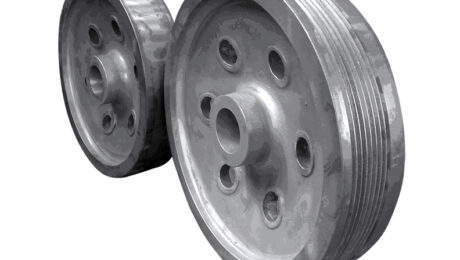
The Importance of Flywheels in Mining Machinery and Spare Parts
The mining industry is heavily reliant on machinery designed to operate in some of the most demanding conditions on Earth. A critical component of many of this equipment is the flywheel. Understanding the significance of flywheels in mining machinery, their types, applications, and spare parts is essential for efficient operation and maintenance. In this comprehensive article, we will delve into flywheels, their functionalities, and their role in mining machinery.
What is a Flywheel?
A flywheel is a mechanical device specifically designed to store rotational energy. It consists of a rotating mass that can efficiently store energy when it is accelerated and release it when needed. Flywheels are integral to numerous mechanical systems, including those found in mining machinery.
Types of Flywheels Used in Mining Machinery
Mining machinery employs various types of flywheels, including:
- Single Flywheels: Used primarily in smaller machines, providing a simple energy storage solution.
- Double Flywheels: Often found in larger, more powerful machines, allowing for higher energy absorption and storage.
- High-Mass Flywheels: Designed to withstand heavier loads, these are ideal for excavators and heavy-duty trucks.
The Functionality of Flywheels in Mining Equipment
Flywheels serve several critical functions in mining machinery:
- Energy Storage: Flywheels store kinetic energy generated during operation, improving efficiency.
- Load Balancing: They help maintain a consistent power output, preventing torque fluctuations that could damage the equipment.
- Shock Absorption: Flywheels absorb shocks caused by sudden changes in machinery load, protecting other components.
Common Mining Machinery That Use Flywheels
Various types of mining machinery utilize flywheels:
- Excavators: Flywheels help manage the power needed for digging and lifting.
- Drills: Used in drilling operations to provide steady torque.
- Crushers: Flywheels stabilize the motion of crushing equipment, improving efficiency.
- Conveyors: They help manage the load variations on conveyor belts.
Flywheel Spare Parts: Ensuring Longevity and Performance
Maintenance of flywheels is crucial to the longevity of mining machinery. Various spare parts ensure that flywheels operate efficiently:
- Bearings: Essential for reducing friction and wear in the operation of flywheels.
- Seals: Protect flywheels from contaminants, which can reduce their effectiveness.
- Mounting Hardware: Necessary for proper installation and stability during operation.
Choosing the Right Flywheel for Mining Applications
When selecting a flywheel for a specific mining application, several factors should be considered:
- Application Type: Understanding the specific machinery and tasks it’s intended for.
- Energy Storage Needs: Evaluating how much energy storage is required based on operational demands.
- Material Durability: High-quality materials are crucial, considering the harsh mining environments.
Common Issues with Flywheels in Mining Machinery
Despite their robust nature, flywheels can encounter issues like:
- Wear and Tear: Over time, flywheels can become damaged or worn, reducing their efficiency.
- Imbalance: Improper installation or damage can lead to imbalances, causing vibration and wear.
- Contaminant Ingress: Dust and debris can severely affect flywheel performance.
Maintaining Flywheels: Best Practices
Regular maintenance practices can extend the life of flywheels:
- Regular Inspections: Conducting frequent checks for wear or damage.
- Cleaning: Keeping flywheels free from debris and contaminants.
- Lubrication: Ensuring that bearings and moving components are properly lubricated.
Future Trends in Flywheel Technology for Mining Machinery
The flywheel market is evolving, with trends such as:
- Smart Flywheels: Integrating sensors for real-time performance monitoring.
- Lightweight Materials: Development of new materials to reduce the energy required for operation.
- Enhanced Energy Efficiency: Innovations aimed at maximizing energy storage without increasing size.
FAQ Section
What is the primary role of flywheels in mining machinery?
Flywheels primarily function as energy storage devices, helping to maintain consistent power output and absorb shocks caused by changes in load.
How do I know when to replace a flywheel?
Signs that indicate a flywheel may need replacement include excessive wear, visible cracks, or persistent imbalance issues.
What are the common materials used for flywheels?
Flywheels are typically made from durable materials such as steel, cast iron, or increasingly, advanced composite materials.
Can flywheels be repaired?
In some cases, flywheels can be repaired, particularly if the damage is minor. However, severe damage often necessitates a full replacement.
How do flywheels affect the efficiency of mining machinery?
By smoothing out power delivery and providing reliable energy storage, flywheels increase overall efficiency, reduce engine stress, and extend the life of machinery.
List of LSI and NLP Keywords Related to ‘Flywheel’
- Mining equipment
- Flywheel design
- Centrifugal force
- Kinetic energy
- Energy storage systems
- Mechanical engineering
- Torque management
- Power transmission
- Dynamic balancing
- Spare parts supply
- Mining operations
- Heavy machinery
Conclusion
The flywheel is a pivotal component in the world of mining machinery, enhancing efficiency, stability, and performance. Understanding their role, the types available, and the importance of maintenance is essential for anyone involved in the mining industry. By ensuring that these components are well-maintained and properly equipped with quality spare parts, operators can significantly improve the life and performance of their machinery, ultimately leading to a more productive and successful operation.
- Published in Products
The Essential Role of End Frames in Mining Machinery and Spare Parts
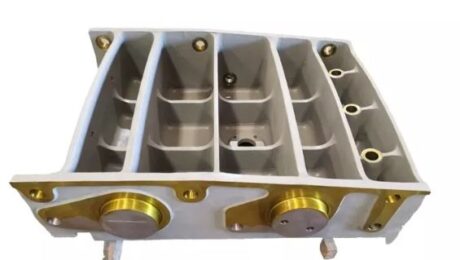
The Essential Role of End Frames in Mining Machinery and Spare Parts
Mining operations require durable and reliable equipment to extract valuable resources from the earth. One crucial component that plays a significant role in the functionality of mining machinery is the end frame. This article delves into the importance, types, manufacturing processes, and maintenance of end frames, particularly in the context of mining machinery and spare parts.
What is an End Frame?
An end frame is a structural component used in various machines, including those utilized in mining. It serves as a base or housing that holds essential parts of the machinery, providing structural support and stability during operation.
The Importance of End Frames in Mining Machinery
Without proper end frames, mining machinery would suffer from operational inefficiencies and possible mechanical failures. The end frame’s design must support heavy loads, withstand harsh conditions, and facilitate easy maintenance, making it integral to the productivity of mining operations.
Key Functions of End Frames in Mining Equipment
- Structural Integrity: Ensures the machine maintains its shape and withstands operational stresses.
- Vibration Damping: Helps absorb vibrations, improving efficiency and operator comfort.
- Protection: Guards internal components from dust, dirt, and debris common in mining environments.
Types of End Frames Used in Mining Machinery
Mining machinery features various end frames designed for specific applications. Common types include:
- Fixed End Frames: Permanently affixed to the machinery, providing stability for stationary operations.
- Adjustable End Frames: Allow customization for different operational needs, providing flexibility.
- Modular End Frames: Enable simple replacement and maintenance, reducing downtime.
Materials Used in Manufacturing End Frames
End frames are typically manufactured from high-strength materials to withstand demanding conditions. Common materials include:
- Steel: Offers durability and strength, making it the most common choice.
- Aluminum: Light but strong, suitable for mobile equipment.
- Composite Materials: Used for specialized applications where weight-saving is critical.
Manufacturing Process of End Frames
The manufacturing of end frames involves several steps:
- Design and Engineering: Initial design based on machine specifications.
- Material Selection: Choosing the right material for the meant application.
- Machining: Cutting, shaping, and forming materials to required specifications.
- Welding and Assembly: Joining parts together to create the final structure.
- Finishing: Applying protective coatings to enhance durability.
Maintenance of End Frames in Mining Machinery
To ensure longevity and performance, regular maintenance of end frames is essential. Key maintenance practices include:
- Regular Inspections: Check for cracks, wear, and fatigue signs.
- Cleaning: Remove dirt and debris to prevent corrosion.
- Lubrication: Apply lubricants to moving parts and joints where applicable.
Common Issues Faced by End Frames
End frames can encounter several issues during their service life, including:
- Corrosion: Particularly problematic with steel frames if not properly maintained.
- Structural Failure: Resulting from fatigue or overload conditions.
- Incompatibility: With other machinery parts due to design changes or poor manufacturing.
What to Consider When Purchasing End Frames
When sourcing end frames for mining machinery, consider:
- Compatibility: Ensure it matches specific machinery requirements.
- Material Quality: Check the strength and durability of materials used.
- Manufacturer Reputation: Opt for manufacturers with a proven track record in mining equipment.
FAQs About End Frames
What materials are best for end frames in mining machinery?
Steel is commonly used due to its strength and durability. However, aluminum and composite materials are also options for specific applications where weight and corrosion resistance are priorities.
How often should end frames be inspected?
Regular inspections should be part of planned maintenance, ideally conducted monthly, with more thorough checks annually or during significant repairs.
Can end frames be replaced easily?
Replacement depends on the machine’s design. Modular end frames typically allow for easier replacement compared to fixed frames.
What are the signs of wear in end frames?
Common signs of wear include visible cracks, deformation, excessive vibration, and difficulty in machine operations.
How do end frames affect machine efficiency?
End frames contribute to machine efficiency by providing structural integrity, reducing vibrations, and protecting internal components, which collectively enhance performance.
Conclusion
The end frame is a vital component of mining machinery that significantly impacts operational efficiency and reliability. By understanding the types, materials, and maintenance practices related to end frames, businesses can enhance their equipment’s performance and longevity, leading to more successful mining operations.
LSI and NLP Keywords Related to End Frames
- Mining machinery components
- Mining equipment spare parts
- Structural components in mining
- Durability of mining machinery
- Mining operations efficiency
- Welding techniques for end frames
- Maintaining mining machinery
- Vibration control in machinery
- Corrosion resistance in mining
- Power transmission in mining equipment
- Heavy machinery components
- Industrial machinery parts
- Fabrication of machinery parts
- Heavy equipment maintenance
- Mining industry standards
- Published in Products
Comprehensive Guide to Pitman in Mining Machinery and Spare Parts

Understanding Pitman in Mining Machinery
The term pitman refers to a key component found in various types of mining machinery. Pitmans are integral to the operation of equipment like crushers and screens, providing the necessary movement for crushing material. This article delves into everything you need to know about pitman, including its design, function, and importance in mining machinery.
What is a Pitman?
A pitman is a crucial mechanical component usually connected to the main shaft of a machine. In mining machinery, it serves a pivotal role in converting rotary motion into reciprocating motion, which is essential for the performance of devices like jaw crushers and other crushing equipment.
The Role of Pitman in Mining Machinery
In mining applications, the pitman performs several critical functions:
- Energy Transfer: It transfers kinetic energy from the motor to the crushing elements, facilitating the reduction of material size.
- Motion Generation: The pitman’s oscillatory motion is what enables crushing and grinding processes to occur efficiently.
- Load Bearing: It supports the weight of the moving parts and absorbs vibrations during operation.
Types of Pitman Used in Mining Machinery
There are various designs and types of pitman found in mining machinery:
- Single Toggle Pitman: Commonly used in jaw crushers, this type features a single hinge point and is known for its straightforward design.
- Double Toggle Pitman: This more complex design uses two hinge points, allowing for greater crushing efficiency and the handling of larger materials.
- Custom Pitman Designs: Some manufacturers offer customized pitman designs to suit specific operational needs or to improve material handling.
Materials Used in Pitman Manufacturing
The materials chosen for manufacturing pitman components affect durability, efficiency, and performance. Common materials include:
- Steel: High-carbon steel is often used for its strength and resistance to wear.
- Alloys: Alloys can enhance resilience and durability under extreme conditions.
- Cast Iron: Though heavier, cast iron can provide excellent wear resistance and is used in specific applications.
Importance of Pitman in Mining Operations
The pitman‘s efficiency directly impacts mining operations, especially in terms of:
- Production Rates: An effective pitman allows for higher throughput by improving the crushing action.
- Equipment Lifespan: A well-maintained pitman contributes to longer equipment lifespan and reduced maintenance costs.
- Operational Efficiency: A properly functioning pitman enhances overall machinery performance, promoting smoother operations.
Maintenance and Replacement of Pitman
Regular maintenance of the pitman is vital for ensuring optimal performance. Common maintenance practices include:
- Inspection: Regularly checking for signs of wear and tear, especially in high-stress areas.
- Lubrication: Keeping moving parts lubricated to minimize friction and wear.
- Replacement: Knowing when to replace a pitman is crucial, particularly if wear exceeds acceptable limits or if manufacturing defects are detected.
Finding Quality Pitman Spare Parts
When it comes to sourcing pitman spare parts, consider the following:
- OEM vs. Aftermarket: Ensure you know the differences between original equipment manufacturer parts and aftermarket options.
- Quality: Always prioritize quality over cost. Investing in high-quality parts can save money in the long run.
- Supplier Reputation: Work with reputable suppliers who can provide both parts and expert advice.
FAQs about Pitman in Mining Machinery
What is the primary function of a pitman in mining machinery?
The primary function of a pitman is to convert rotary motion into reciprocating motion, which facilitates crushing and grinding processes in mining equipment.
How can I identify wear in a pitman?
Regular inspections for cracks, deformities, and abnormal movements can help identify wear in a pitman. Look out for signs of excessive vibration during operation.
Are there different types of pitman for various crushers?
Yes, different types of crushers, such as single toggle and double toggle crushers, each require specific designs of pitman tailored for their operational needs.
How often should I replace my pitman?
The replacement frequency of a pitman depends on usage and wear rates; regular monitoring and adherence to manufacturer guidelines are crucial.
Can I use aftermarket parts for my pitman?
While aftermarket parts can be used, it’s essential to ensure they meet quality standards and specifications comparable to OEM parts.
Conclusion
In conclusion, the pitman is an essential component in mining machinery that plays a key role in the effective operation of crushing equipment. Understanding its function, maintenance requirements, and the importance of quality parts can significantly enhance the efficiency of mining operations. As technology evolves, monitoring industry advancements related to pitman design and materials will also contribute to better performance in mining machinery.
- Published in Products
Comprehensive Guide to Mining Machinery: Understanding Rotors and Spare Parts

Comprehensive Guide to Mining Machinery: Understanding Rotors and Spare Parts
Mining machinery plays a crucial role in the extraction of minerals and resources from the earth. Among the various components of this machinery, the rotor stands out as a pivotal element in numerous mining operations. In this article, we will delve deep into the world of mining machinery, focusing extensively on rotors and their spare parts. We will also discuss their importance, types, maintenance tips, and answers to frequently asked questions.
1. What is a Rotor in Mining Machinery?
A rotor is a rotating part of a machine, which can be found in various types of mining machinery, including crushers, pulverizers, and various types of heavy equipment. The rotor is essential for the operation of these machines and directly influences their efficiency and effectiveness.
2. The Importance of Rotors in Mining Machinery
Rotors serve several critical functions in mining machinery. They are responsible for:
- Facilitating the crushing and grinding of materials.
- Enhancing the performance and output of mining equipment.
- Improving the efficiency of material handling processes.
3. Types of Rotors Used in Mining Machinery
There are various types of rotors used in mining machinery, each designed for specific applications. Some common types include:
- Impellers: Used in centrifugal pumps and crushers.
- Hammer Rotors: Found in hammer mills and shredders, vital for material size reduction.
- Drum Rotors: Utilized in continuous miners and roadheaders, essential for cutting and transporting materials.
4. Mining Machinery Spare Parts: Focus on Rotors
Spare parts for mining machinery are critical to maintaining operational efficiency. Rotors are among the most commonly replaced parts due to wear and tear. Understanding the types of spare rotors available is vital for maintaining machine performance.
5. Key Features to Look for in Mining Rotors
When selecting rotors for mining machinery, several key features should be considered:
- Durability: The rotor should withstand harsh mining conditions.
- Compatibility: Ensure the rotor fits the specific mining equipment.
- Material Quality: Look for rotors made from high-strength alloys.
6. Maintenance Tips for Rotors in Mining Machinery
Proper maintenance of rotors can prolong their lifespan and improve mining efficiency. Here are some essential tips:
- Regularly inspect rotors for wear and damage.
- Keep the machinery clean to prevent material buildup that can cause rotor imbalance.
- Replace worn-out rotors promptly to avoid further damage.
7. Common Problems with Mining Rotors
Operators often face issues related to rotors. Some common problems include:
- Cracks and fractures due to stress.
- Imbalance leading to excessive vibration.
- Wearing down of rotor blades in crushers and mills.
8. How to Choose the Right Rotor for Your Mining Operation
Selecting the right rotor for your mining equipment involves considering factors such as:
- The type of material being processed.
- The capacity and capabilities of your existing machinery.
- Manufacturer specifications and recommendations.
9. Frequently Asked Questions about Mining Rotors
9.1 What materials are rotors in mining machinery made from?
Rotors are typically made from high-quality steel or special alloys designed to withstand extreme conditions and heavy loads.
9.2 How often should rotors be replaced?
The replacement frequency varies based on usage; however, a regular inspection schedule is recommended to identify signs of wear.
9.3 Can I repair a damaged rotor?
In some cases, minor damage to a rotor can be repaired, but severe damage usually necessitates complete replacement.
9.4 What are the signs of rotor wear?
Signs include unusual vibrations, decreased performance, and visible wear on the rotor surfaces.
9.5 Is it necessary to use OEM rotors or are aftermarket parts acceptable?
While OEM parts are designed specifically for your machinery and generally offer the best performance, high-quality aftermarket parts can be acceptable if they meet the required specifications.
10. Conclusion
Understanding the role of rotors in mining machinery is essential for optimizing performance and ensuring the safe and efficient extraction of resources. Regular maintenance, along with selecting the right rotor and spare parts, will enhance the longevity of your mining equipment and improve overall productivity.
LSI and NLP Keywords
- Mining equipment
- Mineral processing
- Crushing machinery
- Spare parts supply
- Equipment maintenance
- Heavy machinery components
- Mining operations
- Material handling
- Durability
- Performance optimization
Related Terms
- Mining drills
- Excavators
- Caterpillar components
- Milling equipment
- Pneumatic components
- Earth-moving machinery
- Excavation
- Resource extraction
- Published in Products
The Ultimate Guide to Conveyor Belts in Mining Machinery and Spare Parts

The Ultimate Guide to Conveyor Belts in Mining Machinery and Spare Parts
Introduction to Conveyor Belts
Conveyor belts are essential components in mining machinery, playing a crucial role in the transportation of materials within mining operations. This article provides a comprehensive overview of conveyor belts, their types, maintenance, and the importance of spare parts in ensuring uninterrupted operations.
Understanding Conveyor Belts
Conveyor belts are mechanical devices used to transport bulk materials, such as ores and minerals, from one location to another within mining sites. They consist of a continuous loop of material that runs over pulleys and help improve the efficiency of material handling.
Types of Conveyor Belts in Mining Machinery
1. Flat Conveyor Belts
Flat conveyor belts are commonly use in mining operations for their simplicity and versatility. They are designed to move materials horizontally or at slight inclines.
2. Modular Conveyor Belts
Modular conveyor belts are constructed from interlocking plastic modules. They are durable, easy to assemble, and can be customized to suit various applications.
3. Cleated Conveyor Belts
These belts feature raised sections that prevent materials from slipping back during inclined transport. Cleated belts are ideal for transporting loose and bulk materials.
4. Wire Mesh Conveyor Belts
Used in high-temperature applications, wire mesh conveyor belts allow airflow and can handle hot materials safely.
Key Components of Conveyor Belts
The main components of a conveyor belt system include:
- Carcass: The core structure that provides strength and support.
- Cover: The top layer that protects the carcass and provides friction for material retention.
- Edge: Protects the carcass from wear and damage.
- Fasteners: Join separate belt lengths.
Importance of Conveyor Belts in Mining
Conveyor belts enhance productivity by:
- Reducing manual labor in material handling.
- Improving the speed and efficiency of material transfer.
- Ensuring safer working conditions by minimizing heavy lifting.
Maintenance of Conveyor Belts
Regular maintenance is vital for conveyor belts to operate effectively. Here are some essential maintenance tips:
- Regular Inspections: Check for wear and tear, misalignment, and other issues.
- Cleaning: Remove debris that may hinder belt performance.
- Tension Adjustment: Ensure the proper tension to prevent slippage.
- Lubrication: Keep pulleys and bearings well-lubricated for smooth operation.
Choosing the Right Conveyor Belt
Selecting the appropriate conveyor belt depends on various factors, including:
- Material type being transported.
- Distance and height of material transfer.
- Environmental conditions of the mining site.
- Load capacity needed for efficient operation.
Spare Parts for Conveyor Belts
A critical aspect of conveyor belt maintenance is ensuring that quality spare parts are readily available. Key spare parts include:
- Belt pieces for replacements.
- Pulleys for various applications.
- Idlers to support the belt and reduce friction.
- Drive motors that power the conveyor system.
Common Issues with Conveyor Belts
Some frequent issues associated with conveyor belts are:
- Belt Misalignment: Can cause premature wear or damage.
- Slippage: Occurs due to insufficient tension or smooth surfaces.
- Wear and Tear: Results from constant use and environmental factors.
FAQs About Conveyor Belts
What are the main types of conveyor belts?
The main types of conveyor belts include flat belts, modular belts, cleated belts, and wire mesh belts.
How often should conveyor belts be inspected?
Conveyor belts should be inspected regularly, ideally at least once a month, depending on usage and materials being transported.
What causes conveyor belts to slip?
Slippage can be caused by insufficient tension, worn belts, or contaminants on the belt or pulleys.
How can I extend the life of my conveyor belt?
Regular maintenance and timely replacement of worn parts can significantly extend the lifespan of a conveyor belt.
What spare parts are essential for conveyor belt maintenance?
Essential spare parts include belt pieces, pulleys, drive motors, and idlers.
Conclusion
Conveyor belts are invaluable to the mining industry for transporting materials efficiently and safely. Understanding the types, maintenance practices, and the importance of spare parts will help ensure optimal performance of this critical equipment. Investing in quality conveyor belts and proper maintenance practices will lead to increased productivity and reduced downtime in mining operations.
LSI and NLP Keywords
- Mining equipment
- Bulk material handling
- Material transport systems
- Mining operations
- Conveyor systems
- Mining industry
- Heavy machinery
- Automated transportation
- Mining safety
- Equipment efficiency
- Industrial conveyor belts
- Long-distance transport
- Conveyor maintenance
- Mineral processing
- Conveying technology
- Published in Products
