


Everything You Need to Know About Roller in Mining Machinery and Spare Parts

Everything You Need to Know About Roller in Mining Machinery and Spare Parts
The mining industry relies heavily on specialized machinery to extract valuable resources from the earth. Among these pieces of equipment, rollers play a crucial role in the operation of various mining machinery. This article delves into the significance of rollers in mining machinery and spare parts, exploring their types, applications, and maintenance practices.
What is a Roller in Mining Machinery?
A roller in mining machinery refers to a cylindrical component that aids in the movement and operation of other machinery used in the mining process. These rollers are essential for equipment like conveyors, crushers, and even heavy-duty trucks.
Types of Rollers Used in Mining Machinery
1. Conveyor Rollers
Conveyor rollers are vital for the efficient transport of materials across mining sites. They can be made from different materials, including steel and plastic, and are designed to support heavy loads without compromising durability.
2. Idler Rollers
Idler rollers are used in conveyor systems to stabilize and support the belt. Their alignment and consistency are crucial for optimal operation.
3. Guide Rollers
Guide rollers ensure that mining belts track correctly, minimizing wear and tear and preventing material spillage. They are designed to withstand extreme conditions.
4. Roller Bearings
Roller bearings are used in various machinery components where rotational movements occur. They reduce friction and wear, facilitating smoother operations.
Functions of Rollers in Mining Machinery
1. Material Handling
Rollers play a crucial role in the efficient handling of bulk materials, ensuring they are moved from one point to another smoothly.
2. Load Distribution
By distributing loads evenly across the machinery, rollers help in maintaining the integrity of the equipment and prolonging its lifespan.
3. Reduce Friction
Rollers minimize friction in machinery, allowing for smoother operation and reducing energy costs.
4. Alignment and Stability
Properly aligned rollers ensure the stability of conveyor belts, which is vital for maintaining operational efficiency.
Choosing the Right Roller for Your Mining Machinery
When selecting rollers for mining machinery, consider factors such as:
- Load Capacity: Ensure the roller can handle the expected weight.
- Material: Depending on the environment, different materials may be necessary for durability.
- Size: The diameter and width of the roller must fit your machinery specifications.
- Bearing Type: Depends on the required speed and friction levels.
Maintenance of Rollers in Mining Machinery
Regular maintenance is essential for ensuring rollers in mining machinery perform effectively. Key maintenance practices include:
- Regular Inspections: Check for signs of wear and tear.
- Lubrication: Regularly lubricate bearings to reduce friction.
- Alignment Checks: Ensure rollers are aligned correctly to prevent uneven wear.
- Replacement: Replace worn or damaged rollers promptly to avoid machinery malfunctions.
Mining Machinery and Spare Parts: The Role of Quality Rollers
The quality of rollers significantly impacts the efficiency of mining operations. High-quality rollers result in fewer breakdowns, reduced maintenance costs, and improved safety on mining sites.
Where to Source Roller Spare Parts for Mining Machinery
There are several places to source roller spare parts for mining machinery, including:
- Manufacturers: Purchasing directly from manufacturers guarantees quality.
- Authorized Dealers: They offer a warranty and ensure compatibility with your machines.
- Online Suppliers: Various online platforms provide a wide range of options.
- Local Distributors: Convenient for quick replacements and support.
Frequently Asked Questions About Rollers in Mining Machinery
1. What materials are rollers in mining machinery made from?
Rollers can be made from a range of materials, including steel, plastic, and rubber, depending on their application and the load they need to support.
2. How often should mining rollers be maintained?
Regular maintenance should be conducted every few weeks, including checks for wear, lubrication of bearings, and alignment verification.
3. What signs indicate a roller needs replacement?
Signs of wear include unusual noise, vibrations, misalignment, or visible damage to the roller’s surface.
4. Can I use any roller for my mining machinery?
No, it’s crucial to use rollers that match your machinery’s specifications to ensure optimal performance and avoid damage.
LSI and NLP Keywords Related to Roller in Mining Machinery
- Conveyor system rollers
- Mining equipment spare parts
- Heavy machinery rollers
- Industrial rollers
- Roller manufacturing
- Roller maintenance
- Load-bearing rollers
- Guide rollers for conveyors
- Roller durability
- Mining operations
- Bearing systems in mining
- Roller specifications
- Mining material handling
- Roller replacement parts
- Mining machinery components
- Roller wear and tear
- Mining conveyor services
- Efficient material movement
- Mining equipment efficiency
- Conveyor idlers
- Mechanics of mining machinery
Conclusion
Understanding the role and importance of rollers in mining machinery is vital for optimizing operations and reducing downtime. By selecting the right types, maintaining them properly, and sourcing high-quality spare parts, mining companies can enhance their performance and ensure safety on-site. Investing in quality rollers is not just about equipment; it’s about ensuring the entire operation runs smoothly and efficiently.
- Published in Products
The Essential Guide to Mining Machinery and Spare Parts: Focusing on Drums
The Essential Guide to Mining Machinery and Spare Parts: Focusing on Drums
Mining is a crucial industry that drives economies and provides the raw materials essential for manufacturing and construction. At the core of this industry are mining machinery and their spare parts. In this comprehensive guide, we will focus on one of the most critical components used in various mining operations: drums.
What Are Drums in Mining Machinery?
Drums are cylindrical components utilized in several types of mining machinery. They play a pivotal role in processes such as crushing, screening, and transporting materials. The proper functioning of these drums is essential for maintaining productivity and efficiency in mining operations.
Types of Drums in Mining Machinery
- Cylindrical Drums: These are often used in crushers and mills where materials are broken down into smaller sizes.
- Drum Feeders: Used primarily in feeding mechanisms, these drums ensure a consistent flow of material into processing machines.
- Drum Mixers: Employed in mixing materials, drum mixers are essential for creating homogenous mixtures of mined materials.
- Drum Rollers: These drums aid in the transportation of materials across conveyor systems.
The Importance of Drums in Mining Operations
Drums are integral to various processes in mining operations. Without them, many machines would fail to operate effectively, leading to decreased output and increased operational costs. Regular maintenance of drums is essential for ensuring that these parts remain efficient and functional.
Types of Mining Machinery that Use Drums
Different types of mining machinery rely on drums for optimal performance:
- Excavators: Drums are used in hydraulic arms to scoop and carry materials.
- Crushers: Drums help in grinding and breaking down large rocks.
- Scrapers: Used to move and collect material, these machines utilize drums extensively.
- Ball Mills: These utilize cylindrical drums for grinding minerals.
Mining Machinery Spare Parts: Understanding Drum Components
Understanding the components of a drum is vital for effective maintenance and replacement. Spare parts related to drums may include:
- Drum Shells: The main body of the drum that holds other components.
- Bearings: Essential for ensuring smooth rotation and operation of the drum.
- End Caps: These serve to finish the drum and support its structure.
- Hubs: Connect the drum to the machinery and support its rotation.
Common Issues with Drums and Their Solutions
Drums in mining machinery can face various issues that may affect performance:
- Wear and Tear: Regular inspection and timely replacements of drum components can mitigate this problem.
- Misalignment: Ensure that all parts are aligned correctly during installation and maintenance to prevent operational issues.
- Corrosion: Utilize protective coatings to prolong the lifespan of drums exposed to harsh mining environments.
- Bearing Failure: Regular lubrication and inspections can prevent failures in drum bearings, ensuring smooth operation.
Best Practices for Maintaining Drums in Mining Machinery
Proper maintenance is crucial to enhancing the lifespan and efficiency of drums:
- Regular Inspections: Schedule routine checks for signs of wear, misalignment, or corrosion.
- Lubrication: Ensure that all moving parts are routinely lubricated to reduce friction and wear.
- Replacement of Worn Parts: Keep a supply of spare parts on hand, so that replacement can occur swiftly to prevent machine downtime.
- Training for Operators: Educate operators on the importance of drum maintenance and how to spot potential issues early.
Future Trends in Mining Machinery and Drum Technology
As the mining industry evolves, so do the technologies surrounding mining machinery and drums. Innovations include:
- Smart Sensors: These can be integrated into drums to monitor wear and provide real-time data for proactive maintenance.
- Advanced Materials: Research into more durable materials for drum manufacturing could further enhance efficiency and longevity.
- Automation: Automation in mining machinery may lead to improved drum operations with minimized human interaction.
Frequently Asked Questions (FAQs)
What are drums used for in mining machinery?
Drums are essential components in various mining machinery, utilized in processes such as crushing, mixing, and transporting materials.
What types of mining machinery incorporate drums?
Excavators, crushers, scrapers, and ball mills are examples of machinery that use drums in their operations.
How can I maintain my mining machinery drums effectively?
Regular inspections, lubrication, timely replacement of worn parts, and training for operators are vital for effective maintenance.
What common issues can occur with mining drums?
Common issues include wear and tear, misalignment, corrosion, and bearing failure. Each of these can be addressed with proper maintenance practices.
What advancements are being made in drum technology for mining machinery?
Advancements include the integration of smart sensors for monitoring, the use of advanced materials, and the rise of automation in mining processes.
Final Thoughts on Mining Machinery Drums
In conclusion, drums are a vital component of mining machinery, with significant roles across various applications in mining operations. Understanding their functions, maintenance needs, and emerging trends is crucial for any operator or stakeholder in the mining industry. By prioritizing drum health, miners can enhance productivity and reduce downtime.
- Published in Products
The Essential Guide to Mantle and Bowl Liner in Mining Machinery

The Essential Guide to Mantle and Bowl Liner in Mining Machinery
Mining machinery encompasses a wide range of equipment used to extract minerals and other geological materials from the earth. Among the critical components of this machinery, the mantle and bowl liner play essential roles in ensuring efficient operation. This article will delve into the significance of mantle and bowl liner in mining, their specifications, maintenance practices, the inevitable wear and tear they face, and how to select the right mantle and bowl liner for your machinery.
Understanding the Mantle and Bowl Liner
The mantle and bowl liner are vital components in crushers, particularly in cone crushers. These parts form the primary surfaces that crush the material fed into the machine. The mantle is positioned on top of the bowl liner. As the mantle rotates, it moves closer to and further away from the bowl liner, allowing for the crushing of materials.
The Role of Mantle and Bowl Liner in Mining Machinery
In mining operations, the mantle and bowl liner are crucial for the performance and efficiency of cone crushers. They help in achieving various desired outcomes, including increased productivity, reduced energy consumption, and improved product quality.
Materials Used for Mantle and Bowl Liner
The materials used in producing mantle and bowl liner are significant as they directly affect the durability and performance of these parts. Typically, they are made from high manganese steel, which is ideal for high-impact environments due to its impact resistance features.
Types of Mantle and Bowl Liner
There are several types of mantle and bowl liner configurations depending on the specific requirements of the mining operation. These include:
- Standard Mantle and Bowl Liner
- Short-Head Mantle and Bowl Liner
- Medium Cone Mantle and Bowl Liner
- Custom Configured Mantle and Bowl Liner
How to Select the Right Mantle and Bowl Liner
Selecting the right mantle and bowl liner is crucial for optimal crusher performance. Factors to consider include:
- Material type and its properties
- Size and dimensions appropriate for your equipment
- Specific wear characteristics of the material being crushed
- Manufacturing standards of the replacement parts
Maintaining Mantle and Bowl Liner
Proper maintenance can significantly extend the life of mantle and bowl liner. Key maintenance practices include:
- Regular inspections and monitoring of wear patterns
- Timely replacement to minimize downtime
- Lubrication of components to reduce friction
- Proper training for operators to recognize wear signs
Signs of Wear and When to Replace Mantle and Bowl Liner
Understanding the signs of wear on the mantle and bowl liner is vital for maintaining optimal performance. Signs may include:
- Reduced product quality
- Increased power consumption
- Unusual noise during operation
- Cracks or physical damage to the parts
Cost-Effective Alternatives for Mantle and Bowl Liner
If you are looking for cost-effective alternatives for mantle and bowl liner, consider sourcing after-market options. Ensure these alternatives meet industry standards and provide comparable performance to original equipment manufacturer (OEM) parts.
Trends in Mantle and Bowl Liner Technology
Innovations and technological advancements in manufacturing processes are leading to better-performing mantle and bowl liner. These advancements include:
- Improved materials that enhance wear resistance
- Advanced manufacturing techniques, including 3D printing
- Optimized designs that facilitate material flow
Conclusion
In conclusion, the mantle and bowl liner are integral components of mining machinery that significantly impact operational efficiency and productivity. Understanding their function, maintenance practices, and innovations can help ensure you achieve the best results from your equipment.
FAQ Section
1. What is the purpose of the mantle and bowl liner in mining machinery?
The mantle and bowl liner are essential in cone crushers for crushing materials in mining. They create a space that enables the crushing process through their movement.
2. How often should I replace the mantle and bowl liner?
Replacement should be based on wear patterns and signs of damage, typically every few months to a year, depending on usage intensity.
3. What materials are commonly used for manufacturing mantle and bowl liner?
High manganese steel is commonly used due to its excellent wear resistance properties, which are crucial for high-impact environments.
4. Can I use after-market parts for mantle and bowl liner?
Yes, you can use after-market parts as long as they meet industry standards and specifications comparable to OEM parts.
5. What are the common signs of wear on mantle and bowl liner?
Signs of wear include reduced product quality, increased power consumption, unusual noise, and visible cracks or damage on the parts.
LSI and NLP Keywords
- Mining equipment
- Cone crushers
- Crusher parts
- Material extraction
- High manganese liners
- Crushing machinery
- Mining spare parts
- Casting alloys
- OEM vs After-market
- Wear characteristics
- Maintenance tips
- Efficient crushing
- Mining industry trends
- Industrial machinery components
- Replacement parts
- Performance optimization
- Quality assurance
- Published in Products
The Comprehensive Guide to Jaw Plates: Importance, Specifications, and Spare Parts in Mining Machinery

The Comprehensive Guide to Jaw Plates: Importance, Specifications, and Spare Parts in Mining Machinery
Introduction to Jaw Plates in Mining Machinery
Jaw plates are essential components of jaw crushers, which are widely used in mining machinery. They play a crucial role in the crushing process, enabling the effective and efficient comminution of various materials. Understanding the function and specifications of jaw plates is vital for operators to ensure uninterrupted operations and maximization of productivity.
What are Jaw Plates?
Jaw plates are the wear parts of a jaw crusher that come into direct contact with the material being crushed. They are typically made from high manganese steel or other durable materials, designed to withstand the significant stresses and impacts experienced during the crushing process. The jaw plates come in different profiles, shapes, and sizes to suit various types of mining applications.
Types of Jaw Plates
Standard Jaw Plates
Standard jaw plates are the most commonly used type in jaw crushers. They have a smooth surface for efficient crushing.
Tooth Jaw Plates
Tooth jaw plates are designed with protruding features that enhance grip on the material for better crushing efficiency, especially for harder materials.
Mixed Jaw Plates
Mixed jaw plates combine features from both standard and tooth jaw plates, providing versatility for various applications.
The Importance of Jaw Plates in Mining Machinery
Jaw plates are crucial for several reasons:
- Efficiency: Properly designed jaw plates ensure that the crushing process is carried out with maximized efficiency.
- Durability: High-quality jaw plates are designed for longevity, reducing the need for frequent replacements and minimizing operational downtime.
- Cost-Effectiveness: Investing in quality jaw plates can lead to significant savings over time, particularly in high-volume operations.
Choosing the Right Jaw Plates for Your Crusher
When selecting jaw plates, consider the following factors:
- Material Type: Choose a material that aligns with the nature of the materials being crushed.
- Size Compatibility: Ensure that the jaw plates are compatible with your jaw crusher model.
- Application Specificity: Tailor your choice based on specific applications, such as primary or secondary crushing.
Jaw Plate Specifications
Material Composition
Jaw plates are commonly made from materials such as:
- High Manganese Steel
- Alloy Steel
- Composite Materials
Dimensions and Weight
Jaw plate dimensions vary based on the specific model of jaw crusher. Typical specifications include:
- Length: Varies by model, generally measured in mm or inches.
- Width: Also varies, important for fitting in the crusher.
- Thickness: Affects lifespan and crushing capabilities.
Maintenance of Jaw Plates
Regular maintenance of jaw plates is crucial for maximizing their lifespan. Proper inspection, cleaning, and timely replacement can significantly enhance the efficiency of the jaw crusher.
Common Issues with Jaw Plates
Some common challenges include:
- Wear and Tear: Gradual degradation leading to reduced efficiency.
- Cracks: Caused by excessive force or impacts.
- Deformation: Misalignment can lead to uneven wear.
Replacement of Jaw Plates
Replacing jaw plates is an essential aspect of maintenance. Indicators for replacement include:
- Visible Wear: Observing the wear pattern on jaw plates.
- Decreased Performance: Noticing a drop in crushing efficiency.
- Strange Noises: Hearing unusual sounds during operation.
Jaw Plate Spare Parts: Securing Performance
Obtaining high-quality spare parts is critical for uninterrupted operations. Jaw plate spare parts include:
- Jaw Plate Liners
- Bolts and Fasteners
- Mounting Hardware
Conclusion
Understanding jaw plates’ importance, specifications, and maintenance is vital for optimizing mining operations. Regular assessment and replacement of jaw plates, along with using high-quality spare parts, can lead to improved efficiency and reduced costs in the long run.
FAQ
1. What is a jaw plate in mining machinery?
A jaw plate is a component of a jaw crusher that comes into direct contact with the material being crushed, typically made from durable materials like high manganese steel.
2. How often should jaw plates be replaced?
Jaw plates should be replaced based on wear patterns, performance, and operational demands, typically every few months to a year, depending on usage.
3. What materials are jaw plates made from?
Jaw plates are commonly made from high manganese steel, alloy steel, and sometimes composite materials for enhanced durability.
4. Can I use different types of jaw plates in one crusher?
Using different types of jaw plates is possible, but it should be done with consideration to the specific crushing application and compatibility with the crusher model.
5. What are common issues with jaw plates?
Common issues include wear and tear, cracks, and deformation due to excessive force or misalignment.
LSI and NLP Keywords Related to Jaw Plate
Jaw crusher, wear parts, high manganese steel, crushing efficiency, mining equipment, crusher spare parts, crusher liners, durable machinery, mining operations, heavy machinery, crushing process, impact resistance, material handling, industrial equipment, maintenance tips, mining industry, equipment performance, manganese alloys.
Other Related Words
Crusher parts, wear-resistant, crushing technology, mining tools, equipment longevity, operational efficiency, spare part suppliers, material tooling.
- Published in Products
The Ultimate Guide to Blow Bars in Mining Machinery and Spare Parts

Introduction to Blow Bars
In the mining industry, the efficiency and effectiveness of machinery heavily rely on the components used. One such crucial component is the blow bar, an essential part of impact crushers that plays a vital role in the crushing process. This article will explore everything you need to know about blow bars, their types, applications, and maintenance in detail.
What are Blow Bars?
Blow bars are critical wear parts installed in impact crushers. They are designed to break down materials such as rocks, ores, and aggregates into smaller pieces. The materials used for manufacturing blow bars generally include high-quality steel and other alloys to withstand the high-impact forces during operation.
Types of Blow Bars
1. High Chromium Blow Bars
High chromium blow bars are known for their excellent wear resistance, making them ideal for crushing hard materials. They offer a longer lifespan compared to standard blow bars and are often used in primary and secondary crushing applications.
2. Hybrid Alloy Blow Bars
Hybrid alloy blow bars combine various materials to enhance durability and manage wear. They provide a perfect balance between toughness and resistance, making them suitable for different operating conditions.
3. Manganese Blow Bars
Manganese blow bars are designed for maximum hardness, making them effective for handling high-impact materials. They are particularly useful in applications where a high level of toughness is needed.
Applications of Blow Bars in Mining Machinery
Blow bars have applications in various mining machinery, including:
- Impact Crushers
- Mobile Crushers
- Fixed Crushers
- Aggregate Plants
Factors Influencing Blow Bar Selection
When selecting the appropriate blow bar, consider the following factors:
- Material to be crushed: Depending on whether you are crushing hard or soft materials, the type of blow bar required may vary.
- Operating conditions: The environment in which the machinery operates affects the wear and tear on blow bars.
- Desired lifespan: Depending on your budget and operational needs, you’ll want to choose a blow bar that provides the ideal lifespan.
Benefits of Using Quality Blow Bars
Investing in quality blow bars can lead to several advantages:
- Increased Efficiency: Quality blow bars enhance the performance of crushers, leading to higher output.
- Reduced Downtime: Durable blow bars minimize breakdowns and operational disruptions.
- Cost-effective: Higher initial costs are often offset by the longevity and performance of superior blow bars.
Maintenance Tips for Blow Bars
To maximize the lifespan and efficiency of your blow bars, consider the following maintenance tips:
- Regularly inspect blow bars for signs of wear and tear.
- Monitor the performance of the crusher to ensure all components are functioning correctly.
- Replace blow bars promptly when they are worn out to avoid affecting the overall performance of the machinery.
Common FAQs About Blow Bars
What are blow bars made of?
Blow bars are typically made from high chromium steel, hybrid alloys, or manganese steel, depending on the application requirements.
How often should blow bars be replaced?
Blow bars should be replaced when they show significant wear, typically after several hundred hours of use, but this can vary based on operating conditions.
Can I use different types of blow bars in the same crusher?
It is not recommended to mix different types of blow bars in the same crusher as they may wear differently and lead to operational issues.
How do I select the right blow bar for my application?
Consider factors such as the material type, crusher model, operating conditions, and desired lifespan when selecting a blow bar.
Conclusion
Understanding the importance of blow bars in mining machinery can greatly influence the effectiveness of your crushing operations. By selecting the right type of blow bar and properly maintaining it, you can ensure optimal performance and longevity of your equipment.
LSI and NLP Keywords
Mining equipment, impact crusher, crushing process, wear parts, crushing machinery, mining spare parts, high chrome steel, manganese steel, crusher maintenance, aggregate production, mining industry, quarrying machinery, material processing, heavy equipment, abrasion resistance, industrial equipment.
- Published in Products
Comprehensive Guide to Locotrack LT1213: Mining Machinery and Spare Parts

Understanding the Locotrack LT1213: An Essential Mining Machinery
The Locotrack LT1213 is an advanced mobile impactor that plays a crucial role in the mining and construction machinery sectors. Designed for high performance, the LT1213 is highly sought after for its efficiency and reliability in various mining applications.
Key Features of the Locotrack LT1213
One of the standout features of the Locotrack LT1213 is its powerful and efficient engine, which ensures optimal performance in challenging environments. Additionally, the LT1213 comes equipped with a range of innovative technologies that enhance its operational capabilities.
Specifications of the Locotrack LT1213
- Weight: Approximately 50,000 kg
- Dimensions: 14.5 m (length) x 3.0 m (width) x 3.5 m (height)
- Engine: CAT C13 Diesel
- Max output: 300 hp
Applications of Locotrack LT1213 in Mining
The Locotrack LT1213 is versatile and can be used in various applications within the mining industry, including:
- Crushing primary and secondary materials
- Recycling operations
- Construction waste management
Maintenance of Locotrack LT1213
Proper maintenance of the Locotrack LT1213 is essential for maximizing its lifespan and performance. Regular inspections, timely replacement of spare parts, and adherence to manufacturer guidelines are all critical.
Common Spare Parts for Locotrack LT1213
When it comes to spare parts for the Locotrack LT1213, procuring quality components is vital. Common spare parts include:
- Blow bars
- Grizzly screens
- Conveyor belts
- Hydraulic pumps
How to Select Spare Parts for Locotrack LT1213
When selecting parts, it’s important to consider factors such as compatibility, quality, and the manufacturer’s specifications. Using genuine parts will ensure the machinery operates optimally.
Comparative Analysis: Locotrack LT1213 vs. Other Mining Machinery
To better understand the value of the Locotrack LT1213, it can be beneficial to compare it with similar machines in the market…
Cost Considerations: Investing in Locotrack LT1213
Investing in a Locotrack LT1213 can be a significant financial commitment, but understanding the cost benefits is crucial. This machine offers long-term savings through its efficiency and reduced downtime.
Frequently Asked Questions (FAQs) about Locotrack LT1213
What type of engine does the Locotrack LT1213 use?
The Locotrack LT1213 is powered by a CAT C13 diesel engine, providing reliable performance for challenging mining tasks.
Where can I find spare parts for the Locotrack LT1213?
Spare parts for the Locotrack LT1213 can be sourced from authorized dealers, online marketplaces, or specialty suppliers.
How often should the Locotrack LT1213 be serviced?
Regular maintenance should ideally be performed after every 500 hours of operation, or as indicated in the manufacturer’s manual.
Is the Locotrack LT1213 suitable for recycling?
Yes, the Locotrack LT1213 is effective in recycling operations and can handle various materials, including concrete and asphalt.
Conclusion: The Future of Mining with Locotrack LT1213
The Locotrack LT1213 continues to set the standard in mining machinery. Its advanced features, reliability, and efficiency ensure that it remains a top choice in the industry.
- Published in Products
The Ultimate Guide to Screen Meshes in Mining Machinery and Spare Parts
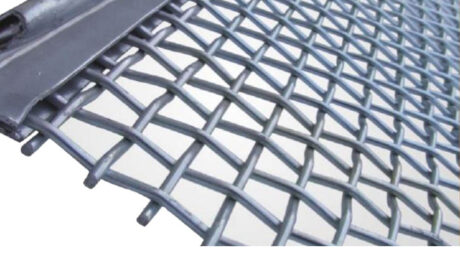
The Ultimate Guide to Screen Meshes in Mining Machinery and Spare Parts
Screen meshes are critical components in the field of mining machinery, serving as essential parts for various equipment involved in the extraction and processing of minerals. This comprehensive guide covers everything you need to know about screen meshes, including their types, applications, maintenance, and the latest trends in mining technology.
Understanding Screen Meshes
Screen meshes are designed to separate materials by size and can handle various types of materials, including minerals, ores, and aggregates. The importance of screen meshes cannot be overstated as they contribute to the efficiency and productivity of mining operations.
What are Screen Meshes?
Screen meshes refer to the network of wires or rods that form a sieve or screen used in various types of mining machinery. They are typically constructed from materials such as stainless steel, carbon steel, or synthetic polymers, designed to withstand the harsh mining conditions.
Types of Screen Meshes
- Vibrating Screen Meshes – Widely used for their ability to handle high volumes of material.
- Woven Wire Screens – The most common type, offering various aperture sizes.
- Polyurethane Screens – Known for their durability and resistance to wear and tear.
- Fused Polyethylene Screens – Ideal for fine screening applications.
The Role of Screen Meshes in Mining Machinery
Screen meshes are integrated into various mining machinery, including:
- Crushers – Used for pre-screening and sizing crushed materials.
- Screening Plants – Core components that separate materials based on size.
- Conveyors – Screen meshes enhance material handling operations by providing an effective filtering mechanism.
Choosing the Right Screen Mesh for Your Operation
Choosing the appropriate screen mesh depends on several factors including:
- Material Type – The hardness and abrasiveness of the material dictate the mesh material.
- Aperture Size – Correct sizing ensures effective separation.
- Screening Capacity – Must match the desired throughput of the operation.
Maintenance Practices for Screen Meshes
Regular maintenance is essential for prolonging the lifespan of screen meshes. Key maintenance practices include:
- Regular Inspection – Checking for wear and tear is vital.
- Cleaning – Removing blockages and debris that may compromise performance.
- Replacement – Assessing when to replace worn-out screens.
Latest Innovations in Screen Mesh Technologies
The mining industry is continually evolving, and screen mesh technology is no exception. Some of the latest innovations include:
- Smart Screen Meshes – Integrating IoT for real-time performance monitoring.
- Enhanced Durable Materials – Developing new composite materials for increased lifespan.
Frequently Asked Questions (FAQ)
What is the primary function of screen meshes in mining machinery?
The primary function of screen meshes in mining machinery is to separate materials by size, ensuring efficient processing and extraction of minerals.
What types of materials are commonly used for screen meshes?
Common materials include stainless steel, carbon steel, polyurethane, and synthetic polymers, chosen based on specific applications and operational conditions.
How do I know when to replace a screen mesh?
Indicators such as visible wear, reduced screening performance, and frequent blockages signal that a screen mesh needs replacement.
Are there specific maintenance tips for maximizing the lifespan of screen meshes?
Key maintenance tips include regular inspections, cleaning to prevent blockages, and timely replacement of worn meshes.
Where can I purchase screen meshes for mining machinery?
Screen meshes can be purchased from specialized manufacturers of mining equipment, local distributors, or online suppliers.
Conclusion
Screen meshes are indispensable in mining machinery, contributing significantly to operational efficiency and productivity. Understanding their types, maintenance needs, and innovations allows industry professionals to optimize their use and ensure the success of mining operations.
LSI and NLP Keywords Related to Screen Meshes
- Mining equipment spare parts
- Material separation
- Mine productivity
- Screen maintenance
- High-frequency screens
- Mineral processing
- Aggregate screening
- Mesh tensioning
- Screen replacement parts
- Mining industry technology
- Published in Products
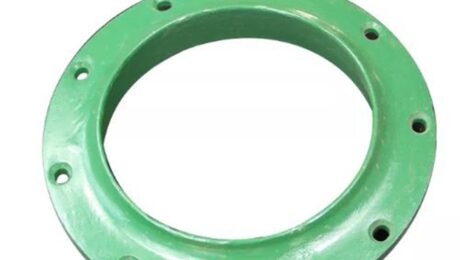
Comprehensive Guide to Feed Tubes in Mining Machinery and Spare Parts

Comprehensive Guide to Feed Tubes in Mining Machinery and Spare Parts
In the mining industry, efficiency and reliability are of utmost importance. A crucial component of many mining machines is the feed tube, which plays an essential role in the operation and sustainability of mining machinery. This article will delve into the significance of feed tubes, their various types, applications, maintenance practices, and the spare parts associated with them.
1. Understanding Feed Tubes in Mining Machinery
Feed tubes are integral parts of mining machinery that allow for the efficient transportation of material, fluid, or slurry from one location to another within the system. They are designed to withstand harsh conditions and heavy loads, often built from durable materials to ensure longevity and effectiveness.
2. Different Types of Feed Tubes
2.1. Metal Feed Tubes
Metal feed tubes are commonly used due to their strength and resistance to wear and tear. These tubes are usually made from steel or other alloys suitable for the mining environment.
2.2. Plastic Feed Tubes
Plastic feed tubes are lightweight and corrosion-resistant, making them suitable for certain types of applications, especially where chemical exposure is prevalent.
2.3. Composite Feed Tubes
Composite feed tubes combine the strength of metal with the lightweight properties of plastic, providing an ideal solution for various mining machinery.
3. Applications of Feed Tubes in Mining
Feed tubes are utilized in several applications within mining machinery, including:
- Transporting slurry materials
- Feeding water into processing equipment
- Delivering fuel to machines
- Conveying mining waste
4. Importance of Quality Feed Tubes
Selecting high-quality feed tubes is critical for maintaining the efficiency of mining operations. Poor quality feed tubes can lead to:
- Frequent breakdowns
- Increased maintenance costs
- Decreased productivity
- Potential safety hazards
5. Maintenance and Care for Feed Tubes
Regular maintenance of feed tubes is essential to ensure their longevity and performance. Recommended practices include:
- Routine inspections for wear and tear
- Cleansing of feed tubes to prevent clogging
- Replacement of damaged tubes promptly
- Monitoring the alignment of tubes to prevent leaks
6. Feed Tube Regulations and Standards
Compliance with industry regulations is vital for all mining operations. Feed tubes must meet certain regulations to ensure they are safe and effective. Standards set by industry governing bodies dictate the materials and construction of feed tubes.
7. Choosing the Right Feed Tube for Your Mining Machinery
Choosing the right feed tube depends on several factors, including:
- The type of material being transported
- The operating environment and conditions
- Compatibility with existing mining machinery
- Durability requirements
8. Spare Parts for Feed Tubes
When it comes to maintenance and repairs, understanding the spare parts related to feed tubes is crucial. Common spare parts include:
- Connectors and adapters
- Support brackets
- Valves and fittings
- Seals and gaskets
9. Innovations in Feed Tube Technology
The mining industry is continually evolving, and so is the technology behind feed tubes. Recent innovations include:
- Enhanced materials for greater durability
- Smart technologies for monitoring flow and pressure
- Self-cleaning feed tubes
10. Frequently Asked Questions (FAQs) about Feed Tubes
10.1. What is a feed tube?
A feed tube is a component of mining machinery designed to transport material, fluid, or slurry effectively within the system.
10.2. How do I maintain feed tubes?
Maintaining feed tubes involves regular inspections, cleaning, monitoring for leaks, and timely replacement of damaged tubes.
10.3. What materials are feed tubes made from?
Feed tubes can be made from metal, plastic, or composite materials, depending on the application and required durability.
10.4. Why are quality feed tubes essential?
Quality feed tubes are vital to minimize downtime, reduce maintenance costs, and enhance overall productivity in mining operations.
10.5. Where can I find spare parts for feed tubes?
Spare parts for feed tubes are available from mining machinery suppliers and specialized hardware stores that cater to mining equipment.
11. LSI and NLP Keywords Related to Feed Tube
- Mining equipment
- Feed pipe
- Material handling
- Hydraulic systems
- Pneumatic systems
- Slurry pipelines
- Feeding mechanism
- Mining operational efficiency
- Durable tubing
- Slurry transport
- Conveyor systems
- Industrial piping
12. Conclusion
Feed tubes are an indispensable part of mining machinery, contributing significantly to the efficient operation of various processes. Understanding their types, maintenance needs, and associated spare parts is key for optimal performance in mining operations. Investing in quality feed tubes and staying informed about industry advancements will ensure that your mining endeavors remain productive and cost-effective.
- Published in Products
The Essential Guide to Wear Plates in Mining Machinery and Spare Parts

The Essential Guide to Wear Plates in Mining Machinery and Spare Parts
Mining operations are among the most demanding industries when it comes to machinery wear and tear. One crucial component that significantly impacts the lifespan and efficiency of mining equipment is the wear plate. In this guide, we will delve into wear plates, their characteristics, materials, applications, and maintenance tips, providing you with everything you need to know.
What is a Wear Plate?
A wear plate is a protective component designed to absorb the impact and friction that mining machinery experiences during operation. Often made from high-strength materials, these plates are engineered to withstand harsh conditions and enhance the longevity of mining equipment.
Importance of Wear Plates in Mining Machinery
- Durability: Wear plates extend the life span of heavy machinery by providing a shield against wear and tear.
- Efficiency: By minimizing damage to core components, wear plates ensure machinery operates at peak performance.
- Cost-Effectiveness: Investing in wear plates reduces the need for frequent repairs and part replacements.
- Safety: Properly fitted wear plates reduce the risk of equipment failure, contributing to a safer work environment.
Types of Wear Plates
Wear plates come in various forms, tailored to specific applications within mining machinery:
1. Steel Wear Plates
Steel is one of the most common materials for wear plates due to its high tensile strength and toughness, making it suitable for rugged environments.
2. Polyethylene Wear Plates
These lightweight wear plates are excellent for reducing friction but may not withstand heavy impact as well as steel counterparts.
3. Composite Wear Plates
Combining materials, composite plates offer enhanced resistance to impacts and wear, suitable for mixed-use applications.
Materials Used in Wear Plates
Wear plates can be constructed from various materials including:
- Hardox: Known for its high wear resistance, Hardox is ideal for mining applications.
- AR (Abrasion Resistant) Steel: A common choice for its durability and performance.
- UHMWPE (Ultra High Molecular Weight Polyethylene): Used in applications where low friction is critical.
Applications of Wear Plates in Mining Machinery
Wear plates find applications in a variety of mining equipment, including:
- Dump trucks
- Excavators
- Scoops
- Conveyor systems
- Crushers
- Loaders
Choosing the Right Wear Plate for Your Machinery
Selecting the appropriate wear plate is crucial. Factors to consider include the operational environment, type of machinery, and the specific wear characteristics of the materials being handled.
Factors Influencing Wear Plate Selection
- Material Thickness: Thicker plates offer more durability but may add weight.
- Compatibility: Ensure the wear plate is compatible with your machinery.
- Cost: Evaluate the cost vs. longevity and performance.
Installation of Wear Plates
Proper installation is key to maximizing the performance of wear plates. Follow these steps for optimal installation:
- Clean the surface where the wear plate will be installed.
- Align the plate carefully with the mounting points.
- Secure the plate using appropriate fasteners.
Maintenance Tips for Wear Plates
Regular maintenance of wear plates ensures their longevity:
- Perform regular inspections to identify signs of wear.
- Replace worn plates promptly to avoid damage to underlying machinery.
- Keep machinery well-lubricated to minimize friction on wear plates.
Common Issues with Wear Plates
Some common problems that can arise with wear plates include:
- Cracking: Can occur due to extreme conditions.
- Loss of Securing Fasteners: Regular maintenance can mitigate this issue.
- Excessive Wear: Indicates potential problems with operational practices.
Wear Plates vs. Other Wear Protection Solutions
It’s essential to compare wear plates with alternative wear solutions:
- Hardfacing: Involves welding a wear-resistant material onto the surface.
- Wear Liners: Are often interchangeable with wear plates depending on the application.
- Rubber Liners: Help absorb vibration but are generally less durable.
FAQ – Frequently Asked Questions about Wear Plates
- What is the average lifespan of a wear plate?
- The lifespan of a wear plate varies depending on the material, application, and operational conditions. Typically, they can last from six months to several years.
- How do I know when to replace wear plates?
- Signs of wear, such as cracking, visible damage, or significant wear thickness depletion, indicate it’s time for a replacement.
- Can wear plates be repaired?
- In some cases, wear plates may be repairable through welding or hardfacing if the damage isn’t too extensive.
- What are the costs associated with wear plates?
- Costs vary widely based on material and size; however, investing in quality wear plates can lead to significant savings in prolonged equipment life.
- Are there custom options for wear plates?
- Yes, custom wear plates can be manufactured to fit specific machinery and operational needs, providing optimal protection.
Conclusion
In the demanding environment of mining operations, the significance of wear plates cannot be overstated. They protect vital components, improve efficiency, and enhance safety. By understanding their attributes, advantages, and the nuances of maintenance, you can ensure that your mining machinery remains in peak condition for years to come.
- Published in Products
