


The Comprehensive Guide to Anti Clogging Screen Meshes in Mining Machinery

Understanding Anti Clogging Screen Meshes
The mining industry relies heavily on various machinery and components to ensure efficient operations. One crucial element often overlooked is the anti clogging screen meshes. These specialized meshes play an essential role in filtration and material separation processes, effectively reducing downtime and increasing productivity.
What Are Anti Clogging Screen Meshes?
Anti clogging screen meshes are designed to prevent the accumulation of materials on the screen surface, thereby ensuring smooth operations in various mining machinery. They are typically used in vibrating screens, shaker screens, and other separation technologies.
The Importance of Anti Clogging Screen Meshes in Mining Operations
Effective material handling and separation are pivotal in mining operations. Anti clogging screen meshes enhance operational efficiency by:
- Minimizing Downtime: Clogging can lead to halts in operations, which can be costly. Anti clogging screen meshes reduce these incidences.
- Extending Equipment Life: By preventing unwanted materials from accumulating, these meshes help in prolonging the lifespan of the machinery.
- Improving Product Quality: Consistent material flow leads to higher quality output.
Types of Anti Clogging Screen Meshes
Various types of anti clogging screen meshes are utilized in mining operations:
- Woven Wire Mesh: Traditional yet effective, woven wire mesh offers flexibility and strength.
- Polyurethane Screen Mesh: Known for its durability and resistance to impact, polyurethane screens are ideal for harsh mining conditions.
- Self-Cleaning Screens: These screens utilize vibration and motion to automatically clear away clogged materials.
Applications of Anti Clogging Screen Meshes in Mining Machinery
Anti clogging screen meshes find extensive application in:
- Crushers
- Conveyors
- Vibrating Screens
- Shaker Tables
- Separation Equipment
How to Choose the Right Anti Clogging Screen Mesh
Selecting the appropriate anti clogging screen mesh is crucial. Consider the following factors:
- Material: Choose a material suitable for your specific application (e.g., steel, polyurethane).
- Mesh Size: The size of the mesh should correspond to the particle size of the material being filtered.
- Durability: Look for screens that can withstand the rigors of your mining environment.
- Cost: Balancing quality with budget considerations is essential.
Maintenance Tips for Anti Clogging Screen Meshes
Proper maintenance extends the life of your anti clogging screen meshes. Follow these tips:
- Regularly inspect the screens for signs of wear and tear.
- Clean the screens periodically to prevent buildup of materials.
- Replace damaged screens immediately to maintain operational efficiency.
FAQ: Common Questions About Anti Clogging Screen Meshes
What is the function of anti clogging screen meshes?
Anti clogging screen meshes are designed to prevent material buildup on the screens, ensuring continuous and efficient operation of mining machinery.
How do I determine the right screen mesh for my application?
Consider factors such as material type, mesh size, durability, and cost when choosing a suitable anti clogging screen mesh for your specific mining operation.
How often should I replace screen meshes?
The replacement frequency depends on usage and operational conditions. Regular inspections will help determine when a screen needs replacement.
Can anti clogging screen meshes be repaired?
Certain types of screens can be repaired, but it is often more cost-effective to replace them, especially if they are significantly damaged.
Conclusion: The Critical Role of Anti Clogging Screen Meshes in Mining Machinery
In conclusion, anti clogging screen meshes are a vital component in mining operations, contributing significantly to efficiency and productivity. By understanding their importance, types, applications, and maintenance, mining companies can optimize their operations effectively.
- Published in Products
Comprehensive Guide to Screen Meshes in Mining Machinery and Spare Parts
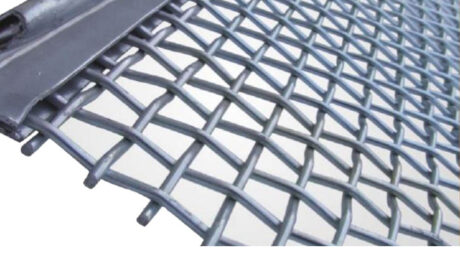
Introduction to Screen Meshes
In the mining industry, screen meshes play a critical role in the separation process of materials. These components are essential for optimizing efficiency, ensuring quality, and enhancing the operational capacity of mining machinery. This article delves into the various types of screen meshes, their applications, benefits, and considerations.
What are Screen Meshes?
Screen meshes are woven fabrics used in various machinery to filter and separate materials in the mining and aggregates industry. Their primary function is to sort different particle sizes, ensuring that only the intended materials pass through while larger unwanted particles are retained.
Types of Screen Meshes in Mining Machinery
Woven Wire Mesh
Woven wire mesh is the most common type of screen used in mining operations. It consists of wire strands woven to create a grid-like structure. This type of mesh is known for its durability and effectiveness in screening various materials.
Polyurethane Screens
Polyurethane screens offer excellent abrasion resistance and are less prone to blinding than traditional wire meshes. They are often used in wet processing applications, providing enhanced durability.
Rubber Screens
Rubber screens are ideal for heavy-duty applications in mining. They offer excellent noise reduction, flexibility, and anti-blinding characteristics, making them suitable for a variety of materials.
Applications of Screen Meshes
Screen meshes are utilized in various stages of the mining process, including:
- Primary screening for bulk materials
- Secondary and tertiary screening for finer separation
- De-watering processes to remove excess moisture
- Coal and mineral processing
Benefits of High-Quality Screen Meshes
Investing in quality screen meshes offers numerous benefits:
- Improved operational efficiency
- Enhanced material quality
- Reduced maintenance costs
- Longer lifespan of machinery components
Choosing the Right Screen Mesh for Your Application
Selecting the appropriate screen mesh depends on several factors:
- The type of material being screened
- The desired particle size and separation
- The specific machines in use and their compatibility with various screen types
Maintenance Tips for Screen Meshes
To ensure longevity and optimal performance of screen meshes, regular maintenance is essential:
- Regularly inspect for wear and tear
- Clean the screens to avoid blockages
- Replace damaged meshes promptly to avoid reduced efficiency
Innovations in Screen Mesh Technology
The mining industry continually evolves, with innovations in screen meshes leading to improved performance and efficiency. Developments such as advanced materials and designs have enhanced the effectiveness of these components.
Screen Meshes vs. Other Separator Technologies
Understanding the differences between screen meshes and other separation technologies can help industries make informed choices:
- Vibrating Screens: Typically use the same mesh but involve vibration to enhance separation.
- Hydraulic Separators: Use fluid dynamics rather than physical barriers.
- Air Classifiers: Separate materials based on density and particle size without the use of screens.
Conclusion
Screen meshes comprise a fundamental element of mining machinery and spare parts. With proper selection, maintenance, and innovation, businesses can optimize their mining operations effectively.
Frequently Asked Questions (FAQs)
1. What materials are screen meshes made from?
Screen meshes can be made from various materials including woven steel wire, polyurethane, and rubber, each providing distinct advantages based on application.
2. How often should screen meshes be replaced?
The replacement frequency depends on usage and wear, but regular inspections are recommended to ensure optimal performance.
3. Can screen meshes be repaired?
In many cases, minor damages can be repaired, but it’s important to assess whether replacement would be more cost-effective.
4. What factors influence screen mesh performance?
Performance is influenced by mesh material, aperture size, the type of material being processed, and operational conditions.
5. Are there custom options for screen meshes?
Yes, many manufacturers offer custom screen meshes tailored to specific operational requirements and particle sizes.
LSI and NLP Keywords
- Mining screens
- Separator technology
- Material processing
- Vibrating screens
- Sieving equipment
- Screening solutions
- Aggregate production
- Mining operations
- Mesh durability
- Mesh maintenance
- Ultra-fine screening
- Screen mesh specifications
- Industrial screens
- Fine mesh
- Heavy-duty screen
- Published in Products
Comprehensive Guide to Feed Eye Rings in Mining Machinery
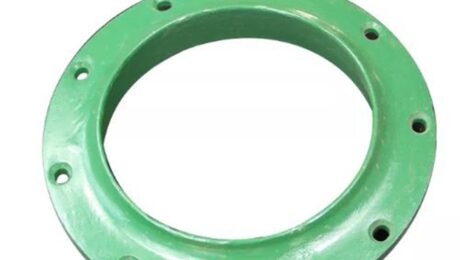
Comprehensive Guide to Feed Eye Rings in Mining Machinery
Mining machinery plays a crucial role in the extraction of valuable minerals and resources from the earth. One of the essential components in many mining machines is the feed eye ring. In this article, we will explore everything you need to know about feed eye rings, including their function, types, materials used, maintenance tips, and much more.
What is a Feed Eye Ring?
A feed eye ring is a specialized component found in various types of mining machinery. It serves as a connecting link between the feed mechanism and the main body of the equipment. The feed eye ring ensures the smooth and efficient transfer of materials during the mining process.
Importance of Feed Eye Rings in Mining Machinery
The feed eye ring plays a pivotal role in optimizing the performance of mining machinery. It helps prevent blockages in the material flow, thereby enhancing productivity and minimizing downtime. Additionally, well-maintained feed eye rings prolong the lifespan of mining equipment.
Types of Feed Eye Rings
There are several types of feed eye rings used in mining machinery, including:
- Standard Feed Eye Rings: Commonly used in various mining applications, these rings are designed for general use.
- Heavy-Duty Feed Eye Rings: Built to withstand extreme conditions and heavy loads, ideal for tough mining environments.
- Custom Feed Eye Rings: Tailored to specific machinery requirements, these rings are designed for unique applications.
Materials Used in Feed Eye Rings
Feed eye rings are typically made from durable materials that can withstand harsh mining conditions, such as:
- Steel: The most common material due to its strength and durability.
- Aluminum: Lightweight and resistant to corrosion, often used in specific applications.
- Polyurethane: Provides excellent wear resistance and is used in situations where metal rings could fail.
Maintenance Tips for Feed Eye Rings
Proper maintenance of feed eye rings is essential for the efficiency of mining machinery. Here are some tips:
- Regularly inspect feed eye rings for wear and tear.
- Cleansing the rings to prevent material buildup.
- Replace damaged or worn-out feed eye rings promptly to ensure uninterrupted operation.
Common Issues with Feed Eye Rings
Some common issues that may arise with feed eye rings include:
- Wear and Tear: Continuous use can lead to degradation; regular inspections are crucial.
- Misalignment: Incorrect installation can cause improper feeding of materials.
How to Install a Feed Eye Ring
Installing a feed eye ring requires careful consideration. Follow these steps for proper installation:
- Turn off machinery and ensure safety protocols are in place.
- Remove the old feed eye ring if applicable.
- Align the new feed eye ring according to manufacturer specifications.
- Secure it in place and test for proper functioning.
Feed Eye Rings: Cost Considerations
The cost of feed eye rings can vary widely depending on the type, size, and material. Businesses should consider factors like bulk purchasing, custom designs, and maintenance costs when budgeting for feed eye rings.
Where to Buy Feed Eye Rings
Feed eye rings can be purchased from various suppliers, including:
- Local mining equipment dealers
- Online industrial supply stores
- Directly from manufacturers for custom orders
Feed Eye Ring: FAQs
What is the purpose of a feed eye ring in mining machinery?
The feed eye ring connects the feed mechanism to the machinery, facilitating the smooth transfer of materials and preventing blockages.
How do I know when to replace a feed eye ring?
Look for signs of wear and damage during inspections. If the ring is compromised and affects performance, it’s time to replace it.
Can feed eye rings be customized for specific machinery?
Yes, many manufacturers offer custom feed eye rings designed for special applications or specific mining machines.
What materials are commonly used to make feed eye rings?
Feed eye rings are typically made from steel, aluminum, or polyurethane, each chosen based on the application requirements.
How often should I conduct maintenance on feed eye rings?
Regular inspections should be conducted based on usage, but at least once every few months is recommended to ensure optimal performance.
Conclusion
In conclusion, the feed eye ring is an integral component of mining machinery, essential for efficient and effective material handling. Understanding its features, maintenance, and purchasing options can significantly impact operational productivity. For best practices, always ensure your feed eye rings are of high quality and suitable for the specific machinery in use.
- Published in Products
The Ultimate Guide to Feed Tubes in Mining Machinery

The Ultimate Guide to Feed Tubes in Mining Machinery
Introduction to Feed Tubes in Mining Machinery
Feed tubes play a crucial role in mining machinery, ensuring efficient and effective operations in the extraction of minerals. This article explores everything about feed tubes, their specifications, applications, and significance in mining machinery.
What are Feed Tubes?
Feed tubes are specialized components designed for transporting materials within mining machinery. These tubes are essential for the seamless movement of ore, minerals, and primary materials from one point to another within mining operations.
Types of Feed Tubes
1. Standard Feed Tubes
Standard feed tubes are commonly used for various types of machinery and are characterized by their consistent diameter and material.
2. Custom Feed Tubes
Custom feed tubes are designed according to specific machinery requirements, optimizing performance based on unique operational needs.
3. Heavy-Duty Feed Tubes
Heavy-duty feed tubes are constructed to withstand extreme conditions, making them ideal for harsh mining environments.
Materials Used in Feed Tubes
Feed tubes are made from various materials depending on their intended use. Common materials include:
- Steel
- Polyethylene
- Rubber
- Composite materials
Specifications of Feed Tubes
Understanding the specifications of feed tubes is crucial for selecting the right type for your mining machinery. Important specifications include:
- Diameter
- Length
- Material thickness
- Flexibility and tensile strength
Applications of Feed Tubes in Mining Machinery
Feed tubes are used across various sectors of mining machinery, including:
1. Excavators
Feed tubes facilitate the transport of extracted material from the digging site to the processing unit.
2. Conveyors
In conveyor systems, feed tubes help maintain a steady flow of materials, enhancing overall operational efficiency.
3. Crushers
Feed tubes ensure that materials are fed consistently into crushers, optimizing crushing operations.
Importance of Feed Tubes in Mining Operations
Feed tubes are critical for:
- Efficiency: Maintaining consistent material flow reduces downtime and enhances productivity.
- Safety: Properly functioning feed tubes minimize risks associated with machinery overload and blockages.
- Cost-effectiveness: Reliable and durable feed tubes reduce replacement costs and maintenance.
Choosing the Right Feed Tube for Your Machinery
Selecting the appropriate feed tube involves considering several factors such as:
- Machine compatibility
- Material characteristics
- Operational conditions
- Cost-effectiveness
Maintenance of Feed Tubes
Proper maintenance is essential for the longevity and efficiency of feed tubes. Recommended practices include:
- Regular inspections for wear and tear
- Cleaning to prevent blockages
- Timely replacements of worn-out components
Feed Tube Innovations in Mining Machinery
Innovation in feed tube design and material technology continues to enhance performance in mining operations. Advancements focus on durability, flexibility, and weight reduction.
Common Issues with Feed Tubes
Some common problems associated with feed tubes include:
- Clogs and blockages
- Wear due to abrasive materials
- Connections loosening over time
FAQs About Feed Tubes in Mining Machinery
1. What are the benefits of using high-quality feed tubes?
High-quality feed tubes enhance efficiency, safety, and reduce maintenance costs, leading to smoother operations.
2. How can I identify if my feed tube is damaged?
Signs of damage include unusual vibrations during operation, visible wear, or leaks. Regular inspections are essential.
3. Can I replace a feed tube by myself?
While it is possible, it is recommended to consult a professional to ensure proper installation and avoid machinery damage.
4. How often should feed tubes be replaced?
The replacement frequency depends on usage and wear. Regular inspections can determine the appropriate timing for replacements.
Conclusion
Feed tubes are vital components in mining machinery, influencing operational efficiency and safety. Understanding their types, applications, and maintenance can significantly enhance mining operations.
LSI and NLP Keywords
Mining equipment, transport pipes, mineral extraction systems, pipeline machinery, material handling, feed chute, ore transfer systems, mining tube specifications, heavy-duty pipes, conveyor machinery, industrial feed components, mining machine parts.
- Published in Products
The Comprehensive Guide to Wear Plates in Mining Machinery and Spare Parts

The Role of Wear Plates in Mining Machinery
Wear plates are an essential component in mining machinery, serving as protective barriers that absorb the impact and wear of heavy materials. Their role is crucial in ensuring the longevity and efficiency of mining equipment.
Understanding Wear Plates
Wear plates are typically made from high-strength materials such as steel or other alloys that are resistant to abrasion. These plates are strategically placed in high-wear areas of machinery, such as chutes, hoppers, and other transfer points where friction is high.
Types of Wear Plates
There are several types of wear plates used in mining machinery, including:
- Steel Wear Plates: Durable and resistant to heavy impacts.
- Polymeric Wear Plates: Lightweight and resistant to corrosion.
- Composite Wear Plates: A combination of materials for added strength and versatility.
Applications of Wear Plates in Mining Machinery
Wear plates find application in various types of mining machinery:
- Excavators: Protecting the booms and buckets from wear.
- Crushers: Reducing the impact on crushing components.
- Conveyors: Managing wear in transfer points and chutes.
Choosing the Right Wear Plates
Selecting the appropriate wear plates is vital. Factors to consider include:
- Material Composition: Choose material based on the type of wear.
- Thickness: Depending on the application and expected wear.
- Compatibility: Ensure they fit seamlessly into the machinery.
Maintenance and Replacement of Wear Plates
Regular inspections will ensure the wear plates are functioning as intended. Signs that wear plates need replacement include:
- Visible Wear: Cracks or significant wear marks.
- Performance Issues: Decreased efficiency of the machinery.
The Benefits of Wear Plates in Mining Machinery
Investing in high-quality wear plates leads to:
- Increased Machinery Lifespan: Reducing maintenance costs over time.
- Improved Efficiency: Ensuring smooth operation of machinery.
- Reduction in Downtime: Prolonging the need for replacements.
Innovations in Wear Plate Technology
The mining industry is consistently evolving, and so is technology related to wear plates. Innovations include:
- Self-Lubricating Wear Plates: Reducing friction and wear over time.
- Advanced Alloys: Offering higher resistance to wear and tear.
Case Studies: Successful Implementation of Wear Plates
Numerous mining companies have successfully integrated advanced wear plates into their machinery, resulting in significant cost savings and enhanced performance. For instance, a leading company reported a 30% reduction in maintenance costs after switching to high-performance wear plates.
Frequently Asked Questions (FAQ)
What is a wear plate?
A wear plate is a protective component used in machinery that absorbs wear caused by friction with materials, extending the life of the equipment.
How do I know when to replace my wear plates?
Replacement is necessary when there are visible wear marks, cracks, or when machinery performance decreases significantly.
What materials are wear plates made from?
Common materials include steel, polymeric, and composite materials, depending on the application’s requirements.
What industries use wear plates?
While primarily used in mining machinery, wear plates are also prevalent in construction, agriculture, and recycling industries.
Are wear plates easy to install?
Installation may vary, but typically, wear plates can be installed with basic tools, making them user-friendly for maintenance crews.
LSI and NLP Keywords Related to Wear Plate
Wear plate, mining equipment, wear resistant, machinery spare parts, mining industry, abrasion resistant plates, protective barriers, mining tools, mining machinery maintenance, high-strength materials, wear plate installation, wear plate replacement, custom wear plates, wear plate applications, heavy-duty wear plates, impact resistant wear plates, wear plate technology, wear-part efficiency, machinery components, wear reduction.
Conclusion
To wrap it up, wear plates are indispensable in the mining machinery sector. Their contribution to the durability and functionality of equipment cannot be understated. Investing in the right wear plates will not only enhance the performance of your machines but also lead to considerable cost savings over time.
- Published in Products
The Comprehensive Guide to Mining Machinery and Spare Parts Distribution

Mining Machinery Distributor: Understanding the Role and Importance
Mining machinery plays a crucial role in the extraction of natural resources, and the role of a distributor in this industry cannot be understated. From heavy-duty excavators to conveyor systems, miners rely on advanced machinery to perform efficiently. As such, a reliable distributor of mining machinery and spare parts is vital for maintaining productivity and ensuring operational efficiency.
What is a Mining Machinery Distributor?
A mining machinery distributor is an organization or individual responsible for sourcing, selling, and overseeing the distribution of mining equipment and spare parts. They serve as intermediaries between manufacturers and end-users, facilitating access to specialized machinery. Distributors offer various services, including parts supply, equipment rental, and maintenance support.
The Importance of Distributors in the Mining Industry
1. Access to Specialized Equipment: Distributors give mining companies access to sophisticated machinery crucial for modern mining operations.
2. Supply Chain Efficiency: A trustworthy distributor ensures a seamless supply chain, reducing downtime due to equipment failure.
3. Technical Support: Many distributors provide technical support and expertise to help customers select the right equipment for their specific mining needs.
Types of Mining Machinery Offered by Distributors
Distributors typically deal in various types of mining machinery, including:
- Excavators
- Bulldozers
- Loaders
- Dump Trucks
- Drilling Machines
- Conveyor Systems
- Crushing and Screening Equipment
Mining Machinery Spare Parts: A Critical Component
Distributors play a pivotal role in supplying spare parts for mining machinery. The demand for spare parts is ongoing due to the wear and tear involved in mining operations. Reliable distributors ensure that miners can source the necessary parts quickly to minimize downtime.
Key Spare Parts Distributed by Mining Machinery Distributors
- Filters
- Belts
- Hydraulic Components
- Electronics and Control Systems
- Wear Parts
How to Choose the Right Mining Machinery Distributor
Selecting a suitable distributor is essential for mining companies. Here are some factors to consider:
- Reputation: Research the distributor’s reputation through reviews and testimonials.
- Product Range: Ensure they offer a wide range of machinery and parts.
- Support Services: Look for distributors that provide after-sale support and maintenance services.
- Local Availability: A distributor with a local presence can deliver parts quickly, reducing downtime.
Benefits of Partnering with a Mining Machinery Distributor
Partnering with a reputable distributor yields numerous benefits.
- Cost-Effectiveness: Distributors can often secure better pricing on bulk orders.
- Time Savings: They streamline procurement processes, allowing miners to focus on operations.
- Expert Insight: Distributors can provide valuable industry insights and recommendations tailored to specific mining operations.
FAQs About Mining Machinery Distributors
What should I look for in a mining machinery distributor?
Look for reputation, product range, support services, and local availability.
How do distributors source mining machinery?
Distributors source machinery directly from manufacturers and sometimes import equipment from international sources.
What types of equipment do mining machinery distributors sell?
They sell various equipment types, including excavators, trucks, and conveyor systems.
Can distributors provide maintenance support?
Many distributors do provide maintenance support and repair services for the machinery they sell.
How critical are spare parts to mining operations?
Spare parts are essential for minimizing downtime and ensuring continuous operations in mining.
LSI and NLP Keywords Related to Mining Machinery Distribution
Distributor, Mining Equipment, Spare Parts, Heavy Machinery Distributor, Excavation Equipment Supplier, Mining Tools Supplier, Machinery Parts Distributor, Mining Supplies, Mining Repairs, Conveyor Equipment Supply, Earthmoving Machinery Distributor, Hydraulic Equipment Supplier, Industrial Mining Parts, Mining Operations, Equipment Maintenance, Mining Logistics, Mining Machinery Manufacturers, Aftermarket Parts, Mining Support Services, Mining Machinery Rental, Mining Tools, Excavator Spare Parts, Bulldozer Parts, Construction Equipment, Mining Industry, Resource Extraction.
Conclusion
In conclusion, the role of distributors in the mining machinery landscape is integral to the success of mining operations. By offering access to the right equipment and spare parts, they help ensure that mining companies can achieve their goals efficiently and effectively. Choosing the right distributor can lead to significant operational advantages, making it an essential consideration for any mining business.
- Published in Products
The Essential Guide to Feed Cones in Mining Machinery: Understanding Their Function and Importance
The Essential Guide to Feed Cones in Mining Machinery: Understanding Their Function and Importance
Introduction to Feed Cones
Feed cones are integral components of various types of mining machinery, specifically designed to facilitate the efficient and controlled transfer of materials within the system. In this guide, we will explore the importance of feed cones in mining operations, discuss their design and manufacturing, and provide insight into the types of feed cones available in the marketplace. Additionally, we will touch upon feed cone spare parts and their significance in maintaining the efficiency of mining machinery.
What is a Feed Cone?
A feed cone is a conical-shaped structure typically found at the feeding end of mining equipment such as crushers, mills, and hoppers. Its primary purpose is to direct the flow of materials into the machinery, ensuring a steady and uniform feed. The shape and design of feed cones help prevent blockages and facilitate smooth material handling, which is crucial for the operational efficiency of mining equipment.
How Do Feed Cones Work?
Feed cones operate by leveraging gravity and the design angle to guide materials into the crushing or processing chamber. As materials are fed into the feed cone, they are funneled down and distributed evenly across the working surface, ensuring consistent processing. This mechanism plays a critical role in optimizing the performance of mining machinery and reducing wear on other components.
Types of Feed Cones
1. Standard Feed Cones
Standard feed cones are the most common type, designed for general-purpose applications in mining and mineral processing machinery. They come in various sizes and are made from durable materials to withstand harsh conditions.
2. Custom Feed Cones
Custom feed cones can be designed to meet specific operational requirements. This may include adjustments in size, shape, or material composition depending on the nature of the applications and the specifics of the materials being processed.
3. Wear-Resistant Feed Cones
Wear-resistant feed cones are specifically engineered to withstand abrasive materials. These cones are constructed from high-strength materials that resist wear and prolong the life of the component, reducing downtime and maintenance costs.
Importance of Feed Cones in Mining Machinery
Feed cones play a crucial role in the overall performance of mining machinery. The following points highlight their significance:
- Efficient Material Handling: Feed cones allow for the efficient transfer of materials into machinery, preventing blockages that could hinder operation.
- Uniform Flow: Properly designed feed cones ensure a consistent flow of materials, which is necessary for optimal machinery performance.
- Reduction of Wear: By channeling materials effectively, feed cones minimize wear on other parts of the machinery, thus extending the lifespan of the equipment.
- Enhanced Safety: A well-functioning feed cone prevents accidents caused by material accumulation and blockages.
Feed Cone Spare Parts
Over time, feed cones may wear down and require replacement or repair. Understanding the common spare parts related to feed cones can help equipment operators efficiently maintain their machinery:
- Feed Cone Liners: These liners protect the feed cone from wear and damage, and they can be easily replaced to extend the life of the entire component.
- Adapters and Flanges: These components allow for the connection and secure fitting of feed cones to the machinery.
- Hoses and Connectors: Proper hose fittings are crucial for the seamless transfer of materials into the feed cone.
How to Choose the Right Feed Cone
Selecting the appropriate feed cone for your machinery involves evaluating several factors:
- Material Properties: Consider the type of materials being processed and their abrasiveness.
- Machinery Compatibility: Ensure the feed cone’s design matches the specifications of your mining equipment.
- Operational Requirements: Assess the required capacity and flow rates to determine the appropriate feed cone size.
Maintenance Tips for Feed Cones
To ensure the longevity and effective operation of feed cones, regular maintenance is necessary. Here are some maintenance tips:
- Regular Inspections: Routinely check feed cones for signs of wear and tear.
- Replace Wear Parts: Change liners and other wear parts promptly to prevent damage to the feed cone.
- Lubrication: Ensure that moving parts connected to the feed cone are adequately lubricated.
Common Issues with Feed Cones
Understanding the common issues associated with feed cones can help operators address problems before they lead to serious mechanical issues:
- Blockages: Caused by oversize materials that do not fit through the feed cone.
- Wear and Tear: Results from continuous use and requires prompt replacement of liners.
- Misalignment: Can lead to ineffective material flow and inefficiencies in operations.
FAQ Section
What is a feed cone in mining machinery?
A feed cone is a conical structure that directs the flow of materials into mining machinery, ensuring efficient and uniform material handling.
How do you maintain a feed cone?
Routine inspections, timely replacements of wear parts, and proper lubrication are essential maintenance practices for feed cones.
What are common problems with feed cones?
Common issues include blockages caused by oversized materials, wear and tear, and misalignment within the machinery.
What materials are used in feed cone construction?
Feed cones can be constructed from various materials, including steel, high-strength alloys, and wear-resistant composites, depending on the application.
How can I tell if my feed cone needs to be replaced?
Signs that indicate a feed cone may need replacement include excessive wear, visible cracks, or a significant decline in operational efficiency.
Conclusion
Feed cones are vital components of mining machinery, facilitating efficient material transfer and enhancing overall operational efficiency. By understanding their function, types, and importance, operators can make informed decisions regarding maintenance and replacement. Regular maintenance practices and awareness of common issues can further maximize the performance and lifespan of feed cones in mining operations.
- Published in Products
Understanding Frame Liners: Essential Components in Mining Machinery and Spare Parts

Understanding Frame Liners: Essential Components in Mining Machinery and Spare Parts
Mining machinery plays a crucial role in the extraction and processing of minerals. One key component that ensures the efficiency and longevity of mining equipment is the frame liner. In this article, we will delve deep into the concept of frame liners, their importance, types, manufacturing processes, maintenance, and much more.
What is a Frame Liner?
A frame liner is a vital spare part used in various types of mining machinery. It is typically positioned within the frame of equipment to provide support and protection against wear and tear, ensuring that heavy-duty machines can operate efficiently under extreme conditions. These components are crucial for maintaining the integrity of the machinery and extending its lifespan.
The Significance of Frame Liners in Mining Machinery
Frame liners play several key roles in mining operations:
- Protection Against Wear: Frame liners shield the machinery’s frame from abrasive materials and harsh working conditions.
- Structural Stability: They provide additional structural integrity, allowing machinery to withstand the rigors of mining applications.
- Cost Efficiency: By preventing premature wear, frame liners contribute to lower maintenance costs and reduced downtime.
Types of Frame Liners
Frame liners can be categorized based on different criteria such as material, design, and application:
1. Material-Based Categories
- Steel Frame Liners: Known for their durability and strength, ideal for heavy-duty mining applications.
- Composite Frame Liners: These are lighter yet robust, often used in modern machinery to reduce weight without compromising strength.
- Rubber Frame Liners: Used in specific applications where flexibility is essential.
2. Design-Based Categories
- Standard Frame Liners: Designed for general use in various machinery.
- Custom Frame Liners: Tailored to specific machinery or operational requirements, offering enhanced performance.
Manufacturing Process of Frame Liners
The manufacturing of frame liners involves several steps:
- Material Selection: Choosing the right material based on the application and performance requirements.
- Design Engineering: Creating detailed designs using CAD software for precision and fit.
- Fabrication: Using techniques like forging, machining, or mold casting to create the frame liners.
- Heat Treatment: Enhancing the material properties to improve strength and durability.
- Quality Control: Rigorous testing to ensure that the frame liners meet the required specifications and industry standards.
Maintenance Tips for Frame Liners
Proper maintenance of frame liners can significantly enhance the performance and reduce costs:
- Regular Inspections: Check for signs of wear or damage regularly to catch issues early.
- Proper Lubrication: Ensure that all moving parts are well-lubricated to minimize friction and wear.
- Timely Replacement: Replace worn frame liners promptly to avoid further damage to the machinery.
Applications of Frame Liners in Mining Machinery
Frame liners are utilized in various types of mining equipment, including:
- Excavators
- Crushers
- Loaders
- Screening Equipment
- Conveyors
Frame Liners vs. Other Spare Parts
While frame liners are essential, they are just one part of the puzzle in mining machinery. Understanding how they compare to other spare parts helps in comprehensive maintenance:
- Impact Liners: Focus on protecting against direct impacts, whereas frame liners provide structural support.
- Wear Plates: Specifically designed to protect against abrasive wear, frame liners serve a broader role.
Frequently Asked Questions (FAQ) about Frame Liners
What are frame liners made of?
Frame liners can be made from various materials including steel, composites, and rubber, chosen based on the application requirements.
How do I know when to replace a frame liner?
Signs of wear, such as cracks or noticeable degradation, indicate that a frame liner should be replaced to maintain equipment performance.
Can frame liners be customized?
Yes, frame liners can be designed and manufactured to meet specific equipment needs and operational requirements.
What is the typical lifespan of a frame liner?
The lifespan of a frame liner varies based on usage, material, and maintenance, but proper care can extend its functionality significantly.
Conclusion
In conclusion, frame liners are indispensable components within the mining machinery sector. Their ability to protect, stabilize, and enhance the efficiency of heavy-duty equipment cannot be overstated. By understanding frame liners thoroughly, from their types to maintenance practices, operators can optimize machinery performance and extend operational longevity.
LSI and NLP Keywords Related to Frame Liner
Here is a list of additional keywords and phrases that are relevant to frame liners:
- Mining equipment
- Spare parts for machinery
- Wear protection
- Mining operations
- Durability
- Heavy machinery maintenance
- Frame structure
- Hydraulic systems
- Forged parts
- Mechanical engineering
- Custom machining
- Quality assurance
- Published in Products
Understanding Nuts: The Essential Component in Mining Machinery and Spare Parts

Understanding Nuts: The Essential Component in Mining Machinery and Spare Parts
In the mining industry, machinery plays a critical role in extracting resources efficiently and safely. Among the various components that ensure the proper functioning of mining machinery, nuts are essential fasteners that hold assemblies together. This article explores the importance of nuts in the context of mining machinery and spare parts, their types, applications, and selection criteria.
1. What is a Nut?
A nut is a type of fastener with a hexagonal or square shape, designed to be used with a bolt or screw. Nuts provide a critical connection point in mining machinery, securing various parts together and ensuring operational stability.
2. Types of Nuts Used in Mining Machinery
2.1 Hex Nuts
Hex nuts are the most common type used in mining machinery due to their versatility and strength.
2.2 Lock Nuts
Lock nuts are essential for preventing loosening in high-vibration environments typical in mining operations.
2.3 Cap Nuts
Cap nuts provide a finished look and protection for the screw ends, often utilized in visible areas of machinery.
2.4 Nylon Insert Lock Nuts
Nylon insert lock nuts offer enhanced resistance to vibration, providing a secure fit in harsh mining conditions.
2.5 Flange Nuts
Flange nuts distribute the load over a larger area, reducing the risk of damage to the components.
3. Applications of Nuts in Mining Machinery
3.1 Equipment Assemblies
Nuts are used in the assembly of various mining equipment, including excavators, haul trucks, and drills.
3.2 Structural Connections
In large mining operations, nuts secure structural components such as frames and supports.
3.3 Maintenance and Repairs
Nuts play a vital role when conducting maintenance and repairs, enabling quick disassembly and reassembly.
4. Selecting the Right Nut for Mining Machinery
4.1 Material Selection
Selecting the right material is essential for durability and corrosion resistance. Common materials include steel, stainless steel, and various alloys.
4.2 Size and Thread Type
Correct sizing and thread type are critical for compatibility with bolts and screws used in machinery.
4.3 Load Capacity
Understanding load requirements is essential to prevent failures and ensure operational efficiency.
4.4 Environmental Resistance
Nuts should be chosen based on their ability to withstand harsh mining environments, including humidity and dust.
5. The Role of Spare Parts in Mining Machinery Nuts
Maintaining an inventory of spare nuts is crucial for minimizing downtime in mining operations caused by equipment failure. Companies should ensure that they stock a variety of types and sizes of nuts compatible with their machinery.
6. Common Issues with Nuts in Mining Machinery
6.1 Corrosion
Corrosion occurs frequently due to exposure to harsh conditions and can compromise the integrity of nuts.
6.2 Loosening
The vibration and movement in mining machinery can cause nuts to loosen, which can lead to catastrophic failures.
7. FAQ Section
7.1 What are nuts used for in mining machinery?
Nuts are used to fasten and secure various components of mining machinery, ensuring structural integrity and operation stability.
7.2 How do I choose the right nut for mining applications?
Choosing the right nut involves considering the material, size, load capacity, and environmental conditions.
7.3 What are the different types of nuts available?
Common types include hex nuts, lock nuts, cap nuts, nylon insert lock nuts, and flange nuts.
7.4 How can I prevent nut loosening in mining operations?
Using lock nuts or applying thread locking compounds can significantly reduce the risk of loosening.
7.5 Why is it important to use spare nuts in mining machinery?
Having spare nuts ensures quick repairs, reducing downtime and maintaining operational efficiency.
8. Conclusion
The importance of nuts in mining machinery cannot be overstated. They are a fundamental component that maintains the reliability and safety of equipment. Proper selection, maintenance, and inventory management of nuts enhance the longevity and efficiency of mining operations, making the role of these small components larger than their size implies.
- Published in Products
The Essential Guide to Mining Machinery Bolts and Spare Parts

The Essential Guide to Mining Machinery Bolts and Spare Parts
Mining machinery plays a crucial role in the extraction of valuable minerals and resources. Among the myriad components that ensure these machines function efficiently, bolts are fundamental to the integrity and performance of mining equipment. This article explores the various types of bolts used in mining machinery, their applications, materials, maintenance, and the importance of spare parts to prevent costly downtime.
1. Understanding Mining Machinery and Its Components
Mining machinery includes a range of heavy-duty equipment, such as excavators, loaders, crushers, and drills. Each component of this machinery contributes to its overall efficiency, and bolts are used extensively throughout these machines. High-quality bolts ensure structural integrity, safety, and long-lasting performance.
2. The Importance of Bolts in Mining Machinery
Bolts serve as fastening elements that hold various components together, ensuring the durability and reliability of machines operating in harsh mining environments. Poor-quality bolts can lead to equipment failure, safety issues, and increased operational costs.
3. Types of Bolts Used in Mining Machinery
3.1 Hex Bolts
Hex bolts are commonly used due to their versatility and strength. They are available in various sizes and grades, making them suitable for a range of applications in mining machinery.
3.2 Carriage Bolts
These bolts have a rounded head and a square neck, which prevent them from turning when tightened. Carriage bolts are ideal for securing wooden components or brackets in mining equipment.
3.3 Eye Bolts
Eye bolts feature a looped head that allows for lifting equipment or securing loads. They are crucial in hoisting setups within mining operations.
3.4 Locking Bolts
Locking bolts are designed to resist vibration and loosening. They are essential in heavy-duty applications where equipment is subjected to constant movement.
3.5 High-Strength Bolts
These bolts are manufactured from high-grade materials and are specifically designed for applications that require extreme tension and loads.
4. Materials Used in Mining Bolts
Bolts can be made from various materials, including:
- Carbon Steel
- Stainless Steel
- Alloy Steel
- High-Strength Steel
Each material has its unique properties that affect performance, corrosion resistance, and durability in mining conditions.
5. How to Choose the Right Bolts for Mining Machinery
Selecting the appropriate bolts involves considering factors such as load requirements, environmental conditions, and compatibility with the machinery. It’s essential to consult manufacturer specifications for optimal results.
6. Maintenance of Mining Bolts
Regular inspection and maintenance of bolts can prevent failures. Key practices include:
- Regular torque checks
- Inspection for corrosion
- Replacement of worn or damaged bolts
7. The Role of Spare Parts in Mining Operations
Having a reliable supply of spare parts, including bolts, is critical for minimizing downtime and maintaining productivity in mining operations. It’s advisable to procure spare parts from reputable suppliers to ensure quality.
8. Common Problems with Mining Bolts
Common issues faced with mining bolts include:
- Corrosion due to harsh environments
- Loosening under vibration
- Shearing under high load
Understanding these issues allows operators to take preventative measures.
9. FAQs About Mining Bolts and Spare Parts
9.1 What materials are mining bolts made from?
Mining bolts can be made from carbon steel, stainless steel, alloy steel, and high-strength steel, each offering different benefits.
9.2 How often should mining bolts be inspected?
It is recommended to inspect mining bolts regularly, particularly after significant operational stresses or environmental changes.
9.3 What should I do if a mining bolt is damaged?
If a mining bolt is found to be damaged, it should be replaced promptly to prevent further issues with machinery performance.
9.4 Can I use regular bolts in mining machinery?
While some regular bolts may fit, it is recommended to use bolts that are specifically designed for mining applications to ensure safety and performance.
9.5 Where can I find quality spare parts for mining machinery?
Quality spare parts for mining machinery can be found from specialized suppliers and manufacturers that focus on mining equipment.
10. Conclusion
Understanding the types and applications of bolts in mining machinery is essential for the effective and safe operation of mining equipment. Ensuring the availability of high-quality spare parts is critical to maintaining efficiency and minimizing downtime. By investing in robust bolts and implementing a regular maintenance routine, mining companies can safeguard their operations and ensure the longevity of their machinery.
- Published in Products
