


The Ultimate Guide to Mining Machinery and Mining Machinery Spare Parts Distributors

The Ultimate Guide to Mining Machinery and Mining Machinery Spare Parts Distributors
The mining industry relies heavily on machinery and spare parts to ensure operational efficiency and productivity. Understanding the role of distributors in this sector is crucial for companies seeking to maintain, upgrade or expand their mining capabilities. In this comprehensive guide, we will explore everything related to mining machinery distributors, spare parts distributors, and the critical role they play in enhancing mining operations.
1. What are Mining Machinery Distributors?
Mining machinery distributors are companies that supply equipment designed specifically for mining operations. These distributors play a pivotal role in connecting manufacturers of mining machinery—such as excavators, loaders, and drills—with end-users in the mining industry. Distributors not only sell machinery but often provide essential services such as maintenance, support, and training.
2. The Importance of Mining Machinery Distributors
Mining machinery distributors are essential for several reasons: they enhance access to innovative technologies, ensure consistent supply chains, and provide critical support services that keep machinery operational. By working with reputable distributors, mining companies can ensure they have access to the latest technology and spare parts necessary for their operations.
3. Types of Mining Machinery Distributed
Some common types of mining machinery distributed by these suppliers include:
- Excavators
- Bull Dozers
- Loaders
- Drilling Equipment
- Crushers
- Conveyors
4. Mining Machinery Spare Parts Distributors
Beyond machinery, distributors also specialize in mining machinery spare parts. These components are critical for the maintenance and repair of mining equipment. Spare parts distributors often stock items like:
- Engine parts
- Hydraulic components
- Wear parts
- Filters and lubricants
- Electrical components
5. Choosing the Right Distributor for Mining Machinery
Selecting the right distributor for mining machinery and spare parts is a vital decision. Consider the following factors:
- Reputation and Experience
- Product Range
- Technical Support and Services
- Delivery and Lead Times
- Pricing Strategies
6. Establishing Partnerships with Distributors
Long-term relationships with distributors can yield numerous benefits for mining companies, including better negotiations for prices, faster access to spare parts, and tailored support. Fisher mining companies should invest time and resources in establishing robust partnerships with their distributors.
7. The Future of Mining Machinery Distribution
As technology advances, distributors in the mining machinery space must adapt to changes. The industry is seeing increased automation, the integration of IoT, and sustainable practices, all of which signify a change in distribution models and machinery usage.
8. FAQs
Q1: What should I consider when choosing a mining machinery distributor?
A1: Consider their reputation, experience, product range, pricing, and customer support services.
Q2: How important are spare parts distributors in the mining industry?
A2: They are crucial as they provide the necessary components to ensure machinery remains operational and efficient.
Q3: What types of machinery can I find with distributors?
A3: You can find excavators, loaders, drillers, and more specialized equipment like crushers and conveyors.
Q4: How can partnerships with distributors improve my mining operations?
A4: Strong partnerships can lead to better pricing, quicker access to equipment and parts, and enhanced technical support.
Q5: What is the impact of technology on mining machinery distribution?
A5: Technology can improve inventory management, streamline supply chains, and enhance customer relationships.
9. LSI and NLP Keywords Related to Mining Machinery and Spare Parts
Below is a list of relevant keywords that can help augment your content’s search visibility:
- Heavy equipment distributor
- Mining equipment sales
- Spare parts supplier
- Mining machinery maintenance
- Construction machinery distributor
- Earthmoving equipment
- Mining supply chain
- OEM spare parts
- Mining machinery upgrades
- Equipment leasing in mining
- Mining technology solutions
- Aftermarket parts distributor
- Mining machinery sales representatives
- Logistics in mining
- Mining equipment rental
10. Conclusion
In conclusion, understanding the role of distributors in the mining machinery and spare parts industry can significantly impact the effectiveness of mining operations. By aligning with reliable distributors, mining companies can leverage the right machinery and parts, ensuring their operations are both efficient and productive. Whether you’re acquiring new equipment or managing maintenance needs, choosing the right distributors is a critical step in achieving long-term success in the mining industry.
- Published in Products
The Essential Guide to Feed Cone in Mining Machinery: Understanding Function, Applications, and Spare Parts
The Essential Guide to Feed Cone in Mining Machinery: Understanding Function, Applications, and Spare Parts
Mining machinery plays a crucial role in the extraction of minerals and resources from the earth. Among the various components that ensure optimal performance in mining operations, the feed cone is particularly significant. This article delves into the importance of the feed cone, its functions, applications in mining machinery, and the availability of spare parts.
What is a Feed Cone?
The feed cone is a vital component found in several pieces of mining machinery, specifically in cone crushers and other comminution equipment. It serves as an entry point for materials that are to be crushed or processed. The design of the feed cone has a significant impact on the efficiency of the crushing process, ensuring that material flows smoothly into the machinery.
Function of the Feed Cone in Mining Machinery
The primary function of the feed cone includes:
- Material Distribution: The feed cone evenly distributes incoming material into the crushing chamber, which is essential for consistent processing.
- Flow Control: It regulates the flow of materials, preventing blockages and ensuring that the machine operates at optimal capacity.
- Protection: The feed cone provides a barrier that protects the internal components of the machinery from excessive wear and tear.
Types of Feed Cones
There are different types of feed cones used in various mining applications, including:
- Standard Feed Cone: Used in general-purpose applications, designed for a wide range of materials.
- Custom Feed Cone: Tailored to specific requirements based on the material type and processing needs.
- Wear-Resistant Feed Cone: Made from advanced materials to withstand harsh operating conditions.
Applications of Feed Cones in Mining Machinery
Feed cones are utilized in multiple types of mining machinery, including:
- Cone Crushers: Essential for crushing hard, abrasive rocks.
- Hydraulic Crushers: Provide greater efficiency in breaking down materials.
- Screening Plants: Help in the sorting and classification of extracted minerals.
Feed Cone Spare Parts
To maintain the efficiency and longevity of mining machinery, it’s essential to use high-quality spare parts for the feed cone. Components may include:
- Feed Cone Liners: Replaceable parts that protect the feed cone from abrasion.
- Wear Plates: Additional protection to minimize wear on the feed cone.
- Fasteners and Bolts: Critical for securing the feed cone in place.
Benefits of Using Quality Feed Cones
Investing in high-quality feed cones and spare parts leads to:
- Increased Efficiency: High-performance feed cones improve material flow and processing speed.
- Reduced Maintenance Costs: Durable components minimize the need for frequent replacements.
- Enhanced Equipment Lifespan: Quality feed cones protect machinery from undue wear.
How to Choose the Right Feed Cone
Selecting the appropriate feed cone involves considering various factors:
- Type of Material: Different materials have specific processing requirements.
- Machine Specifications: Ensure compatibility with existing machinery.
- Wear Resistance: Choose materials that can withstand the operational environment.
Feed Cone Maintenance Tips
To maximize the lifespan of feed cones, implement the following maintenance practices:
- Regular Inspections: Frequently check for signs of wear and damage.
- Proper Lubrication: Ensure components are adequately lubricated to minimize friction.
- Immediate Repairs: Address any issues promptly to prevent further damage.
Conclusion
The feed cone is an integral part of mining machinery that significantly influences the efficiency of mineral processing operations. Understanding its function, types, applications, and maintenance practices is vital for any company involved in mining. Investing in high-quality feed cones and being proactive about maintenance will ultimately lead to improved performance, reduced costs, and enhanced equipment longevity.
Frequently Asked Questions (FAQ)
What is a feed cone?
A feed cone is a component in mining machinery that serves as the entry point for materials being processed, ensuring even distribution and flow control.
Why is the feed cone important in mining machinery?
The feed cone is essential for optimizing the efficiency of material processing, protecting internal components, and preventing blockages.
How can I maintain my feed cone?
Regular inspections, proper lubrication, and timely repairs are key to maintaining the feed cone’s performance and longevity.
Where can I find spare parts for feed cones?
Spare parts for feed cones can be found through mining machinery suppliers, specialized manufacturers, or online retail platforms.
What are the signs that my feed cone needs replacement?
Signs include excessive wear, difficulty in material flow, and visible damage or deformation of the feed cone.
- Published in Products
The Comprehensive Guide to Frame Liners in Mining Machinery

The Comprehensive Guide to Frame Liners in Mining Machinery
Mining operations depend heavily on the reliability and efficiency of their machinery. At the heart of many mining machines is the frame liner, an essential component that ensures durability and optimal performance. This article aims to provide a complete overview of frame liners, their significance, types, maintenance, and how they fit into the broader category of mining machinery and spare parts.
1. What is a Frame Liner?
A frame liner is a protective element designed to fit within the frames of various mining machinery. Its primary role is to absorb impacts and protect the structural integrity of the machine. Frame liners are crucial in preventing wear and tear, enhancing the lifespan of mining equipment.
2. Importance of Frame Liners in Mining Machinery
Frame liners play a vital role in:
- Prolonging Equipment Life: By minimizing wear on the frame, these liners safeguard against heavy loads and harsh working conditions.
- Cost Efficiency: Reducing the frequency of repairs and downtime translates to lower operating costs.
- Enhanced Performance: By maintaining the structural integrity of the machinery, frame liners contribute to more efficient operation.
3. Types of Frame Liners
Frame liners come in various materials and designs depending on the specific demands of the mining operation:
- Steel Frame Liners: Known for their strength and durability, steel liners are often used in heavy-duty applications.
- Rubber Frame Liners: Offering flexibility and resistance to corrosion, rubber liners are ideal for environments with varying temperatures.
- Composite Frame Liners: A combination of materials, these liners provide a balance of strength and weight.
4. Manufacturing Process of Frame Liners
The manufacturing process of frame liners involves several key steps, from material selection to fabrication and quality control. High-quality standards are crucial to ensure that the frame liners can withstand the demanding conditions of mining operations.
5. How to Choose the Right Frame Liner
When selecting a frame liner, consider the following factors:
- Material Compatibility: Ensure the material is suitable for the specific machine and working conditions.
- Size and Dimensions: Accurate measurements are essential for a proper fit.
- Application Requirements: Different mining operations may require specific characteristics from their frame liners.
6. Maintenance of Frame Liners
Proper maintenance of frame liners is essential to ensure their longevity and effectiveness. This includes regular inspections, cleaning, and timely replacement to prevent any operational issues.
7. Common Issues with Frame Liners
Some common issues associated with frame liners include:
- Wear and Tear: Over time, constant exposure to heavy materials can lead to deterioration.
- Casting Defects: Poor manufacturing can result in weak points.
- Improper Installation: A poorly fitted frame liner can cause operational problems.
8. Spare Parts for Frame Liners
Alongside frame liners, various spare parts are required to keep mining machinery operational. Understanding the spare parts that work in conjunction with frame liners is critical for maintenance and repairs.
9. Economic Impact of Frame Liners
Investing in high-quality frame liners positively impacts the overall economy of mining operations by minimizing downtime, reducing costs, and enhancing productivity.
10. Future Trends in Frame Liner Manufacturing
As technology advances, the manufacturing and design of frame liners are evolving. Innovations in materials and engineering techniques promise to deliver even more durable and efficient frame liners for the mining industry.
FAQ Section
1. What does a frame liner do?
A frame liner protects the frame of mining machinery, absorbs impacts, and reduces wear and tear, ultimately enhancing the equipment’s lifespan and performance.
2. How often should frame liners be replaced?
The replacement frequency depends on the wear and tear visible during inspections. Regular maintenance checks can help determine the right replacement schedule.
3. Can frame liners be repaired?
In some cases, minor damages to frame liners can be repaired. However, significant wear often necessitates replacement.
4. Are there universal frame liners?
No, frame liners are often specifically designed for particular machinery, making it crucial to select the correct part for each application.
5. What materials are commonly used for frame liners?
Frame liners can be made from various materials, including steel, rubber, and composites, each selected based on the specific demands of the application.
Conclusion
Frame liners are a vital component in the efficient operation of mining machinery. Understanding their role, maintenance needs, and selection criteria is key to ensuring the longevity and productivity of mining operations. Investing in high-quality frame liners not only protects the equipment but also enhances operational efficiency, translating to long-term economic benefits.
LSI and NLP Keywords
Mining machinery, frame liner manufacturing, mining equipment performance, frame liner maintenance, spare parts for mining machines, durability of frame liners, mining operations efficiency, protective equipment in mining, mining machinery components, impact resistance frame liners, heavy machinery wear parts, installation of frame liners, economic impact of mining equipment.
- Published in Products
The Importance of Nuts in Mining Machinery and Mining Machinery Spare Parts

The Importance of Nuts in Mining Machinery and Mining Machinery Spare Parts
In the world of mining machinery, the term ‘nut’ holds significant importance. Nuts are essential components that ensure the proper functioning and longevity of various machinery used in mining. From excavators to haul trucks, the durability and efficiency of these machines heavily rely on the reliability of their spare parts, especially nuts. In this article, we will explore the various aspects of nuts in mining machinery, the different types available, their specific applications, and maintenance practices to optimize their performance.
Introduction to Nuts in Mining Machinery
Nuts are fastening devices that work alongside bolts to secure and hold machinery components together. They come in diverse shapes, sizes, and materials depending on their application within the mining context. Understanding their role is crucial for anyone involved in mining operations or machinery maintenance.
Types of Nuts Used in Mining Machinery
Hex Nuts
Hex nuts are the most common type and come in various sizes. They are used to secure bolts and screws in many mining machinery applications due to their strength and versatility.
Lock Nuts
Lock nuts provide additional security and help prevent loosening from vibration, making them ideal for heavy mining equipment.
Flange Nuts
Flange nuts feature a wide base, providing a larger bearing surface, which helps in distributing stress, making them suitable for mining machinery.
Retaining Nuts
Retaining nuts prevent parts from moving out of position and are used in machinery where stability is paramount.
Wing Nuts
Wing nuts allow for easy hand tightening and loosening, often utilized in applications requiring frequent adjustments.
Applications of Nuts in Mining Machinery
Nuts find their application in numerous components and assemblies within mining machinery:
Excavators
Nuts connect various parts, including the arm and bucket mechanisms, ensuring they operate smoothly under heavy strain.
Haul Trucks
In haul trucks, nuts play a critical role in securing the wheels and suspension components, contributing to safety and functionality.
Drills and Crushers
Drilling machinery and crushers utilize specialized nuts to withstand high torque and tension, ensuring operational efficiency.
Choosing the Right Nut for Mining Machinery
Selecting the appropriate nut for a specific application involves considering material, size, and threading:
Material Considerations
Common materials include stainless steel, carbon steel, and alloy steel, each offering different strengths and corrosion resistance.
Size and Threading
The correct size and thread type must match the bolts being used to ensure a proper fit and maximum holding power.
Maintenance of Nuts in Mining Machinery
Proper maintenance of nuts is crucial to the safety and efficiency of mining operations:
Regular Inspections
Conducting regular inspections can help identify wear and tear or potential failures before they become critical issues.
Lubrication
Applying appropriate lubrication can reduce friction and wear, extending the life of both nuts and bolts.
Common Issues with Nuts in Mining Machinery
Despite their durability, nuts can face several challenges in mining environments:
Corrosion
Exposure to moisture and harsh chemicals can lead to corrosion, undermining the integrity of nuts.
Wear and Tear
Frequent vibrations and high stress can lead to fatigue, requiring timely replacement.
Alternative Fastening Solutions
While nuts and bolts are the standard fastening solutions, alternatives exist:
Welded Connections
Welding can provide a more permanent solution when dismantling components is not a concern.
Thread-Locking Adhesives
These adhesives can supplement nuts to enhance security against vibrations.
FAQs
What is the purpose of nuts in mining machinery?
Nuts are used to secure components together and ensure the safe operation of mining machinery.
How do I choose the right nut for my mining application?
Consider the material, size, and threading to match your specific machinery needs.
What are the common materials used for manufacturing nuts?
The most common materials include stainless steel, carbon steel, and alloy steel.
How often should nuts be inspected?
Regular inspections should be conducted as part of scheduled maintenance to prevent failures.
What are the signs of a failed nut?
Signs include visible corrosion, stripping of threads, and loosening indicating wear.
Conclusion
Understanding the crucial role of nuts in mining machinery is essential for maintaining operational efficiency and safety. By selecting the right type of nut for your equipment and ensuring regular maintenance, mining operations can mitigate risks and enhance performance.
LSI and NLP Keywords
Mining machinery components, bolt and nut specifications, heavy-duty fasteners, industrial nuts, mining equipment maintenance, fastening solutions, machinery spare parts, excavation fasteners, corrosion-resistant nuts, high-torque applications, machinery assembly components, fastening technology, bolt tightening torque, machinery fastener types, mining machinery durability, fastening systems in mining.
- Published in Products
The Importance of Bolts in Mining Machinery and Spare Parts

The Role of Bolts in Mining Machinery
Mining machinery is pivotal in the efficient extraction of resources from the earth. Within these complex machines, various components work together to ensure functionality and safety. However, one of the most critical aspects of mining machinery that often goes overlooked is the role of bolts. Bolts are essential fasteners that hold machines together, resist vibrations, and maintain structural integrity during the rigorous operations of mining.
What Are Mining Bolts?
Mining bolts are specialized fasteners designed for high-stress applications in the mining industry. They are available in various sizes, materials, and grades, which are selected based on their specific applications.
Types of Bolts Used in Mining Machinery
- Hex Bolts: Commonly used for permanent assembly.
- Carriage Bolts: Ideal for connecting wood and metal components.
- Flange Bolts: Feature a built-in washer to distribute load.
- U-Bolts: Often used for securing pipes and machinery parts.
Material Selection for Mining Bolts
The material of a bolt influences its strength, durability, and resistance to corrosion. Common materials include:
- Steel: The most common choice for its strength and cost-effectiveness.
- Stainless Steel: Offers excellent resistance to corrosion.
- Alloy Steel: Provides higher strength suitable for heavy-duty applications.
- Bronze and Copper: Used when magnetic resistance is required.
Importance of Quality Bolts in Mining Operations
Using quality bolts is crucial in mining operations. Substandard bolts can lead to machinery failures, risking safety and incurring costly downtime. Here are key reasons why selecting superior mining bolts is critical:
- Safety: Failures in bolts can lead to catastrophic machinery failure.
- Durability: High-quality bolts can withstand extreme conditions and extend machinery life.
- Cost-Effectiveness: Investing in quality bolts minimizes repair costs.
Common Issues Related to Mining Bolts
Mining bolts, when improperly used or maintained, can face several issues:
- Galvanic Corrosion: Occurs when dissimilar metals are used.
- Fatigue Failure: Repeated stress can weaken bolts over time.
- Misalignment: Incorrect installation can lead to a loss of tension.
Maintenance of Mining Machinery Bolts
Regular maintenance is crucial in ensuring the longevity and performance of mining bolts. Here are some maintenance tips:
- Regular Inspection: Check for signs of wear, corrosion, or loosening.
- Tightening: Ensure that bolts remain adequately tightened to prevent failure.
- Replacing in Sets: Always replace bolts in sets to maintain uniformity.
Mining Machinery Spare Parts – The Role of Bolts
Mining machinery spare parts often include various types of bolts. Understanding the importance of these spare parts can help maintenance teams ensure machines operate efficiently. Spare parts must match the specifications required for repairs and replacements, and bolts are no exception.
How to Choose the Right Bolts for Mining Machinery
Selecting the appropriate bolts for mining machinery involves several factors, including:
- Load Requirements: Understand the weight and stress the bolts must handle.
- Corrosive Conditions: Determine the environment and appropriate material.
- Installation Requirements: Decide if special tools or techniques are needed for installation.
Future Trends in Mining Bolts Technology
The mining industry is continuously evolving, leading to advances in bolt technology. Innovations may focus on improving materials, including composite bolts that offer high strength while being lightweight. Additionally, smart bolts equipped with sensors to monitor tension and integrity could revolutionize safety standards in the industry.
FAQs About Bolts in Mining Machinery
What types of bolts are most commonly used in mining machinery?
Hex bolts, carriage bolts, flange bolts, and U-bolts are some of the most commonly used types in mining machinery.
How often should mining bolts be inspected?
Mining bolts should be inspected regularly, typically on a quarterly basis, or as part of any scheduled maintenance routine.
What makes a bolt suitable for mining applications?
A suitable bolt for mining must have high tensile strength, resistance to corrosion, and durability to withstand harsh operating conditions.
Can bolts in mining equipment be reused?
Bolts can be reused if they are inspected for damage or wear and are still within the manufacturer’s specifications for reuse.
What are the signs of a failing bolt in mining machinery?
Signs of a failing bolt include visible corrosion, elongation, loss of tension, and the presence of noise during operation.
Conclusion
The importance of bolts in mining machinery and their spare parts cannot be overstated. These seemingly simple components play a significant role in ensuring machinery operates efficiently and safely. Investing in quality bolts and proper maintenance strategies can save costs, enhance safety, and prolong the life of mining equipment.
LSI and NLP Keywords Related to Bolts
- fasteners
- nut and bolt
- heavy-duty bolts
- torque specifications
- industrial bolts
- bolt corrosion
- bolt strength
- machinery assembly
- replacement parts
- vibration resistance
- bolting techniques
- steel grade
- mining equipment
- structural integrity
- maintenance practices
- Published in Products
The Ultimate Guide to Toggle Seats in Mining Machinery: Importance, Types, and Maintenance

The Ultimate Guide to Toggle Seats in Mining Machinery
Toggle seats are critical components in mining machinery that directly impact the efficiency and performance of equipment. Understanding their role, types, and maintenance is essential for anyone involved in the mining industry.
What is a Toggle Seat?
A toggle seat is a vital part of the toggle mechanism found in various types of mining machinery, particularly in crushers and screeners. It plays a crucial role in transmitting force and stabilizing the movement of machinery.
Importance of Toggle Seats in Mining Machinery
Toggle seats ensure the effective functioning of equipment and influence the reduction ratios and production capacity of the machinery. Proper functioning of toggle seats can lead to increased productivity and reduced downtime in mining operations.
Types of Toggle Seats
1. Fixed Toggle Seats
Fixed toggle seats are stationary and provide a non-moving part for the toggle mechanism. They are typically found in applications where stability is crucial.
2. Swing Toggle Seats
Swing toggle seats are designed to pivot, allowing for increased movement based on the machine’s operation. They tend to wear out faster due to their dynamic nature.
3. Adjustable Toggle Seats
Adjustable toggle seats offer the flexibility to modify the seat’s position or angle, providing versatility in various applications. This feature enhances the machine’s overall efficiency.
How Toggle Seats Operate
The operational dynamics of toggle seats are integral to the functionality of mining machinery. They allow for the efficient transfer of hydraulic or mechanical energy to achieve desired outcomes.
Common Materials Used in Toggle Seats
Toggle seats are usually made from high-wear resistant materials such as cast iron, alloy steel, or a composite material to ensure longevity and durability.
Factors Affecting Toggle Seat Longevity
Several factors contribute to the wearing and tear of toggle seats, including:
- Type of material used
- Load and stress levels
- Environmental conditions
- Frequency of maintenance
Signs of Toggle Seat Wear and Tear
Monitoring the condition of toggle seats is crucial for preventing machinery failures. Signs of wear include:
- Excessive vibrations during operation
- Reduced performance or efficiency
- Increased operational noise
Maintenance Tips for Toggle Seats
To prolong the life of toggle seats, consider the following maintenance practices:
- Regular inspections for signs of wear
- Lubrication of moving parts
- Timely replacement of damaged toggle seats
Toggle Seat Spare Parts: Availability and Quality
Finding high-quality toggle seat spare parts is essential for maintaining the performance of mining machinery. It is advisable to source parts from reputable manufacturers to ensure compatibility and quality.
Frequently Asked Questions (FAQ)
Q1: What is the function of a toggle seat in mining machinery?
A toggle seat stabilizes and transmits force within the toggle mechanism, facilitating efficient operation of the machinery.
Q2: How can I tell if my toggle seat needs replacement?
Look for signs such as vibrations, decreased performance, and unusual noises during operation.
Q3: What materials are typically used for toggle seats?
Common materials include cast iron, alloy steel, and composite materials designed for high wear resistance.
Q4: How often should toggle seats be inspected?
Regular inspections should be conducted based on the usage frequency, ideally every few months.
Q5: Can toggle seats be adjusted, or are they fixed?
Toggle seats can be fixed, swing, or adjustable depending on the design of the machinery.
Conclusion
In conclusion, toggle seats are critical components in mining machinery that require attention to detail regarding their maintenance and replacement. Understanding their functionality and operation can significantly enhance productivity within mining operations.
LSI and NLP Keywords
Mining equipment, crusher parts, toggle mechanism, mining machinery spare parts, maintenance of toggle seats, wear and tear, mining operations, equipment performance, high-wear resistance materials, adjustable components, fixed parts, swing mechanisms, machinery efficiency.
- Published in Products
The Ultimate Guide to Toggle Plates in Mining Machinery and Spare Parts

The Ultimate Guide to Toggle Plates in Mining Machinery and Spare Parts
Mining machinery plays a crucial role in the extraction and processing of minerals. One of the essential components of many mining equipment systems is the toggle plate. This article will delve deep into toggle plates, their function, types, manufacturing, maintenance, and more.
What is a Toggle Plate?
A toggle plate is a critical component in jaw crushers, stone crushers, and other mining machinery. It serves the purpose of transferring motion and force, enabling the crushing process. The toggle plate is located between the movable jaw and the stationary jaw, ensuring efficient operation of the machine.
Functions of Toggle Plates in Mining Machinery
- Motion Transfer: Toggle plates aid in the transfer of motion from the drive shaft to the crushing jaws.
- Force Distribution: They help distribute the crushing force evenly, minimizing wear and tear on other components.
- Protection: In case of a foreign object entering the crushing chamber, the toggle plate can break, protecting the machinery from damage.
Types of Toggle Plates
Toggle plates come in various shapes and sizes depending on the specific machine requirements. Common types of toggle plates include:
- Standard Toggle Plates: Typically found in most jaw crushers, made from mild steel.
- Heavy-Duty Toggle Plates: Designed for high-impact applications, often made from alloy steel.
- Adjustable Toggle Plates: Allow for adjustments in the crushing chamber to meet different needs.
Materials Used in Toggle Plates
Toggle plates can be manufactured from various materials to cater to different operational demands.
- High Carbon Steel: Provides durability and resistance to wear.
- Alloy Steel: Offers enhanced strength and hardness, ideal for heavy-duty applications.
- Manganese Steel: Known for its excellent impact resistance, commonly used in crushing equipment.
Maintenance of Toggle Plates
Regular maintenance of toggle plates is essential for the longevity of mining machinery. Key maintenance practices include:
- Regular Inspections: Check for signs of wear or damage periodically.
- Lubrication: Ensure all moving parts associated with the toggle plate are well-lubricated to reduce friction.
- Replacement: Replace worn-out toggle plates immediately to avoid operational issues.
Signs of Toggle Plate Failure
Identifying the failure of a toggle plate early can prevent significant machinery downtime. Common signs include:
- Unusual noises during operation.
- Reduced crush efficiency.
- Visible cracks or deformations in the toggle plate.
Buying Mining Machinery Spare Parts
When purchasing toggle plates or other mining machinery spare parts, consider the following:
- Quality: Choose parts made from high-grade materials that can withstand rigorous use.
- Compatibility: Ensure that the toggle plate is compatible with your specific machinery model.
- Supplier Reputation: Buy from reputable suppliers that offer warranties and return policies.
FAQs About Toggle Plates in Mining Machinery
What is the role of a toggle plate?
The toggle plate serves to transfer motion and force within mining machinery, primarily in jaw crushers, to facilitate the crushing process.
How often should toggle plates be replaced?
Toggle plates should be inspected regularly and replaced when signs of wear or damage are observed to ensure optimal performance.
What materials are best for toggle plates?
High carbon steel, alloy steel, and manganese steel are all excellent materials for toggle plates due to their durability and resistance to wear.
Can toggle plates be repaired?
In most cases, toggle plates should be replaced rather than repaired due to the high-stress environment they operate in. Replacing ensures safety and reliability.
Do all mining crushers use toggle plates?
While toggle plates are common in jaw crushers, other types of crushers may use different mechanisms for crushing materials.
Conclusion
Toggle plates are essential components in mining machinery, influencing both the performance and longevity of the equipment. Regular maintenance and timely replacement can help prevent costly downtimes. By understanding the importance of toggle plates and choosing quality spare parts, mining operations can ensure their machinery runs efficiently, yielding optimal returns.
LSI and NLP Keywords Related to Toggle Plate
Toggle mechanism, jaw crusher components, mining machinery parts, crushing equipment, crusher parts, jaw plate, stone crusher, mining equipment maintenance, toggle plate function, toggle plate design, replacement toggle plate, heavy-duty toggle plate, adjustable toggle plate, crusher wear parts, manganese toggle plate, high carbon toggle plate, mining spare parts, toggle assembly, jaw crusher toggle, crushing capacity, toggle plate failure, impact resistance, durability in mining machinery, machinery upgrades, mining efficiency, material selection for toggle plates, mining operations.
- Published in Products
Understanding Countershaft Bushings in Mining Machinery

Understanding Countershaft Bushings in Mining Machinery
Countershaft bushings play a vital role in the operation and maintenance of mining machinery. As critical components, they ensure smooth operations through proper alignment and support for the countershaft in various mining machines, such as crushers and mills. This article delves deep into the significance, types, installation, maintenance, and troubleshooting of countershaft bushings.
What is a Countershaft Bushing?
A countershaft bushing is a cylindrical component that provides a bearing surface for a rotating shaft and is typically made from durable materials to withstand heavy loads and harsh conditions found in mining operations. It acts as a protective layer between the shaft and the housing, allowing for smoother rotation and reducing wear.
Types of Countershaft Bushings
Countershaft bushings can be classified based on material, design, and application:
- Bronze bushings: Known for their excellent wear resistance and ability to handle heat, bronze bushings are commonly used in high-load applications.
- Composite bushings: These are made from a mix of materials, providing enhanced durability and lightweight benefits.
- Steel bushings: Steel offers high strength and is used in heavy-duty mining applications.
- Custom-made bushings: Specialized sizes and shapes that cater to specific machinery requirements.
The Importance of Countershaft Bushings in Mining Machinery
The countershaft bushing is crucial in ensuring the longevity and efficiency of mining equipment. Key reasons include:
- Load Distribution: They evenly distribute loads acting on the countershaft, reducing stress and ensuring stability.
- Friction Reduction: By providing a low-friction surface, bushings minimize wear on both the shaft and housing.
- Vibration Damping: Effectively absorbs vibrations, contributing to smoother operations.
- Maintenance Impact: Reduces the frequency of repairs and replacements, optimizing machine uptime.
Installation of Countershaft Bushings
Proper installation is essential for optimal performance:
- Preparation: Clean the housing and shaft thoroughly before installation.
- Alignment: Ensure the countershaft is perfectly aligned to avoid premature wear and failure.
- Press Fit: Use the appropriate tools to press fit the bushing into the housing with the correct pressure.
Maintenance Tips for Countershaft Bushings
Regular maintenance extends the life of countershaft bushings:
- Regular Inspection: Look for signs of wear, scoring, or damage during routine checks.
- Lubrication: Ensure consistent lubrication to minimize friction and wear.
- Replacement: Replace bushings at the first sign of significant wear or damage.
Troubleshooting Common Issues with Countershaft Bushings
Understanding potential problems can help in timely interventions:
1. Excessive Wear
Causes may include poor alignment, insufficient lubrication, or using incorrect materials. Regularly check the lubrication system and alignment to prevent this.
2. Overheating
This can be due to high operational speeds or inadequate cooling. Monitor temperature levels during operation and consider adjusting your lubrication routine.
3. Vibration Issues
Increased vibrations may indicate a need for bushing replacement or an alignment issue. Routine checks can help identify these problems early.
Frequently Asked Questions (FAQ)
What materials are countershaft bushings made from?
Countershaft bushings are commonly made from bronze, composite materials, and steel, depending on the application requirements.
How often should countershaft bushings be replaced?
Replacement frequency depends on wear levels, but inspection every 500 hours of operation is recommended.
Can I install a countershaft bushing myself?
Yes, provided you have the right tools and follow proper installation procedures. However, professional assistance is advisable for high-value machinery.
What are the signs of a failing countershaft bushing?
Signs include unusual vibrations, noise, excessive wear, and overheating. Early identification can prevent further damage.
Conclusion
Countershaft bushings are critical for the efficient operation of mining machinery. Understanding their function, types, and maintenance practices aids operators in prolonging the lifespan of their equipment. Regular inspections, proper installation, and timely replacements ensure that mining operations remain smooth and effective.
- Published in Products
The Comprehensive Guide to Eccentric Bushings in Mining Machinery and Spare Parts
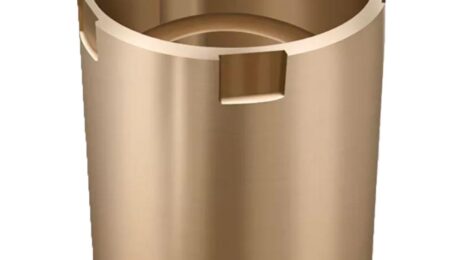
The Comprehensive Guide to Eccentric Bushings in Mining Machinery
Eccentric bushings are crucial components in various mining machinery, playing a pivotal role in enhancing operational efficiency and equipment longevity. Understanding what eccentric bushings are, their functions, types, and importance in the mining industry is essential for operators and maintenance teams alike.
What is an Eccentric Bushing?
An eccentric bushing is a cylindrical machine part that resides in a rotating assembly where it provides a method to adjust the position of an accessory or a related component. Its unique design allows for adjustments in motion, enabling better performance in various mining applications.
Functions of Eccentric Bushings
The primary functions of eccentric bushings in mining machinery include:
- Adjusting gear and bearing alignment
- Reducing wear and tear on moving parts
- Providing adaptable fit for various machinery configurations
- Enhancing performance and productivity of the equipment
Types of Eccentric Bushings
1. Split Eccentric Bushings – Designed for easy replacement and maintenance, these bushings are commonly used in various mining machine setups.
2. Finned Eccentric Bushings – These bushings feature fins to enhance cooling and lubrication, suited for high-load applications.
3. Solid Eccentric Bushings – Made from a single piece of material, providing robust support in heavy-duty conditions.
Material Considerations for Eccentric Bushings
The materials used for manufacturing eccentric bushings greatly impact their performance and durability. Common materials include:
– Steel
– Bronze
– Polyurethane
– Composite materials
Importance of Quality Eccentric Bushings
Investing in high-quality eccentric bushings is vital. They ensure:
– Longer life for mining machinery
– Less frequent breakdowns and repairs
– Reduced operational costs over time
Choosing the Right Eccentric Bushing
When selecting eccentric bushings, consider factors such as:
– Machinery specifications
– Operating environment
– Load requirements
– Compatibility with existing components
Installation and Maintenance of Eccentric Bushings
Proper installation and regular maintenance of eccentric bushings can prevent costly downtime. Key steps include:
– Cleaning the mounting area
– Aligning the bushing correctly
– Applying appropriate lubrication
– Regular inspections for wear and tear
Common Problems Associated with Eccentric Bushings
Over time, eccentric bushings may experience issues such as:
– Excessive wear due to poor lubrication
– Misalignment leading to operational inefficiencies
– Material fatigue leading to fractures or breaks
Frequently Asked Questions (FAQ)
What are eccentric bushings made of?
Eccentric bushings can be made from various materials, including steel, bronze, and composite materials, depending on their application.
How can I tell if my eccentric bushing needs to be replaced?
Signs that an eccentric bushing needs replacing include excessive noise during operation, visible wear and tear, and difficulty in adjusting or aligning machinery parts.
Can eccentric bushings be repaired?
In some cases, minor damages to eccentric bushings can be repaired; however, often it is more cost-effective to replace them altogether.
Where can I purchase high-quality eccentric bushings?
High-quality eccentric bushings can be purchased from specialized mining machinery suppliers, both online and in physical stores that cater to the mining industry.
LSI and NLP Keywords
Some relevant keywords related to eccentric bushings include:
– Mining machinery
– Spare parts
– Machinery maintenance
– Equipment durability
– Heavy machinery
– Bushing alignment
– Mechanical components
– Equipment efficiency
– Wear-resistant materials
– Lubrication systems
– Precision engineering
– Component compatibility
– Heavy-duty applications
– Maintenance tips
– Operational efficiency
Conclusion
Understanding eccentric bushings and their critical role in mining machinery will serve operators and managers in maintaining efficient and productive operations. The durability, performance, and appropriate usage of these components can significantly affect overall mining machinery reliability.
- Published in Products
The Comprehensive Guide to Breaker Bars in Mining Machinery and Spare Parts
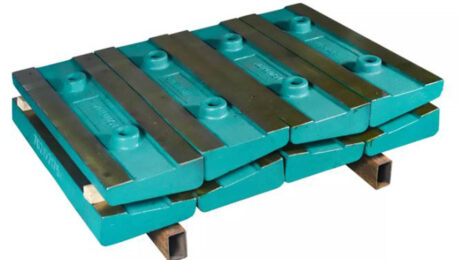
The Comprehensive Guide to Breaker Bars in Mining Machinery and Spare Parts
Mining machinery plays a crucial role in extracting valuable resources from the earth. Among the various components that ensure the machinery operates efficiently, the breaker bar is a fundamental part that deserves a detailed exploration. This article dives into the depths of breaker bars, covering everything from their definition and purpose to their applications, benefits, and maintenance.
What is a Breaker Bar?
A breaker bar is a pivotal component found in various mining machinery configurations. Often used in conjunction with impact hammers, a breaker bar represents a long, lever-like tool that amplifies force to aid in breaking materials during mining operations. Designed for durability, breaker bars are typically made from robust materials that can withstand significant stress and wear.
Types of Breaker Bars in Mining Machinery
Breaker bars come in several types, each suited for specific applications within the mining industry. Common types include:
- Heavy-Duty Breaker Bars: Used for breaking large rocks and boulders.
- Standard Breaker Bars: Suitable for regular mining tasks, balancing weight and usability.
- Custom Breaker Bars: Designed to meet unique operational needs in a specific mining environment.
Applications of Breaker Bars in Mining Machinery
Breaker bars are utilized in various mining contexts:
- Breaking up hard materials such as ores, stones, and minerals.
- Assisting in the crushing phase during mineral extraction.
- Enhancing operational efficiency by reducing downtime during equipment maintenance.
Benefits of Using Breaker Bars in Mining Machinery
The incorporation of breaker bars provides numerous advantages:
- Increased Efficiency: Breaker bars can significantly enhance the speed and efficiency of material handling and processing.
- Durability: Built to endure extreme conditions, breaker bars exhibit impressive longevity.
- Cost-Effectiveness: With improved efficiency and reduced wear on machinery, overall operational costs can decrease.
Choosing the Right Breaker Bar for Your Mining Needs
Selecting the optimal breaker bar involves several considerations:
- Material: Consider the material of the breaker bar, ensuring it’s appropriate for the type of mining you’re undertaking.
- Compatibility: Ensure the breaker bar is compatible with your existing machinery to avoid performance issues.
- Weight and Size: Assess the weight and size, aiming for a bar that maximizes efficiency without compromising safety.
Maintenance Tips for Breaker Bars
Proper maintenance extends the life of breaker bars and ensures optimal functionality:
- Regular Inspections: Frequently inspect breaker bars for signs of wear or damage.
- Proper Storage: When not in use, store breaker bars in a dry, protected area to prevent corrosion or deterioration.
- Lubrication: Apply lubrication to reduce friction and wear during operation.
Common Issues with Breaker Bars and How to Resolve Them
While breaker bars are robust, they may encounter issues such as:
- Cracks: Repair or replace any breaker bar exhibiting cracks.
- Wear and Tear: Monitor for wear; replace components as needed to maintain efficiency.
- Compatibility Issues: Ensure ongoing compatibility with machinery to avoid performance lags.
Frequently Asked Questions (FAQ)
What materials are breaker bars typically made from?
Breaker bars are predominantly manufactured from high-strength steel or alloy materials, ensuring durability against harsh mining conditions.
How do I know if my breaker bar needs replacement?
Signs that a breaker bar needs replacing include visible cracks, excessive wear, or reduced performance in breaking materials.
Can breaker bars be repaired?
Minor damage may be repairable, depending on the extent of wear and damage; however, it is often more cost-effective to replace them.
How can I improve the lifespan of my breaker bar?
Routine maintenance, correct handling, and proper storage can significantly extend the life of your breaker bar.
Are there universal breaker bars for different machines?
While some breaker bars may fit different machines, it’s advisable to use bars specifically designed for your equipment to ensure optimal performance.
Conclusion
Breaker bars are an indispensable component of mining machinery, providing critical support in material processing. By understanding their types, applications, benefits, and maintenance needs, mining professionals can enhance their operational efficiency and machinery lifespan. As mining continues to advance technologically, the role and design of breaker bars will undoubtedly evolve, meeting the ever-growing demands of the industry.
LSI and NLP Keywords
Mining machinery, mining equipment, spare parts, mining tools, impact hammers, heavy-duty equipment, ore extraction, maintenance practices, efficiency in mining, mining operations, crushing machinery, mineral processing, machinery wear, replacement parts, durability in mining, mining spare parts suppliers, mining technology upgrades, cost-effectiveness in mining.
- Published in Products
