


The Essential Guide to Flywheels in Mining Machinery and Spare Parts
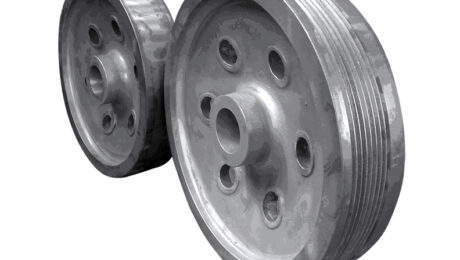
Understanding Flywheels in Mining Machinery
Flywheels play a crucial role in the operation of various mining machinery, serving as a key component for energy storage and smooth operation. In this guide, we will delve into the significance of flywheels, their types, applications in mining, and the importance of spare parts.
What is a Flywheel?
A flywheel is a mechanical device designed to efficiently store rotational energy. Flywheels maintain consistent rotational speeds and make it possible for machinery to operate smoothly, which is essential in the demanding environment of mining operations.
Types of Flywheels Used in Mining Machinery
1. Steel Flywheels
Steel flywheels are commonly used due to their durability and ability to withstand high stress while providing excellent energy storage capability.
2. Composite Flywheels
Composite flywheels, made from advanced materials, offer lightweight options suitable for specific applications and are designed for efficiency.
3. Cast Iron Flywheels
Cast iron flywheels are often used in older machinery. They are robust and dependable for heavy operations but may be heavier than alternatives.
The Importance of Flywheels in Mining Machinery
In mining, heavy machinery often experiences fluctuations in load. Flywheels help regulate energy, enabling machines to maintain consistent performance despite these variations. This regulation is critical for machinery such as crushers, drills, and excavators.
1. Energy Storage
Flywheels store kinetic energy generated during operation, which can be released during high-energy demands, ensuring machinery runs efficiently without interruptions.
2. Reduced Wear and Tear
By smoothing out power delivery, flywheels help reduce wear and tear on various mechanical components, extending their lifespan and improving maintenance intervals.
3. Enhanced Power Transfer
Flywheels allow for more effective power transfer between components, optimizing performance and energy efficiency in mining operations.
Flywheel Applications in Mining Machinery
1. Crushers
In large-scale mining, crushers rely on flywheels to maintain consistent crushing power, which is crucial for material processing.
2. Conveyors
Flywheels assist in the efficient movement of materials on conveyor belts by providing stability and reducing operational jerks.
3. Drilling Equipment
Drilling rigs utilize flywheels to maintain a steady rotational speed, which is vital for effective drilling operations.
Flywheel Maintenance and Spare Parts
Like any mechanical component, flywheels require regular maintenance and eventual replacement to ensure optimal performance. Investing in high-quality spare parts is essential.
1. Common Issues with Flywheels
Common problems include wear from friction, misalignment, and damage due to stress. Regular inspections help identify these issues early.
2. Replacing Flywheel Parts
When replacing parts, consider OEM (Original Equipment Manufacturer) components to ensure compatibility and reliability.
3. Importance of Quality Spare Parts
High-quality spare parts not only enhance the performance of mining machinery but also prolong the overall lifespan of your equipment.
Frequently Asked Questions (FAQ)
What is the main function of a flywheel in mining machinery?
The main function of a flywheel in mining machinery is to store kinetic energy and provide stability in rotational speed, ensuring smooth operation during varying load conditions.
How do flywheels enhance the efficiency of mining operations?
Flywheels enhance efficiency by regulating power transfer and reducing wear on mechanical components, thereby increasing equipment reliability and performance.
What types of flywheels are best for heavy mining machinery?
Steel and cast iron flywheels are generally preferred for heavy mining machinery due to their durability and strength under stress.
How often should flywheels be inspected and maintained?
Flywheels should be inspected regularly, at least every 6-12 months, and maintained as needed based on operational demands and conditions.
Where can I find high-quality spare parts for flywheels?
High-quality spare parts can be sourced from authorized OEM suppliers or reputable aftermarket parts manufacturers specializing in mining machinery.
Conclusion
Flywheels are an integral component of mining machinery, contributing to efficiency and smooth operation across various types of equipment. Understanding flywheel technology and its applications is essential for anyone involved in the mining industry, as it directly impacts performance and reliability. By investing in quality flywheels and spare parts, mining operations can ensure better performance and longer machinery lifespans.
- Published in Products
The Comprehensive Guide to End Frames in Mining Machinery and Spare Parts
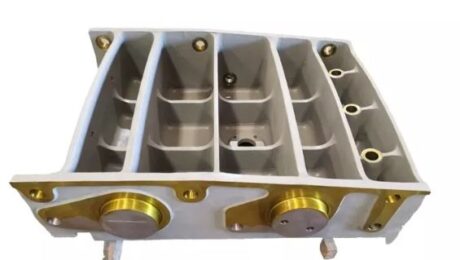
The Comprehensive Guide to End Frames in Mining Machinery
Mining machinery is an essential component in the extraction of minerals and resources from the earth. One of the crucial parts of mining machinery is the end frame. In this article, we will explore the significance of end frames, their functions, types, manufacturing materials, and maintenance tips. This detailed guide aims to provide you with all the information you need regarding end frames in mining machinery and spare parts.
What is an End Frame?
The end frame is a structural component found in various types of mining equipment. It serves as a support system for other machinery parts and plays a crucial role in ensuring the overall stability and functionality of mining equipment. The end frame can be found in excavators, cranes, and other heavy machinery used in mining operations.
Importance of End Frames in Mining Machinery
End frames are vital for several reasons:
- Structural Integrity: End frames provide essential support and stability for other machine components.
- Load Distribution: They help distribute the load evenly across the machinery, improving durability and performance.
- Reduction of Vibration: Properly constructed end frames can significantly reduce vibrations, which prolongs the lifespan of machinery.
- Facilitation of Maintenance: End frames often allow easier access to other parts of the machinery, simplifying maintenance work.
Types of End Frames
End frames can be categorized based on their design and application:
- Fixed End Frames: These frames are permanently attached to the machinery, providing a stable base.
- Removable End Frames: Often used in modular machinery, these can be removed for repairs or replacements.
- Custom End Frames: Tailored to specific machinery requirements, these frames are designed considering unique operational needs.
Materials Used in Manufacturing End Frames
The choice of material for constructing end frames is critical for ensuring durability and resistance against wear and tear. Common materials include:
- Steel: Known for its strength and durability, steel is the most widely used material for end frames.
- Aluminum: Lightweight yet strong, aluminum can be used in environments where weight reduction is essential.
- Composite Materials: Advanced composite materials are used for specialized applications, offering high strength-to-weight ratios.
End Frame Design Considerations
When designing an end frame, several factors need to be considered:
- Load Capacity: The design must accommodate the maximum expected load to prevent structural issues.
- Environment: The end frame should be designed to withstand prevailing environmental conditions, such as moisture and temperature.
- Durability: Materials and construction should focus on resisting wear and tear from regular use.
Maintenance of End Frames
Maintaining end frames is crucial to ensure optimal performance. Here are some best practices:
- Regular Inspections: Periodically inspect end frames for signs of wear, corrosion, or damage.
- Cleaning: Keep end frames clean to prevent buildup that could impede performance.
- Lubrication: Apply lubricants to moving parts connected with the end frame to reduce friction.
- Prompt Repairs: Address any issues immediately to prevent further deterioration.
Spare Parts for End Frames
In the event of damage, having access to quality spare parts is crucial. Key spare parts related to end frames include:
- Bolts and Fasteners: Essential for securing connections
- Bearings: Used in rotating components connected to end frames
- Seals and Gaskets: Help in preventing lubricants from leaking
Common Issues with End Frames
End frames may encounter several common issues, such as:
- Cracking: Often due to excessive loading or material fatigue.
- Corrosion: Caused by exposure to moisture and harsh chemicals.
- Misalignment: Leading to uneven wear and affecting machinery performance.
Frequently Asked Questions About End Frames
What is the role of an end frame in mining machinery?
The end frame acts as a foundational support component for various machinery parts, ensuring stability and structural integrity.
How often should end frames be inspected?
End frames should be inspected regularly, ideally every few months, depending on operating conditions.
Can I repair a damaged end frame?
Yes, in many cases, damaged end frames can be repaired, but it’s essential to consult with a professional to assess the extent of the damage.
What are the typical materials used for end frames?
Common materials include steel, aluminum, and composite materials, chosen based on specific usage requirements.
What spare parts do I need for maintaining end frames?
Key spare parts include bolts, bearings, seals, and gaskets necessary for maintaining the functionality of end frames.
Conclusion
In conclusion, end frames play a vital role in the performance and safety of mining machinery. Understanding the significance, types, materials, maintenance, and common issues of end frames not only enhances operational efficiency but also extends the lifespan of your mining equipment. Regular inspections and timely repairs of end frames can significantly reduce downtime and improve productivity. For mining operations, investing in high-quality end frames and spare parts is crucial for sustained success.
LSI and NLP Keywords
- Mining equipment
- Excavator end frame
- End frame support structure
- Heavy machinery components
- Structural component
- Load distribution in machinery
- Machine maintenance
- Mining machinery parts
- Repairing end frames
- End frame durability
- Mining operations
- End frame manufacturing
- Spare parts for machinery
- Vibration reduction technology
- Custom machinery components
- Mining sector supplies
- High-performance end frames
- Published in Products
The Comprehensive Guide to Pitman in Mining Machinery: Understanding Its Role, Variants, and Spare Parts

Understanding Pitman in Mining Machinery
The term pitman is paramount in the context of mining machinery, serving as a crucial component in several types of equipment including crushers and screens. The effectiveness of mining operations can heavily rely on the functionality and design of the pitman, making it essential to comprehend its role, variations, and the importance of spare parts.
What is a Pitman?
In mining machinery, the pitman is a mechanical component that plays a pivotal role in transmitting motion and force. Typically found in jaw crushers, the pitman is the part that receives the input of the crushing movement and converts it into the motion of the movable jaw. It is generally designed as a heavy-duty structure to withstand the intense forces involved in crushing operations.
Types of Pitman in Mining Machinery
1. Conventional Pitman
The conventional design of pitman is characterized by its solid construction, ensuring durability and reliability under high stress. It often comes with lubrication systems for optimal performance.
2. Hydraulic Pitman
Hydraulic pitmans are engineered with hydraulic mechanisms that facilitate enhanced movement control, providing better adaptability to varying crushing requirements. These are typically used in advanced models of crushers.
3. Pitman with Adjustable Toggle Mechanism
This variant allows for adjustments to be made to the jaw’s closing motion, providing flexibility in the crushing process.
The Role of Pitman in Mining Machinery
The pitman’s primary responsibility is to connect the movable jaw to the crank. It enables the reciprocating motion necessary for effective crushing operations. A well-functioning pitman ensures efficient energy transfer, which directly affects the productivity and overall performance of mining machinery.
Importance of High-Quality Pitman Spare Parts
Mining machinery operates under extreme conditions, requiring components that can withstand significant wear and tear. Pitman spare parts are vital for maintaining performance, as a worn-out pitman can lead to inefficiencies, increased operational costs, and reduced safety. Investing in high-quality spare parts ensures continuity in operations and decreases downtime.
Common Pitman Spare Parts
1. Pitman Assembly
The complete pitman assembly includes the pitman frame, bolt fittings, and other integral parts. It’s vital to use original equipment manufacturer (OEM) assemblies to guarantee compatibility and performance.
2. Pitman Bearings
Bearings are crucial for the smooth operation of the pitman, reducing friction and wear. Regular inspection and replacement are necessary to prevent further damage.
3. Toggle Plates
Toggle plates work alongside the pitman, controlling the motion of the movable jaw. Replacing worn toggle plates is vital for maintaining crushing efficiency.
4. Pitman Liners
Liners are protective components that help to further minimize wear. Regular updating of these parts can significantly extend the lifespan of the pitman.
How to Choose the Right Pitman Spare Parts
When selecting spare parts for pitman, consider the following factors:
- Compatibility: Ensure that parts are compatible with your specific machinery model.
- Quality: Opt for OEM or reputable aftermarket products to ensure reliability.
- Durability: Evaluate materials used in construction for longevity under harsh conditions.
Maintaining Your Pitman and Lubrication Practices
Proper maintenance of the pitman is crucial for enhanced performance. Regular lubrication is essential to prevent overheating and wear. Consider implementing the following maintenance strategies:
- Routine inspections for signs of wear and tear.
- Use appropriate lubricants as recommended by the manufacturer.
- Adjust tension settings to ensure optimal tightness and prevent excessive movement.
Pitman in Different Mining Machinery Applications
1. Pitman in Jaw Crushers
In jaw crushers, the pitman is crucial for facilitating the crushing action. It handles the substantial forces required to crush large boulders of rock.
2. Pitman in Cone Crushers
While slightly different in design, cone crushers utilize a pitman mechanism to guide the crushing process while maintaining material quality.
3. Pitman in Screening Equipment
Pitmans in screening machinery facilitate movement, ensuring that materials are sorted effectively.
Frequently Asked Questions (FAQs) about Pitman
What is the purpose of a pitman in mining machinery?
The pitman transmits crushing energy and motion from the crank to the movable jaw in jaw crushers.
How often should pitman spare parts be replaced?
Regular inspections are necessary; typically, parts should be replaced when signs of excessive wear are detected or as part of scheduled maintenance.
Are aftermarket pitman spare parts as reliable as OEM parts?
While some aftermarket parts can match OEM quality, it is essential to choose reputable brands to ensure performance and reliability.
What materials are used in manufacturing pitman and its spare parts?
Common materials include steel alloys, which provide strength and wear resistance under harsh conditions.
Conclusion: The Significance of Pitman in Mining Machinery
The pitman is an essential component of mining machinery, influencing performance, efficiency, and the overall success of operations. By understanding its function, different types, and the significance of spare parts, mining enterprises can enhance their equipment’s longevity and productivity.
LSI and NLP Keywords Related to Pitman
- Crusher pitman
- Mining machinery components
- Jaw crusher parts
- Mining equipment maintenance
- Spare parts supply
- Heavy-duty machinery
- Mining gear
- Crushing machinery
- Mining wear parts
- Mining equipment replacement
- Industrial crushers
- Toggle mechanism
- Pitman arm
- Pitman assembly
- Pitman bearings
- Lubrication systems
- Pitman design and function
- Jaw and cone crushers
- Maintenance of mining equipment
- Published in Products
The Essential Guide to Mining Machinery: Focusing on Rotors and Spare Parts

The Essential Guide to Mining Machinery: Focusing on Rotors and Spare Parts
The mining industry is heavily reliant on specialized machinery, and at the heart of many operations lies the rotor. This article delves into the significance of rotors in mining machinery, covering everything from their types and functions to maintenance tips and spare parts.
1. Understanding Mining Machinery
Mining machinery includes a wide range of equipment used for the extraction of minerals and resources.
1.1 What is Mining Machinery?
Mining machinery refers to machines that aid in the extraction, loading, and processing of minerals. Key machines include excavators, bulldozers, and drilling rigs.
1.2 Importance of Mining Machinery in the Industry
The efficiency of mining operations hinges on effective machinery. High-quality equipment increases productivity and reduces operational costs.
2. The Role of Rotors in Mining Machinery
Rotors are crucial components in many types of mining machines, affecting performance and efficiency.
2.1 What is a Rotor?
A rotor is a rotating part of a machine that typically includes blades or vanes designed for specific tasks such as separation, crushing, or aeration.
2.2 Types of Rotors in Mining Machinery
- Crushing Rotors: Used in crushers to break down rocks.
- Drilling Rotors: Found in drilling rigs to penetrate earth layers.
- Mixing Rotors: Utilized in mixing materials for consistent quality.
2.3 How Rotors Work in Mining Equipment
Rotors function through rotational motion, translating energy into mechanical work, often impacting materials significantly.
3. The Importance of Rotor Maintenance
Regular maintenance of rotors is vital for optimal machinery performance.
3.1 Signs of Rotor Wear
- Excessive Vibration: Can indicate imbalance.
- Unusual Noises: May signify damage or wear.
3.2 Maintenance Tips for Mining Rotors
Implementing a regular maintenance schedule, using appropriate lubricants, and promptly addressing issues can extend a rotor’s lifespan.
4. Mining Machinery Spare Parts: Focus on Rotors
Having access to quality spare parts is essential for ensuring the longevity and effectiveness of mining operations.
4.1 Types of Spare Parts for Mining Rotors
- Replacement Rotors: For entire rotor replacement.
- Rotor Blades: Individual blades for wear and tear.
- Bearings: Essential for rotor function.
4.2 How to Choose Quality Spare Parts for Rotors
Make sure to choose aftermarket or OEM spare parts that meet the manufacturer’s specifications to maximize equipment performance.
5. Innovations in Rotor Design for Mining Machinery
Modern technology continues to improve rotor efficiency and durability.
5.1 Advanced Materials for Rotors
Utilization of composite materials and specialized metals can significantly enhance rotor performance.
5.2 Digital Monitoring of Rotor Performance
IoT solutions provide real-time data on rotor performance, allowing for proactive maintenance strategies.
6. FAQ Section
- What is the function of a rotor in mining machinery? Rotors facilitate movement and material processing in machines such as crushers and drillers.
- How can I tell if my mining rotor is failing? Look for excessive vibrations, unusual noises, or decreased performance.
- What maintenance does a rotor require? Regularly clean, lubricate, and check for signs of wear.
- Are aftermarket rotor parts reliable? Aftermarket parts can be reliable, but ensure they meet manufacturer specifications.
- How often should rotors be replaced? This varies by usage, but regular inspections can help determine replacement needs.
7. Conclusion
Rotors are paramount to the functionality of mining machinery. Understanding their significance, maintenance, and the importance of spare parts is essential for any mining operation aiming for efficiency and longevity.
- Published in Products
The Comprehensive Guide to Conveyor Belts in Mining Machinery

The Comprehensive Guide to Conveyor Belts in Mining Machinery
Conveyor belts are vital components in mining machinery, playing an essential role in the efficient transport of raw materials across mining sites. This article aims to provide in-depth insights into conveyor belts, their types, components, maintenance, and much more.
Table of Contents
-
1. Understanding Conveyor Belts
-
2. Types of Conveyor Belts Used in Mining
-
2.1. PVC Conveyor Belts
-
2.2. Rubber Conveyor Belts
-
2.3. Fabric Conveyor Belts
-
2.4. Steel Cord Conveyor Belts
-
3. Components of Conveyor Belts
-
3.1. Belt Material
-
3.2. Endless Belts
-
3.3. Pulleys and Rollers
-
3.4. Conveyor Belt Splices
-
4. Importance of Conveyor Belts in Mining Operations
-
5. Maintenance of Conveyor Belts
-
6. Spare Parts for Conveyor Belts
-
7. Innovations in Conveyor Belt Technology
-
8. Common Issues with Conveyor Belts and Solutions
-
9. Frequently Asked Questions (FAQs)
1. Understanding Conveyor Belts
Conveyor belts are a continuous loop of material that transport goods and materials from one location to another. These systems are crucial in mining applications, where large volumes of materials must be moved quickly and efficiently.
2. Types of Conveyor Belts Used in Mining
In the mining industry, various types of conveyor belts are employed depending on the material being conveyed and the specific application…
2.1. PVC Conveyor Belts
PVC conveyor belts are popular due to their durability and resistance to chemicals…
2.2. Rubber Conveyor Belts
Rubber conveyor belts are favored for their strength and ability to handle heavy loads…
2.3. Fabric Conveyor Belts
These belts are made of layers of fabric and are ideal for lighter materials…
2.4. Steel Cord Conveyor Belts
Steel cord belts are designed for high-strength applications and are used in long-distance transport…
3. Components of Conveyor Belts
A conveyor belt system comprises several components that contribute to its overall functionality…
3.1. Belt Material
The material of the belt significantly affects its performance and durability…
3.2. Endless Belts
Endless belts are continuous without a seam, reducing wear…
3.3. Pulleys and Rollers
Pulleys and rollers facilitate the movement of the conveyor belt…
3.4. Conveyor Belt Splices
Splices are joints in the belt, and their quality is critical…
4. Importance of Conveyor Belts in Mining Operations
Conveyor belts improve productivity and safety in mining operations by reducing manual handling of materials…
5. Maintenance of Conveyor Belts
Regular maintenance of conveyor belts ensures longevity and reliable performance…
6. Spare Parts for Conveyor Belts
Having access to spare parts for conveyor belts minimizes downtimes and enhances operation…
7. Innovations in Conveyor Belt Technology
Technological advancements have led to the development of smarter and more efficient conveyor systems…
8. Common Issues with Conveyor Belts and Solutions
Despite their utility, conveyor belts can encounter issues such as wear, tear, and misalignment…
9. Frequently Asked Questions (FAQs)
What are the primary materials used in manufacturing conveyor belts?
Conveyor belts are typically made from rubber, PVC, fabric, or steel-cord.
How often should conveyor belts be maintained?
Conveyor belts should undergo routine inspections and maintenance every few months, depending on usage.
What are the signs of a failing conveyor belt?
Signs include wear on the belt, unusual noises, and material spillage.
Can conveyor belts be custom made?
Yes, many manufacturers offer custom conveyor belt solutions tailored to specific mining operations.
What is the average lifespan of a conveyor belt?
The average lifespan can vary from 3-10 years depending on the application and maintenance.
How do you properly splice a conveyor belt?
Proper splicing techniques involve aligning the belt ends, using appropriate adhesive, and ensuring consistent tension.
LSI and NLP Keywords Related to Conveyor Belt
- Mining equipment
- Material handling
- Conveying systems
- Mining operations
- Industry standards
- Heavy duty belts
- Transport systems
- Conveyor safety
- Bulk materials
- Aggregate industry
- Mining spare parts
- Long-distance transport
- Industrial machinery
- Maintenance techniques
- Performance optimization
- Published in Products
The Comprehensive Guide to Mining Machinery and Roller Spare Parts

The Comprehensive Guide to Mining Machinery and Roller Spare Parts
Introduction to Mining Machinery
Mining machinery plays a pivotal role in the extraction and processing of minerals from the earth. Understanding the different components, including rollers, is essential for efficient operations in the mining industry.
What Are Rollers in Mining Machinery?
Rollers are crucial parts of mining machinery, serving various functions such as support and movement in equipment like conveyors, crushers, and loaders. They are designed to withstand harsh conditions while providing optimal performance.
Types of Rollers Used in Mining Machinery
1. Conveyor Rollers
Conveyor rollers are essential for transporting materials across different distances within mining operations. They come in various sizes and materials.
2. Idler Rollers
Idler rollers support the conveyor belt and maintain tension, ensuring smooth operation and preventing belt slippage.
3. Impact Rollers
Impact rollers are designed to absorb shock loads when materials are loaded onto the conveyor system.
4. Return Rollers
Return rollers are crucial for supporting the conveyor belt on its return journey, helping to minimize wear and extend equipment life.
Importance of High-Quality Roller Spare Parts
Using high-quality roller spare parts is vital for maintaining the efficiency and longevity of mining machinery. Inferior spare parts can lead to equipment failures and costly downtime.
How to Choose the Right Roller Spare Parts
1. Material Selection
The material of the roller affects its durability and performance. Common materials include steel, rubber, and plastic.
2. Specifications
Ensure the spare parts meet the specifications of your machinery for a proper fit and function.
3. Brand Reputation
Select spare parts from reputable brands known for quality and reliability in the mining industry.
Maintenance Tips for Rollers in Mining Machinery
1. Regular Inspections
Conduct regular inspections to identify wear and tear early and replace parts as needed.
2. Lubrication
Keep rollers well-lubricated to minimize friction and prevent overheating.
3. Cleanliness
Maintain a clean operating environment to prevent debris accumulation that can lead to roller damage.
Common Issues with Rollers in Mining Machinery
1. Misalignment
Misalignment can cause uneven wear and increased friction.
2. Worn Out Bearings
Worn bearings can lead to roller failure, affecting the efficiency of the entire system.
3. Corrosion
Exposed rollers are susceptible to corrosion, especially in wet environments.
The Future of Mining Machinery and Rollers
Advancements in technology are leading to the development of smarter and more efficient roller systems. This includes innovations such as self-lubricating rollers and materials that resist wear and corrosion.
FAQs About Rollers in Mining Machinery
1. What is the purpose of rollers in mining machinery?
Rollers are used to facilitate the movement of materials and support various machinery components, ensuring efficient operation.
2. How often should rollers be replaced?
The replacement frequency of rollers depends on usage and operating conditions. Regular inspections can help determine when replacements are needed.
3. Can I use any roller spare parts for my mining machinery?
No, it is important to use spare parts that are compatible with your specific machinery to ensure optimal performance.
4. How can I extend the lifespan of rollers in my mining operation?
Maintain your rollers through regular inspections, lubrication, and cleanliness to prevent premature wear and damage.
Conclusion
The importance of rollers in mining machinery cannot be overstated. Proper maintenance, high-quality spare parts, and understanding their functions are key to successful mining operations.
LSI and NLP Keywords
Mining equipment, conveyor systems, idler rollers, spare parts, machinery maintenance, roller durability, repair services, material transport, mining operations, equipment efficiency, shock absorption, support rollers, heavy machinery, mining technologies, spare parts suppliers, industrial machinery.
Related Words
Excavation, mineral extraction, heavy-duty, industrial, components, transport, wear-resistant, operational efficiency, logistics, materials handling, mining solutions, manufacturing, mechanical engineering.
- Published in Products
The Essential Role of Drum in Mining Machinery and Spare Parts
The Essential Role of Drum in Mining Machinery and Spare Parts
Mining operations globally rely heavily on specialized machinery to extract valuable minerals and resources efficiently. One critical component of many of these machines is the drum. In this article, we will delve into the significance of drums in mining machinery, explore different types of drums used, outline the spare parts related to drums, and answer some frequently asked questions related to this essential component.
What is Drum in Mining Machinery?
The term ‘drum’ refers to a cylindrical component used in various mining machinery, including crushers, excavators, and conveyor systems. Drums can serve multiple purposes, such as holding material, providing rotational force, or acting as part of a driving mechanism. Understanding the functionality of drums in these machines is crucial for optimal performance and durability.
Types of Drums in Mining Machinery
1. Drums in Conveyor Systems
Conveyor drums play a vital role in transporting materials across mining sites. They are designed to hold and rotate the conveyor belt, enabling the smooth movement of materials from one location to another.
2. Drums in Crushers
Crushers often utilize drums to facilitate the crushing process. These drums are equipped with teeth or blades designed to break down rocks and other materials into smaller pieces.
3. Drilling Drums
In drilling operations, drums are used to manage and control the drilling process. They help in feeding drilling equipment and maintaining consistent pressure and speed.
4. Hydraulic Drums
Hydraulic drums are critical in machines that require hydraulic power to operate. These drums are designed to withstand high pressure and provide reliable performance.
Importance of Drum Maintenance
Maintaining the integrity and functionality of drums in mining machinery is essential for operational efficiency. Regular inspections and maintenance can prevent catastrophic failures and ensure that machinery operates at peak performance. Operators should focus on:
- Regularly checking drum alignment
- Inspecting for wear and tear
- Lubricating moving parts
- Replacing worn parts promptly
Drum Spare Parts in Mining Machinery
Along with the drums themselves, spare parts are crucial for the seamless operation of mining machinery. Some common spare parts associated with drums include:
- Drum bearings
- Drum shafts
- Drum brackets
- Drum seals
- Drum liners
How to Choose the Right Drum for Your Mining Machinery
Selecting the right drum for your specific mining machinery involves understanding the operational requirements and the material being handled. Key factors to consider include:
- Material compatability
- Size and weight specifications
- Load capacity
- Durability and resistance to wear
FAQs about Drum in Mining Machinery
What is the role of drums in conveyor systems?
In conveyor systems, drums hold and drive the conveyor belt, facilitating the efficient transportation of materials across a mining site.
How can I maintain the drum in my mining machinery?
Regular inspections, alignment checks, lubrication, and prompt replacement of worn parts are key aspects of drum maintenance.
What spare parts are typically associated with mining machinery drums?
Common spare parts include bearings, shafts, brackets, seals, and liners designed for various drum types.
What factors should I consider when choosing a drum?
Selecting a drum involves assessing the material compatibility, size specifications, load capacity, and durability requirements.
Can worn drums affect the performance of mining machinery?
Yes, worn drums can lead to inefficiency, increased downtime, and potential damage to other components in the machinery.
LSI and NLP Keywords Related to Drum
- Mining Equipment
- Mining Operations
- Material Handling
- Cylindrical Component
- Rotational Force
- Drum Bolts
- Drive Mechanism
- Heavy Machinery
- Excavation Tools
- Crushing Methodologies
- Maintenance Practices
- Industrial Machinery
- Electrical Drums
- Mining Accessories
- Durability in Mining Applications
- Conveyor Belt Systems
- Mining Industry Standards
- Material Disposal
In conclusion, understanding the critical function of drums in mining machinery is essential for operators seeking to maximize efficiency and safety in their operations. Proper selection and maintenance of drums and their spare parts can significantly impact the overall productivity of mining endeavors.
- Published in Products
The Comprehensive Guide to Mantle and Bowl Liner in Mining Machinery

The Comprehensive Guide to Mantle and Bowl Liner in Mining Machinery
Mining machinery is a critical component in the extraction of resources such as minerals and metals. Among the essential parts of crushers used in mining operations are the mantle and bowl liner. These components play a vital role in the efficiency and effectiveness of crushing operations, making them a focal point of discussion in the mining industry.
Understanding the Mantle and Bowl Liner
The mantle and bowl liner are integral parts of cone crushers. The mantle is a moving part that rotates and crushes material against the stationary bowl liner. The interaction between these two components is crucial for the breaking down of rock and ore materials.
The Functionality of Mantle and Bowl Liner
The mantle and bowl liner work together to break the raw materials into smaller sizes. The design and materials used for these components significantly affect their performance and longevity.
Types of Mantles and Bowl Liners
Different types of mantles and bowl liners are available based on the specific requirements of the mining operation. Common types include:
- OEM Mantles and Bowl Liners – Original Equipment Manufacturer parts that ensure optimal performance.
- Aftermarket Mantles and Bowl Liners – These are cost-effective alternatives that can also provide substantial performance.
- Customized Mantles and Bowl Liners – Tailored to meet specific operational needs and conditions.
Materials Used in Mantle and Bowl Liner Production
The materials chosen for manufacturing mantles and bowl liners are critical for their durability and effectiveness. Common materials include:
- High Chromium Steel – Known for its high resistance to wear and tear.
- Manganese Steel – Provides good impact and abrasion resistance.
- Alloy Steel – Offers improved strength and toughness for heavy-duty applications.
Importance of Maintenance for Mantle and Bowl Liner
Regular maintenance of the mantle and bowl liner is essential for ensuring longevity and optimal performance. Scheduling routine inspections and timely replacement of worn parts can minimize downtime and enhance productivity.
Replacing Mantle and Bowl Liner
Understanding when and how to replace the mantle and bowl liner is crucial. Signs that replacement is needed include:
- Decreased crushing efficiency
- Visible wear and tear
- Unusual noise during operation
Proper techniques and safety measures should be employed during the replacement process to avoid accidents and ensure efficient operation.
Cost Factors in Mantle and Bowl Liner Replacement
Several factors influence the cost of replacing the mantle and bowl liner, including:
- Type of material used
- Brand and manufacturer
- Additional parts required for replacement
Mantle and Bowl Liner Suppliers
Choosing the right supplier for mantle and bowl liners is critical. Reputable suppliers offer quality products, warranty, and excellent customer service. Factors to consider when selecting a supplier include:
- Reputation in the industry
- Quality certifications
- Customer reviews and testimonials
Frequently Asked Questions (FAQs) about Mantle and Bowl Liner
1. What is the purpose of the mantle and bowl liner in mining machinery?
The mantle and bowl liner are designed to crush materials in cone crushers by ensuring effective and efficient reduction of rock and ore size.
2. How often should the mantle and bowl liner be replaced?
Replacement frequency depends on usage and the type of material being crushed. Regular inspections should be performed to determine wear.
3. What materials are best for making mantles and bowl liners?
High chromium steel, manganese steel, and alloy steel are popular choices due to their durability and resistance to wear.
4. Can I use aftermarket mantles and bowl liners?
Yes, aftermarket options can be a cost-effective alternative to OEM parts, provided they meet the required specifications.
5. What are the signs that I need to replace my mantle and bowl liner?
Indicators for replacement include decreased crusher performance, abnormal sounds during operation, and visible wear on the components.
LSI and NLP Keywords Related to Mantle and Bowl Liner
- Cone Crusher
- Crusher Wear Parts
- Mining Equipment
- Aggregate Production
- Crushing Process
- Mining Industry
- Spare Parts
- Heavy Machinery
- High Chrome Liners
- Aftermarket Parts
- Durability and Performance
- Machinery Maintenance
- Mantle Replacement
- Bowl Liner Dimensions
Conclusion
The mantle and bowl liner are critical components in mining machinery, particularly in cone crushers. Understanding their importance, types, materials, and maintenance needs can greatly enhance the efficiency and productivity of mining operations. Regular monitoring and timely replacement can safeguard against operational downtimes and ensure that mining operations are running smoothly at all times.
- Published in Products
The Comprehensive Guide to Jaw Plates in Mining Machinery: Uses, Types, and Spare Parts

The Comprehensive Guide to Jaw Plates in Mining Machinery
Jaw plates are essential components in mining machinery, specifically in crushers where they are used to crush rocks and ores. In this article, we delve into the importance of jaw plates, their types, and the spare parts associated with them. Understanding jaw plates can significantly improve the efficiency and longevity of mining operations.
What are Jaw Plates?
Jaw plates are heavy-duty metal plates fitted into the jaws of a jaw crusher. They are designed to withstand the immense pressure and wear that occurs during the crushing process. The primary function of jaw plates is to reduce the size of rocks and ores, enabling easier handling in mining operations.
Why are Jaw Plates Important?
Jaw plates play a critical role in ensuring the efficient operation of a jaw crusher. They are instrumental in:
- Enhancing Crushing Efficiency: Worn out or damaged jaw plates can lead to inefficient crushing, resulting in higher operational costs.
- Improving Product Quality: Quality jaw plates help in achieving the desired particle size and shape, which is crucial for downstream processes.
- Reducing Downtime: Proper maintenance and timely replacement of jaw plates can significantly reduce downtime in mining operations.
Types of Jaw Plates
There are several types of jaw plates used in mining machinery, each tailored for specific applications:
1. Smooth Jaw Plates
Smooth jaw plates are ideal for soft to medium rocks. They produce a uniform product size and are less likely to cause excessive wear on the crusher.
2. Tooth Jaw Plates
Tooth jaw plates are designed for crushing harder materials. The teeth provide better grip and help in breaking larger rocks efficiently.
3. Heavy-duty Jaw Plates
Heavy-duty jaw plates are designed for extreme conditions. They are made from high alloy steel for durability and longevity under severe conditions.
Materials Used in Jaw Plates
Jaw plates are typically made from various materials, which include:
- Manganese Steel: Offers high impact strength and excellent wear resistance, making it a preferred choice for jaw plates.
- Chrome Molybdenum Steel: Provides enhanced resistance to abrasion and wear.
- Ni-hard Steel: Known for its resistance to wear and impact, ideal for a variety of applications in mining.
How to Select the Right Jaw Plate
Selecting the right jaw plate depends on several factors, including:
- Type of Material Being Crushed: Different materials require specific jaw plate types for optimal performance.
- Feed Size: Larger feed sizes may require robust designs that can withstand higher pressure.
- Desired Product Size: The intended size of the crushed material also influences the choice of jaw plate.
Maintenance of Jaw Plates
Maintaining jaw plates is critical for maximizing the lifespan of your mining machinery. Key maintenance practices include:
- Regular Inspection: Check for wear and damage regularly to prevent unexpected breakdowns.
- Proper Lubrication: Ensure that lubrication is adequate to reduce friction and wear on the jaw plates.
- Timely Replacement: Replace jaw plates before they are worn beyond acceptable limits to avoid downtimes.
Jaw Plate Spare Parts
In addition to the jaw plates themselves, several spare parts are critical for maintaining jaw crushers:
- Cheek Plates: These protect the frame of the crusher and are crucial for its performance.
- Toggle Plates: Provide the mechanism for movement in the crushing process.
- Wedges: Used to secure jaw plates in place and ensure they function effectively.
Latest Innovations in Jaw Plate Technology
The mining industry continues to evolve with advancements in technology. Some of the latest innovations related to jaw plates include:
- Ceramic Coating: Enhances the wear resistance of jaw plates significantly.
- 3D Printing: Used for rapid prototyping of jaw plates, allowing for custom designs based on specific conditions.
- Smart Monitoring Systems: Integrating sensors in jaw plates to monitor wear in real-time for proactive maintenance.
Challenges in Managing Jaw Plates
Despite their benefits, managing jaw plates comes with its challenges:
- High Costs: Investing in quality jaw plates and spare parts can be expensive.
- Supply Chain Issues: Availability of specific types of jaw plates can hinder operations.
- Technological Disruptions: Keeping up with the latest advancements requires ongoing investment and training.
FAQs about Jaw Plates
What is a jaw plate?
A jaw plate is a critical component of a jaw crusher that is used for crushing rocks and ores, designed to endure significant wear and tear during the crushing process.
How often should jaw plates be replaced?
Jaw plates should be inspected regularly, and they should be replaced when they show signs of excessive wear that could impact the efficiency of the crusher.
What materials are used to make jaw plates?
Jaw plates are typically made from manganese steel, chrome molybdenum steel, or ni-hard steel to provide strength and wear resistance.
How can I improve the lifespan of my jaw plates?
Regular inspection, proper lubrication, timely replacement, and operating the crusher within its design limits can help improve the lifespan of jaw plates.
What are the signs that jaw plates need to be replaced?
Signs include visible cracks, a lot of wear, changes in product size, and increased operational downtime due to inefficiency.
Conclusion
Jaw plates are paramount to the operational efficiency of mining machinery. Understanding their types, materials, and maintenance strategies can lead to better performance and longevity of mining equipment. Investing in high-quality jaw plates and spare parts will yield a significant return on investment in the form of enhanced productivity and reduced downtime.
LSI and NLP Keywords
jaw crusher, jaw plate types, mining equipment, wear resistance, crusher maintenance, spare parts, crushing process, manganese jaw plates, production efficiency, toggle plate, cheek plate, heavy-duty machinery, aggregate crushing, rock crusher, quarries, mining operations.
- Published in Products
The Comprehensive Guide to Blow Bars: Applications, Types, and Maintenance in Mining Machinery

The Comprehensive Guide to Blow Bars: Applications, Types, and Maintenance in Mining Machinery
Mining machinery plays a pivotal role in the efficient extraction of valuable resources. Central to many of these operations are components like blow bars, which are essential for the crushing process. In this article, we delve deep into the world of blow bars, exploring their applications, types, maintenance, and relevance within the realm of mining machinery and spare parts.
What Are Blow Bars?
Blow bars are vital components used in horizontal shaft impactors (HSIs). They are responsible for breaking down materials by repeatedly striking them as they pass through the crushing chamber. This essential process not only enhances productivity but also contributes to the overall efficiency of mining operations.
Types of Blow Bars
Understanding the various types of blow bars is crucial for selecting the right one for specific mining machinery applications. Below, we discuss the primary categories:
- High Chrome Blow Bars: These are ideal for crushing highly abrasive materials due to their hardness and wear resistance.
- Medium Chrome Blow Bars: Suitable for a balance of impact toughness and wear resistance, these bars work well in varied conditions.
- Low Chrome Blow Bars: Best for softer materials, providing high impact resistance but lower overall wear.
- Martensitic Steel Blow Bars: These bars combine toughness with wear resistance, making them versatile for different types of mineral processing.
Applications of Blow Bars in Mining Machinery
Blow bars play a crucial role in various applications within mining. They are predominantly found in the following scenarios:
- Aggregates Production: Blow bars are commonly used in the production of aggregates by efficiently crushing rocks and gravel.
- Recycling Operations: They also facilitate the recycling of materials by breaking down concrete and asphalt, allowing reuse.
- Mining Operations: In mining, blow bars are used to process ore and other materials, enhancing extraction processes.
Factors to Consider When Choosing Blow Bars
When selecting blow bars for mining machinery, several factors come into play:
- Material Properties: The type of materials being processed can greatly influence the selection of the blow bar.
- Operating Conditions: Understanding the working environment, such as temperature and humidity, is essential.
- Wear and Impact Resistance: It’s crucial to evaluate the wear rates and impact resistance based on the blow bar material.
Maintenance of Blow Bars
Effective maintenance of blow bars can significantly extend their lifespan and improve the efficiency of mining machinery.
- Regular Inspections: Routine checks should be conducted to identify wear and tear.
- Monitoring Performance: Keeping track of performance metrics helps in understanding when to replace blow bars.
- Proper Installation: Ensuring correct installation can prevent premature wear and damage.
Common Problems with Blow Bars and Solutions
Understanding common issues associated with blow bars can aid in troubleshooting:
- Excessive Wear: If blow bars wear down faster than expected, consider evaluating the material being processed.
- Breakage: This could occur due to incorrect installation or the use of unsuitable materials.
- Error in Design Specifications: Ensuring that the blow bars meet the design specifications of the machinery can prevent operational issues.
Cost Effectiveness of Blow Bars in Mining Machinery
The investment in high-quality blow bars can lead to substantial cost savings. Their durability and efficiency can decrease overall operational costs and increase productivity.
FAQs About Blow Bars
What materials are blow bars made from?
Blow bars are typically made from high chrome, medium chrome, low chrome, or martensitic steel, depending on the application.
How often should I replace blow bars?
The replacement frequency depends on usage and wear rates, but regular inspections will help determine when they need replacing.
Can I use the same blow bars for different types of materials?
While some blow bars are more versatile, it’s generally advisable to select bars specific to the material type being processed for optimal performance.
What are the signs of blow bar wear?
Indicators of wear can include reduced crushing efficiency, visible cracks, and unusual noise during operation.
How can I improve the lifespan of my blow bars?
Regular maintenance, correct installation, and selecting the appropriate material based on the application can improve longevity.
Conclusion
Blow bars are an indispensable part of mining machinery, playing a key role in various applications. Understanding their types, maintenance, and the factors influencing their performance can help optimize mining operations. By investing in the right blow bars and ensuring proper care, mining companies can maximize efficiency while minimizing costs.
- Published in Products
