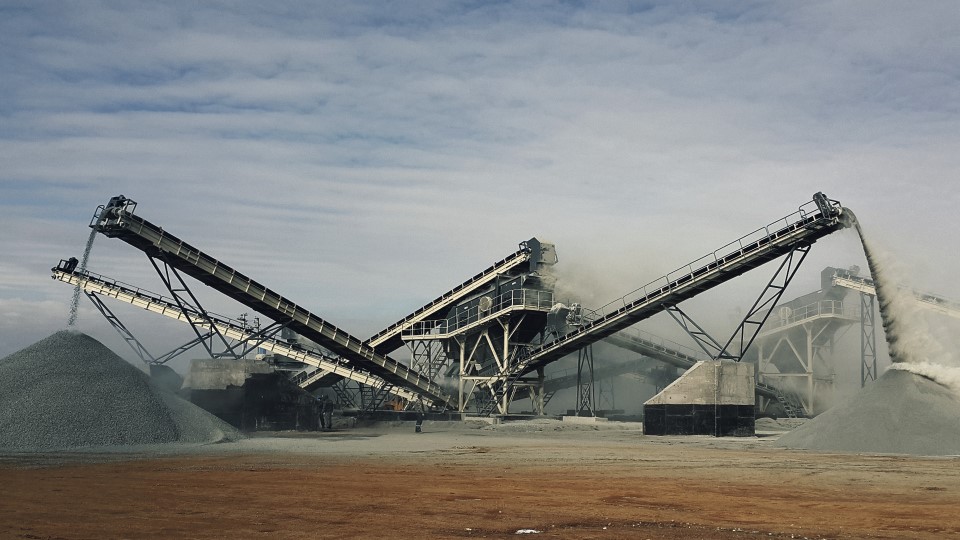
Comprehensive Guide to Wear Plates in Mining Machines and Spare Parts
Wear plates are essential components that serve as protective barriers against wear and tear in mining machines. In this comprehensive guide, the importance, types, applications, benefits, and maintenance of wear plates in the context of mining machines and spare parts will be examined.
What Are Wear Plates?
Wear plates are thick sheets made from durable materials designed to absorb impact and friction forces in various machines. In mining, they play a critical role in ensuring the longevity and efficiency of equipment.
Types of Wear Plates
1. Steel Wear Plates
Steel wear plates are widely used due to their high durability and strength. They are suitable for heavy-duty applications.
2. UHMWPE Wear Plates
Ultra High Molecular Weight Polyethylene (UHMWPE) wear plates are lightweight and resistant to chemicals, making them ideal for certain mining environments.
3. Ceramic Composite Wear Plates
Ceramic composite wear plates offer enhanced wear resistance and are used in highly abrasive areas.
4. Rubber Wear Plates
Rubber wear plates reduce noise and vibration of machines, providing a softer landing for impact-prone components.
Applications of Wear Plates in Mining Machines
1. Excavators
Wear plates are frequently mounted to protect excavator buckets against wear.
2. Crushers
Inside crushers, wear plates protect components against intense abrasion caused by rock crushing processes.
3. Conveyors
Wear plates extend the life of conveyor systems by reducing friction and preventing material buildup.
4. Loaders
Loaders benefit from wear plates that minimize wear on bucket edges, enhancing performance.
Benefits of Using Wear Plates
1. Extended Equipment Lifespan
Wear plates significantly extend the lifespan of mining machines, reducing replacement frequency.
2. Cost Efficiency
By protecting critical components, wear plates lower maintenance costs and increase productivity.
3. Improved Performance
Optimal wear plates enhance the overall performance of mining equipment.
4. Safety Improvements
Wear plates help prevent machine failures, providing a safer working environment.
How to Choose the Right Wear Plate?
Factors to consider when selecting a wear plate include:
- Type of machine
- Environmental conditions
- Type of material being processed
- Budget considerations
Installation of Wear Plates
Proper installation is crucial to maximize the benefits of wear plates. Here are the steps for correct installation:
- Turn off the machine and clean the area.
- Remove old wear plates if necessary.
- Thoroughly clean the mounting surface.
- Align the wear plate with the designated mounting holes.
- Securely fasten the wear plate using appropriate hardware.
- Perform a safety check before restarting the machine.
Maintenance of Wear Plates
Regular maintenance is essential for the long life of wear plates. Basic maintenance tips include:
- Frequent inspections for wear and tear.
- Timely replacement of damaged wear plates.
- Cleaning surfaces to prevent residue buildup.
- Lubricating moving parts to reduce friction.
Frequently Asked Questions About Wear Plates
1. How long does a wear plate last?
Its lifespan varies depending on usage and material but can range from months to years.
2. Can wear plates be repaired?
Some wear plates can be repaired depending on the material type and extent of damage.
3. What materials are wear plates made of?
Wear plates can be made from steel, UHMWPE, rubber, and ceramic composites.
4. How do I know when to replace a wear plate?
Look for visible signs such as wear, cracks, or structural damage to determine if replacement is needed.
5. Are wear plates expensive?
The initial investment may be high, but long-term savings in maintenance costs make them cost-effective.
Conclusion
Wear plates are invaluable assets in the mining machinery industry. With the right selection, proper installation, and maintenance, they can significantly enhance the performance and durability of mining equipment. Investing in quality wear plates leads to optimized operations, higher safety standards, and reduced costs.
LSI and NLP Keywords Related to Wear Plates
- Mining Equipment
- Wear Resistance
- Spare Parts
- High-Performance Materials
- Maintenance Practices
- Mining Operations
- Worn Part Replacement
- Abrasion Control
- Durable Machine Components
- Mining Industry Standards
Word Cloud of Related Terms
- Impact Resistance
- Machine Maintenance
- Hardened Steel
- Machine Lifespan
- Efficiency Increase
- Safety Features
- Cost-Effective Solutions
- Custom Wear Plates
- Proactive Maintenance
- Mining Machine Performance
- Published in Uncategorized @tr
Comprehensive Guide to Mining Machinery Distributors and Spare Parts
Mining Machinery Distributors: Your Essential Guide
Mining machinery is the backbone of the mining industry, facilitating the extraction of minerals and resources across various terrains. Distributors of mining machinery and spare parts play a critical role in ensuring mining operations run smoothly and efficiently.
1. Understanding the Role of a Mining Machinery Distributor
Mining machinery distributors serve as a vital link between manufacturers and end-users, providing the necessary equipment and support. They specialize in the sales, rental, and servicing of various machines used in mining operations.
2. Types of Mining Machinery
Mining machinery can be categorized into several types:
- Excavators
- Dump Trucks
- Drilling Machines
- Crushers
- Screening Equipment
- Conveyors
3. The Importance of Spare Parts in Mining Machinery
Spare parts are essential to ensure the long-lasting and efficient operation of mining machines. Distributors guarantee the supply of high-quality spare parts that meet strict industry standards.
4. Finding the Right Mining Machinery Distributor
When choosing a distributor, it is important to consider factors such as product range, customer service, and technical support. Research both local and international distributors to find the one that best suits your needs.
5. Factors to Consider When Selecting Spare Parts
Choosing the right spare parts is critical for the optimal performance of your machines. Consider factors such as compatibility, durability, and warranty when making your purchasing decisions.
6. The Future of Mining Machinery Distribution
With advancements in technology, the mining machinery sector is rapidly evolving. Distributors are investing in digital platforms for better accessibility and customer engagement.
7. Frequently Asked Questions (FAQs)
7.1 What is the role of a mining machinery distributor?
Mining machinery distributors facilitate the procurement and maintenance of equipment necessary for mining operations.
7.2 How can I find a reliable mining machinery distributor?
Conduct online research, read reviews, and seek recommendations from the industry.
7.3 What types of machines do distributors typically offer?
Distributors offer a variety of equipment, including excavators, dump trucks, and drilling machines.
7.4 Why are spare parts important?
Spare parts are necessary to ensure efficient operation and long service life of mining machinery.
7.5 How do I know which spare parts to purchase?
Consult the machine manufacturer or an expert distributor to ensure compatibility and quality.
8. LSI and NLP Keywords Related to ‘Distributor’
- Mining Equipment Supplier
- Machinery Parts Distributor
- Heavy Equipment Dealer
- Mining Equipment Parts
- Underground Mining Machinery Distributor
- Surface Mining Equipment
- Mining Suppliers
- Equipment Parts Supplier
- Heavy Machinery Parts
- Global Mining Solutions
- Industrial Machinery Distributor
9. Related Terms
- Mining Equipment
- Machine Rental
- Aftermarket Parts
- Mining Operations
- Equipment Maintenance
- Mining Technology
- OEM Parts
- Mining Supply Chain
- Parts Catalog
- Global Mining Market
10. Conclusion
Selecting the right mining machinery distributor can have a significant impact on the efficiency and sustainability of your mining operations. Investing in quality machines and reliable spare parts ensures your business maintains a competitive edge in a rapidly evolving industry.
- Published in Uncategorized @tr
The Ultimate Guide to Feed Cones in Mining Machines and Spare Parts
In the world of mining machinery, feed cones play a critical role in enhancing operational efficiency. This article explores the importance, types, and functions of feed cones, as well as their manufacturing processes and spare part availability. Understanding feed cones is essential to optimize the performance of mining equipment.
What is a Feed Cone?
A feed cone is a conical structure located at the top of certain mining machines such as crushers, ball mills, and other processing equipment. Its primary function is to direct and regulate the flow of material into the machine, ensuring a consistent and steady feeding process.
The Importance of Feed Cones in Mining Machines
Feed cones are integral components in maintaining the operational efficiency of mining machines. They help with:
- Increasing Material Flow: Provides smooth and consistent material input.
- Reducing Wear and Tear: Proper design minimizes wear on other components.
- Improving Crushing Efficiency: A well-functioning feed cone can optimize the crushing process.
- Promoting Safety: Correct feeding reduces blockages and accidents.
Types of Feed Cones
Various types of feed cones are designed depending on specific machine applications. Some common types include:
- Standard Feed Cones: General-purpose cones found in various crushers.
- Adjustable Feed Cones: Offer adjustable designs for optimal material flow.
- Wear-Resistant Feed Cones: Made from durable materials resistant to wear and tear.
- Heavy-Duty Feed Cones: Designed as robust components for high-capacity machines.
Materials Used in Feed Cone Manufacturing
Feed cones are manufactured from various materials to enhance durability and performance:
- High Carbon Steel: Provides strength and durability.
- Chrome Alloy: Increases wear resistance.
- Polyurethane: Lightweight and corrosion-resistant.
- Ceramic Materials: Offer exceptional wear resistance for specific applications.
Considerations in Feed Cone Design
Designing a feed cone requires careful consideration of several factors:
- Size and Capacity: The cone must be compatible with the machine’s specifications and material size.
- Material Characteristics: Understanding the material to be processed is important for optimal design.
- Inclination Angle: Affects material flow and processing efficiency.
- Maintenance Access: The design should allow easy inspection and maintenance.
Feed Cone Manufacturing Process
The manufacturing process of feed cones typically includes:
- Material Selection: Choosing the right materials for the application.
- Shaping: Forming the cone using cutting, bending, or molding techniques.
- Finishing: Applying treatments to enhance wear resistance and durability.
- Quality Control: Ensuring all feed cones meet industry standards before distribution.
Feed Cone Spare Parts
Like the machines they support, feed cones require maintenance and replacement over time. Common spare parts include:
- Wear Linings: Protect the feed cone from excessive wear.
- Adjustable Mechanisms: Allow customization according to operational needs.
- Flanges and Mounting Components: Necessary for secure installation.
Feed Cone Maintenance Tips
Proper maintenance of feed cones is vital for longevity and performance:
- Regular Inspections: Look for signs of wear or material buildup.
- Lubrication: Ensure moving parts are well lubricated.
- Replacement of Worn Parts: Keep spare parts ready for quick replacements.
- Monitoring Material Flow: Maintain consistent feeding to prevent blockages.
Frequently Asked Questions About Feed Cones
What is a feed cone in mining machines?
A feed cone is a conical structure that regulates the flow of materials into mining machines, ensuring efficient processing.
How often should feed cones be replaced?
Replacement frequency depends on usage, but regular inspections should be conducted to determine wear and replacement needs.
What materials are feed cones made from?
Feed cones are typically made from high carbon steel, chrome alloy, polyurethane, or ceramic materials for durability.
Are feed cones adjustable?
Yes, some feed cones are designed to be adjustable to optimize material flow according to operational requirements.
What are the signs of a worn feed cone?
Signs include unusual noises, reduced efficiency, or visible wear on the cone surface.
Conclusion
Understanding the importance and functionality of feed cones is essential for everyone involved in the mining sector. With proper design, manufacturing, and maintenance, operators can maximize the efficiency and lifespan of mining machines. Regular evaluation of feed cones and investment in quality spare parts will ensure smoother operations and reduced downtime.
LSI and NLP Keywords
- Mining equipment
- Mineral processing
- Material handling
- Crusher feeding systems
- Bulk material handling
- Mining machine spare parts
- Mining performance
- Chute design
- Feeding efficiency
- Aggregate production
- Crushing machines
- Mining maintenance
- Machine optimization
- Feeding systems in conveyors
- Mining machine components
- Feed hoppers
- Process efficiency
- Operational reliability
- Heavy machinery parts
- Published in Uncategorized @tr
A Basic Guide to Body Linings in Mining Machines
Body linings play a critical role in the operation and longevity of mining machines. In this comprehensive guide, we explore everything you need to know about body linings, their importance, types, installation, maintenance, and more. This detailed review is prepared for mining professionals, equipment manufacturers, and maintenance teams.
What Is a Body Lining?
A body lining is a fundamental component of heavy mining machines, especially found in equipment such as crushers, screens, and conveyors. They protect the machine’s body against wear and tear caused by the harsh conditions of the mining environment.
The Importance of Body Linings in Mining Machines
Body linings help with:
- Reducing Wear: They absorb impact and friction, extending the machine’s lifespan.
- Enhancing Performance: By preserving the integrity of the body, they ensure optimal operation of mining equipment.
- Minimizing Downtime: Regular replacement of worn body linings prevents unexpected breakdowns.
Types of Body Linings
Body linings come in various types designed for specific machines and applications:
- Wear Body Linings: Used in high-impact areas of the equipment.
- Impact Body Linings: Designed to absorb shock loads.
- Saddle Body Linings: Made to fit the saddle area of machines.
Materials Used in Body Linings
Body linings are made from various materials tailored to the specific needs of mining operations:
- Steel Linings: Commonly used due to their durability and strength.
- Rubber Linings: Used where noise reduction and flexibility are required.
- Composite Linings: Material blends that provide unique benefits.
How to Choose the Right Body Lining?
Selecting the right body lining is crucial for operational efficiency:
- Understand Machine Specifications: Know the model and its unique requirements.
- Evaluate the Mining Environment: Consider factors like material type and working conditions.
- Consult Experienced Suppliers: Communicate with experts to make the correct choice.
Installation Guide for Body Linings
Installing body linings requires precision:
- Preparation: Clean the area and gather necessary tools.
- Alignment: Ensure the body lining is properly aligned within the machine.
- Securing: Firmly fix the lining using appropriate bolts and tools.
Maintenance of Body Linings
Regular maintenance is key to maximizing the lifespan of body linings:
- Inspection: Frequently check for signs of wear or damage.
- Replacement: Plan timely changes to prevent bigger issues.
- Lubrication: Apply recommended lubricants to reduce friction.
Common Issues with Body Linings
Some common challenges encountered with body linings include:
- Cracking: Caused by fatigue from continuous use.
- Alignment Problems: Irregular wear due to incorrect installation.
- Corrosion: Especially seen in adverse environments.
The Impact of Body Linings on Overall Mining Operations
The performance of body linings directly affects overall mining operations. Properly functioning linings lead to:
- Increased Production Rates: Efficient machines operate faster.
- Cost Savings: Reduced replacement and repair expenses.
- Worker Safety: Less wear means fewer mechanical failures.
Frequently Asked Questions About Body Linings
What are body linings used for in mining machines?
Body linings protect the structure of mining machines against wear and tear experienced during operation.
How often should body linings be replaced?
It depends on usage, but a regular inspection program should be established to assess their condition and ensure timely replacement.
Are body linings universal for all mining machines?
No, body linings are typically specific to the machine type and model; always consult manufacturer specifications.
What materials are body linings made from?
Common materials include steel, rubber, and various composites designed for specific applications and environments.
Can I install body linings myself?
Yes, if you have the proper skills and tools, but it is recommended to follow manufacturer instructions or consult a professional.
Conclusion
Body linings are indispensable elements for the performance and durability of mining machines. Understanding their role, performing proper maintenance, and timely replacement can significantly enhance operational efficiency and safety in mining activities.
LSI and NLP Keywords:
- mining equipment
- heavy machinery
- lining
- machine maintenance
- mining operations
- spare parts
- efficiency
- wear protection
- components
- distribution
- aftermarket parts
- machine components
- Published in Uncategorized @tr
A Basic Guide to Nuts in Mining Machinery and Spare Parts
Introduction to Mining Machinery
Mining machinery plays a critical role in extracting valuable minerals and resources from the ground. These machines are indispensable for both small-scale operations and large mining enterprises. Among the various components of these machines, nuts hold vital importance.
Understanding Nuts in Mining Machinery
Nuts are critical elements that secure bolts and other fasteners in mining machinery. They maintain the structural integrity and functionality of equipment used in harsh mining environments. In this section, we will discuss the types of nuts used in mining machinery.
Types of Nuts Used in Mining Machinery
- Hex Nuts: Widely used due to their strength and reliability.
- Castle Nuts: Designed for applications where safety is crucial, featuring a pin or wire for extra security.
- Wing Nuts: Allow easy manual adjustment and are used in applications requiring quick fastening.
- Lock Nuts: Engineered to resist loosening under vibration forces, critical in heavy-duty machinery.
The Importance of High-Quality Nuts in Mining Machinery
Using high-quality nuts in mining machinery is essential for operational safety and efficiency. This section emphasizes why quality matters.
Impact of Low-Quality Nuts
Using inferior nuts can lead to costly downtime, repair expenses, and catastrophic equipment failures that pose safety risks. Therefore, investing in quality nuts is not just a cost but a necessity.
Choosing the Right Nut for Your Machines
Selecting the appropriate type of nut depends on various factors such as load, torque requirements, and environmental conditions. We recommend consulting manufacturing specifications or an engineer to ensure compatibility.
Nuts and Spare Parts for Mining Machinery
Spare parts for mining machinery often require specific types of nuts for optimal performance. This section will look at the relationship between nuts and spare parts.
Common Spare Parts That Require Nuts
- Bolts: Most bolts require compatible nuts to secure components.
- Chain Sprockets: Often rely on nuts for assembly and adjustment.
- Transmissions: Nuts are indispensable for securing components inside transmissions.
Factors to Consider When Buying Nuts for Mining Machinery
When purchasing nuts for mining machinery, consider the following factors to make an informed decision.
Material Type
The material of the nut is very important. Common materials include steel, stainless steel, and alloys capable of withstanding the rigors of mining operations.
Size and Compatibility
Ensure the size of the nuts matches the specifications of the bolts or fasteners to be used. Compatibility also includes thread size and configuration.
Certification and Standards
Choose nuts that comply with industry standards and certifications to ensure quality and safety.
Where to Buy Nuts for Mining Machinery?
There are various sources where mining companies can purchase high-quality nuts.
Mining Machinery Manufacturers
Buy directly from manufacturers producing machines and spare parts.
Specialized Suppliers
Consider specialized suppliers serving the mining industry specifically.
Online Marketplaces
Many online platforms have extensive inventories of mining machine components, including nuts.
Frequently Asked Questions
What types of nuts are used in mining machinery?
Common types include hex nuts, castle nuts, wing nuts, and lock nuts; each serves specific functions.
Why are high-quality nuts important in mining machinery?
High-quality nuts ensure safety, prevent equipment failures, and reduce downtime in mining operations.
How do I choose the right nut for my mining machines?
Select nuts based on material, size, compatibility, and compliance with industry standards.
Where can I purchase nuts for mining machinery?
You can buy nuts from manufacturers, specialized suppliers, and online marketplaces.
Conclusion
The importance of nuts in mining machinery and spare parts cannot be underestimated. They are essential for maintaining the functionality, safety, and durability of mining equipment. By selecting high-quality products and ensuring compatibility, mining operations can improve efficiency and reduce the risk of costly failures.
LSI and NLP Keywords Related to ‘Nut’
– Fasteners
– Mining Equipment
– Bolts
– Hardware
– Machine Components
– Industrial Materials
– Reliability
– Structural Integrity
– Safety Standards
– Equipment Maintenance
– Thread Types
– Heavy-Duty Applications
– Material Science
– Vibration Resistance
– Machine Safety
– Assembly
– Mining Operations
– Component Durability
– Engineering Specifications
- Published in Uncategorized @tr
Mining Machinery Bolts Guide: Types, Functions, and Spare Parts
Mining machinery is vital for the successful extraction of minerals and resources from underground. Among the various components that ensure the optimal operation of mining machines, bolts play a critical role. This article discusses the importance of bolts in mining machinery, their types, functions, and the significance of spare parts in maintaining operational efficiency.
Understanding Bolts in Mining Machinery
Bolts are fundamental fasteners that hold components together, ensuring structural integrity and performance. In the context of mining machinery, these components are exposed to extreme conditions such as heavy loads, vibrations, and abrasive materials. Therefore, selecting the correct type of bolt is crucial to extend the lifespan and efficiency of mining equipment.
Types of Bolts Used in Mining Machinery
There are several types of bolts used in mining machinery, including:
- Hex Bolts: Commonly used in general applications, versatile and easy to install.
- Eye Bolts: Used for lifting and securing operations, providing a secure attachment point.
- U-Bolts: Shaped like a ‘U’, these bolts are used to attach pipes or cylindrical objects to flat surfaces.
- Carriage Bolts: Ideal for wood-to-metal connections, featuring flat and rounded heads that lock in place due to their square neck.
- Anchor Bolts: Specifically used to secure machines to a solid foundation, critical for stability.
- Stud Bolts: Threaded on both ends, these bolts offer flexibility in equipment design.
Material Types for Mining Machinery Bolts
The materials used in bolt manufacturing significantly affect their performance:
- Carbon Steel: Offers good tensile strength and is widely used in machinery.
- Stainless Steel: Provides excellent corrosion resistance, ideal for harsh mining environments.
- Alloy Steel: Enhances durability and performance under extreme stress.
- Bronze: Known for anti-corrosion properties, frequently used in marine mining applications.
Functions of Bolts in Mining Machinery
Bolts perform several critical functions in mining machinery:
- Joining Components: Bolts securely hold various components together, ensuring smooth operation.
- Allowing Adjustments: Many bolts enable adjustments to optimize machine performance.
- Facilitating Maintenance: Easily removable bolts simplify maintenance and part replacement.
- Providing Stability: Properly installed bolts prevent machine slippage or vibration during operation.
The Importance of Bolt Quality in Mining Machinery
The quality of bolts used in mining operations directly impacts machine performance. Low-quality bolts may fail under stress, leading to equipment damage, production delays, and increased operational costs. Investing in high-quality bolts specifically designed for mining applications enhances safety and reliability.
Spare Parts for Mining Machinery Bolts
Having a reliable stock of spare parts, including bolts, is essential to maintain the efficiency of mining machinery. Adequate spare bolt inventory allows for quick replacements and minimizes downtime. Strategies for spare parts management include:
- Regular Inventory Checks: Monitoring bolt usage and availability ensures spares are ready when needed.
- Quality Suppliers: Establishing relationships with reputable suppliers guarantees access to high-quality bolts and parts.
- Maintenance Programs: Scheduled maintenance helps detect potential issues before they become major problems.
Frequently Asked Questions About Mining Machinery Bolts
1. What are the common types of bolts used in mining machinery?
Common bolt types include hex bolts, eye bolts, U-bolts, carriage bolts, anchor bolts, and stud bolts. Each serves different purposes depending on the machine design.
2. How do I choose the right bolt for my mining machinery?
Selection should be based on the machine’s specific requirements, load capacity, environmental conditions, and the materials used for both the bolt and the machine.
3. Why is bolt quality important in mining operations?
High-quality bolts are necessary for safety and reliability. They withstand the harsh conditions of mining operations and prevent failures that could lead to costly breakdowns.
4. What should I consider when maintaining bolts on my mining machinery?
Maintenance should include regular inspections for wear and corrosion, timely replacement of damaged bolts, and ensuring correct torque values during installation.
5. How do I manage spare parts for mining machinery bolts?
Effective management involves regular inventory checks, building relationships with quality suppliers, and implementing maintenance programs to track parts and replacements.
Conclusion
In conclusion, bolts are an integral part of mining machinery, affecting performance, safety, and maintenance practices. Understanding their types, functions, and the importance of high-quality bolts, along with effective spare parts management, can significantly enhance the efficiency and safety of mining operations.
- Published in Uncategorized @tr
The Ultimate Guide to Toggle Seats in Mining Machines – Importance, Types, and Maintenance
Mining machines play a vital role in the extraction and processing of minerals. Among these machines, toggle seats are essential components that ensure efficient performance. This article aims to provide a comprehensive understanding of the importance, types, maintenance, and frequently asked questions about toggle seats used in mining machines.
What is a Toggle Seat?
A toggle seat is a special component found in various mining machines, especially crushers such as jaw crushers and impact crushers. Its primary function is to provide stability and support during the crushing process. The toggle seat houses the toggle plate, which plays a crucial role in the movement and energy transfer within the crushing mechanism.
The Importance of Toggle Seats in Mining Machines
Toggle seats are critical in ensuring optimal performance in mining equipment. They help maintain the structural integrity of the machine, absorb vibrations, and facilitate the efficient crushing of materials. Most importantly, well-functioning toggle seats extend the lifespan of machines and reduce the need for frequent repairs.
Types of Toggle Seats
There are several types of toggle seats used in mining machines, including:
- Fixed Toggle Seat: Provides a static support structure for toggle plates.
- Adjustable Toggle Seat: Allows adjustments to accommodate wear and tear, ensuring optimal alignment.
- Steel Toggle Seat: Made from high-strength steel for enhanced durability and performance.
- Machined Toggle Seat: Precisely designed for better fit and function within crushing equipment.
Materials Used for Toggle Seats
Toggle seats are generally made from the following high-quality materials:
- High Carbon Steel: Known for strength and wear resistance.
- Alloy Steel: Offers improved durability and toughness under high stress.
- Composite Materials: Lightweight and corrosion-resistant, ideal for specific applications.
Factors Affecting Toggle Seat Selection
When selecting a toggle seat for mining machines, the following factors should be considered:
- Type of Material to be Crushed: Different materials may require different types of toggle seats.
- Machine Specifications: Ensuring compatibility with existing machines.
- Operating Conditions: Evaluating the environment in which the machine will operate.
- Cost and Durability: Balancing initial cost with expected lifespan and maintenance needs.
Maintenance of Toggle Seats
Regular maintenance is essential to extend the lifespan of toggle seats. Basic maintenance practices include:
- Routine Inspections: Regularly checking for wear, cracks, and other signs of damage.
- Tightening Fasteners: Securely tightening all bolts and screws to prevent movement.
- Lubrication: Applying appropriate lubricants to reduce friction between moving parts.
- Replacement: Timely replacement of toggle seats to maintain optimal performance.
Common Issues with Toggle Seats
Toggle seats may encounter various problems, including:
- Wear and Tear: Deterioration due to continuous use.
- Misalignment: Can cause uneven wear and excessive loading.
- Cracking: Toggle seats may crack under extreme conditions, requiring urgent replacement.
Frequently Asked Questions About Toggle Seats
1. What is the purpose of the toggle seat in mining machines?
The toggle seat provides support and stability to the toggle plate, facilitating the crushing motion in machines such as jaw crushers.
2. When should I replace the toggle seat?
Signs such as wear, cracks, or misalignment indicate that the toggle seat needs to be replaced.
3. What materials are toggle seats made from?
Toggle seats are commonly made from high carbon steel, alloy steel, or composite materials.
4. Are toggle seats adjustable?
Yes, adjustable toggle seats allow modifications to compensate for wear and ensure proper alignment.
5. How often should toggle seats be inspected?
It is recommended to regularly inspect toggle seats, especially after prolonged use.
Conclusion
Toggle seats are critical components that ensure efficient performance and longevity of mining machines. Understanding the types, materials, maintenance practices, and common issues related to toggle seats helps facilitate smooth mining operations. Regular maintenance and timely replacements contribute significantly to the effectiveness and safety of mining equipment.
LSI and NLP Keywords
- Mining equipment
- Jaw crusher components
- Toggle plate support
- Crushing machines
- Crusher maintenance
- Mining industry equipment
- Toggle mechanism
- Crusher spare parts
- Mining applications
- Industrial machine parts
- High-performance toggle seats
- Durability of toggle seats
- OEM toggle seats
- Mining machine efficiency
- Toggle seat specifications
- Vibrations in mining equipment
- Published in Uncategorized @tr
The Importance of Toggle Plates in Mining Machines and Spare Parts
Understanding the Toggle Plate in Mining Machines
The toggle plate is an important component in mining machines, especially in equipment like crushers and jaw crushers. This part serves multiple functions, including acting as a safety device and controlling the operation of the machine. Its role cannot be underestimated, as it ensures efficiency and durability in mining operations.
What is a Toggle Plate?
The toggle plate is a steel piece that connects the movable jaw to the fixed jaw. Its primary function is to transmit power and motion, enabling the crusher to effectively break materials. Its size, material, and manufacturing process are critical for performance and longevity.
Basic Functions of Toggle Plates
- Power Transmission: The toggle plate helps transmit the mechanical energy required to crush materials.
- Safety Mechanism: It acts as a weak point in the machine, absorbing shocks and preventing major damage under overload conditions.
- Adjustability: Toggle plates allow adjustment of the jaw gap, controlling the output size of the crushed material.
Materials Used for Toggle Plates
Toggle plates are typically made from durable materials such as cast iron, carbon steel, or high manganese steel. The choice of material affects the toggle plate’s performance, lifespan, and maintenance requirements.
Types of Toggle Plates
There are basically two types of toggle plates:
- Simple Toggle Plates: Flat and used for basic crushing operations.
- Compound Toggle Plates: More complex, providing better motion and reducing mechanical failures.
Common Issues with Toggle Plates
Over time, toggle plates can experience wear and tear. Common problems include:
- Cracking or breaking due to excessive stress.
- Wear on contact surfaces, leading to inefficient crushing.
- Misalignment causing uneven wear.
Maintenance of Toggle Plates
Regular maintenance is essential to extend the life of the toggle plate. Important maintenance practices include:
- Regular inspections for wear and damage.
- Lubrication of surrounding moving parts.
- Retightening bolts and screws to maintain proper tension.
Replacement of Toggle Plates
Knowing when to replace the toggle plate saves time and money. Signs include:
- Visible cracks or significant wear.
- Decreased efficiency in crushing operations.
- Increased noise or unexpected vibrations during machine operation.
Choosing the Right Toggle Plate
When selecting a toggle plate, consider the following factors:
- Material type according to the nature of the crushed material.
- Compatibility with existing mining machines.
- Manufacturer specifications and warranties offered.
Toggle Plate Manufacturers
Many manufacturers specialize in toggle plates and spare parts for mining machines. Some reputable companies include:
- Metso
- Pegson
- Kleemann
Frequently Asked Questions (FAQ) About Toggle Plates
What is the role of the toggle plate?
The toggle plate connects the movable jaw to the fixed jaw, transmits force, provides safety through its design, and allows adjustments to the output size.
How often should toggle plates be replaced?
Toggle plates should be regularly inspected and replaced when noticeable wear, cracks, or efficiency drops are observed.
What materials are toggle plates made from?
Toggle plates are usually made from cast iron, carbon steel, or high manganese steel, chosen for their durability and performance characteristics.
Can toggle plates be repaired?
Minor wear can sometimes be repaired, but heavily damaged toggle plates are better replaced to ensure optimal machine function.
What are the signs of a faulty toggle plate?
Signs of a faulty toggle plate include visible cracks, reduced crushing efficiency, unusual noises, and vibrations during operation.
Conclusion
The toggle plate in mining machines is a vital component for operational efficiency and safety. Understanding its function, maintenance needs, and wear indicators is critical for any mining operation aiming for productivity and long-term success. By selecting high-quality toggle plates and following best maintenance practices, operators can enhance the lifespan and productivity of their machines.
- Published in Uncategorized @tr
A Basic Guide to Countershaft Bushings in Mining Machinery
In the mining sector, various machine components play critical roles in ensuring efficient operations and extending equipment lifespan. One of these components is the countershaft bushing. Understanding the importance, application, and maintenance of countershaft bushings can help operators and technicians maintain optimal performance in mining machinery.
1. What is a Countershaft Bushing?
The countershaft bushing is a cylindrical component used in mining machinery, especially in gear assemblies. Its purpose is to support the countershaft, facilitate smooth rotation, and reduce wear in gear systems.
2. Importance of Countershaft Bushings
Countershaft bushings are vital for several reasons:
- Wear Reduction: They reduce friction between moving parts, extending the lifespan of gears and shafts.
- Vibration Damping: Bushings absorb vibrations, preventing damage to other machine components.
- Alignment Protection: They ensure correct alignment of shafts, which is essential for smooth operation.
3. Types of Countershaft Bushings
Countershaft bushings come in various types depending on the application:
- Bronze Bushings: Known for excellent wear resistance, ideal for heavy-duty applications.
- Steel Bushings: More durable and effective at handling high loads.
- Composite Bushings: Typically used in environments requiring corrosion resistance.
4. Common Applications in Mining Machinery
Countershaft bushings are used in the following mining machines:
- Crushers: Necessary to maintain gear performance.
- Grinding Mills: Ensure smooth operation by reducing friction.
- Excavators: Help support driven assemblies.
5. Choosing the Right Countershaft Bushing
When selecting a countershaft bushing, factors such as material compatibility, size, and load capacity should be considered. Always refer to the machine’s user manual for selection suited to specific machine requirements.
6. Maintenance Tips for Countershaft Bushings
Regular maintenance of countershaft bushings is crucial for operational efficiency:
- Regular Inspections: Check for wear and replace bushings if necessary.
- Lubrication: Provide appropriate lubrication to minimize friction.
- Temperature Monitoring: High temperatures may indicate issues; consider thermal monitoring.
7. Signs of a Failing Countershaft Bushing
Recognizing signs of a failing countershaft bushing can prevent costly breakdowns:
- Increased vibrations during operation.
- Unusual noises such as grinding or squealing.
- Decreased operational efficiency.
8. Replacing Countershaft Bushings
When replacing countershaft bushings, attention should be paid to:
- Adhering to safety protocols and lockout/tagout procedures.
- Using quality spare parts that meet or exceed OEM specifications.
- Monitoring the assembly process to ensure compatibility and proper alignment.
9. Cost Factors of Countershaft Bushings
The cost of countershaft bushings can vary significantly based on type, size, and material. Budgeting for regular maintenance and timely replacement can prevent unexpected downtime costs.
10. Frequently Asked Questions (FAQs)
10.1 What is the purpose of a countershaft bushing?
The countershaft bushing supports the countershaft and reduces friction and wear between rotating parts in the machine.
10.2 How often should countershaft bushings be replaced?
Replacement frequency depends on usage and wear, but visual inspections should be part of routine maintenance.
10.3 Where are countershaft bushings used?
They are found especially in mining equipment such as crushers, grinding mills, and excavators.
10.4 Can I use any bushing for my machine?
No, it is essential to use the correct type compatible with machine specifications for safety and compatibility.
10.5 How do I know if my countershaft bushing needs replacement?
Check for signs of wear, unusual noises, and increased vibrations.
11. Conclusion
Countershaft bushings play a critical role in the functional integrity of mining machinery. Regular maintenance and timely replacement are necessary to ensure operational efficiency and prevent unexpected downtime. Understanding different types, features, and wear indicators enables mining operators to best protect their equipment.
12. Related Keywords and Terms
- Countershaft bushing specification
- Mining machine components
- Mining gear assemblies
- Bushing wear indicators
- Mining equipment maintenance
- Mining machine spare parts
- Countershaft bearing
- Bushing assembly guide
- Countershaft assembly
- Mining machine repair
- Published in Uncategorized @tr
Comprehensive Guide to Eccentric Bushings in Mining Machines
Eccentric bushings are critical components in mining machines, designed to ensure the smooth operation of various heavy equipment. This guide will detail everything you need to know about eccentric bushings, their applications in mining operations, maintenance, and sourcing eccentric bushings and spare parts for mining machines.
What is an Eccentric Bushing?
An eccentric bushing is a cylindrical equipment part used with rotating machines. It serves to adjust the alignment and positioning of other components in mining machines.
How Eccentric Bushings Work in Mining Machines
Eccentric bushings assist in accommodating wear and allowing adjustments in various equipment such as crushers and screens. By adjusting the position of these bushings, operators can ensure optimal performance and extend the lifespan of their machines.
Types of Eccentric Bushings
- Eccentric bushings for crushers
- Eccentric bushings for screens
- Special eccentric bushings for conveyors
The Importance of Eccentric Bushings in Mining Operations
Mining operations heavily depend on the efficiency of their machines. Eccentric bushings are vital in maintaining optimal equipment performance, preventing costly downtime, and ensuring smooth operation.
Common Applications of Eccentric Bushings in Mining Machines
Eccentric bushings are used in various areas of mining operations and contribute to the functionality of the following machines:
- Jaw Crushers
- Gyratory Crushers
- Vibrating Screens
- Apron Feeders
- Rock Drilling Machines
Signs of Worn Eccentric Bushings
Understanding the signs of worn eccentric bushings is crucial for maintenance. Common indicators include:
- Increased vibration levels
- Decreased machine efficiency
- Unusual noises during operation
- Visible wear on machine parts
Maintenance of Eccentric Bushings in Mining Machines
Regular maintenance of eccentric bushings is necessary to extend their lifespan. This maintenance includes:
- Regular inspections
- Proper lubrication
- Timely replacement of worn bushings
How to Choose the Right Eccentric Bushing?
Selecting the correct eccentric bushing requires consideration of the following factors:
- Material quality
- Size specifications
- Brand reputation
- Compatibility with existing equipment
Where to Source Eccentric Bushings and Spare Parts for Mining Machines?
Finding reliable suppliers for eccentric bushings and spare parts is very important. Factors to consider include:
- Supplier certifications
- Available product range
- Quality of customer service
- Shipping options and costs
Frequently Asked Questions (FAQ)
What are eccentric bushings used for in mining machines?
Eccentric bushings are used in mining machines, especially in equipment like crushers and screens, to improve alignment and functionality.
How do I know if my eccentric bushing needs to be replaced?
Signs of a faulty bushing include excessive vibration, unusual noises, and a decrease in machine performance.
How often should I inspect my eccentric bushings?
Regular inspections should be conducted every few months or as recommended by the equipment manufacturer.
Can I replace the eccentric bushing myself?
Yes, but it is important to follow the manufacturer’s instructions and ensure all necessary tools are available for the replacement process.
What materials are eccentric bushings made from?
Eccentric bushings are typically made from high-strength alloys, bronze, or composite materials designed to withstand harsh mining conditions.
Related Keywords
Eccentric bushings, mining machines, bushing replacement, mining spare parts, crusher parts, screen parts, mining equipment maintenance, crusher bushings, mining bushings, eccentric bushing suppliers, wear parts, spare parts inventory, heavy machinery components.
Conclusion
Understanding eccentric bushings and their roles in mining machines is essential for operators looking to optimize performance and extend machine life. By investing in quality eccentric bushings and maintaining them properly, you can minimize downtime and maximize efficiency in your mining operations.
- Published in Uncategorized @tr