Comprehensive Guide to Crusher Bars in Mining Machines and Spare Parts
Introduction to Crusher Bars
Crusher bars play a critical role in the efficiency and performance of mining machines. These essential components are designed to withstand the challenges of heavy-duty applications in harsh environments. Without high-quality crusher bars, the operation of various mining equipment can be severely compromised.
What is a Crusher Bar?
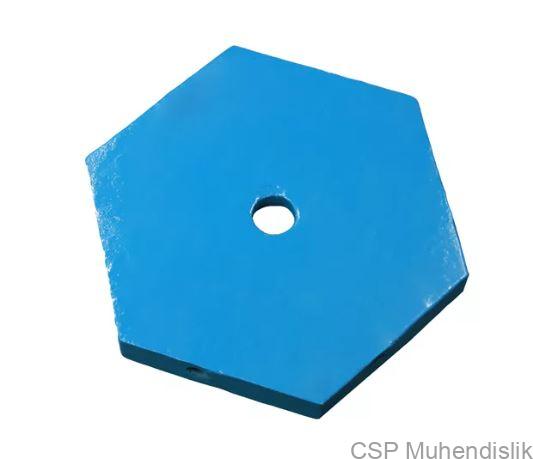
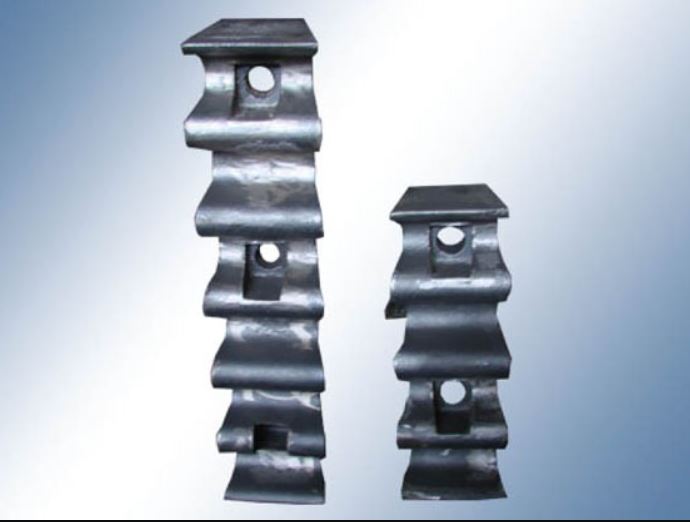
A crusher bar is a sturdy metal piece commonly found in various mining machines and equipment. Its primary function is to provide support and protection to other parts of the machine, especially during crushing and grinding processes. Crusher bars are fundamental components that help break down materials such as rock, ore, and minerals.
Types of Crusher Bars
1. Fixed Crusher Bars
Fixed crusher bars are stable components that provide stability and strength to mining equipment. These bars are permanently attached to the machine and are designed to withstand intense pressure and impact during operations.
2. Adjustable Crusher Bars
Adjustable crusher bars can be modified or repositioned according to the specific requirements of the operation, offering flexibility. This adaptability enhances efficiency and effectiveness in material processing workflows.
Materials Used in Crusher Bars
The materials used in manufacturing crusher bars are crucial for their durability and performance. Common materials include:
- High Carbon Steel: Known for its strength and wear resistance, high carbon steel is frequently preferred for heavy-duty applications.
- Alloy Steel: Alloy steels containing various elements to enhance specific properties are also popular for crusher bars.
- Cast Iron: Although less common, cast iron may be used in special cases where impact resistance is required.
The Importance of Crusher Bars in Mining Machines
Crusher bars play a vital role in various mining machines and provide the following benefits:
1. Extending Equipment Lifespan
High-quality crusher bars reduce wear and tear by protecting the more delicate parts of the machine, thereby extending the equipment’s lifespan.
2. Increasing Efficiency
Properly functioning crusher bars ensure smoother crushing and grinding operations, boosting material processing efficiency.
3. Ensuring Safety
By maintaining structural integrity, crusher bars prevent catastrophic failures that could pose safety risks to operators and other personnel on site.
Choosing the Right Crusher Bar for Your Equipment
Several factors should be considered when selecting the appropriate crusher bar:
- Compatibility: Ensure the crusher bar is compatible with your mining machine.
- Material Durability: Choose a crusher bar made from materials that can withstand the specific challenges of your mining operations.
- Operational Requirements: Evaluate your equipment’s load capacity and operational demands.
Maintenance Tips for Crusher Bars
Regular maintenance of crusher bars can significantly improve their performance and durability:
- Routine Inspections: Regularly check crusher bars for signs of wear and damage.
- Cleaning: Keep crusher bars clean and free from dirt to prevent operational issues.
- Prompt Replacement: Replace worn or damaged crusher bars immediately to avoid further damage to the machine.
The Future of Crusher Bars in Mining
As mining technology continues to evolve, the design and materials used for crusher bars will also advance. Innovations may lead to more durable and efficient components that better withstand the unique challenges of mining operations.
Conclusion
Crusher bars are indispensable components in mining machines. Their impact on efficiency, safety, and overall performance cannot be underestimated. When their importance and maintenance are well understood, operators can significantly improve mining operations.
Frequently Asked Questions About Crusher Bars
1. What is the primary function of a crusher bar?
The primary function of a crusher bar is to provide support and protection to other machine components, especially during crushing and grinding processes.
2. How do I know when my crusher bar needs to be replaced?
Signs such as wear, cracks, or excessive bending in the crusher bar indicate that replacement may be necessary.
3. Are there specific materials more suitable for crusher bars?
Yes, high carbon steel and alloy steel are commonly used due to their strength and resistance to wear.
4. How should I maintain my crusher bars?
Effective maintenance requires regular inspections, cleaning, and timely replacement of damaged parts.
LSI and NLP Keywords
Crusher bar specification, mining equipment, wear-resistant materials, high carbon steel, machine maintenance, crushing equipment, mining efficiency, mining safety, OEM spare parts, heavy-duty machines, hydraulic breakers, impact bars, mining operations, equipment lifespan, bar compatibility, machine performance, adjustable components.
Other Related Terms
Mining materials, spare parts distributors, machine upgrades, safety equipment, heavy machinery, repair services, coal mining machines, mineral processing equipment.
- Published in Uncategorized @tr
Comprehensive Guide to Flywheels in Mining Machinery and Spare Parts
Flywheels are critical components in the operation of mining machinery. They play an important role in the performance, efficiency, and longevity of various machines in the mining sector. This guide will explore different aspects of flywheels, their functions, the importance of spare parts, and answers to frequently asked questions.
1. What is a Flywheel?
A flywheel is a mechanical device that stores rotational energy. It is attached to motors and machines, balances power transmission, and ensures energy stability during operations. In mining machines, flywheels help maintain a steady operating speed and reduce vibrations.
2. Types of Flywheels Used in Mining Machinery
- Single Mass Flywheel: Typically used in smaller machines, provides basic energy storage.
- Dual Mass Flywheel: Designed for larger equipment, reduces noise and vibrations, enhancing operator comfort.
- Modular Flywheels: Versatile parts adaptable to various machine types, increasing flexibility.
3. Functions of Flywheels in Mining Machinery
Flywheels serve multiple purposes in mining applications:
- Energy Storage: Flywheels store kinetic energy, enabling efficient machine operation.
- Motion Smoothing: Provides steady movement to machines, reducing shocks and vibrations.
- Power Regulation: Controls motor power output to balance fluctuations.
- Durability Enhancer: A well-maintained flywheel contributes to the lifespan of mining equipment.
4. Importance of Flywheels in Mining Operations
Mining involves heavy machinery operating under high stress. Flywheels increase operational stability and reliability, which is critical to maintaining productivity. A faulty flywheel can increase wear and tear on other machine components, leading to costly downtime.
5. Flywheel Maintenance: Best Practices
To ensure long-lasting and efficient flywheels in mining machinery, consider the following maintenance tips:
- Regular Inspections: Check regularly for signs of wear or damage.
- Lubrication: Ensure proper lubrication of flywheel bearings to reduce friction.
- Alignment Checks: Misalignment can cause uneven wear; regular checks are essential.
- Replacement Schedule: Follow recommended replacement intervals based on usage and operating conditions.
6. Common Flywheel Issues and Solutions
Common problems encountered with flywheels in mining machines and their solutions include:
- Excessive Wear: Regular monitoring and timely replacement can mitigate this issue.
- Vibration Problems: Imbalance often causes vibrations; balancing the flywheels resolves this.
- Thermal Stress: Adequate cooling must be ensured, and bearings checked to prevent overheating.
7. Role of Flywheel Spare Parts in Mining Machinery
Flywheel spare parts are essential to keep mining machines operational. These parts include:
- Flywheel Housings: Protect the flywheel and its components from external damage.
- Bearings: Support flywheel movement and reduce friction.
- Mounting Hardware: Ensure proper installation and alignment of the flywheel.
- Adjustment Mechanisms: Allow fine-tuning of flywheel performance and alignment.
8. Innovations in Flywheels for Mining Machinery
Innovations in flywheel technology are driving the mining sector toward higher efficiency. New materials and designs enable the development of lighter, stronger, and more efficient flywheels. These advancements contribute to improving fuel efficiency and reducing emissions in mining operations.
9. Cost Evaluations: Investing in Flywheel Technology
Investing in high-quality flywheel technology can yield significant savings in downtime, maintenance, and fuel consumption. Although the initial investment may be higher, the long-term benefits include:
- Extended Lifespan: Quality flywheels can significantly prolong the life of mining equipment.
- Reduced Operational Costs: Efficient energy use lowers operational expenses.
- Enhanced Performance: Reliable flywheel performance improves overall machine efficiency.
10. Frequently Asked Questions (FAQ)
What is the primary function of a flywheel in mining machines?
The primary function of a flywheel in mining machines is to store energy, ensure smooth operation, reduce vibrations, and increase efficiency.
How often should flywheels be checked for wear?
Flywheels should be inspected at regular intervals, typically every few hundred hours of use, depending on manufacturer recommendations and operating conditions.
Does a worn flywheel affect the overall performance of mining machines?
Yes, a worn flywheel impairs energy transmission, increases vibrations, and places unnecessary stress on other components, negatively impacting overall performance.
What are common signs of a failing flywheel?
Common signs include unusual vibrations, noises during operation, performance drops, and visible wear or damage.
How can I choose the right flywheel for my mining machines?
Selecting the right flywheel requires considering machine specifications, type of operation, and manufacturing quality. Consulting experts can help make the correct decision.
11. LSI and NLP Keywords Related to Flywheels
Relevant keywords include:
- Flywheel mechanics
- Mining machine components
- Energy storage systems
- Mechanical flywheel systems
- Mining equipment maintenance
- Vibration damping mechanisms
- Flywheel design innovations
- Mining equipment spare parts
- Heavy-duty flywheels
- Electric flywheels
12. Conclusion
In summary, flywheels are indispensable for the operational efficiency of mining machinery. Understanding their functions, maintenance needs, and the importance of spare parts has a significant impact on productivity and equipment lifespan. As the industry evolves, innovations in flywheel technology will continue to play a key role in enhancing performance and efficiency in mining operations.
- Published in Uncategorized @tr
Comprehensive Guide to Final Frames in Mining Machines and Spare Parts
Mining machines are a critical part of the mining industry, and understanding the components that contribute to their efficiency is very important. One of the key components is the ‘final frame.’ In this article, we will examine everything about final frames, their importance in mining machines, and the spare parts associated with them.
What is a Final Frame?
The final frame is a critical component in various mining machines. It serves as a supportive structure that houses and secures machine parts, thereby providing stability and durability.
The Importance of Final Frames in Mining Machines
Final frames are vital for the performance of mining machines. They not only support the weight of the machine but also absorb vibrations and shocks originating from the working environment.
The Role of Final Frames in Structural Integrity
Final frames significantly contribute to the structural integrity of mining equipment and help prevent mechanical failures.
Types of Final Frames Used in Mining Machines
Final frames come in various shapes and sizes designed for different types of machines:
- Flat Final Frames – Commonly used in basic machines.
- Curved Final Frames – Ideal for machines requiring a more aerodynamic design.
- Reinforced Final Frames – Used in heavy-duty machines to increase durability.
Materials Used in Final Frames
Material selection significantly affects the performance and lifespan of final frames:
- Steel – The most common material, preferred for its durability.
- Aluminum – Lightweight and corrosion-resistant.
- Composite Materials – Used in special applications requiring lower weight and high durability.
Considerations in Final Frame Design
Several factors should be considered when designing a final frame for optimal performance:
- Load Bearing Capacity – Must support the weight of the machine and materials.
- Vibration and Shock Absorption – Necessary to maintain machine integrity.
- Corrosion Resistance – Important for machines operating in harsh environments.
Common Problems in Final Frames
Final frames can experience various issues that may affect machine performance:
- Wear and Tear – Regular exposure to heavy loads can lead to deterioration.
- Corrosion – Especially in humid or abrasive environments, requiring regular maintenance.
- Alignment Issues – Can occur due to improper installation or excessive vibration.
Final Frame Maintenance Tips
Regular maintenance is critical for the longevity of final frames:
- Routine Inspections – Check for signs of wear and corrosion.
- Lubrication – Proper lubrication of moving parts reduces friction.
- Spare Part Replacement Planning – Monitor conditions to anticipate part replacements.
Final Frame Spare Parts and Compatibility
Understanding spare parts for final frames is necessary for effective maintenance:
- Bolts and Fasteners – Ensure secure and stable connections.
- Gaskets and Seals – Important to prevent leaks in hydraulic systems.
- Reinforcement Brackets – Provide additional durability for heavy load applications.
Choosing the Right Final Frame Supplier
When selecting a supplier for final frames and spare parts, consider the following:
- Industry Experience – A supplier experienced in mining machines is ideal.
- Quality Assurance – Ensure products meet industry standards.
- Customer Support – Provide fast and effective support for post-sale issues.
Frequently Asked Questions About Final Frames
What is the primary function of the final frame?
The primary function of the final frame is to support the structure of mining machines and secure various components.
How often should final frames be inspected?
Final frames should ideally be inspected regularly every few months to detect potential issues early.
What materials are final frames made of?
Common materials for final frames include steel, aluminum, and composite materials; each offers different advantages.
Can final frames be repaired or do they need to be replaced?
Depending on the degree of wear and damage, final frames are usually repairable; however, severe damage may require replacement.
Where can I find spare parts for final frames?
Spare parts for final frames are generally available from mining machine suppliers or specialized spare parts manufacturers.
LSI and NLP Keywords Related to Final Frames
- Mining equipment
- Heavy machinery components
- Structural supports
- Machine part supply
- Final frame replacement
- Mining industry maintenance
- Custom final frames
- Final frame engineering
- Durability in mining
- Frame design
- Load distribution
- Final frame durability
- Mining machine upgrades
- Final frame modifications
- Efficient mining operations
Conclusion
Understanding the importance of final frames in mining machines is essential to optimize performance and ensure long-term reliability. Regular maintenance, careful material selection, and choosing the right suppliers will ensure your mining operations run efficiently and smoothly. By using this guide, you can make informed decisions about the final frames of your mining machines.
- Published in Uncategorized @tr
Pitman Comprehensive Guide in Mining Machines and Spare Parts
Pitman: Introduction to Mining Machines and Spare Parts
Pitman plays a vital role as a crucial component that ensures efficient operation in mining machines. This guide offers an in-depth look at the concept of Pitman in the context of mining machines and spare parts.
What is Pitman?
Pitman is a mechanical component used in various mining machines, especially crushers, that connects the crankshaft to the jaw. It is designed to convert rotary motion into linear motion.
Types of Pitman in Mining Machines
-
Fixed Pitman
Fixed Pitmans are designed to provide stability in crushing machines and support various components.
-
Moving Pitman
This type of Pitman provides the back-and-forth motion required for the crushing process.
-
Adjustable Pitman
Adjustable Pitmans allow operators to change the machine’s settings for better efficiency and performance.
The Importance of Pitman in Mining Machines
The functionality of the Pitman is critical for the overall operation of mining machines. It affects the equipment’s crushing capacity, efficiency, and durability.
Materials Used in Pitman Production
High-quality materials such as steel, cast iron, and alloy metals are commonly used to ensure Pitman components resist wear and tear.
Wear and Tear: Understanding Pitman Lifespan
Understanding the lifespan of a Pitman helps in planning maintenance schedules and preventing unplanned downtime in mining operations.
Common Pitman Issues and Solutions
-
Cracking and Breaking
Regular inspections and the use of quality materials can help reduce this issue.
-
Alignment Problems
Alignment issues can increase wear. Proper assembly and regular checks are essential.
Pitman Replacement and Maintenance
Timely replacement and proper maintenance of the Pitman ensure the long lifespan of mining machines. Regular lubrication and inspections are recommended.
Finding Quality Pitman Spare Parts
When searching for spare Pitman parts, make sure to source them from reliable manufacturers to guarantee quality and compatibility.
Pitman in the Mining Industry: Trends and Innovations
As the mining sector evolves, technologies related to Pitman and other machine components also advance. Innovations are producing more efficient and durable spare parts.
Frequently Asked Questions About Pitman in Mining Machines
- What is the function of Pitman in mining crushers?
- Pitman provides the necessary crushing motion in mining operations by connecting the rotating shaft to the moving jaws.
- How often should I check my Pitman?
- Regular inspections are recommended every few months or depending on usage intensity to check for wear and potential damage.
- Can I replace the Pitman myself?
- While Pitman replacement is possible, it is advised to consult an expert if you are not familiar with the machine.
- What materials are Pitman parts made from?
- High-strength steel and alloy metals designed to withstand the stresses of crushing processes are commonly used.
- What are the signs of a faulty Pitman?
- Unusual noises, vibrations, or decreased crushing performance indicate that the Pitman needs inspection or replacement.
LSI and NLP Keywords Related to Pitman
- Mining machines
- Spare parts
- Jaw crusher
- Crushing equipment
- Mechanical components
- Crankshaft
- Linear motion
- Fixed and moving Pitman
- Pitman arm
- Pitman assembly
- Pitman wear
- Pitman maintenance
- Pitman replacement
- Casting and forging
- Mining operations
- Machine efficiency
Other Related Terms
- Crawler excavators
- Underground mining equipment
- Loaders and haul trucks
- Mechanical engineering
- Heavy machinery parts
- Mining safety
Conclusion
In conclusion, Pitman is an indispensable element of mining machines and their spare parts. Understanding its function, types, materials, and maintenance is crucial for effective mining operations. By focusing on quality and regular maintenance, operators can ensure their machines achieve optimal performance and long service life.
- Published in Uncategorized @tr
The Importance of Rotors in Mining Machines and Spare Parts
Mining machines play a vital role in the extraction and processing of minerals and ores. One of the critical components that ensure the efficiency and success of mining operations stands out as rotors. This article provides an in-depth look at the importance, functions, types of rotors, and their effects on the performance and maintenance of mining machines.
What is a Rotor in Mining Machines?
A rotor is a rotating component that converts the energy received from a machine’s motor into mechanical energy, which is then used to operate other components. In mining machines, rotors are integrated into various equipment such as crushers, mills, and drilling machines, enabling effective processing of materials.
Types of Rotors Used in Mining Machines
1. Crusher Rotors
Crusher rotors are designed to break large rocks into smaller, manageable sizes. They play a vital role in the efficiency of crushers and are critical for crushing and fragmentation processes.
2. Mill Rotors
Mill rotors are necessary for grinding materials; they transform large substances into the fine powders required for ore processing. Different mills use rotors of various shapes and sizes to achieve optimal performance.
3. Drilling Rotors
In drilling equipment, rotors provide the necessary rotational movement to penetrate the ground. They are designed to withstand harsh conditions and help achieve precise drilling results.
Functions of Rotors in Mining Machines
Rotors perform several functions in mining machines:
- Energy Conversion: Rotors convert electrical energy into mechanical energy, enabling machines to perform various functions.
- Reduction of Particle Size: Within crushers, rotors reduce the size of material pieces, facilitating subsequent processing steps.
- Material Mixing: In mills, rotors ensure homogeneous mixing of materials, creating uniformity in processing.
- Ground Penetration: In drilling, rotors provide the force needed to penetrate hard ground conditions.
The Importance of Rotor Maintenance in Mining Machines
Proper maintenance of rotors is essential to guarantee the lifespan and efficiency of mining machines. Regular inspections help detect wear and tear, allow timely replacement of parts, and minimize operational downtime.
Signs of Rotor Wear
Detecting signs of rotor wear can prevent major failures. Common indicators include abnormal vibrations, decreased efficiency, and unusual noises during operation.
Selecting the Right Rotor Spare Parts for Mining Machines
When selecting rotor spare parts, material quality, durability, and compatibility with existing equipment should be considered. High-quality rotors provide performance improvements and reduce maintenance costs.
Popular Rotor Manufacturers for Mining Machines
Many reputable manufacturers specialize in producing rotors for mining machines. Researching and choosing the right manufacturer ensures acquiring durable and effective rotors.
Future Trends in Rotor Technology for Mining Machines
The mining sector is evolving, and rotor technology is keeping pace with this development. Innovations such as advanced materials, lighter designs, and smart rotors equipped with sensors promise to improve mining operations.
Frequently Asked Questions
What materials are rotors made of?
Rotors are typically made from high-strength steel, composite materials, or other durable alloys designed to withstand harsh mining conditions.
How often should rotors be inspected?
It is recommended that rotors be inspected regularly, usually every few months or as part of routine machine maintenance.
Can rotors be repaired or should they be replaced?
Depending on the extent of the damage, some rotors can be repaired, while others should be completely replaced for optimal performance.
What are the signs of a faulty rotor?
Signs of a faulty rotor include vibrations, unusual noises, decreased efficiency, and failure to perform its function.
Conclusion
In summary, rotors are fundamental components of mining machines. Understanding their roles and importance leads to better maintenance practices and improved operational efficiency. By selecting the right rotor spare parts and keeping up with technological advancements, mining operations can maximize productivity and minimize costs.
LSI and NLP Keywords
Mining equipment, rotor performance, rotor design, crusher parts, mill components, drilling equipment, spare parts, machine efficiency, rotor maintenance, wear and tear, rotor technology, mining industry trends, rotor types, energy conversion, high-strength alloys, mining operations, equipment manufacturers, rotor repair, mining machine efficiency, rotor durability.
- Published in Uncategorized @tr
Comprehensive Guide to Conveyor Belts in Mining Machinery and Spare Parts
Conveyor belts play a critical role in the mining sector by enabling efficient transportation of materials. From raw ore to processed minerals, understanding the applications, types, and maintenance of conveyor belts is essential for every mining operation.
1. What is a Conveyor Belt?
A conveyor belt is a fundamental component of mining machinery designed to transport bulk materials over various distances. Typically made from durable materials such as rubber, fabric, or steel, these belts are engineered to carry heavy loads, providing continuous movement and reduced operating costs.
2. Types of Conveyor Belts
2.1. PVC Conveyor Belts
PVC (Polyvinyl Chloride) conveyor belts are widely used due to their versatility and cost-effectiveness. They are ideal for lighter materials and resistant to corrosion and abrasion.
2.2. Rubber Conveyor Belts
Rubber conveyor belts are known for their durability and strength, making them suitable for heavy-duty mining applications. Their non-slip surfaces help transport materials on various inclines.
2.3. Steel Cord Conveyor Belts
These belts contain steel cables embedded within the rubber, providing enhanced durability and load-carrying capacity ideal for transporting materials over long distances.
2.4. Modular Conveyor Belts
Modular conveyor belts are made of plastic segments that can be configured for any application. They are easily repairable and offer flexibility in conveyor system design.
3. Conveyor Belt Applications in Mining
Conveyor belts are used in various stages of the mining process:
- Material Handling: Used to transport ore, coal, and other materials from extraction points to processing plants.
- Transportation: Conveyor systems connect different processing units to move materials over long distances.
- Stockpiling: Conveyor belts feed stockpiles that enable efficient bulk storage of materials.
4. Components of a Conveyor Belt System
A conveyor belt system consists of several key components, including:
- Belts: The primary surface for material transport.
- Bearings: Support the belt and reduce friction during movement.
- Drive Mechanism: Includes motors and gearboxes that power the conveyor.
- Tension Units: Maintain belt tension and adjust its length.
- Chassis: The structural frame supporting the entire system.
5. Important Factors in Conveyor Belt Selection
When selecting a conveyor belt for mining machinery, consider the following:
- Load Capacity: The amount of material the belt can carry.
- Belt Width: Width determines the volume of material transported.
- Material Composition: The belt’s material affects durability and wear resistance.
- Speed: Operating speed of the belt can impact efficiency.
6. Maintenance of Conveyor Belts
Proper maintenance is crucial to ensure the reliability of conveyor belts. Here are some critical maintenance practices:
- Regular Inspections: Wear and tear should be checked frequently.
- Lubrication: Bearings and components need proper lubrication to prevent friction.
- Correct Tension: Optimal tension must be maintained to prevent slipping.
- Cleaning: The belt should be cleared of debris and dirt.
7. Conveyor Belt Troubleshooting
If issues arise, common conveyor belt problems may include:
- Alignment Issues: Causes uneven wear and potential damage.
- Slippage: Often related to incorrect tension or worn components.
- Material Leakage: Results from improper loading or damaged belts.
8. Spare Parts for Conveyor Belts
Having a stock of spare parts is important for efficient operation, including:
- Belts: Keeping spare belts minimizes downtime.
- Bearings: Regular replacement of worn bearings prevents failures.
- Drive Components: Spare motors and gearboxes enable quick repairs.
9. Future Trends in Conveyor Technology
As the mining industry continues to evolve, conveyor systems are also advancing. Future trends include:
- Automation: Advanced control systems for increased efficiency.
- Smart Conveyors: Internet of Things (IoT) integration for real-time monitoring and maintenance.
- Eco-Friendly Materials: Development of sustainable conveyor belts.
10. Frequently Asked Questions (FAQ)
10.1. What is the average lifespan of a conveyor belt in mining?
Depending on usage, a conveyor belt typically lasts between 5-10 years with proper maintenance.
10.2. How do I know when to replace the conveyor belt?
Signs such as cracks, worn edges, or significant material leakage indicate it’s time for a belt replacement.
10.3. Can conveyor belts be repaired?
Yes, minor damages can usually be repaired, but extensive damage often requires replacement.
10.4. What materials are used in conveyor belt construction?
Common materials include rubber, fabric, steel cords, and plastic.
10.5. Are there industry standards for conveyor belts?
Yes, conveyor belts should comply with industry standards like ISO and ASTM for safety and efficiency.
11. Conclusion
Understanding conveyor belts is vital for the efficient operation of mining machinery. By selecting the right belt type, performing regular maintenance, and keeping up with evolving technologies, mining operations can optimize productivity and reduce costs.
As the mining sector progresses, operators must enhance conveyor systems to adapt to changing demands and technologies.
- Published in Uncategorized @tr
Comprehensive Guide for Mining Machines: The Role of Bearing Components and Spare Parts
Introduction to Mining Machines
Mining machines play a critical role in extracting valuable minerals and ores from the earth’s crust. One of the most important components of mining machines is bearings. This article provides an in-depth look at the importance of bearings in mining machines, their spare parts, and the various types available in the market.
Understanding Bearings in Mining Machines
What Are Bearings?
Bearings are fundamental components used in various mining equipment such as conveyor systems, excavators, and transport systems. They ensure the smooth operation of machines and help reduce wear on other parts.
Types of Bearings Used in Mining Machines
- Idler Rollers: Used to support and guide conveyor belts.
- Carrier Rollers: Designed to carry the weight of the load on conveyors.
- Return Rollers: Help the belt return to its original position.
- Main Rollers: Provide support and movement for heavy machinery.
The Importance of High-Quality Bearings in Mining Operations
High-quality bearings are vital to ensure the efficiency and longevity of mining equipment. Low-quality bearings can lead to frequent breakdowns, additional maintenance costs, and reduced overall productivity.
Mining Machines and Bearing Spare Parts
The Importance of Bearing Spare Parts
Bearing spare parts are essential to maintain the smooth operation of mining machines. They help replace worn components and ensure operations continue without significant interruptions.
Common Bearing Spare Parts Available in the Market
- Ball Bearings
- Shafts
- Seals
- Spacers
- Assembly Hardware
How to Choose the Right Bearings for Mining Machines?
Factors to Consider
- Load Capacity
- Material Durability
- Environmental Conditions
- Compatibility with Existing Equipment
Recommended Suppliers for Mining Machine Bearings
When searching for high-quality bearings for mining machines, it is advisable to purchase from reputable suppliers known for their robust products and after-sales support.
Technological Advances in Bearing Manufacturing
Recent technological advancements have enabled the development of highly durable and efficient bearings. New materials and manufacturing processes have enhanced the performance and lifespan of bearings used in harsh mining environments.
Maintenance Tips for Bearings in Mining Machines
Regular Inspection
Regular inspection of bearings is crucial for early detection of wear and damage signs. Ensuring they operate correctly can prevent costly downtime and repairs.
Cleaning and Lubrication
Proper cleaning and lubrication schedules should be implemented to extend the life of bearings. This prevents the buildup of dirt that can hinder performance.
Future Trends in Mining Machines and Bearings
The future of mining machines will see more innovations in bearing technology, including automated systems that monitor wear and tear in real-time. This will lead to smarter maintenance practices.
Frequently Asked Questions About Bearings in Mining Machines
1. What are common problems with bearings in mining machines?
Common problems include wear, misalignment, and bearing failure. Regular maintenance can help reduce these issues.
2. How often should bearing spare parts be replaced?
The replacement frequency depends on usage and conditions, but regular inspections help determine when parts need changing.
3. Can a damaged bearing be repaired?
Depending on the extent of the damage, some bearings can be repaired. However, replacing severely worn bearings is usually more cost-effective.
4. Why is it important to use high-quality bearings in mining machines?
High-quality bearings reduce downtime and maintenance costs while increasing the overall efficiency of mining operations.
5. Where can I find spare bearings for my mining machines?
Spare bearings can be obtained from specialized suppliers of mining machine parts, manufacturers, or authorized dealers.
Conclusion
Bearings are indispensable components of mining machines, and understanding their importance, types, and maintenance is critical for successful mining operations. Investing in high-quality bearings and spare parts ensures optimal performance, reduces costs, and enhances productivity in the mining industry.
LSI and NLP Keywords Related to Bearings
- Conveyor Bearings
- Mining Equipment
- Heavy Machinery
- Mining Operations
- Bearing Spare Parts
- Bearing Balls
- Mining Component Suppliers
- Machine Maintenance
- Durable Bearings
- Bearing Performance
- Mining Machine Efficiency
- Bearing Design Innovations
- Material Handling in Mining
- Sustainable Mining Practices
- Bearing Replacement Strategies
- Mining Industry Standards
- Heavy Load Bearings
- Bearing Manufacturing
- Hydraulic Bearings
- Modular Bearings
- Published in Uncategorized @tr
Understanding Drum Technology in Mining Machines: A Comprehensive Guide
The mining industry heavily relies on advanced machinery that enhances efficiency and safety. Drums, one of the critical components of mining machines, play a vital role in various operations. In this comprehensive article, we will take an in-depth look at the importance, types, maintenance, spare parts, and cutting-edge technological developments shaping the future of drums in mining machines.
1. What is a Drum in Mining Machines?
In mining machines, a drum generally refers to a cylindrical component necessary for various processes such as drilling, conveying, crushing, and material handling. It is designed to withstand extreme conditions and manufactured to perform optimally in harsh mining environments.
2. Types of Drums Used in Mining Machines
2.1. Pulley Drums
Pulley drums are commonly used in continuously operating miners and can significantly facilitate the material excavation process.
2.2. Drum Cutters
Drum cutters are equipped with sharp and durable cutting tools and are used for cutting hard materials such as rock and concrete.
2.3. Rope Drums
These drums are designed to house ropes used for vertically lifting heavy loads in mining operations and are critical in hoisting processes.
3. Importance of Drums in Mining Operations
Drums play a fundamental role in enhancing the performance and efficiency of mining machines. Their durability contributes to reduced downtime and increased operational efficiency.
4. Manufacturing Processes of Mining Drums
4.1. Material Selection
The right materials form the foundation for producing drums that can withstand the demanding requirements of mining environments.
4.2. Engineering Design
Innovative engineering designs are essential to optimize the functionality of drums in mining machines.
4.3. Quality Control
Quality control processes ensure that each drum complies with industry standards and regulations.
5. Drum Maintenance in Mining Machines
5.1. Regular Inspections
Frequent inspections can detect wear and tear early, preventing unexpected machine failures.
5.2. Cleaning Procedures
Keeping drums clean helps increase their efficiency and lifespan, contributing to reduced operational costs.
5.3. Lubrication Techniques
Proper lubrication is critical to prevent friction and wear during drum operation.
6. Drum Spare Parts in Mining Machines
6.1. Types of Spare Parts
Common drum spare parts include bearings, seals, and gears; these are necessary to maintain the performance of mining equipment.
6.2. Procuring Quality Spare Parts
Finding reliable suppliers for quality spare parts is important for the uninterrupted operation of mining machines.
7. Innovations in Drum Technology
7.1. Advanced Materials
The use of advanced composites and alloys increases the durability and strength of mining drums.
7.2. Smart Drum Technology
The integration of IoT technology enables real-time monitoring of drum performance, offering predictive maintenance capabilities.
7.3. Environmental Considerations
Innovations also focus on reducing the environmental impact of drum production and operation.
8. Frequently Asked Questions (FAQ)
8.1. What is the function of the drum in mining machines?
The drum in mining machines performs various tasks such as drilling, conveying, and crushing, thereby increasing operational efficiency.
8.2. How often should mining drums be inspected?
Mining drums should be inspected regularly, typically at least once a month or more frequently depending on usage and conditions.
8.3. What materials are mining drums made from?
Mining drums are generally made from high-strength materials such as steel and advanced alloys, designed to withstand extreme conditions.
8.4. Where can I purchase drum spare parts?
Drum spare parts can be obtained from specialized machinery suppliers or manufacturers focused on mining equipment.
8.5. What are the signs of wear on mining drums?
Signs of wear on drums include cracks, deformation, unusual noises during operation, and reduced performance.
9. Conclusion
Drums are fundamental components that significantly impact the productivity and safety of mining machines. Understanding their types, maintenance, and innovations provides great benefits for professionals in the mining sector. Investing in quality drums and spare parts and performing regular maintenance are critical for optimal performance.
- Published in Uncategorized @tr
A Basic Guide to Mantle and Bowl Liner in Mining Machines
In the world of mining machines, especially in the field of crushing equipment, the terms “mantle” and “bowl liner” are critical components that deserve detailed examination. Mining machines and spare parts play a vital role in the efficiency and productivity of mining operations. This article deeply covers the importance, functions, maintenance, and more of the mantle and bowl liner.
Understanding Mantle and Bowl Liner
Mantle and bowl liner are fundamental wear components in cone crushers, a type of crushing equipment commonly used in mining operations. These parts work together to crush rock and ore materials.
What is a Mantle?
The mantle is a densely curved, cone-shaped component that sits at the base of the cone crusher. It performs the primary crushing operation.
What is a Bowl Liner?
The bowl liner is located above the cone and holds the mantle in place while also protecting the main frame of the crusher.
The Importance of Mantle and Bowl Liner
Understanding the importance of the mantle and bowl liner in mining machines is critical to maintaining equipment efficiency. These parts enable the reduction of material size through compression.
Materials Used for Mantle and Bowl Liner
Modern mantle and bowl liner components are typically made from high-quality manganese steel, offering excellent durability and wear resistance.
Replacing Mantle and Bowl Liner
Due to wear encountered during crushing processes, replacing the mantle and bowl liner is a common practice. Understanding the replacement schedule is key to maintaining operational efficiency.
How to Choose the Right Mantle and Bowl Liner?
Choosing the right mantle and bowl liner can significantly affect the performance of mining machines. Important considerations include:
- Material composition
- Compatibility with the existing machine
- Desired crushing characteristics
Common Issues Related to Mantle and Bowl Liner
Common problems related to mantle and bowl liner components may include:
- Premature failure due to excessive wear
- Classification issues leading to misalignment
- Damage caused by incorrect installation
Maintenance Tips for Mantle and Bowl Liner
Proactive maintenance of the mantle and bowl liner is critical for optimal performance. Some tips include:
- Regular inspections for signs of wear
- Maintaining proper tension and alignment
- Using high-quality spare parts for replacements
Frequently Asked Questions About Mantle and Bowl Liner
What materials are mantle and bowl liner made of?
Mantle and bowl liner are generally made of high manganese steel, providing excellent wear resistance and durability.
How often should mantle and bowl liner be replaced?
Replacement frequency depends on crushing volume and material types, but as a general guideline, they should be inspected every 500 operating hours.
Does a worn mantle and bowl liner affect crusher performance?
Yes, worn mantle and bowl liner can lead to decreased efficiency, reduced product quality, and higher energy consumption.
How do I know when mantle and bowl liner need to be replaced?
Signs of wear, alignment problems, and decreased crushing performance indicate that the mantle and bowl liner need replacement.
Where can spare mantle and bowl liner be found?
Spare parts can be obtained from equipment manufacturers, authorized dealers, or aftermarket suppliers specializing in mining machinery.
Conclusion
The mantle and bowl liner are indispensable for the functionality of cone crushers in mining machines. Understanding their roles and maintaining them can enhance the efficiency and productivity of mining operations.
Additional Keywords and Phrases
Mining Machines, Crushing Equipment, Mining Spare Parts, Cone Crusher Components, Manganese Steel, Crushing Operations, Crusher Maintenance, Equipment Performance, Wear Parts, Mining Industry, Industrial Equipment, Machine Efficiency, Crusher Parts, Machine Alignment, Component Replacement, Crusher Performance.
- Published in Uncategorized @tr
The Ultimate Guide to Jaw Plates in Mining Machines and Spare Parts
Introduction to Jaw Plates in Mining Machines
Jaw plates play a critical role in the operation of various mining machines, especially crushers. These components facilitate the mining process by breaking larger rocks into more manageable sizes. In this comprehensive guide, we will explore jaw plates in depth—from their functions and types to maintenance tips and frequently asked questions.
What is a Jaw Plate?
A jaw plate is a fundamental component of jaw crushers, a mining machine used to reduce the size of aggregates and ores. Typically made from high manganese steel, jaw plates are designed to withstand heavy impact and abrasion while crushing materials.
Types of Jaw Plates
Fixed Jaw Plates
Fixed jaw plates are stationary components that provide the initial surface for material crushing. They are located at the top of the crushing chamber and work together with the movable jaw plate.
Movable Jaw Plates
Movable jaw plates are attached to the movable jaw. They move back and forth to crush materials against the fixed jaw plate. This movement enables size reduction and efficient material processing.
Materials Used in Jaw Plates
Jaw plates are commonly made from the following materials:
- High Manganese Steel
- Low Alloy Steel
- Cast Alloys
- High Carbon Steel
The Role of Jaw Plates in Mining Machines
The primary function of jaw plates is to crush and break materials using compressive force. The design and material composition of jaw plates significantly affect their performance, durability, and overall efficiency in mining operations.
Choosing the Right Jaw Plate
Consider the Type of Material Being Crushed
Different materials require different jaw plate designs and compositions. For example, hard and abrasive materials demand heavy-duty plates.
Evaluate Abrasiveness
The abrasiveness level of the materials to be crushed can impact the lifespan of jaw plates. Hard, abrasive materials may cause faster wear and require more frequent replacement.
Jaw Plate Maintenance Tips
Maintaining jaw plates is essential to ensure optimal performance. Here are some tips:
- Regular Inspection: Continuously check for wear and damage.
- Proper Lubrication: Ensure all moving parts are well lubricated.
- Timely Replacement: Replace worn jaw plates to prevent further damage.
The Impact of Jaw Plates on Efficiency
Efficient crushing can significantly influence overall mining productivity. The design and condition of jaw plates directly affect how effectively the machine crushes materials.
Common Jaw Plate Issues
Some common problems that may arise with jaw plates include:
- Excessive Wear: Can lead to lower efficiency and higher operating costs.
- Cracks and Breakages: Often caused by incorrect settings or materials exceeding the crusher’s capacity.
Purchasing Jaw Plates for Mining Machines
When sourcing jaw plates, consider buying from reliable manufacturers. Prefer suppliers who offer quality certification, warranties, and after-sales support.
Jaw Plate Prices and Cost Factors
The cost of jaw plates can vary significantly depending on factors such as material, manufacturing processes, and supplier reputation. Generally, high-quality plates are more expensive but provide a cost-effective solution over time due to their durability.
Frequently Asked Questions About Jaw Plates
What materials are jaw plates made of?
Jaw plates are primarily made from high manganese steel and other alloy materials designed for durability and wear resistance.
How often should jaw plates be replaced?
Replacement frequency depends on usage, material hardness, and operating conditions, but regular inspections are crucial to determine wear.
Can I use jaw plates from different brands?
While it is possible to use different brands, selecting jaw plates compatible with your machine’s make and model is best for optimal performance.
What are the signs that jaw plates need replacement?
Signs include excessive wear, cracks, or irregular crushing results. Regularly inspect for visible damage.
Are aftermarket jaw plates as good as original parts?
The quality of aftermarket jaw plates can vary, so researching suppliers and checking material specifications and warranties is important.
Conclusion
Jaw plates are vital components that significantly impact efficiency and productivity in mining machines. Understanding their functions, types, materials, maintenance, and procurement processes can help miners optimize operations and reduce costs. Prioritizing quality and proper maintenance maximizes jaw plate lifespan while improving mining outcomes.
- Published in Uncategorized @tr