
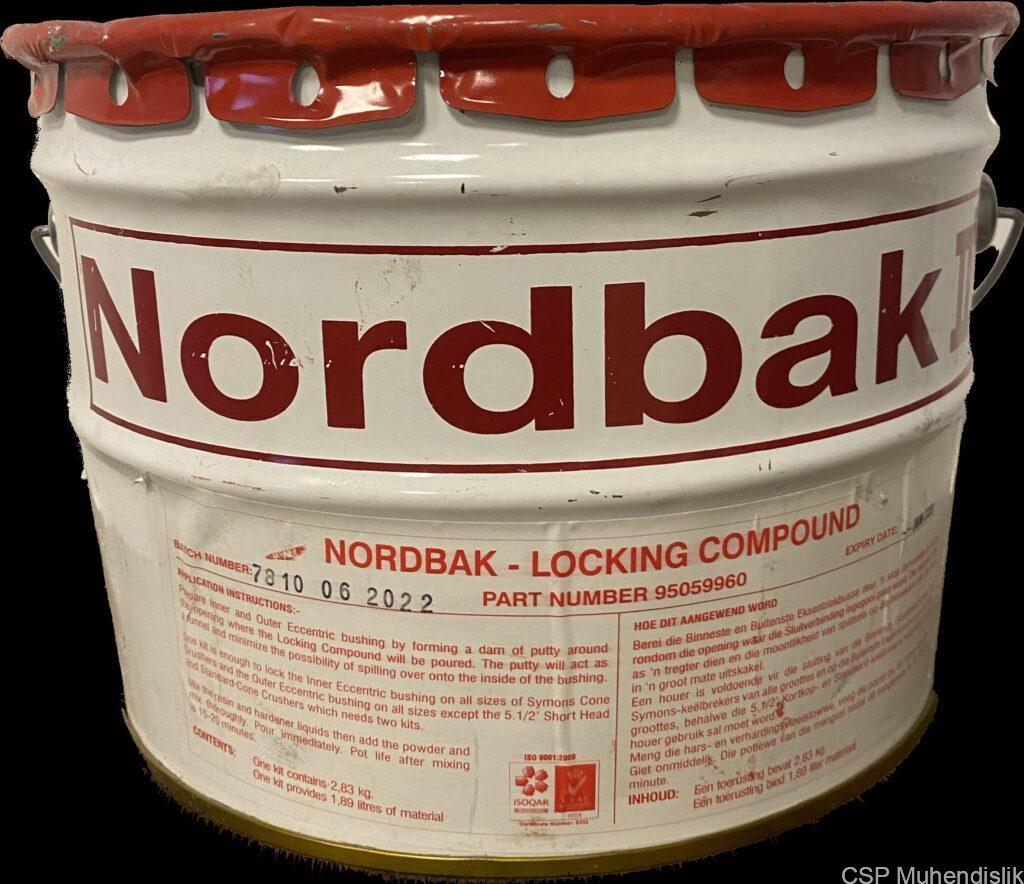
Corrosion-Resistant Locking Compound: A Critical Solution for Mining Machinery
A corrosion-resistant locking compound is an important component in the mining industry, especially in the production of mining machinery spare parts. In this article, we will take a detailed look at locking compound, covering the effects of corrosion, the function of locking compound, and its importance for mining equipment.
What Is Corrosion?
Corrosion is the process of deterioration of metals and metal components under environmental influences. In mining applications, the use of machinery under varying conditions creates a constant risk of corrosion. Corrosion shortens equipment life and increases maintenance costs.
Effects of Corrosion on Mining Machinery
- Reduced Service Life: Corrosion significantly shortens the lifespan of machinery.
- Maintenance Costs: Repairs to corroded parts may make spare part replacement necessary.
- Performance Loss: Corrosion negatively affects machine performance.
- Safety Risks: Corroded machinery can create serious safety hazards.
What Is Locking Compound?
Locking compound is a special compound that protects fasteners and makes them resistant to external influences. It is mainly used to protect bolts, nuts, and other fastening elements against corrosion.
The Importance of Corrosion-Resistant Locking Compound
Corrosion-resistant locking compound is a critical component for mining machinery. Its benefits include securely bonding fastening elements together and preventing wear and corrosion. These types of compounds reduce maintenance frequency and help lower costs.
Applications of Locking Compound
Although locking compound is used in many industries, it is especially important in mining. Mining equipment operates under intense and harsh conditions, which makes this type of protection necessary.
Areas of Application for Locking Compound:
- Bolts and Nuts
- Pump and Motor Connections
- Safety Components
- Silos and Tanks
Benefits of Locking Compound
Some of the benefits of using locking compound include:
- Corrosion Protection: Increases the corrosion resistance of metal parts.
- Bonding Strength: Provides a strong bond between fastening elements.
- Ease of Application: The locking compound is easy and practical to apply.
- Wear Resistance: Extends machinery life by reducing wear.
Instructions for Using Corrosion-Resistant Locking Compound
For effective use of locking compound, the following instructions should be followed:
- Surface preparation: Make sure the surfaces to be used are free of dirt, oil, and rust.
- Apply the correct amount: Apply an appropriate amount of locking compound to the fastening element.
- Tighten the fasteners: After application, the fastening elements should be tightened securely.
FAQ (Frequently Asked Questions)
What is corrosion-resistant locking compound used for?
Corrosion-resistant locking compound protects metal parts and prevents corrosion and wear, thereby extending machinery life.
Where is it used?
It is used in mining machinery, bolts, nuts, and other fastening elements, as well as in pump and motor connections.
How is locking compound applied?
Before application, the surfaces must be cleaned, then an appropriate amount of locking compound should be applied, and finally the fastening elements must be tightened securely.
Conclusion
Corrosion-resistant locking compound is an indispensable component for mining machinery. Using this special compound is extremely important for extending machinery life, reducing maintenance costs, and improving safety. Under the harsh conditions of the mining industry, locking compound provides protection against corrosion—an ever-present enemy in tanks, silos, and fastening elements.

