
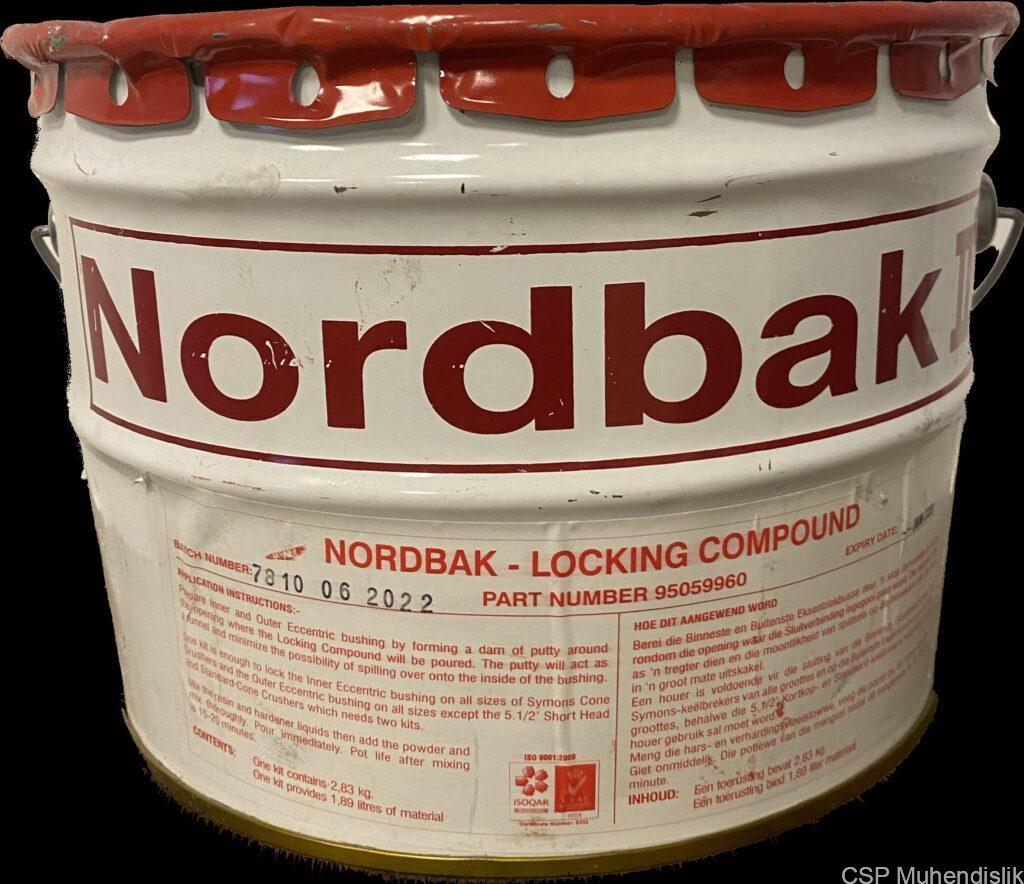
Heat-Resistant Threadlocking Compounds: Essential Guide for Mining Machinery and Spare Parts
In the harsh environment of mining operations, machinery and components are exposed to extreme conditions such as high temperatures, vibration, and heavy loads. The reliability and long service life of mining machinery spare parts are critical for operational efficiency and safety. One of the most important solutions for improving the performance and durability of these components is the use of a heat-resistant threadlocking compound. This article examines the importance, types, applications, and benefits of heat-resistant threadlocking compounds in the mining industry.
What Is a Heat-Resistant Threadlocking Compound?
Threadlocking compounds are specialty adhesives designed to secure threaded fasteners and prevent loosening caused by vibration and thermal expansion. When these compounds are formulated to be heat-resistant, they retain their mechanical and chemical properties under high-temperature conditions, making them ideal for mining machinery where heat generation is common.
The Importance of Heat-Resistant Threadlocking Compound in Mining Machinery
Mining machinery operates under harsh conditions including high temperatures caused by friction, heavy mechanical stress, and environmental heat. Using a threadlocking compound that can withstand these temperatures helps keep bolts, nuts, and other fasteners secure, preventing equipment failures, downtime, and costly repairs. This reliability is vital for safety and efficiency in mining operations.
Types of Heat-Resistant Threadlocking Compounds
- High-Temperature Anaerobic Threadlocking Compounds: Cure in the absence of air and provide excellent resistance to temperatures of 250°C or higher.
- Epoxy-Based Threadlocking Compounds: Suitable for permanent locking applications with superior strength and temperature resistance.
- Silicone-Based Threadlocking Compounds: Ideal for components exposed to fluctuating temperatures thanks to their flexibility and resistance to thermal cycling.
Key Features to Look for in Threadlocking Compounds for Mining Machinery
- High temperature resistance (300°C or more)
- Vibration resistance
- Chemical and corrosion resistance
- Fast curing time
- Compatibility with various metals used in mining machinery
- Easy application and removal when required
Applications of Heat-Resistant Threadlocking Compound in Mining Machinery
Threadlocking compounds are widely used in mining equipment such as crushers, conveyors, drilling machines, and excavators. They are especially used to secure bolts in engine assemblies, gearbox housings, hydraulic systems, and rotating parts where heat and vibration are intense. Proper use of threadlocking compound improves joint integrity and prevents loosening that could lead to mechanical failure.
Benefits of Using Heat-Resistant Threadlocking Compound in Mining Machinery Spare Parts
- Improved Safety: Prevents fastener loosening that could cause accidents or equipment damage.
- Reduced Maintenance Costs: Minimizes the need for frequent re-tightening or replacement of fasteners.
- Extended Equipment Life: Prevents wear and tear caused by thermal expansion and vibration.
- Operational Efficiency: Reduces downtime by providing reliable assembly performance under extreme conditions.
What to Consider When Choosing a Heat-Resistant Threadlocking Compound
Selecting the right threadlocking compound should be based on the operating temperature range, the type of materials being joined, environmental exposure, and mechanical stresses. Consulting manufacturers and reviewing technical data sheets helps determine the best product. Testing in specific mining applications may also be necessary for optimum performance.
Application Tips for Threadlocking Compounds on Mining Machinery Spare Parts
- Clean and degrease surfaces before application.
- Apply the compound evenly to the threads or mating surfaces.
- Follow the manufacturer’s curing time and temperature instructions.
- Use appropriate safety equipment during application.
- Inspect connections regularly to monitor compound performance.
Common Issues and Solutions When Using Threadlocking Compounds in Mining
Problems such as surface contamination, incorrect application, and excessive chemical exposure may occur. Solutions include thoroughly cleaning surfaces, training maintenance personnel, and selecting chemically resistant compounds suitable for the mining environment.
Environmental and Safety Considerations
Many threadlocking compounds are formulated to be environmentally friendly and safe for industrial use. Using chemicals in accordance with safety data sheets and disposing of waste responsibly are important for reducing environmental impact.
Leading Brands and Products in Heat-Resistant Threadlocking Compound
Many manufacturers such as Loctite, Permatex, 3M, and others offer high-performance threadlocking compounds suitable for mining applications. These brands provide a range of heat-resistant products designed to meet the demanding requirements of mining machinery spare parts.
Future Trends in Threadlocking Compounds for Mining Machinery
Advances in polymer chemistry and nanotechnology are enabling the development of threadlocking compounds with higher temperature resistance, faster curing times, and more environmentally friendly properties. In addition, smart adhesives with monitoring features are emerging, offering predictive maintenance capabilities in mining operations.
Frequently Asked Questions (FAQ) About Heat-Resistant Threadlocking Compound
What temperature range can threadlocking compounds withstand for mining machinery?
Most high-temperature threadlocking compounds can withstand temperatures from 150°C to 300°C or higher, depending on the formulation.
Can threadlocking compounds be removed after curing?
Yes, some threadlocking compounds are designed for removable applications, while others are permanent. Heat and chemical solvents can assist with removal when necessary.
Are threadlocking compounds resistant to chemicals used in mining?
Many heat-resistant threadlocking compounds also provide chemical resistance against oils, fuels, and solvents commonly encountered in mining environments.
How long is the curing time for threadlocking compounds?
Curing time varies by product, but generally ranges from a few minutes to 24 hours. Heat can accelerate curing.
Can threadlocking compounds be applied to all metals?
Threadlocking compounds are generally compatible with most metals, including steel, aluminum, and alloys. It is important to verify compatibility with specific materials.
Why is temperature resistance important in threadlocking compounds for mining?
Mining machinery generates significant heat, and heat-resistant threadlocking compounds maintain their adhesion and strength under these conditions, preventing fasteners from loosening.
Conclusion
Choosing the right heat-resistant threadlocking compound is essential for maintaining the integrity and performance of mining machinery and spare parts. These specialty adhesives protect against loosening caused by heat and vibration, improve safety, reduce maintenance costs, and enhance operational efficiency. By understanding the types, applications, and benefits of these compounds, mining operators can make informed decisions to improve equipment reliability and service life.
Investing in high-quality heat-resistant threadlocking compounds tailored to mining conditions is a strategic step toward sustainable and safe mining operations.

