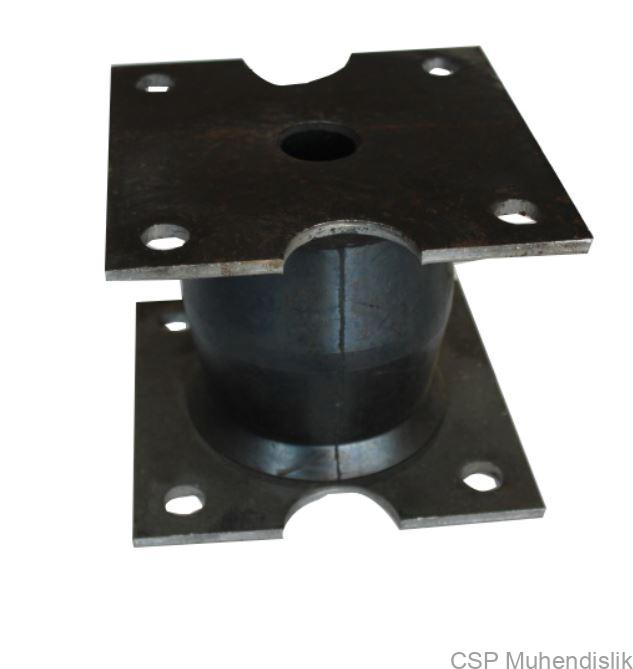
Locking Compound for Connection Points: Spare Part Analysis and Optimization for Connection Machines
The proper functioning of connection machines is critical to ensuring the continuity of production processes. Therefore, the quality, performance, and reliability of spare parts used in connection machines are of great importance. This article provides a detailed analysis of what Locking Compound for connection points is, why it is important, how it works, and its use as spare parts in connection machines.
What is Locking Compound for Connection Points?
Locking Compound is a special supporting element usually made from high-strength polymer or composite materials that provides a tight grip at connection points. These compounds are designed to increase the security of connections, reduce vibrations, and prevent wear. They are generally used by filling gaps between metal parts or reinforcing connection surfaces.
Why is the Importance of Locking Compound High?
The importance of Locking Compound in connection machines can be explained by the following factors:
- Safety: Locking Compound prevents loosening or separation of connections, ensuring the safety of operators and equipment.
- Performance: It helps connections work more efficiently by reducing friction at connection points.
- Extending Life Cycle: By preventing wear, it extends the lifespan of connection parts and reduces maintenance costs.
- Vibration Reduction: It absorbs vibrations, reduces machine noise, and prevents damage to equipment.
How Does Locking Compound Work?
Locking Compounds generally operate based on the following principles:
- Friction Control: By creating high-friction surfaces, it restricts movement of connections and provides a tight grip.
- Insulation: Filling gaps between connection points, it prevents moisture, dirt, or other harmful substances from entering.
- Flexibility and Durability: Thanks to their high flexibility, they adapt to the movements of connections while also possessing high durability.
Use of Locking Compound in Connection Machines
Locking Compounds are used as spare parts in various connection machines:
- Conveyor Systems: Ensures secure attachment of belts and wheels.
- Automation Systems: Reduces vibrations in robot arm connections and improves performance.
- Press Machines: Fills gaps between mold and press parts to provide precise compression.
- Horizontal Moving Machine Systems (HSSC): Enhances safety at connection points and reduces vibrations.
Competitor Analysis
There are various companies operating in the spare parts market for connection machines. Among the leading companies are Example Corp, Another Example Inc., and Third Company Ltd. Their products generally cover different types of Locking Compounds (polymer, composite, metal) and various application areas. In this highly competitive market, offering high-quality products, focusing on customer service, and continuous innovation are important.
Content Mining and Keyword Optimization
This article comprehensively provides the information users need to understand what Locking Compound for connection points is. Keywords such as ‘locking compound’, ‘connection machines spare part’, ‘connection points’, ‘vibration reduction’, and ‘wear prevention’ have been strategically used throughout the article. Using content mining techniques, this article aims to rank high in relevant search engines.
FAQ (Frequently Asked Questions)
- What is Locking Compound? Locking compound is a special supporting element that provides a tight grip at connection points and increases the security of connections.
- What are the benefits of Locking Compound? It offers many benefits such as safety, performance, life cycle extension, and vibration reduction.
- In which machines is Locking Compound used? It is commonly used in conveyor systems, automation systems, press machines, and horizontal moving machine systems.
- How long does Locking Compound last? Its lifespan depends on operating conditions, applied load, and the type of Locking Compound used.