
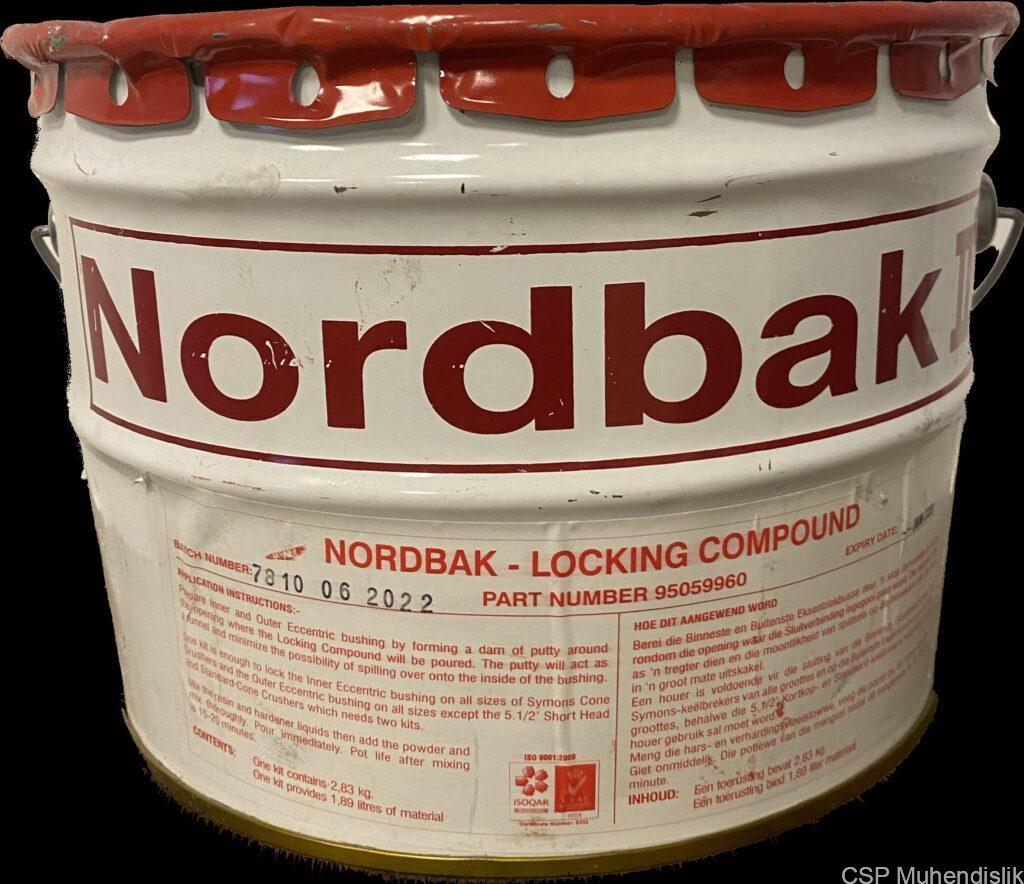
Locking Compound for Mining Machinery: An In-Depth Review
Introduction to Locking Compounds in Mining Machinery
Locking compounds play a critical role in the maintenance and efficiency of mining machinery by providing secure fastening and reducing wear on key components. In this guide, we will examine various aspects of locking compounds, specifically in the context of mining machinery.
What Is a Locking Compound?
A locking compound is a specialized adhesive designed to secure mechanical parts and prevent them from loosening due to vibration and other forces. In mining machinery, where heavy-duty applications are common, locking compounds are essential for maintaining operational integrity.
The Importance of Locking Compound in Mining Machinery
Mining machinery operates in extremely demanding environments. The right locking compounds can improve machine reliability and service life in the following ways:
- Preventing Vibration Loosening: Mining equipment is in constant motion, which can cause parts to loosen over time.
- Maintaining Alignment: Locking compounds help keep parts properly aligned, which is critical for machine efficiency.
- Chemical Resistance: Many mining operations are exposed to harsh chemicals; effective locking compounds can resist these substances.
- Temperature Resistance: Mining machinery may operate at extreme temperatures, so locking compounds must withstand these conditions.
Applications of Locking Compound for Mining Machinery
Locking compounds are used in various mining machinery applications:
- Gearbox Assembly: Ensures gears remain securely in place.
- Bearing Assembly: Prevents failures by maintaining bearing retention.
- Bolt Connections: Secures bolts to prevent loosening.
- Hydraulic Systems: Maintains the integrity of hydraulic connections.
Types of Locking Compound Used in Mining Machinery
There are several types of locking compounds commonly used in mining applications:
1. Anaerobic Sealants
Anaerobic sealants cure in the absence of air, making them ideal for locking threaded connections and flanges.
2. Easily Removable Sealants
These sealants allow easy disassembly for maintenance and repair.
3. Threadlockers
Threadlockers are specially formulated to lock threaded fasteners in place and prevent loosening.
4. Retaining Compounds
Retaining compounds are ideal for securely fixing cylindrical parts and provide strong bonding strength.
Selecting the Right Locking Compound for Mining Machinery
When choosing a locking compound for mining machinery, consider the following factors:
- Temperature Range: Make sure the compound can withstand the operating temperatures.
- Chemical Compatibility: Evaluate its compatibility with substances encountered in mining.
- Viscosity: The right viscosity ensures ease of application and effectiveness.
- Cure Time: Depending on the repair process, cure time can be critical.
Application Techniques for Locking Compounds
Proper application techniques are essential for the effectiveness of locking compounds:
- Thoroughly clean the surfaces to remove all oil, dust, and dirt.
- Apply the locking compound according to the manufacturer’s instructions.
- Assemble the parts quickly to ensure proper bonding.
- Allow sufficient cure time for maximum strength.
Common Problems with Locking Compounds and Solutions
You may encounter some issues when using locking compounds:
- Insufficient Curing: Make sure the environment meets the conditions specified by the manufacturer.
- Contamination: Any contamination on the surfaces can cause weak bonding.
- Over-Application: Applying too much compound can cause squeeze-out and reduce effectiveness.
Environmental Considerations
Choosing environmentally friendly locking compounds can help reduce environmental impact in mining operations. Prefer products with low VOC content that comply with environmental regulations.
Cost-Effectiveness of Locking Compounds
Investing in high-quality locking compounds delivers significant cost savings over time by reducing downtime and maintenance requirements. The long service life and reliability they provide are critical for maintaining operational efficiency in mining operations.
Frequently Asked Questions
1. What are locking compounds?
Locking compounds are adhesives used to secure mechanical connections in machinery and prevent loosening caused by vibration.
2. How do you choose the right locking compound?
Consider factors such as temperature range, chemical compatibility, and viscosity when making your selection.
3. Can any locking compound be used for mining machinery?
No, it is important to choose locking compounds specifically designed for heavy-duty mining applications.
4. How are locking compounds applied?
Clean the surfaces, apply according to the manufacturer’s instructions, assemble quickly, and allow sufficient cure time.
5. Are there environmentally friendly locking compound options?
Yes, some locking compounds are formulated for lower environmental impact and comply with eco-friendly standards.
Conclusion
Locking compounds are an indispensable part of mining machinery operations, improving safety, reliability, and performance. By understanding their applications and benefits, mine operators can ensure their machinery runs at maximum efficiency, minimize downtime, and maximize productivity.

