
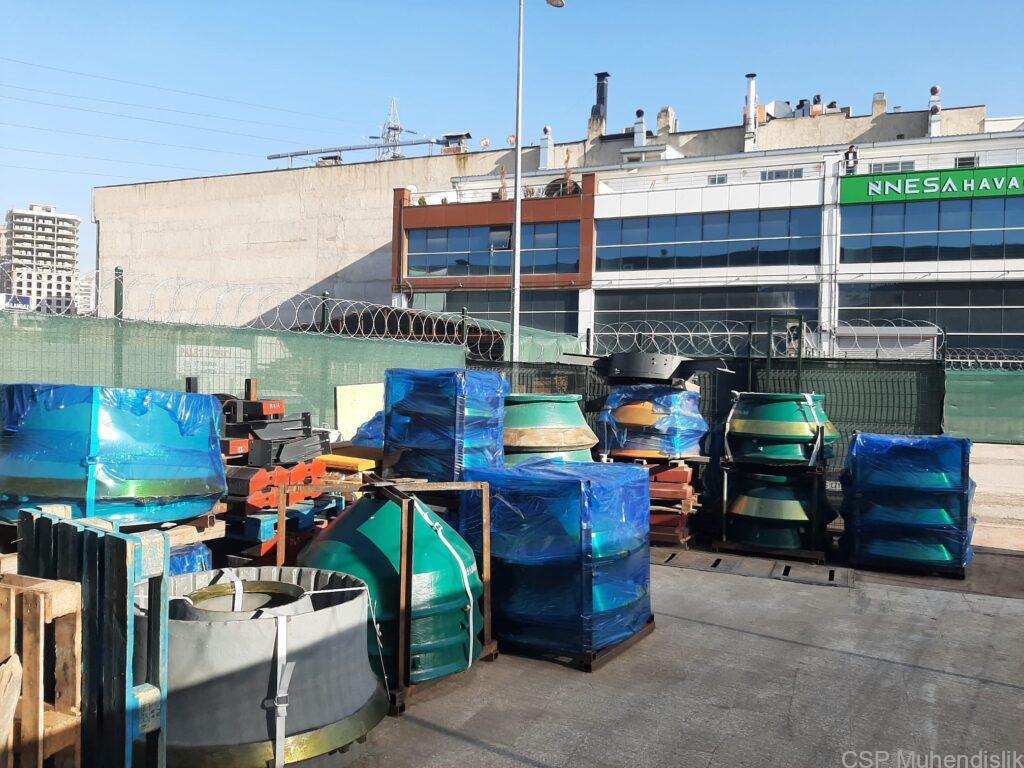
Introduction:
Sandvik is a leading manufacturer of mining and construction equipment, and their spare parts are essential for equipment maintenance and repair. This guide provides an overview of Sandvik spare parts, including their design, materials, and testing procedures, as well as the benefits of using genuine Sandvik parts.
How it works:
Sandvik spare parts are engineered to meet high quality standards and are designed to fit Sandvik equipment seamlessly. They are manufactured from premium materials and tested to withstand harsh operating conditions in mining and construction environments. Sandvik spare parts are critical for equipment performance, efficiency, and service life.
Frequently Asked Questions: Common questions about Sandvik spare parts, including availability, authenticity, and service life, are addressed in this section. Sandvik spare parts are sold through authorized dealers, and customers can use Sandvik’s Genuine Parts verification system to ensure authenticity.
Conclusion:
Using genuine Sandvik spare parts is essential for the proper operation of Sandvik equipment. Genuine parts are designed to improve equipment performance, reduce downtime, and increase productivity. Customers can purchase Sandvik spare parts through authorized dealers and distributors.
Best-Selling Products:
Sandvik offers a range of spare parts, including crusher parts, screen media, conveyor components, wear parts, and drilling components. These products are essential for efficient equipment operation and are often replaced during maintenance and repair activities.
Sandvik offers a wide range of spare parts, and some of its best-selling products include:
1. Crusher parts, including mantles, concaves, and jaw plates
Sandvik is a company that manufactures a range of crushers for various industries, including mining, construction, and recycling. The parts you mentioned – mantles, concaves, and jaw plates – are important components of Sandvik crushers.
Mantles are the main wear-resistant parts of a cone crusher. They are fixed to the main shaft and provide support for the cone-shaped crushing surface. Mantles are typically made from manganese steel, a high-strength material that can withstand heavy impact and wear.
Concaves are also wear-resistant components of a cone crusher. They are located in the lower shell of the crusher and provide support for the mantle. Concaves are designed to be easily replaceable and are usually made from durable alloy steel.
Jaw plates are the wear parts of a jaw crusher that come into contact with the material being crushed. They are fixed to the jaw frame and provide support for the moving jaw. Jaw plates are typically made of manganese steel or a similar high-strength material.
All of these parts are critical to the performance of Sandvik crushers, and it is important to ensure that they are of high quality and properly maintained to keep the crusher long-lasting and efficient.
2. Screen media, including woven wire mesh, polyurethane, and rubber screens
In addition to crushers, Sandvik also manufactures a range of screen media for various applications. The screen media you mentioned – woven wire mesh, polyurethane, and rubber screens – are important components of Sandvik screens.
Woven wire mesh screens are the most common type of screen media and are used for a wide range of applications. They are made by weaving wires together to create a mesh pattern and are available in various sizes and shapes to suit different screening requirements. Woven wire mesh screens are durable, long-lasting, and can be used to screen materials ranging from fine sand to large rocks.
Polyurethane screens are a type of screen media that offers superior wear resistance and is ideal for screening materials that are abrasive or corrosive. They are made from a polyurethane material that is resistant to impact, wear, and chemicals, and are available in various aperture sizes and shapes.
Rubber screens are a type of screen media used for screening wet or sticky materials. They are manufactured from moisture-resistant rubber material and are designed to prevent screen clogging and blinding. Rubber screens are available in various sizes and shapes and can be used for a variety of screening applications.
All of these types of screen media are important components of Sandvik screens, and it is important to choose the right type of screen media for your specific screening needs to ensure optimum screen performance and long service life.
3. Conveyor components, including idlers, rollers, and pulleys
Sandvik also manufactures a range of conveyor components used in material handling applications. The conveyor components you mentioned – idlers, rollers, and pulleys – are important components of Sandvik conveyors.
Idlers are used to support and guide the conveyor belt along the conveyor. They are typically made of steel or other high-strength materials and are available in various sizes and configurations to suit different conveyor designs and applications.
Rollers are used to support and guide the conveyor belt as it moves along the conveyor. They are similar to idlers but are generally smaller in size and can be made from different materials such as steel, rubber, or plastic. Rollers are available in various configurations, including troughing, return, and impact rollers.
Pulleys are used to drive the conveyor belt and provide belt tension. They are typically made of steel and are available in various sizes and configurations, including head, tail, snub, and bend pulleys. Pulleys are often fitted with rubber lagging to increase grip on the conveyor belt and reduce slippage.
All of these components are critical to the performance of Sandvik conveyors, and it is important to ensure that they are of high quality and properly maintained to keep the conveyor system long-lasting and efficient. Proper selection and installation of these components can also help minimize maintenance and repair costs and improve the overall productivity of the conveyor system.
4. Wear parts, including tungsten carbide, ceramic, and cast iron wear parts
Sandvik manufactures a range of wear parts designed to withstand harsh conditions and prolonged wear in various industries. The wear parts you mentioned – tungsten carbide, ceramic, and cast iron wear parts – are important components of Sandvik’s wear solutions.
Tungsten carbide wear parts are highly resistant to wear and are used in applications where high abrasion and impact resistance are required. They are commonly used in mining, construction, and recycling industries for applications such as drilling, crushing, and grinding. Tungsten carbide wear parts include cutting tools, wear plates, and tips for drills and hammers.
Ceramic wear parts are also highly wear-resistant and are used in applications where high abrasion and corrosion resistance are required. They are commonly used in the mining and chemical industries for applications such as hydrocyclones, pumps, and chutes. Ceramic wear parts include liners, tiles, and plates.
Cast iron wear parts are commonly used in applications where high wear resistance and toughness are required. They are used in industries such as mining, construction, and agriculture for applications such as crushers, shredders, and excavation equipment. Cast iron wear parts include castings, liners, and plates.
All of these wear parts are critical to equipment performance in demanding operating environments, and it is important to ensure that they are of high quality and properly maintained to keep the equipment long-lasting and efficient. Correct selection and installation of wear parts can also help minimize maintenance and repair costs and improve the overall productivity of the equipment.
5. Drilling components, including drill bits, drill rods, and drilling fluids.
Sandvik manufactures a range of drilling components used in various drilling applications, including mining, construction, and oil and gas exploration. The drilling components you mentioned – drill bits, drill rods, and drilling fluids – are important components of Sandvik’s drilling solutions.
Drill bits are used to create holes in the ground or rock and are available in various sizes and shapes to suit different drilling applications. Sandvik produces a wide range of drill bits, including tricone bits, PDC (polycrystalline diamond compact) bits, and diamond bits. Each type of bit has different properties and is suitable for different drilling conditions.
Drill rods are used to connect the drill bit to the drilling rig and are typically made of steel or other high-strength materials. Sandvik manufactures a range of drill rods, including integral drill rods, tapered drill rods, and extension drill rods. Drill rods are available in various lengths and diameters to suit different drilling depths and applications.
Drilling fluids, also known as drilling muds, are used to cool and lubricate the drill bit, remove cuttings from the borehole, and provide stability to the borehole walls. Sandvik manufactures a range of drilling fluids, including water-based muds, oil-based muds, and synthetic muds. Each type of drilling fluid has different properties and is suitable for different drilling conditions.
All of these drilling components are critical to the performance of drilling operations, and it is important to select the right components for the specific drilling application to ensure optimum performance and efficiency. Proper selection and use of drilling components can also help minimize drilling costs and reduce environmental impact.
These products are essential for efficient equipment operation and are often replaced during maintenance and repair activities. Sandvik’s best-selling products are manufactured to the highest quality standards and are designed to meet the specific needs of each customer’s application. You can source Sandvik spare parts from us.

